Subjects
Grades
Establishing connections between facts means associating facts with descriptions or indications (evidence from the past). You may be asked to associate elements such as opinions, ideologies, events, economic activities with facts. Each document must be assigned to the correct fact or category. In other words, it involves making connections between facts.
The tasks related to the intellectual operation to establish connections between facts require associating facts together and classifying them.
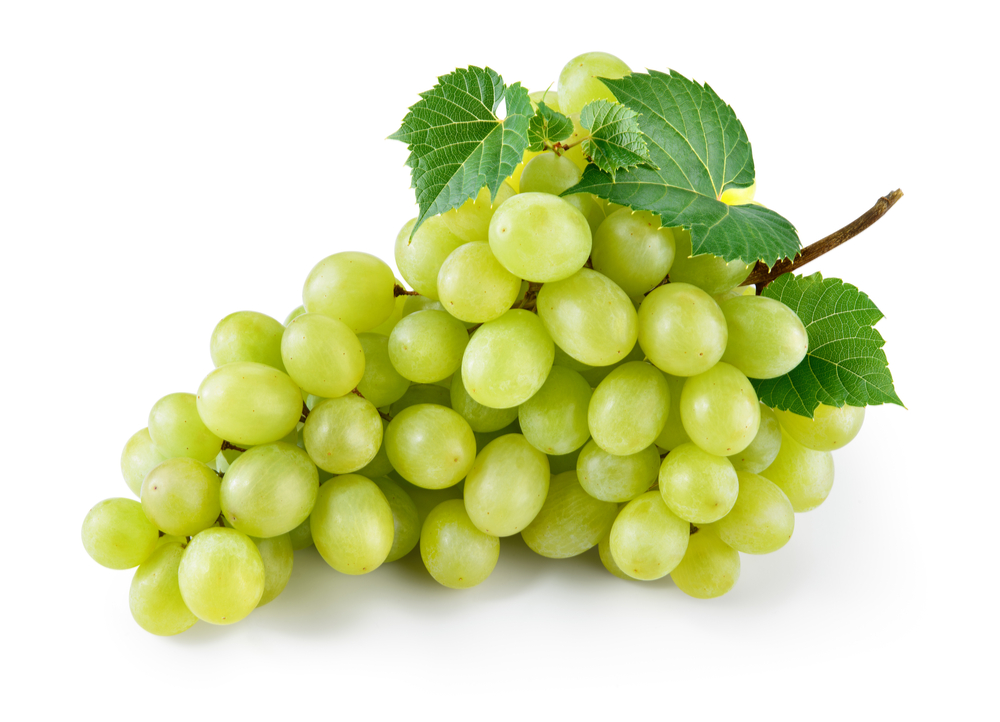
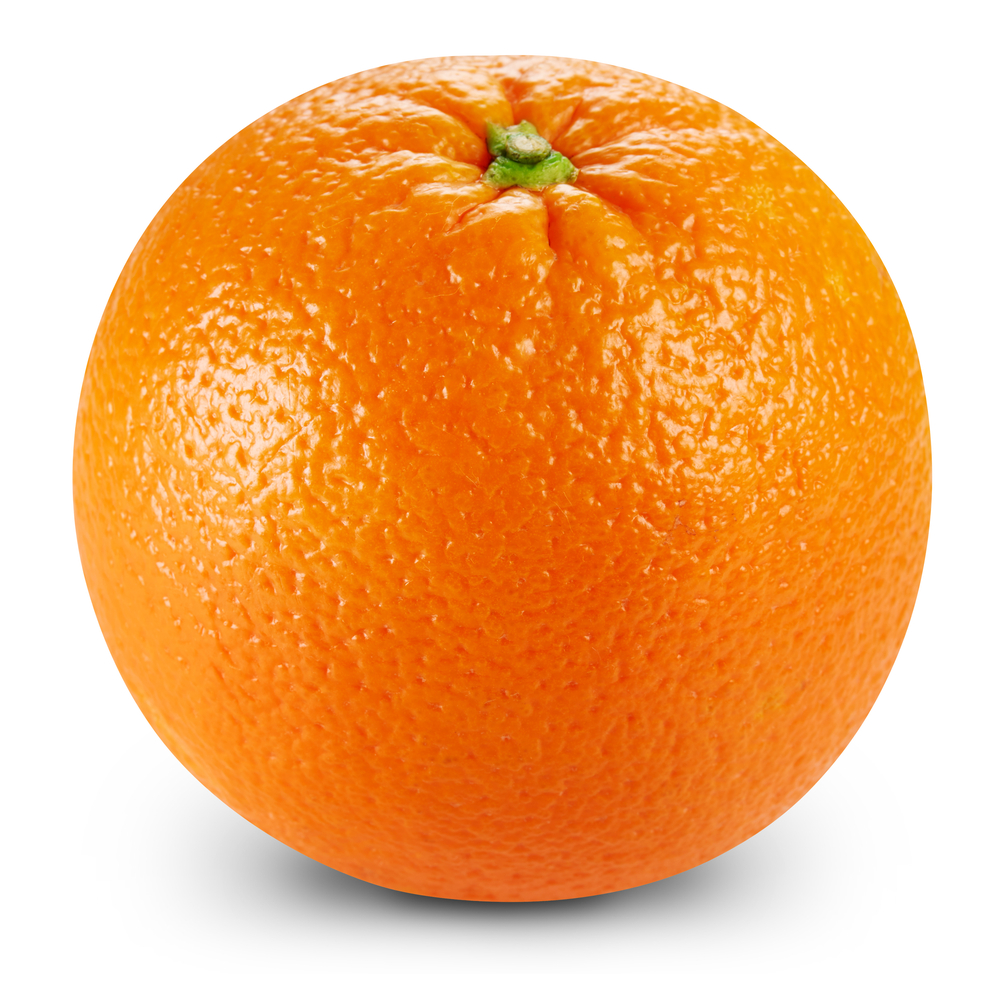
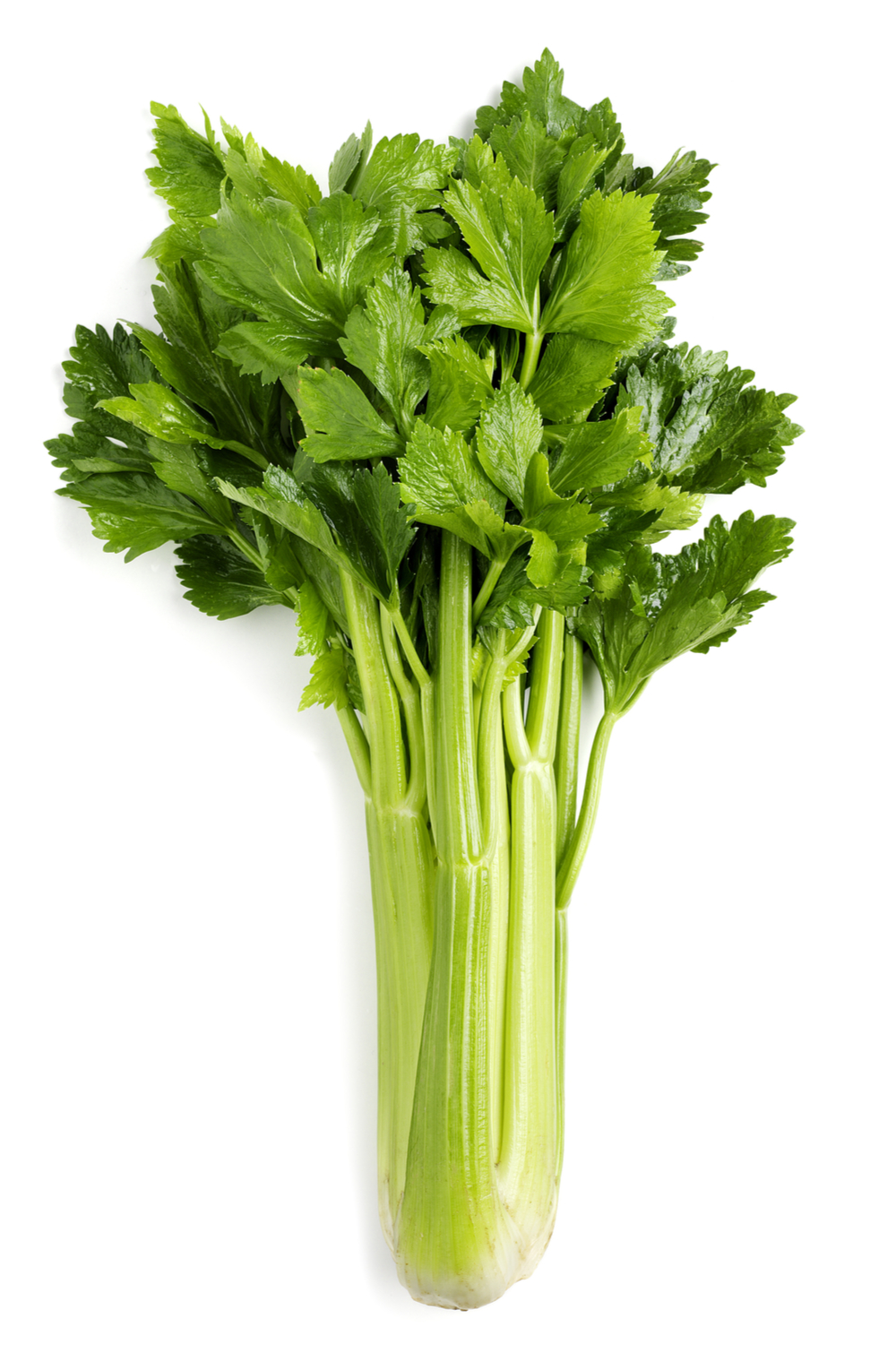
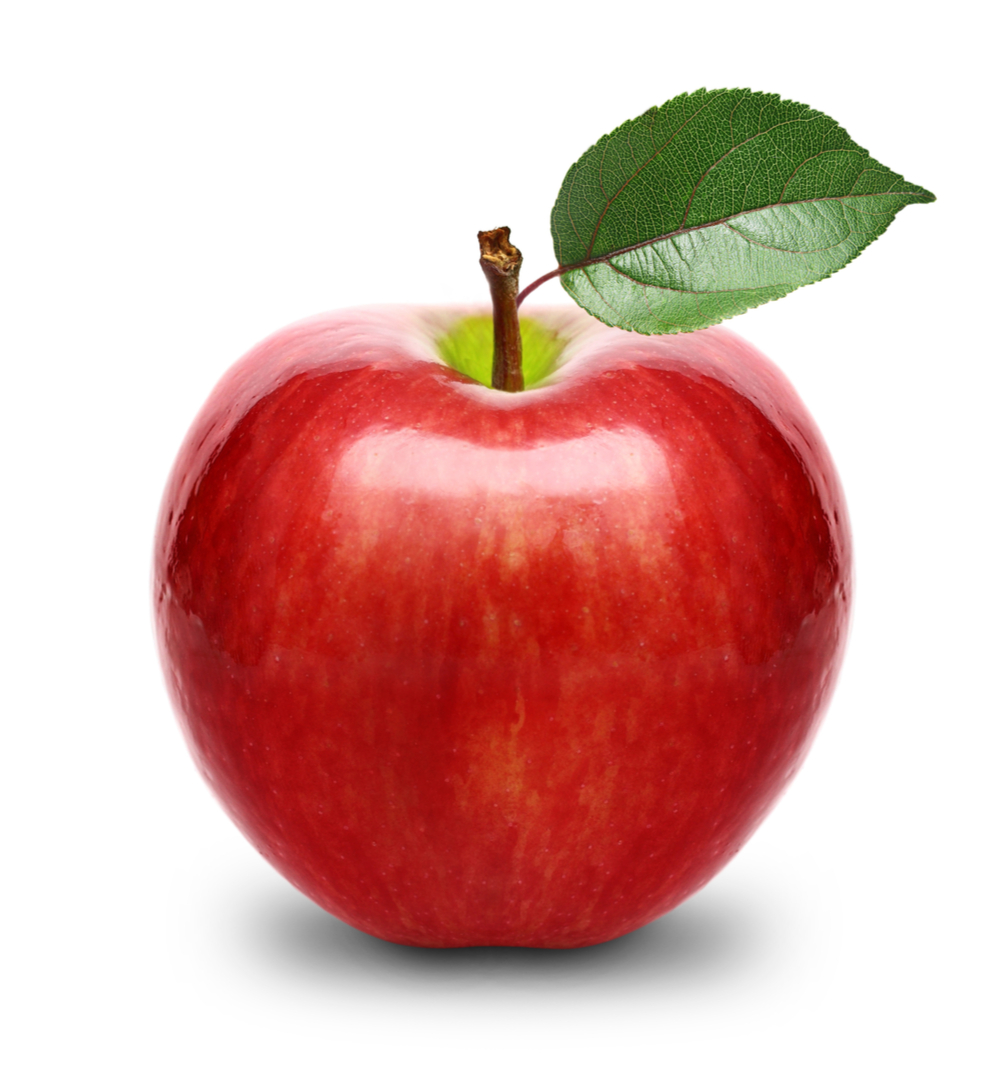
Here are six documents that each show a fruit or a vegetable.
| Document 1 | Document 2 | Document 3 |
|---|---|---|
 Source: Tim UR, Shutterstock.com |
 Source: Maks Narodenko, Shutterstock.com |
 Source: Valentina Razumova, Shutterstock.com |
| Document 4 | Document 5 | Document 6 |
 Source: Miguel G. Saavedra, Shutterstock.com |
 Source: Valentina Razumova, Shutterstock.com |
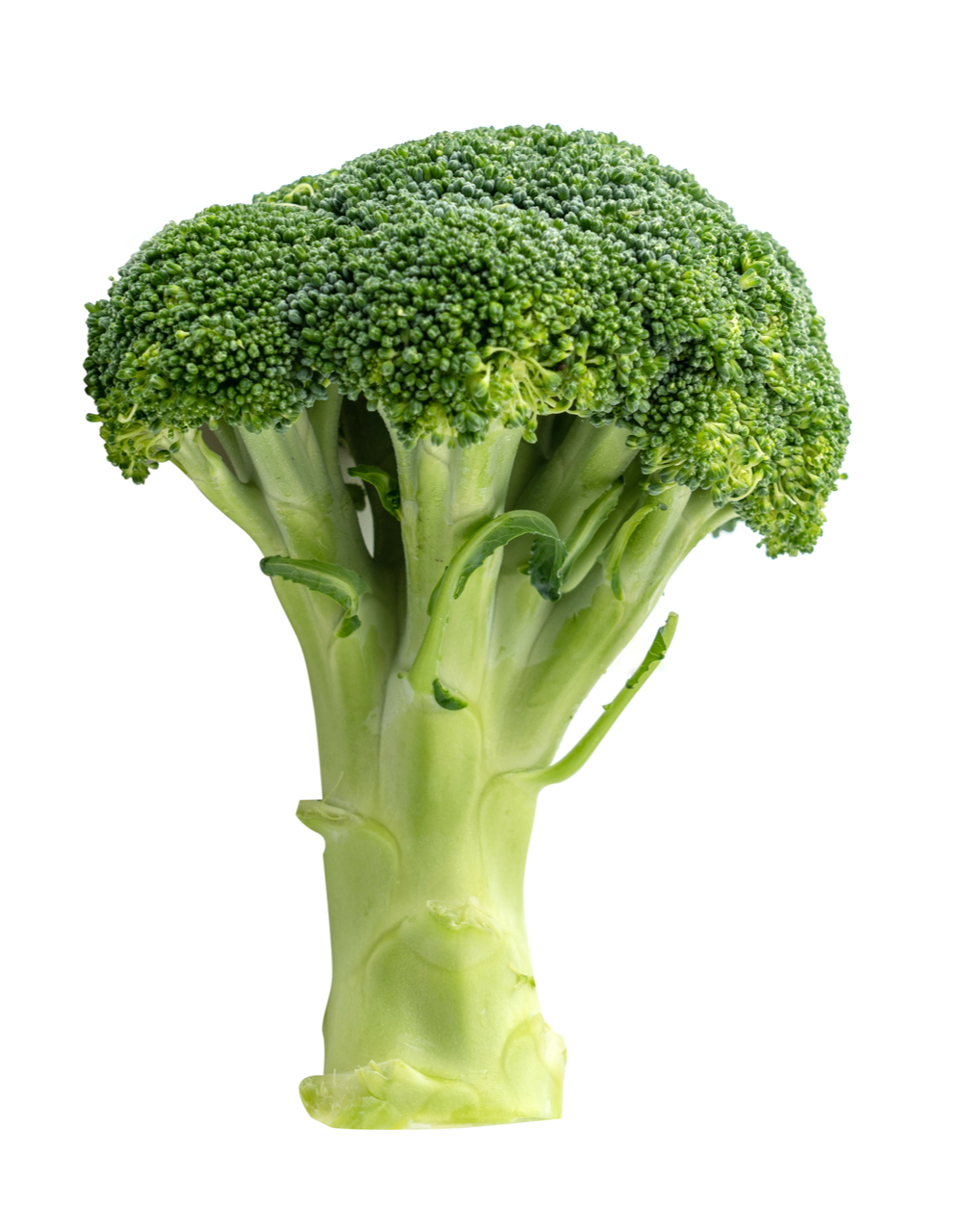 Source: Byjeng, Shutterstock.com |
Establishing connections between facts is like asking you to classify fruit on one side and vegetables on the other. By analyzing each document, you identify what it shows. Then you decide whether it is a fruit or a vegetable and put it in the correct category.
Your answer would look like this:
| Documents that show a fruit | Documents that show a vegetable |
|---|---|
|
Document 1 Document 2 Document 5 |
Document 3 Document 4 Document 6 |
In history, a task to establish connections between facts can involve identifying a document that supports a historical fact or statement.
You might be asked to use excerpts from Samuel de Champlain’s travel journal to support the fact that he founded the City of Quebec.
Generally, a document in a documentary record cannot be used more than once in an exam. So, if a document has already been used, it can be eliminated and you can focus on the remaining documents to classify them and make the right associations. Doing this by elimination can help you in situations where a document is more difficult to place.
It is highly recommended that you read the concept sheet on intellectual operations to fully understand how to complete the tasks for the different intellectual operations.
The two examples below are similar to what you might see on an exam. Try to complete the task before looking at the detailed solution. This will help you to see how well you can do the intellectual operations.
The two examples below are related to concepts that you might not have seen before. If so, don’t worry, you’ll learn them when they are introduced in class.
The example for Cycle One focuses on the module An Early Experience of Democracy.
The example for Cycle Two focuses on the module Indigenous Peoples and the Settlement Project (from its origins to 1608).
Statement: Identify the documents that show rights exclusive to the class of citizens of Athenian society.
|
Document A |
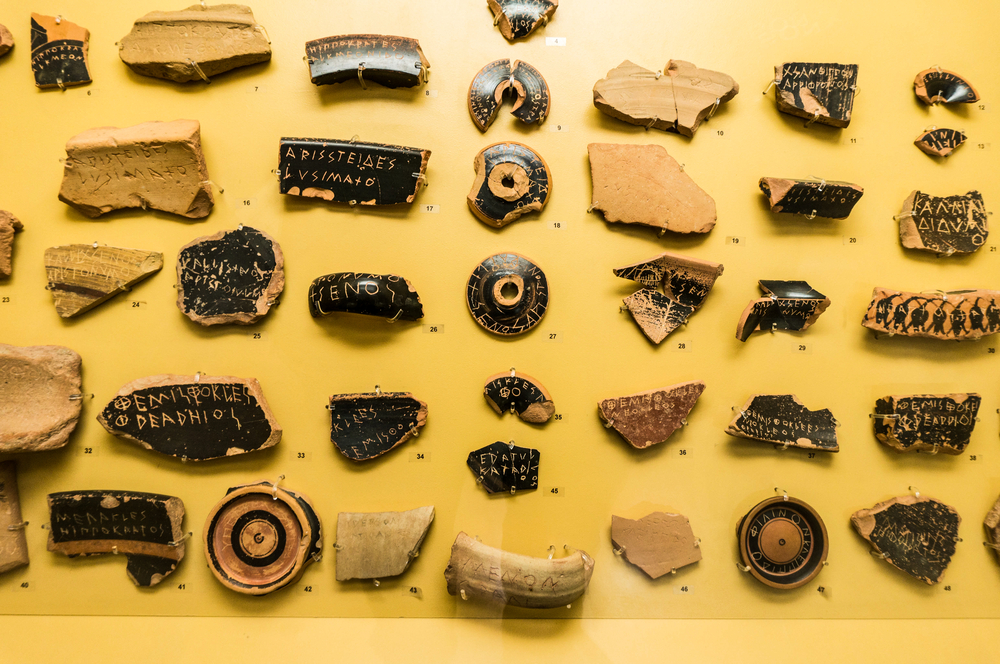 Tokens used by the Ecclesia Source: Andronos Haris, Shutterstock.com |
|---|---|
| Document B |
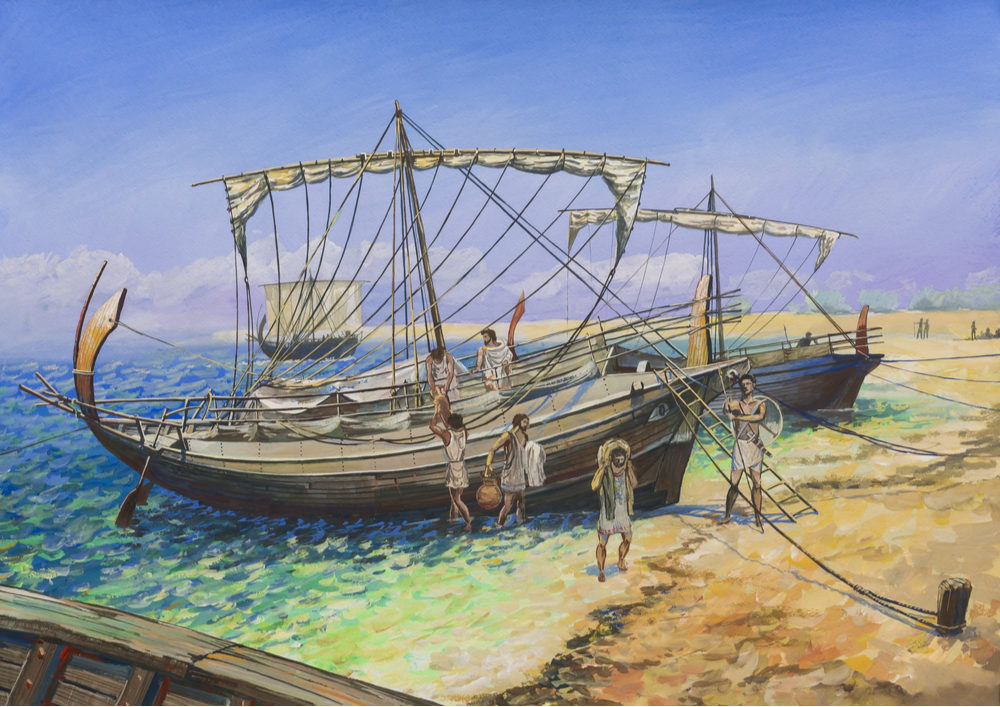 Cargo ships Source: Dudchik, Shutterstock.com |
| Document C | 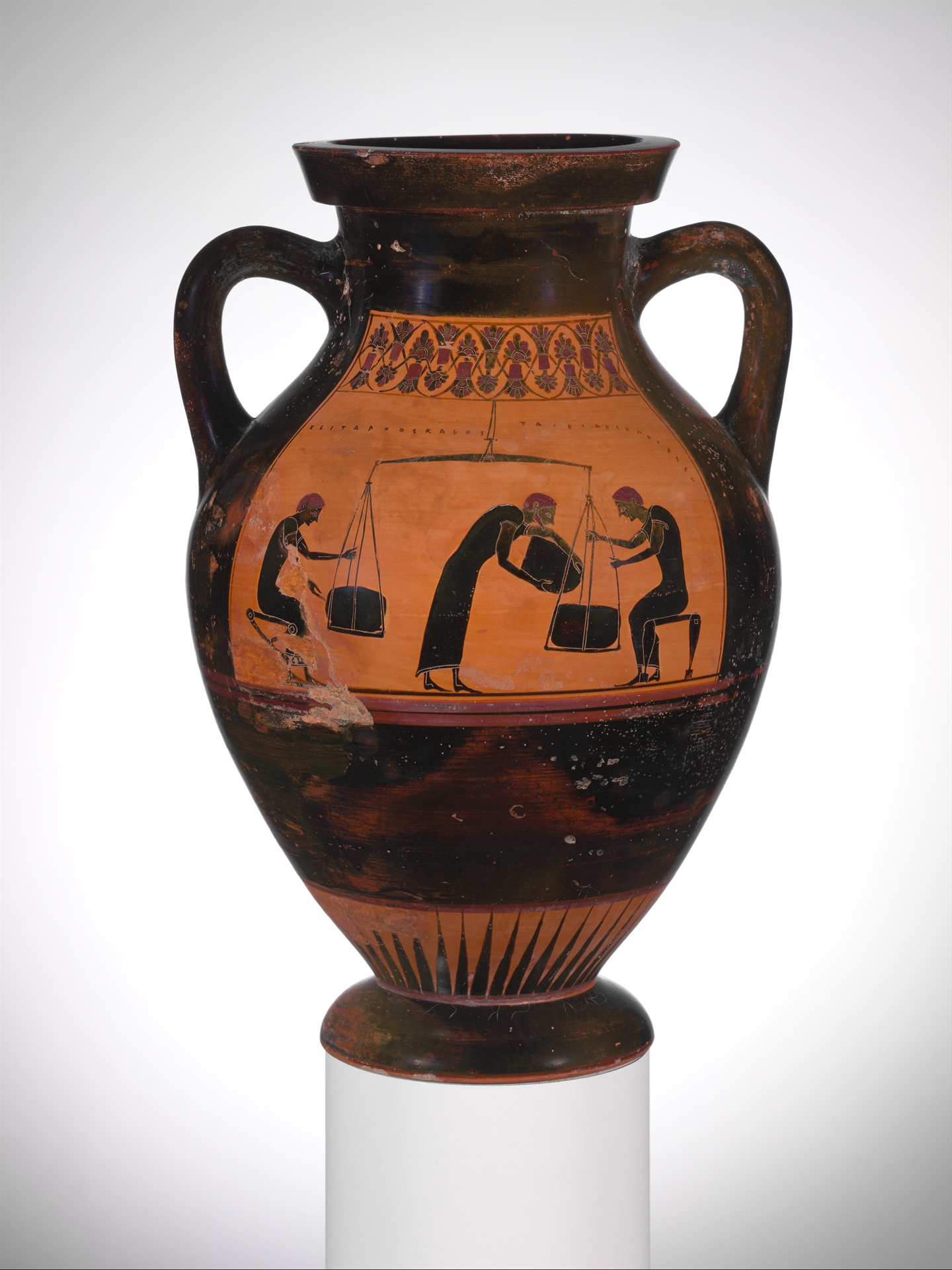 Weighing goods Source: Taleides, 540–530 av. J.-C. |
| Document D |
“In Politics and Rhetoric, Aristotle defines property by two elements, use and exchange. […] However, this is private property and not family property.” Aristotle’s definition Source: Intartaglia, 2018. |
Answer
| Rights that are exclusive to the class of citizens | Elements shared by more than one social class | |
|---|---|---|
| Document | _ and _ | _ and _ |
Statement: Write the number of the document corresponding to each language family in the appropriate place.
|
Document A |
Document B |
Document C |
|---|---|---|
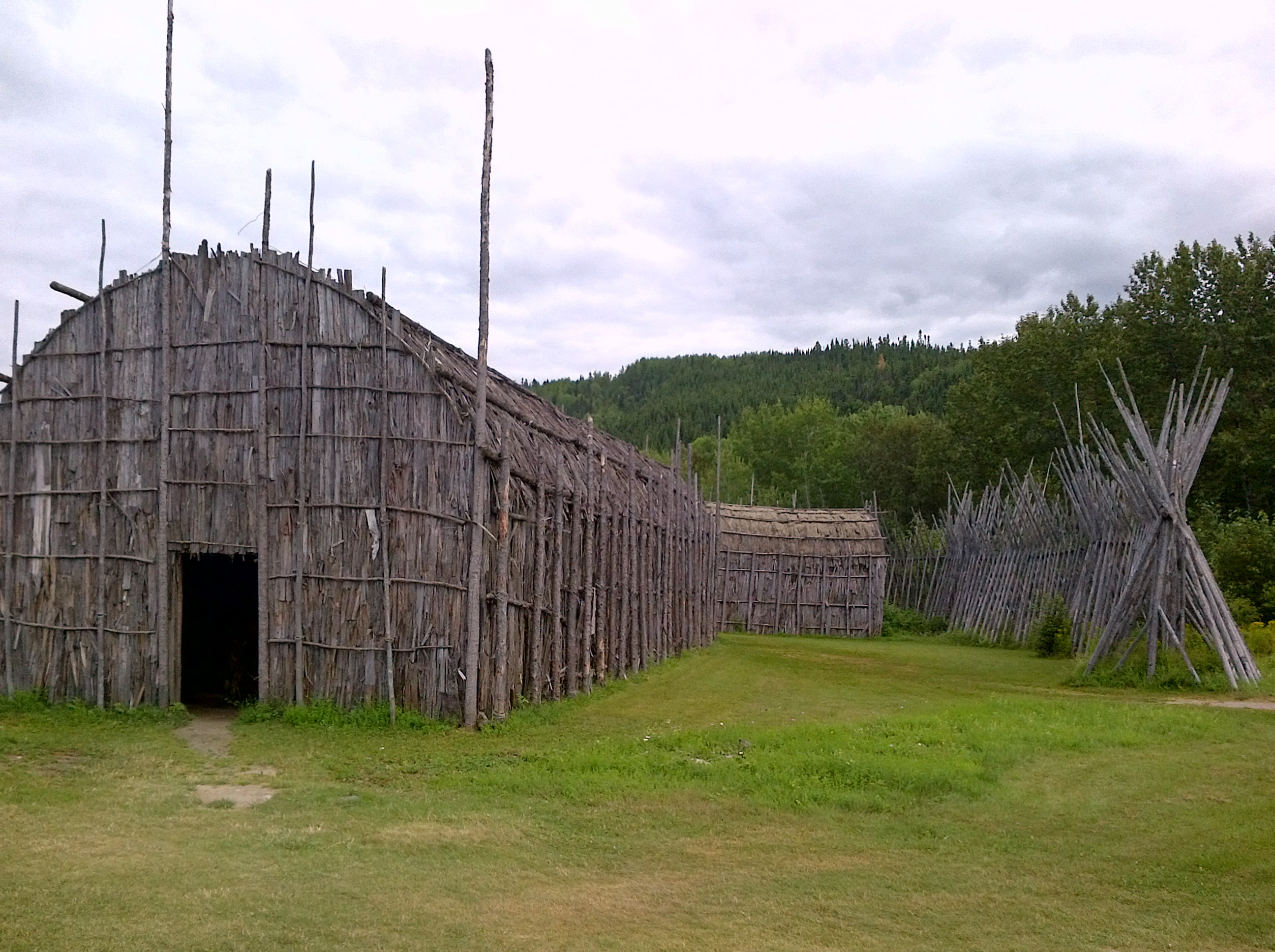 Source: Pierre5018, Wikimedia. |
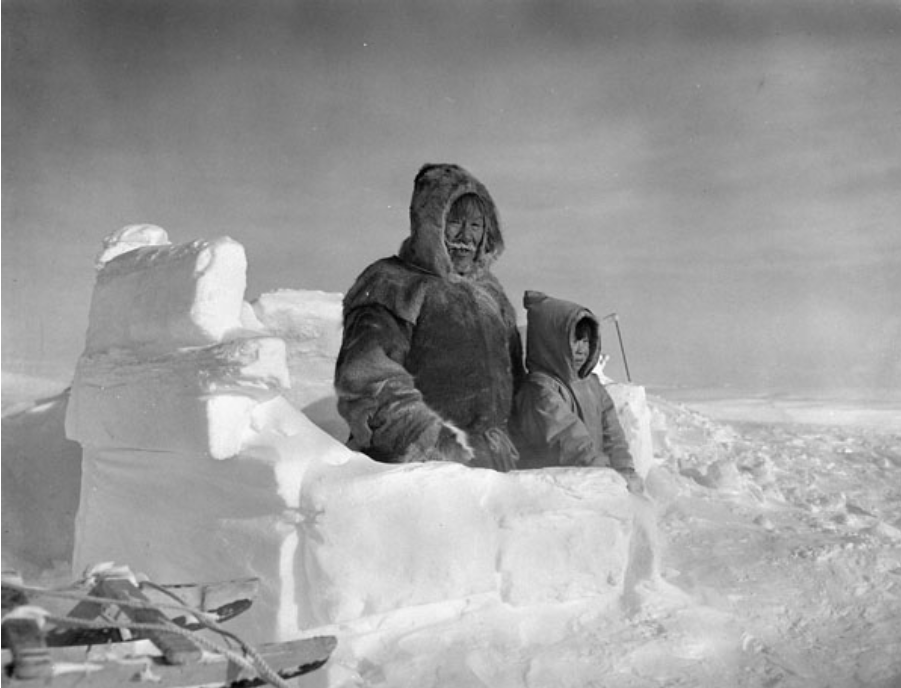 Source: Hunter, 1946. |
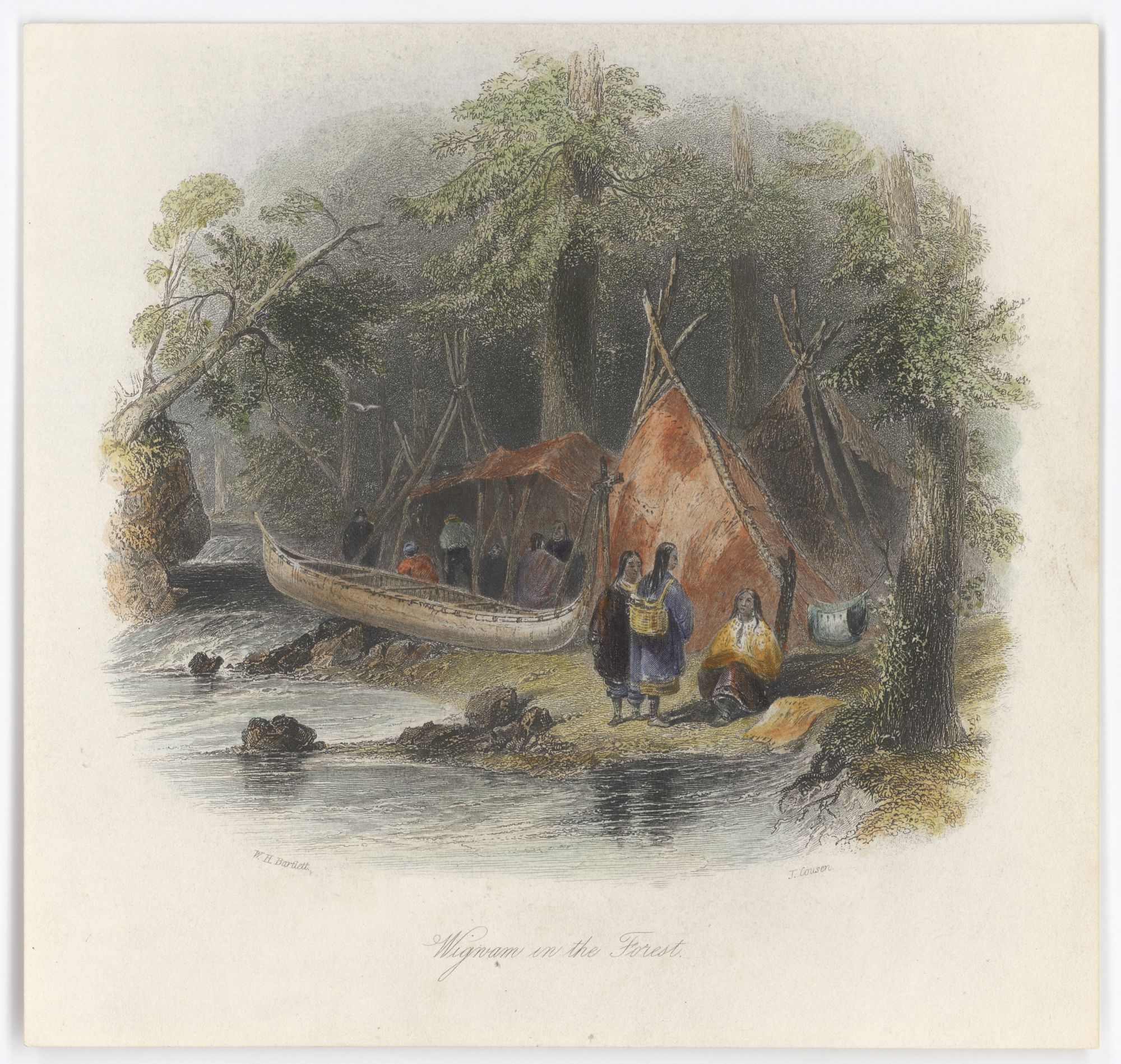 Source: Bartlett, circa 1800. |
Answer
|
Language family |
Document |
|---|---|
|
Algonquian |
|
|
Iroquoian |
|
|
Inuit |
|
For more details about Indigenous peoples’ ways of life, see the concept sheet The Different Indigenous Ways of Life: Iroquoians, Algonquians and Inuit.
Bartlett, W.H. (vers 1800). Wigwam in the forest [Image]. Bibliothèque et Archives nationales du Québec. https://numerique.banq.qc.ca/patrimoine/details/52327/1996219
Hunter, G. (mars 1946). [Joseph Pork Kangiryuaq and Alex Ikkat Uqqaat, stand outside an igloo] [Kunegeynek and his grandson Ikket of Baker Lake stand outside an Igloo. [The man has also been identified as Kigusiutnaq] [Photographie]. Bibliothèque et Archives Canada. https://www.bac-lac.gc.ca/fra/recherchecollection/Pages/notice.aspx?app=fonandcol&IdNumber=3374343
Intartaglia, D. (juillet 2018). Systèmes et droits fonciers en Grèce archaïque et classique [Mémoire de fin de première année de CSA, Institut supérieur d’Anthropologie INDIANA — UNI VERSITAS]. https://www.academia.edu/37365151/Syst%C3%A8mes_et_droits_fonciers_en_Gr%C3%A8ce_archa%C3%AFque_et_classique
Pierre5018. (aout 2012). Reconstitution d’une maison longue huronne pour le film « Robe Noire », site de la Nouvelle-France [Photographie]. Wikimedia. https://commons.wikimedia.org/wiki/File:Huron-Maison-Longue-Reconstitu%C3%A9e-Ext%C3%A9rieur_01.jpg. CC 4.0
Taleides. (vers 540-530 av. J.-C.). Terracotta amphora (jar) [Image]. Metropolitan Museum of Art. https://www.metmuseum.org/art/collection/search/130015076