Subjects
Grades
 100%
100%
 100%
100%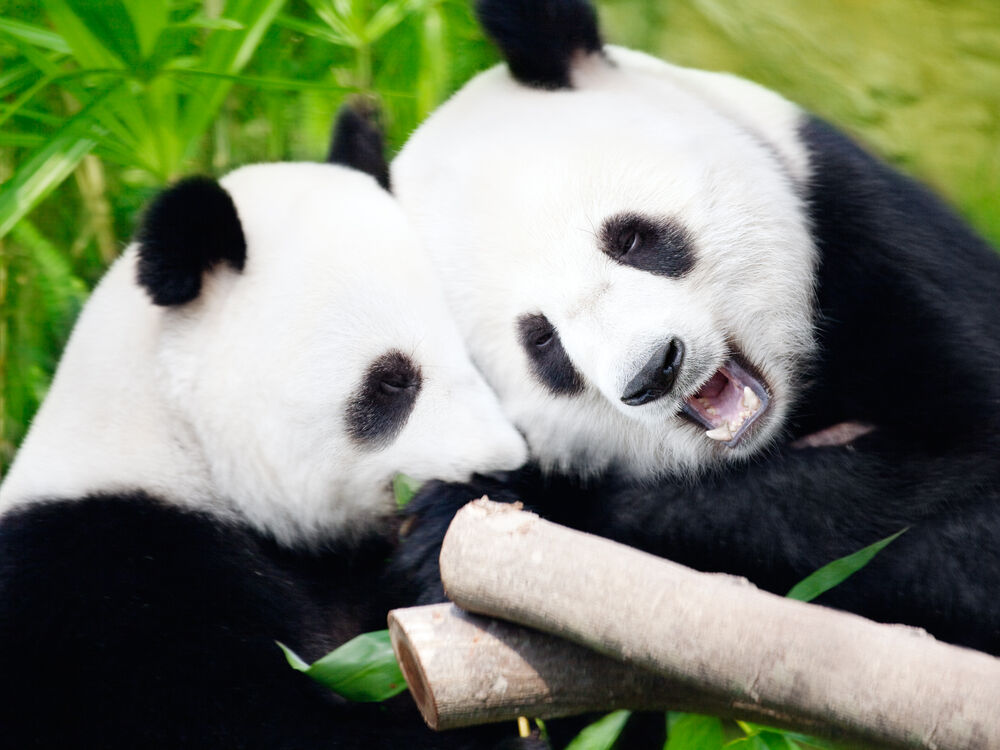 100%
100%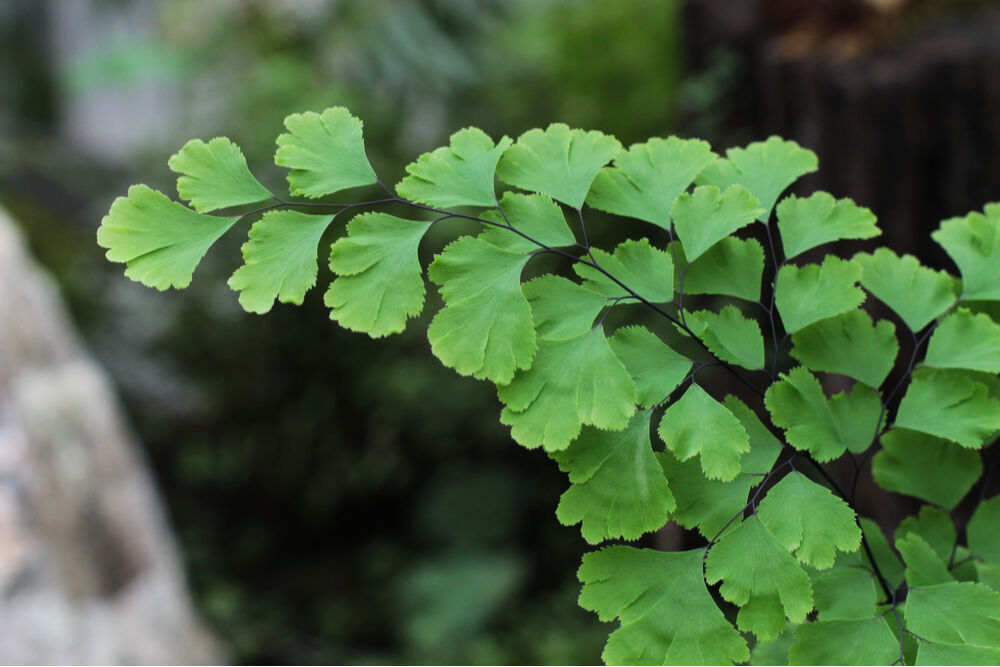 100%
100%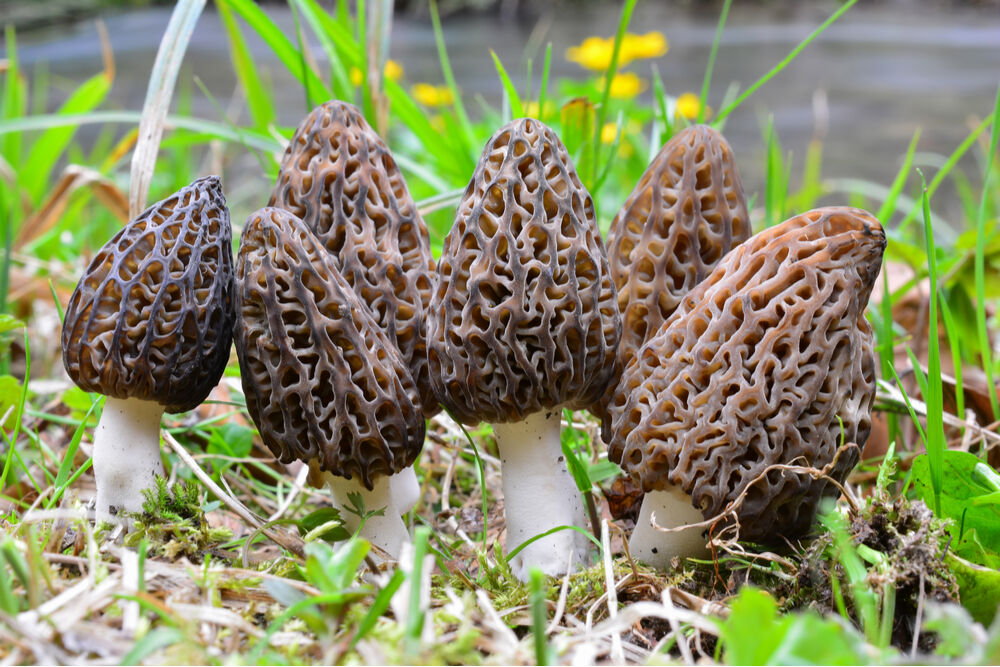 100%
100%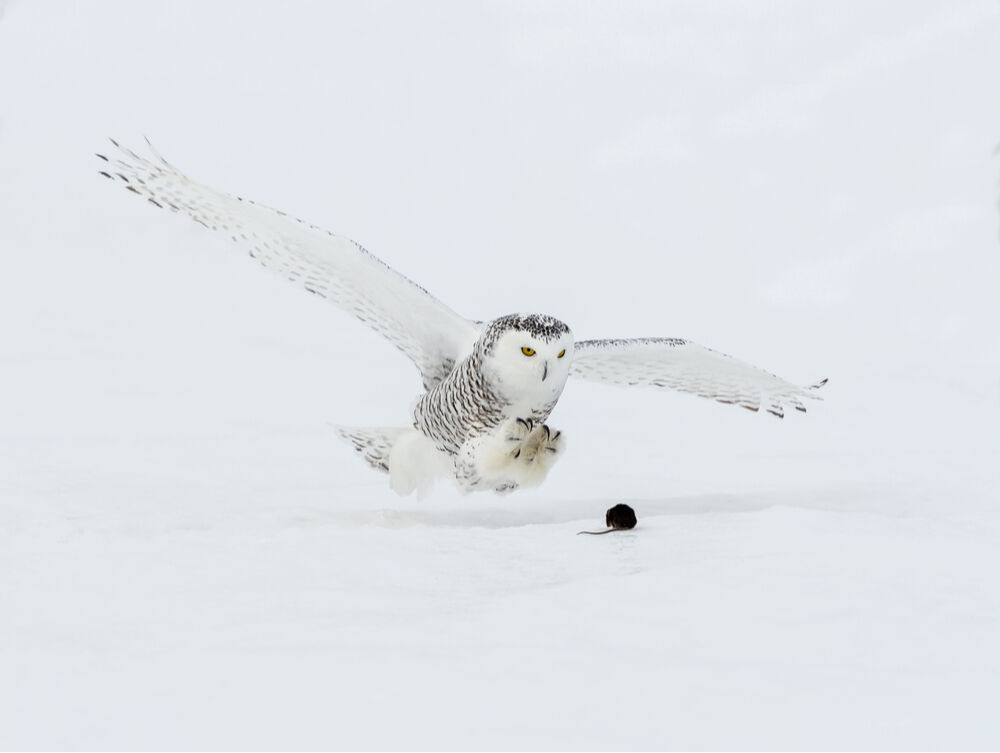
Ecological factors are the elements of an environment that influence the biological cycles of populations of animals, plants and other living organisms. They fall into two categories, namely abiotic factors and biotic factors. When these factors interfere with life cycles, they are called limiting factors.
Abiotic factors are non-living factors, that is, physical or chemical characteristics of an environment that influence living things.
Here are some abiotic factors:
Abiotic factors tend to influence the biological cycle of individuals in a population. The same factor can facilitate the reproduction and survival of individuals of one species, while harming the reproduction and survival of another species. The impact of abiotic factors is linked to the specific needs of species.
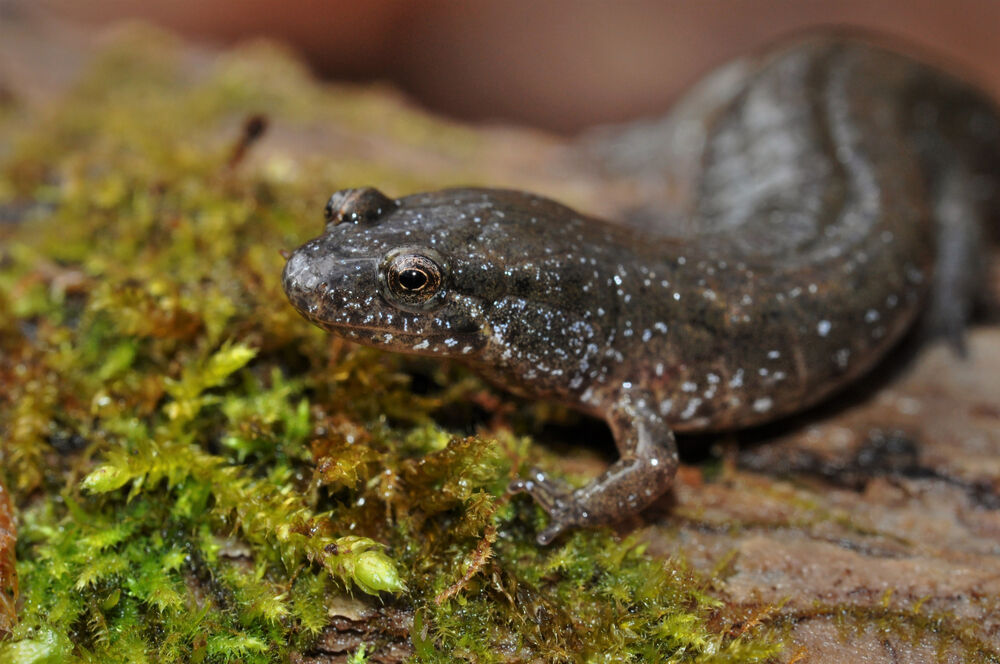
The Northern Dusky Salamander breathes through its skin. For a gaseous exchange to take place, the salamander’s skin must be moist. A wetland promotes its survival and reproduction, and contributes to the increase in the size of its population.
On the other hand, an environment with a low humidity rate harms its survival and reproduction, and thus reduces the size of its population.

Northern Dusky Salamander
Biotic factors represent the influence of living things on other living things in the same environment.
The presence of an individual generally influences the biological cycle of other individuals living in the same environment.
Here are some biotic factors:
The low population density of giant pandas reduces the frequency of encounters between males and females for reproduction. In other words, because there are few pandas on the territory, the chances of meeting another one to reproduce with are lower. This factor slows down the growth of the population.
Giant pandas
The Delta maidenhair fern is a fern that lives in the shade. It would hardly survive the sun. The presence of large trees around it gives it shade and thus reduces its sunshine. Large trees therefore modify the environment of the fern in order to promote its survival and reproduction.
The Delta maidenhair fern
Limiting factors are abiotic or biotic factors which slow down the growth of a population.
Limiting factors result in reducing the number of births, increasing the number of deaths, promoting emigration and reducing immigration in a population. Population growth is thus slowed down.
The black morel is a mushroom that grows in sandy soils. A soil rich in humus would result in a slower growth of its population. Soil type is a limiting factor for black morels.
Black morels
The snowy owl is a predator of mice. Predation results in a decrease in the size of the mouse population. The presence of the snowy owl is a limiting factor for mice.
A snowy owl hunting a mouse
The carrying capacity of an environment stipulates that an environment can support a maximum number of individuals depending on the resources and space available there.
When there are enough resources available to the population, there is little or no competition, and the population size increases. However, if the population size exceeds the carrying capacity of the environment, there is greater competition among individuals, which, in turn, results in a decrease of population size.
The carrying capacity can also suddenly change as a result of a natural disaster or human activity.
Forest fires or logging reduce access to food for animals feeding on fruit in trees. Such a reduction in resources results in a decrease of population size.
Moments in the video :
Després, J. (2017). Les champignons comestibles du Québec, p. 172-173.
Ministère des Forêts, de la Faune et des Parcs du Québec. (2020). Salamandre sombre du Nord. https://www3.mffp.gouv.qc.ca/faune/especes/menacees/fiche.asp?noEsp=25
Neil A. Campbell et Jane B. Reece. (2007). Biologie, p. 1174-1175.