Subjects
Grades
 100%
100%
 100%
100% 100%
100%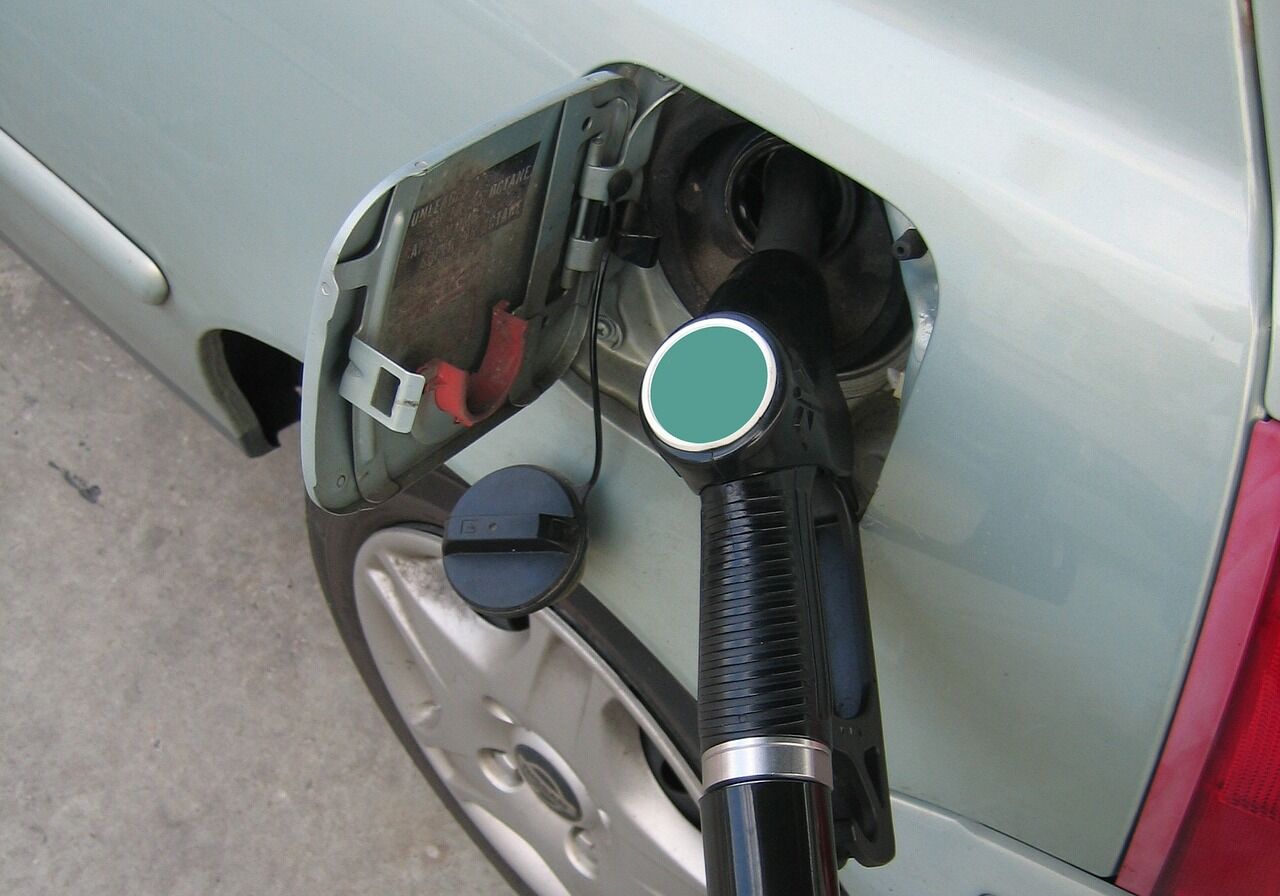 100%
100% 100%
100%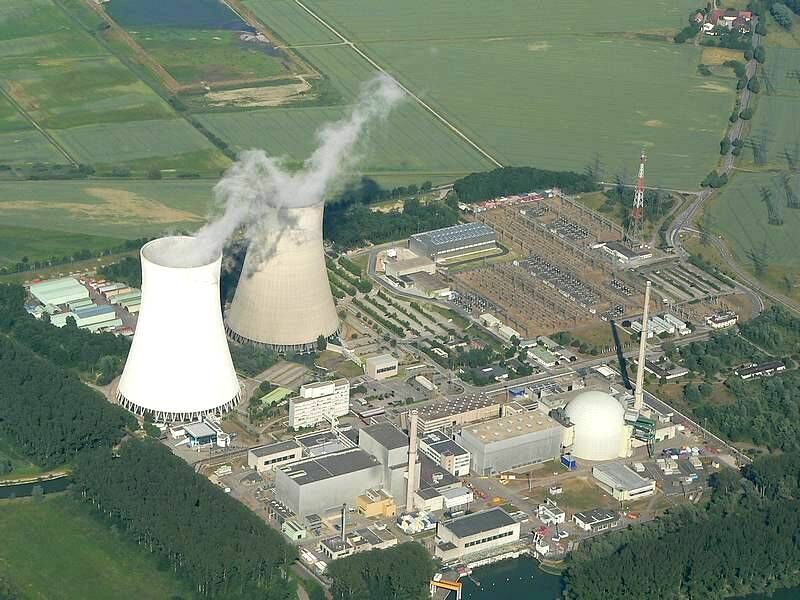 100%
100%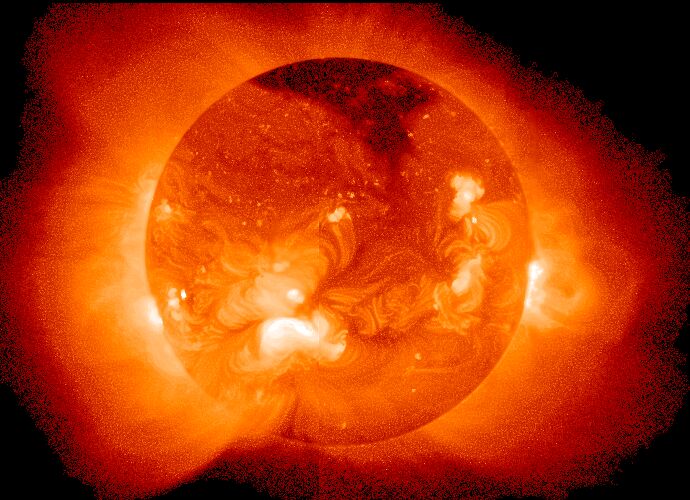
Heat can be produced in four different ways.
During winter, when we want to warm up our hands, what is the first reflex that often comes to mind? Obviously, it is to quickly rub our hands together. This is a mechanical means of producing heat by friction.
Friction is a force that resists or opposes motion between surfaces. Friction between two surfaces produces heat.
As early as prehistoric times, the friction of wood against wood made it possible to obtain fire. The rapid rotation of a piece of wood on a horizontal board was the most frequently used system at that time. As a matter of fact, the friction between two pieces of wood produces heat, which allows it to reach the point of ignition to ignite dry leaves.
Heat can be produced by hammering an object. Hitting hard with a hammer on metal, for example, can produce heat.
When using a toaster, the metal wires inside turn very red and thus give off a lot of heat. It is a manifestation of the Joule effect.
The Joule effect is the phenomenon in which an electrical resistance produces heat when an electric current flows through that resistance.
When a toaster is powered on, electrons begin to flow through the wires. They must therefore expend energy in order to move and this energy is in the form of heat. The Joule effect occurs when electric current flows through conductive materials.
Several chemical reactions are said to be exothermic. When a reaction is exothermic, it means that it releases more heat than it absorbs. So ultimately there is a release of heat in an exothermic reaction. We can therefore use an exothermic reaction to produce a certain amount of heat.
Any form of combustion is a good example for the production of heat by chemical means.
The nucleus of some atoms contains an impressive amount of energy. To release this energy, the atomic nucleus is simply broken in two. A collision with a neutron causes the atomic nucleus to be broken into two pieces. This is called a nuclear fission reaction. The fission reaction of a nucleus is accompanied by a great release of energy. Some of this energy comes in the form of kinetic energy, but most of the energy is released as heat.

Nuclear power plants generate heat through a nuclear fission chain reaction.
In contrast to fission, there is nuclear fusion. This reaction occurs continuously in the Sun and in some stars in our universe. In nuclear fusion, two atomic nuclei come together to form a heavier atomic nucleus. This fusion of nuclei of light atoms gives off an extraordinary amount of nuclear energy. Although fusion has been used in destructive H-bombs, there are no industrial applications of fusion for the production of heat.
The Sun produces heat through nuclear fusion.