Matières
Niveaux
 100%
100%
 100%
100%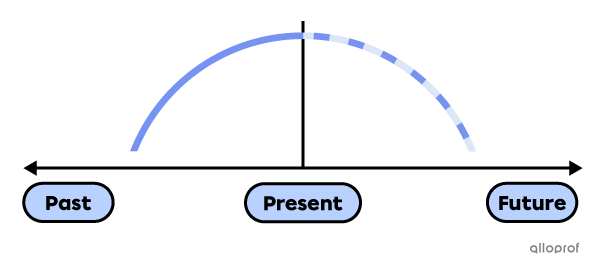 100%
100%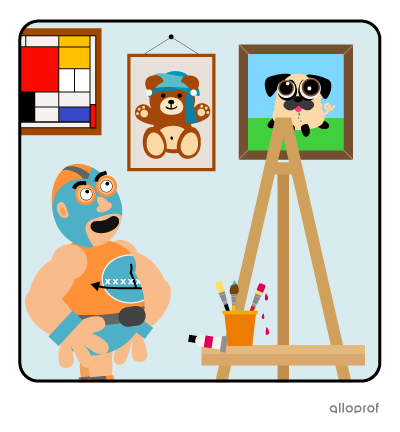 100%
100%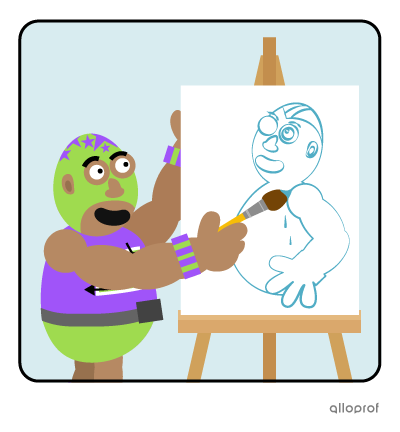 100%
100%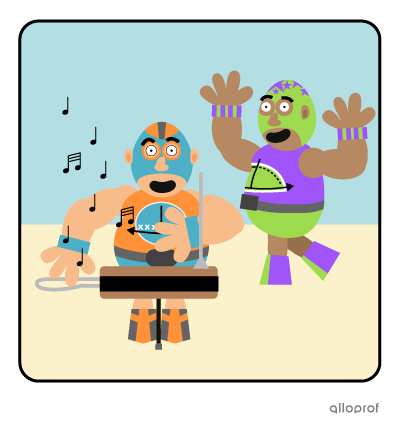 100%
100%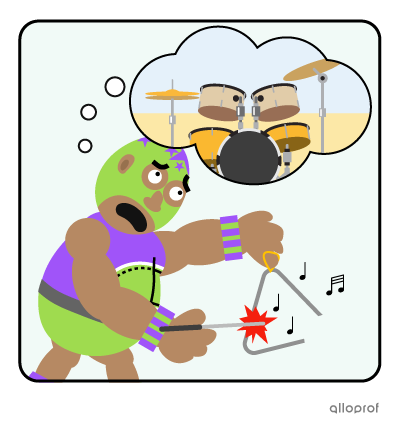 100%
100%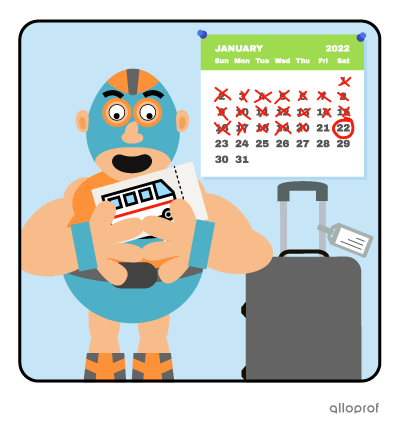 100%
100%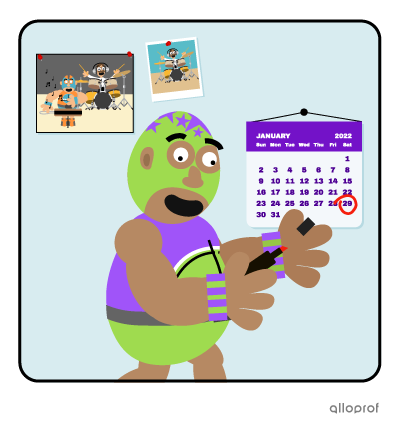 100%
100%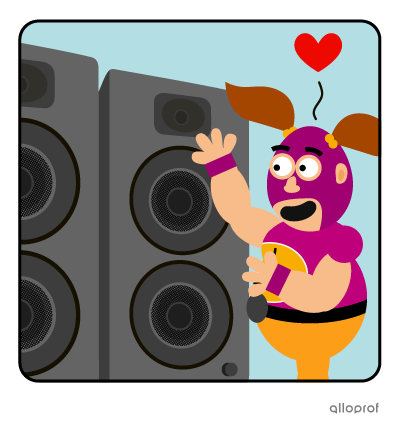 100%
100%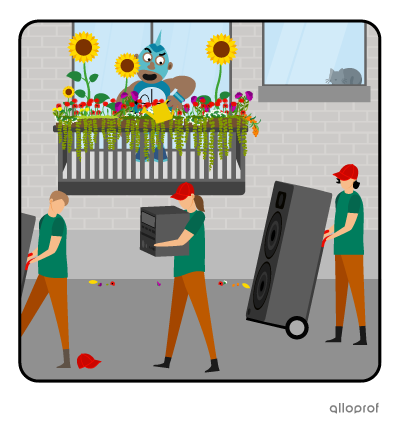 100%
100% 100%
100% 100%
100%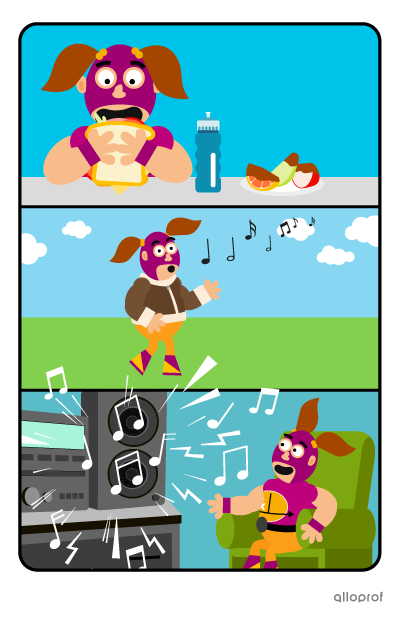 100%
100%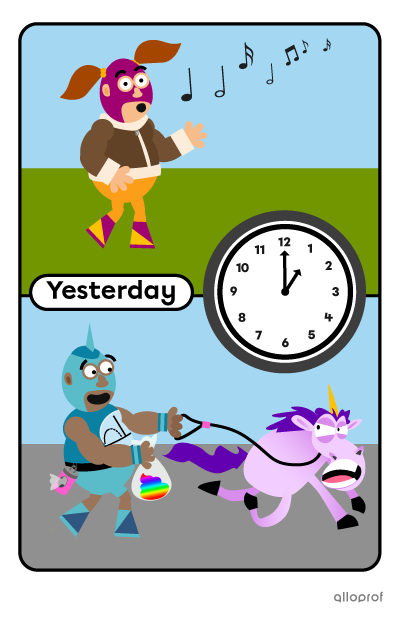 100%
100% 100%
100% 100%
100% 100%
100%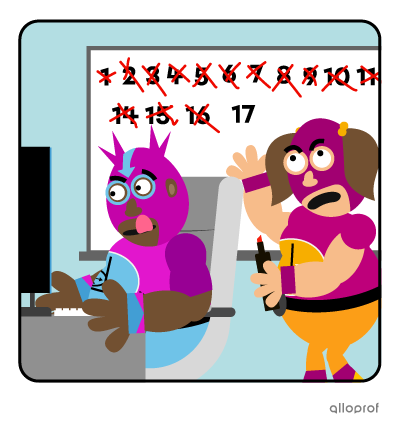 100%
100% 100%
100% 100%
100%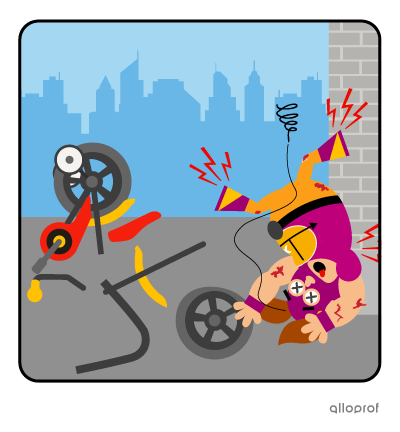 100%
100%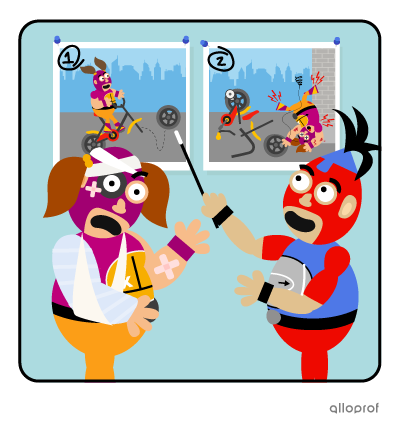 100%
100%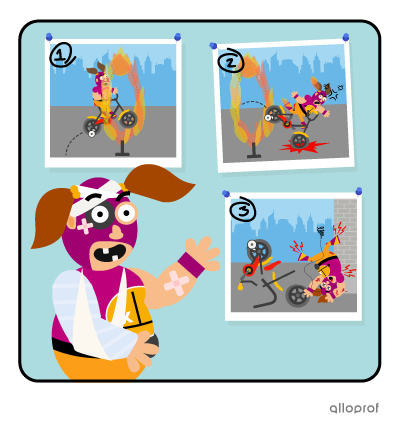 100%
100%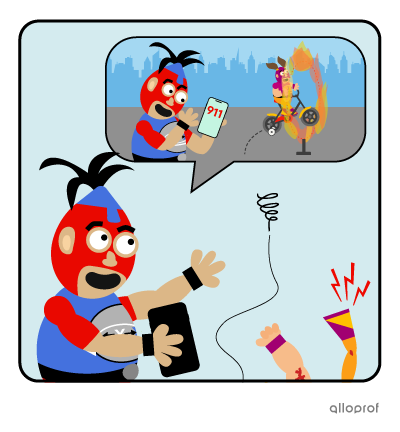 100%
100%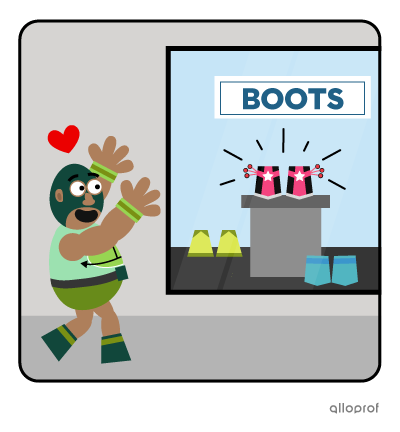 100%
100%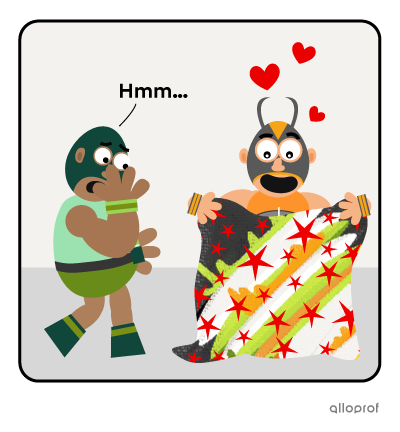 100%
100% 100%
100% 100%
100%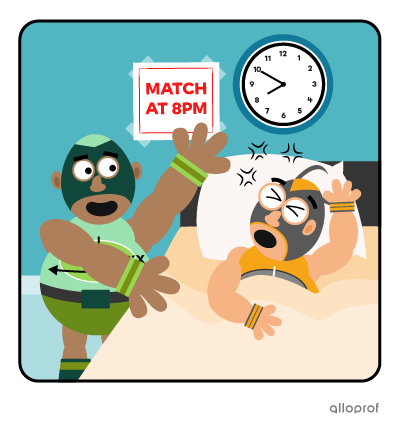 100%
100%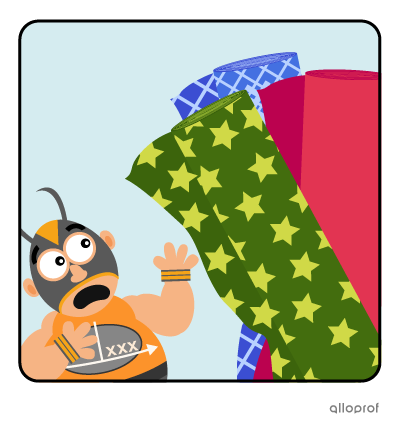 100%
100%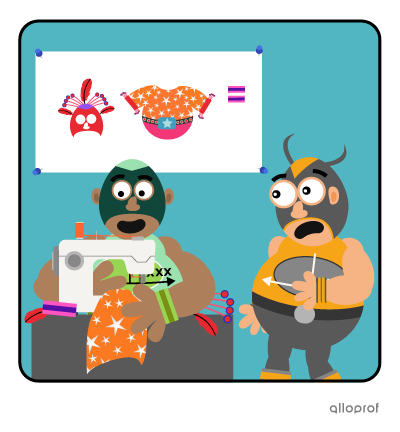 100%
100%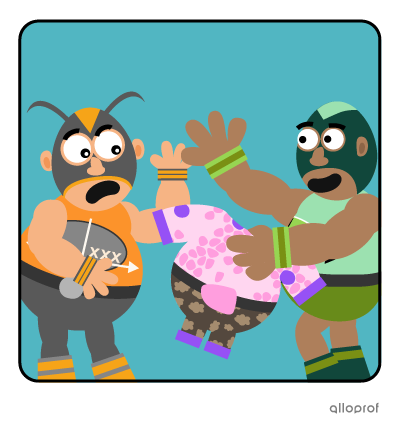
Verb tenses are used to express when actions and events take place. Some situations require the use of a specific verb tense according to the context.
Moments dans la vidéo :
Expresses:
Action & events in progress
Temporary actions & events
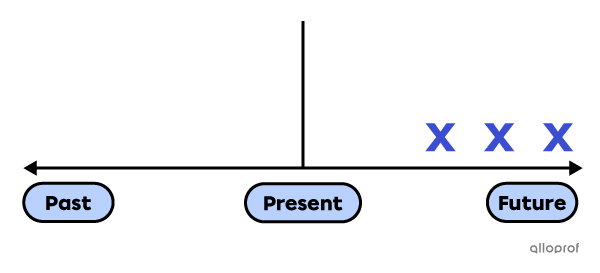
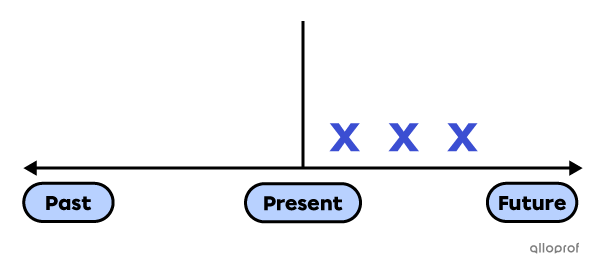
Future arrangements
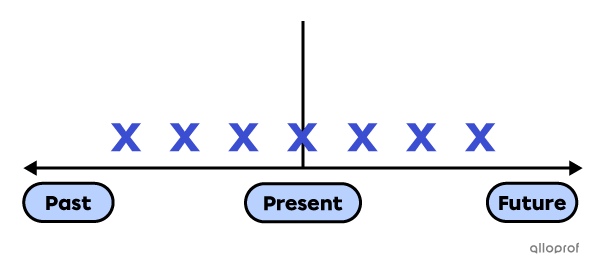
The simple present is stable, almost permanent and not happening at this moment.

The present continuous is in progress, incomplete at the present moment and temporary.
Repeated actions & events:
He paints portraits to relax.
It suggests:
He likes to paint.
He paints regularly.
It’s his hobby.
He painted in the past and will continue painting in the future.
Action & events in progress:
He is painting a portrait.
It suggests:
The portrait is not finished
He is working on the portrait.
It will be finished in the future.
The portrait is progressing.
Facts & Generalizations:
He plays the theremin very well.
It suggests:
He plays it regularly.
It is a pastime, a hobby.
He is an accomplished musician.
Temporary actions & events:
He is playing the triangle because his drum set is broken.
It suggests:
He does not usually play the triangle.
It is his instrument at the moment.
He will not play it for a long time.
It is a replacement for the time being.
Planned events:
He takes the bus at 7 a.m. tomorrow morning.
It suggests:
He has plans to leave tomorrow.
He already has a ticket.
He is packed and ready to go.
The bus follows a timetable: he did not decide the time.
The departure is almost certain.
Future arrangements:
Next Saturday, we are taking the new band picture.
It suggests:
There are plans for next Saturday.
The future event was arranged by friends.
The future event does not follow a timetable.
They have talked about it.
Expresses:
Past actions & events
Completed actions & events
Actions & events occurred in sequence: one after the other
Expresses:
Past actions & events
Actions & events still in progress at a particular time in the past
Actions & events interrupted by other actions or events
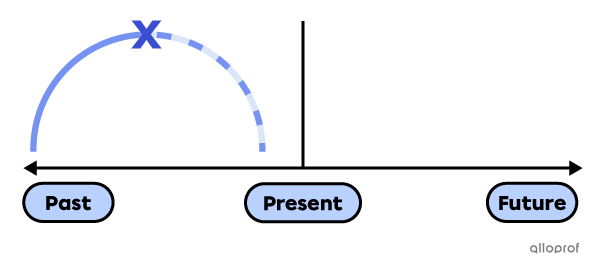
The simple past is over and finished. The simple past is often used to indicate when a past continuous action was taking place.
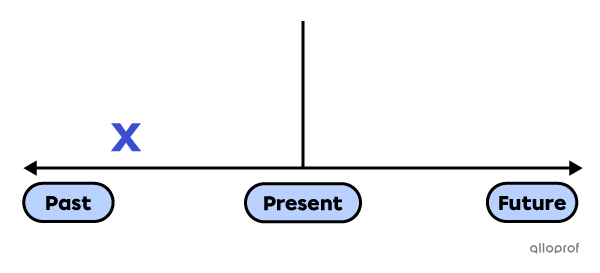
The past continuous is about a specific moment in the past when actions or events were in progress. A time or another action/event can be used to indicate the specific moment.
Past actions & events:
“The company delivered my equipment yesterday.”
It suggests:
The delivery happened in the past.
The delivery is completed.
Past actions & events:
“I was watering my plants when you received your equipment.”
It suggests:
The plants were watered in the past.
The watering is now completed.
The delivery happened during the action of watering the plants.
Completed actions & events:
“I installed the whole sound system before lunch.”
It suggests:
The installation is completed.
The system was installed in the past.
It is now after lunchtime.
Actions/events interrupted by other actions/events:
“I was taking a nap when you tested your sound system.”
It suggests:
The nap was interrupted by the tests.
The nap began before the tests.
The nap possibly continued after the tests.
The test happened at the same time the nap was in progress.
Action & events occurred in sequence:
“I had lunch, took a short walk and played a few songs.”
It suggests:
The 3 actions were completed.
The 3 actions took place one after the other.
Each action was completed before the following one started.
Actions & events still in progress at a particular time in the past:
“At 1 p.m. yesterday, you were taking a walk and I was walking my unicorn.”
It suggests:
The action took place in the past.
At 1 p.m. the 2 actions were still not completed.
At 1 p.m. both actions were still both in progress.
Expresses:
Past actions & events
Finished time: actions & events are concluded
Definite time: specific time periods
Expresses:
A present situation resulting from a past actions & events
Unfinished time: past actions & events not yet finished
Indefinite time: unspecified time periods when actions & events are repeated
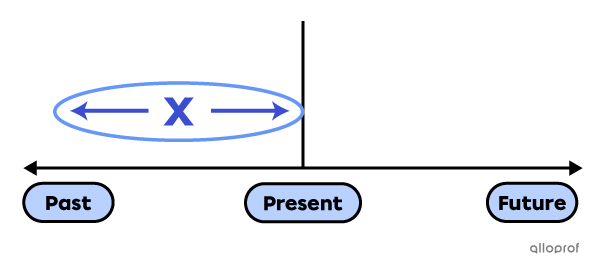
The simple past indicates that actions & events are finished. They occurred at definite time periods in the past and do not connect to the present.
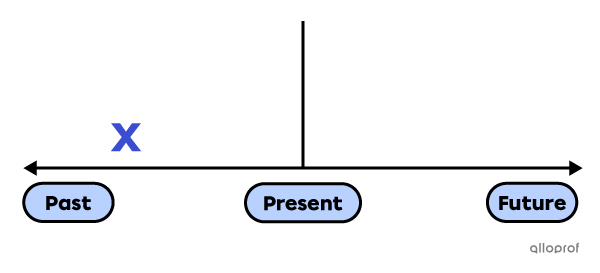
The present perfect connects the present to past actions & events. Action & events have already occurred or are yet to be completed. They have occurred repeatedly or at an unspecified time.
Past actions & events:
“We decided to work together on a project.”
It suggests:
They made the decision in the past.
The action is completed.
The action is not connected to any other action.
Present situation resulting from a past action:
For their project, they have built a robot.
It suggests:
A present result: the robot is ready.
The robot was recently completed.
The robot building took place in the past.
Finished time:
“Last week, I made some changes to the computer code.”
It suggests:
The week is over.
He made the changes in the past.
The modifications are completed.
Unfinished time and unfinished actions & events:
So far today, he has modified the computer code 17 times.
It suggests:
The day is not over yet.
Some modifications were made in the past.
Some additional modifications may still be done in the future.
He is not done making modifications.
Definite time:
This morning, all their hard work paid off.
It suggests:
The action happened at a definite time: this morning.
The action took place in the past.
Indefinite time:
“We have run into a lot of problems to get it working.”
It suggests:
The action was repeated in the past.
The time period when the action was repeated is not mentioned, it is indefinite.
Expresses:
Past actions & events
Completed actions & events
Actions & events that occurred one after the other
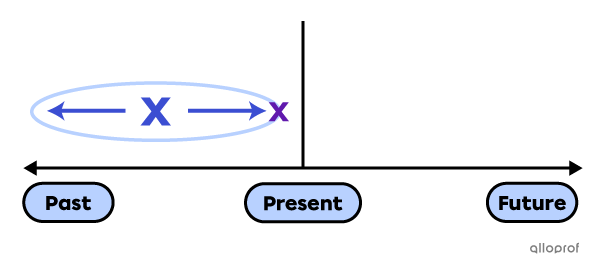
The simple past is completely done. The simple past can be used as context for the past perfect.

The past perfect indicates that a past action/event took place before another action/event or before a specific time. It refers to a moment in the past, earlier than another past moment. It is often used with the simple past tense.
It suggests:
The action happened in the past.
The action is completed.
Past actions/events before another past action/event:
“You had lost a wheel before you fell off.”
It suggests:
The action happened in the past.
The action had lost a wheel, took place before the action fell off.
Actions in sequence:
“I jumped through the fire, landed clumsily and hit the wall.”
It suggests:
The actions took place in the past.
The actions took place one after the other.
It is a sequence of actions.
Past actions/events before a moment in time:
“I had called the ambulance before your unfortunate landing.”
It suggests:
The action took place in the past.
The action took place before the landing.
The landing also took place in the past.
It suggests:
He has only just seen the boots.
He decided on the spot to buy them.
He had not planned to buy boots before seeing them.
He will buy the boots in the future.
It suggests:
He has plans to make the new costume.
The decision to make the costume was made in the past.
His intention is to make that costume in the future.
Prediction based on opinion:
“Everybody will love my new look!”
It suggests:
It’s a prediction based on what he thinks of his costume.
Not everyone will necessarily share his opinion.
It could be wishful thinking on his part.
Prediction based on evidence:
“I don’t think you are going to fit in it.”
It suggests:
The prediction is based on the costume being very small.
The evidence points to the prediction being accurate.
Future Facts:
“The match will start very soon!”
It suggests:
The match is scheduled for 8 p.m.
He is stating a fact about the time the match will start.
Unless there is a complication, the match will start at 8 p.m.
About to happen:
“Oh no, this is going to hurt.”
It suggests:
The fabric rolls are about to hit him.
The fabric rolls falling on him are only moments away.
The fabric rolls falling is inevitable.
Promises, requests, dreams & offers:
“Once I’m done with this suit, I will make you one too!”
It suggests:
He is promising to make another costume.
He will make that costume in the future.
The simple future with going to isn’t used for promises, requests, dreams & offers.
“I am not going to wear that!”
It suggests:
He is stating what he is not going to do.
He is making a statement, not a promise.