10 science activities to do at home

Article

Experiments aren’t just for professional chemists! If you have all the right ingredients, you can turn your kitchen into a small laboratory. Here are 10 science activities to do with your kids.

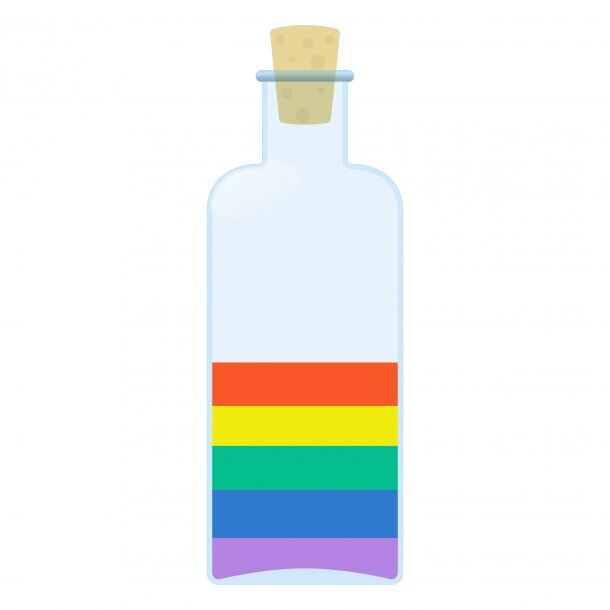
Rainbow in a jar experiment

By using ingredients you have on hand, your child can create a beautiful rainbow! Plus, it’s a great way for them to learn about the properties of different liquids. Before you begin, ask your child to come up with a few hypotheses:
  • Why do you think oil floats on water?
  • Do you think adding food colouring will have an effect?
  • If you dropped a marble in the jar, do you think it would sink through every colour of the rainbow?
  • Etc.
Image

Materials:

  • A clear jar (or glass)
  • ¼ cup of corn syrup mixed with 4 drops of purple food colouring
  • ¼ cup of blue dish soap
  • ¼ cup of water mixed with 4 drops of green food colouring
  • ¼ cup of olive oil
  • ¼ cup of rubbing alcohol mixed with 4 drops of red food colouring

Instructions:

  • Pour the corn syrup into your jar
  • Slowly pour in the dish soap
  • Pour in the water
  • Pour in the olive oil
  • Pour in the rubbing alcohol
  • Close the lid
  • See what happens

Walking water experiment

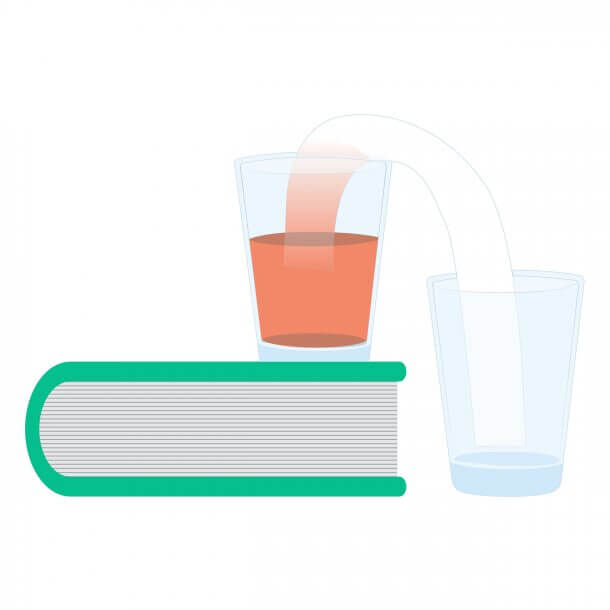
Capillarity is a phenomenon that occurs when a liquid comes into contact with a solid. Thanks to capillarity, we can control the flow of water. Before you begin, ask your child these questions:
  • Do you think this experiment would work without the paper towel?
  • How long do you think it will take for all the water to travel from one glass to the other?
  • Do you think we could create a similar system to water our plants while we’re away?
Image

Materials:

  • 2 clear glasses
  • A dictionary
  • 3 drops of food colouring
  • Water
  • A paper towel

Instructions:

  • Fill the glass with water and add drops of food colouring
  • Place it on top of the dictionary so it’s higher than the empty glass
  • Stick one end of your paper towel in the water, and the other in the empty glass
  • Watch and wait

Disappearing eggshell experiment

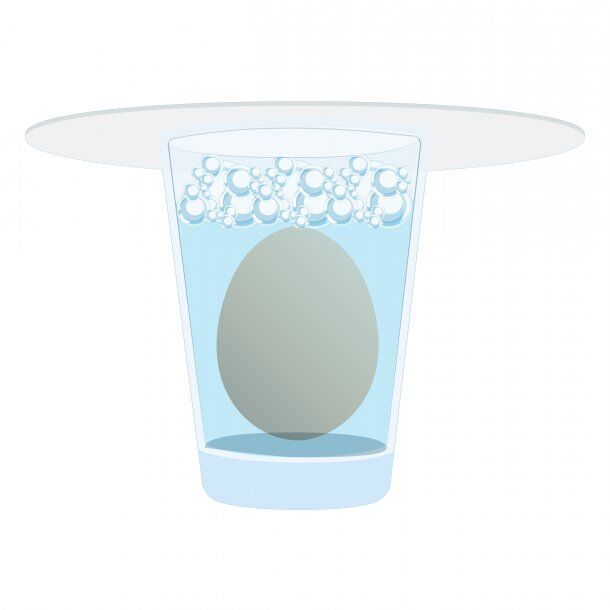
This activity requires a little patience, but it’s well worth the effort. The chemical reaction that occurs when the egg and vinegar meet is fascinating! Before getting started, ask your child to predict what will happen to the egg. We bet they’ll be surprised when the vinegar not only dissolves the shell, but also makes the egg rubbery!
Image

Materials:

  • A hard-boiled egg
  • Vinegar
  • A glass
  • A small plate

Instructions:

  • Place your hard-boiled egg in the glass
  • Pour in vinegar until the egg is completely submerged
  • Watch the immediate chemical reaction (many small bubbles will appear, indicating that the eggshell is dissolving)
  • Cover the glass with your small plate
  • Let sit in the fridge for 24 hours
  • Remove the egg from the vinegar
  • See what happens


Tips and tools

If the result isn’t conclusive, put the egg back in the glass with fresh vinegar and wait a few more hours.

Iceberg experiment

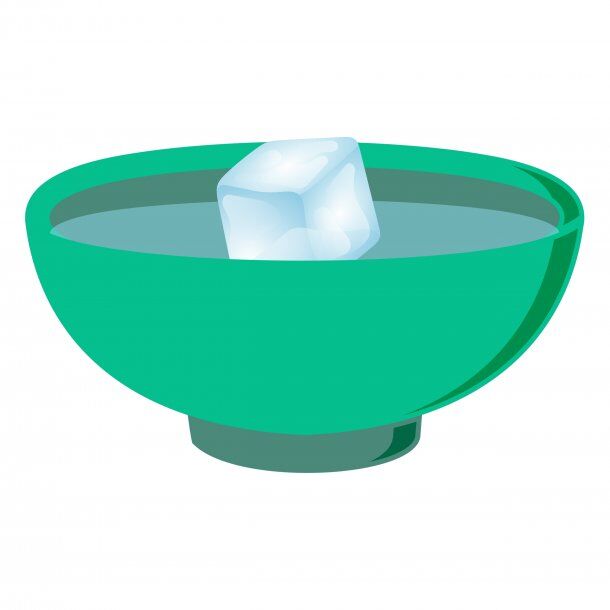
What do we know about icebergs? These chunks of ice are bigger than they look: 90 percent of their structure is underwater. Plus, they float thanks to their density: one litre of ice is lighter than one litre of water. During this activity, your child can answer the following questions:
  • Does the ice cube float?
  • How long does it take to melt?
  • Etc.
Image

Materials:

  • A big salad bowl
  • Food colouring
  • A plastic cup
  • Water
  • A freezer

Instructions:

  • Fill your cup with water and add a few drops of food colouring
  • Place the cup in the freezer for a few hours
  • Fill the salad bowl with water and let it sit at room temperature
  • Remove the cup from the freezer and cut the sides to free the ice cube
  • Place the ice cube in your bowl of water and see what happens

Pepper and soap experiment

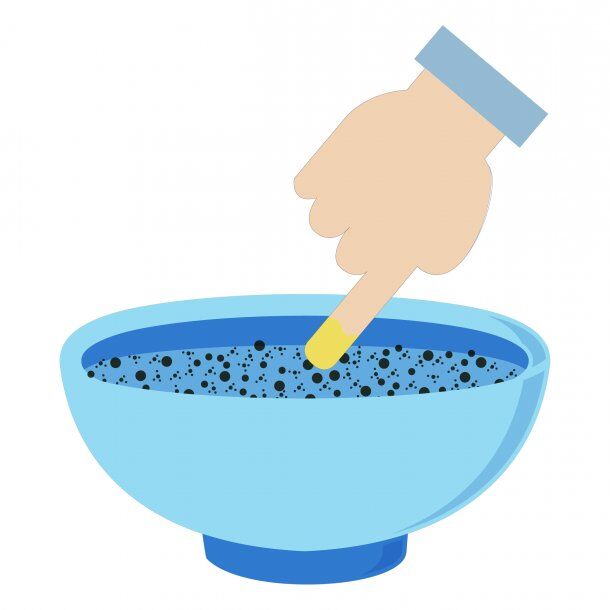
The following activity has more to do with physics than chemistry. The pepper-soap interaction is all about tension: dish soap breaks down the surface tension of the water and prevents the water molecules from sticking together.
Image

Materials:

  • A soup bowl
  • Ground pepper
  • Dish soap
  • Your hands

Instructions:

  • Pour a few centimetres of water into the bowl
  • Add enough pepper to cover the surface of the water
  • Dip your finger in the dish soap
  • Touch the surface of the water with your finger
  • See what happens

Elephant’s toothpaste experiment

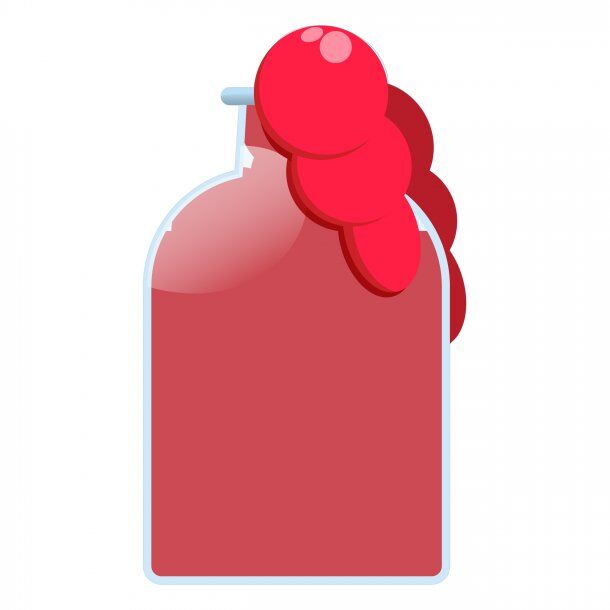
By combining a few household ingredients, your child can create an impressive chemical reaction worthy of Hollywood’s best special effects. Don’t worry, the resulting foam is non-toxic: when the hydrogen peroxide breaks down, it turns into oxygen and water. With a bit of imagination, the bubbling substance looks just like toothpaste fit for an elephant.
Image

Materials:

  • An empty water bottle
  • A bowl
  • 2 tbsp of warm water
  • 5 drops of food colouring
  • A large plate
  • ½ cup of 6% peroxide
  • 1 tbsp of yeast
  • A squirt of dish soap

Instructions:

  • Place the empty bottle on a large plate
  • Mix the water and yeast in a bowl
  • Combine the peroxide, food colouring, and dish soap in the bottle
  • Add the water and yeast mixture
  • See what happens

Lemon volcano experiment

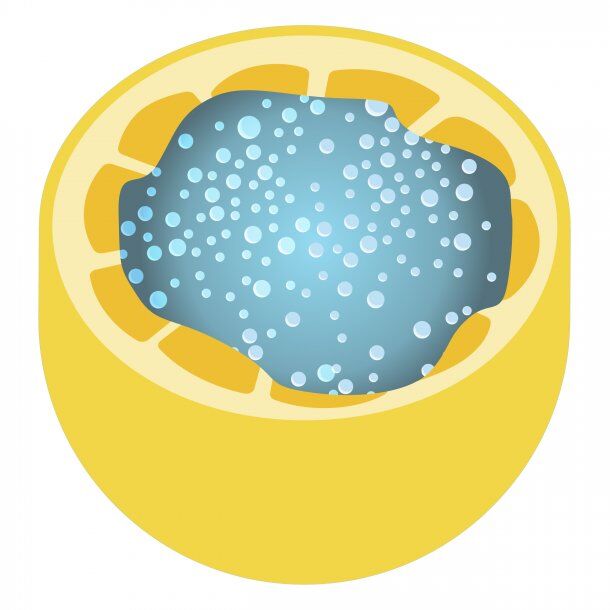
Combining citric acid and baking soda has explosive results! Since lemons are full of citric acid, why not help your child make their very own volcano? Before you start, see if they can guess what will happen.
Image

Materials:

  • A lemon
  • Red food colouring
  • Baking soda
  • A spoon
  • A plate
  • A small knife (to be handled by an adult)
  • Dish soap
  • Water

Instructions:

  • Ask an adult to slice the head off the lemon
  • Spoon out the lemon’s insides
  • Put 5 drops of food colouring inside the hollowed-out lemon
  • Add a spoonful of baking soda;
  • Add a few drops of dish soap
  • Stir with the spoon
  • Add a little water
  • See what happens

Jumping apple seeds experiment

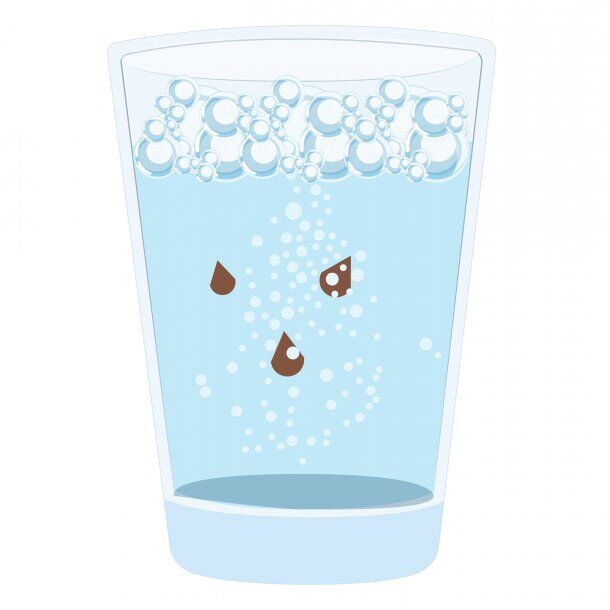
Thanks to the chemical reaction between baking soda and citric acid, it’s easy to bring a few apple seeds to life. Ask your child to take notes during this activity and to share their observations once it’s complete.
Image

Materials:

  • A glass
  • A spoon
  • Apple seeds
  • ⅔ tsp of baking soda
  • ½ cup of water
  • 1 tbsp of lemon juice

Instructions:

  • Sprinkle the baking soda into your glass
  • Add the water
  • Gently drop in the apple seeds
  • Add the lemon juice
  • See what happens (bubbles will form and make the seeds jump)

Chalk and vinegar experiment

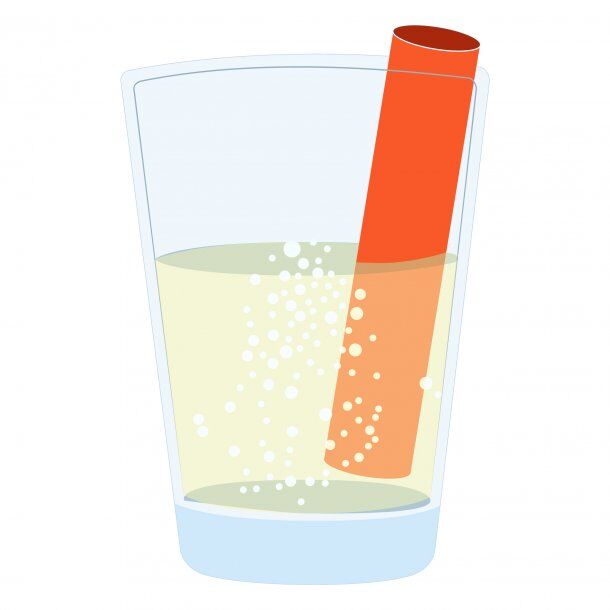
In this activity, vinegar’s acidity makes chalk—a soft type of limestone—vanish without a trace. You can ask your child to make a prediction: would the experiment work as well if they dipped their chalk in a soft drink instead of vinegar? Encourage them to test their hypothesis.
Image

Materials:

  • A clear glass
  • 1 cup of vinegar
  • Chalk

Instructions:

  • Pour the vinegar into a glass
  • Drop the chalk into the vinegar
  • See what happens

Sugar crystal experiment

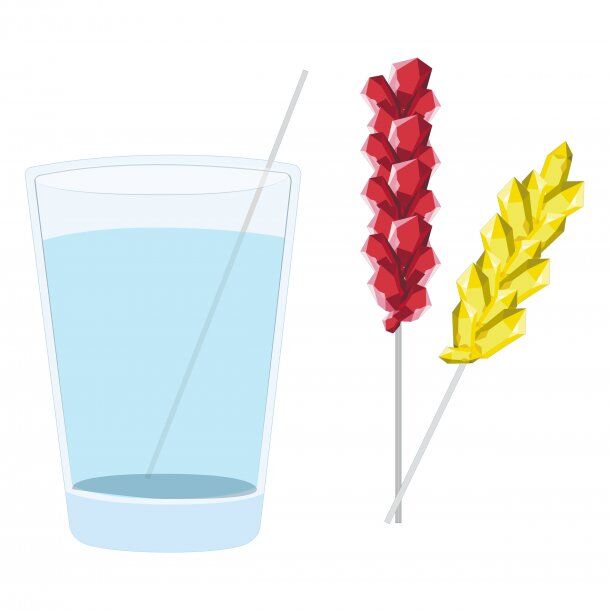
The crystallization of sugar involves a physical change, but no alteration of chemical properties. To help your child understand this phenomenon, try this interesting activity.
Image

Materials:

  • Water
  • 200 g of powdered sugar
  • Wooden skewers
  • A pot
  • A big, empty glass

Instructions:

  • Fill the pot two-thirds full with water
  • Bring it to a low simmer
  • Add the powdered sugar and stir until it dissolves completely
  • Once the water begins to boil, remove it from the heat
  • Pour it into your large glass
  • Dip the wooden skewers in the water
  • Let them sit for a few days
  • See what happens
Did you know

A monthly donation of $10 allows Alloprof to provide 800 educational interactions to students in need of its services throughout the year. By making a monthly donation to the organization, you are helping to ensure that those services remain free of charge and that all young people in Quebec have an equal opportunity to succeed.

Collaborators

Writing : Alloprof Parents’ team

References