How to beat summer learning loss
Beyond being a much-anticipated break from school, the summer holidays are an essential opportunity for students to develop and express their creativity outside of academic frameworks. Unsurprisingly, the summer break has significant mental health benefits. But while it is absolutely necessary, it also tends to affect learning retention.
According to a number of studies, most students forget the equivalent of about one to three months of learning over the course of the summer, particularly in the areas of reading and mathematics. Summer learning loss is also greater among allophone students and students with learning difficulties. That said, education researcher Megan Kuhfeld has found that 22 to 38 percent of students actually make learning gains over the summer. This suggests that summer learning loss could be preventable.
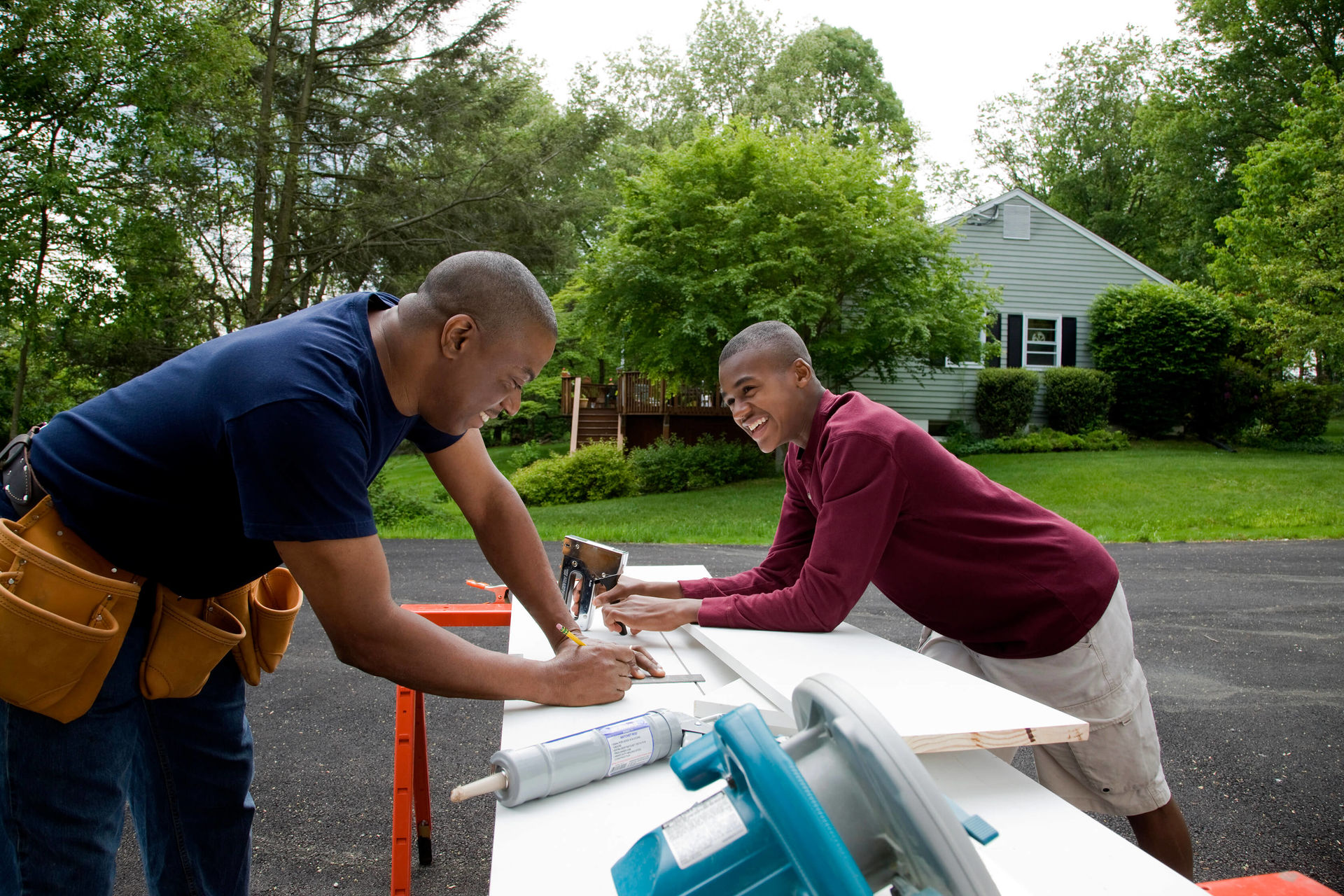

Table of contents
Suggested activities to prevent learning loss
Encourage your child to try a few of these activities to counter summer learning loss:
Daily activities
| Play games involving investigation and deduction | Learn to sew, crochet, or knit | Make a dish by following a recipe | Play board games |
| Take on an entrepreneurial project | Write or record book or movie reviews and post them online | Write a comic strip |
Build a model using recycled materials
|
| Play chess or cards | Do a science experiment | Record mathematical data (amount of rainfall, number of books read, etc.) | Visit a museum or library |
Autres idées
- Enrol in a summer camp
- Review concepts from the previous school year or years prior using books that cover the essentials of Quebec government curriculum (e.g., The Express series published by Éditions Caractère)
For kids, every task requires a certain amount of effort and reflection. Their brains have to work hard to process and sort information. This is why avoiding cognitive overload and ensuring a balance between learning and enjoyment is so important.
Involving your child in everyday tasks
Are you renovating a room in your home? Ask if your child would like to help you pick out materials, calculate quantities, compare prices, etc. Being part of a real project will make them more motivated to get involved.
The importance of reading
As every teacher knows, there is no overstating the importance of good reading skills when it comes to academic success. Reading is part of everyday life, and students who are good readers generally do better across all school subjects. This means that when you encourage your child every day to maintain good reading habits, you are not only helping them improve their skills as a reader, but also giving them a leg up in other academic areas. And remember—books are not the only way to practise reading! Switching up where, when, and what your child reads (cereal boxes, advertising posters, etc.) will make the activity even more stimulating.
Should your child take private lessons?
Many parents consider hiring a resource teacher, speech therapist, tutor, or other professional over the summer to help their child retain what they learned during the school year. Opting for these types of private lessons is a great idea! That said, be careful to avoid cognitive overload. Learning should always be fun and stimulating for your child so that they stay motivated and willing to apply themself.
Finally, summer is the perfect time for your child to broaden their interests. Being adventurous and trying out different activities may just lead them to discover a new passion!
References