The kid everyone talks about
This year, our kids are in the same class. You’ll come to see that my son is friendly, cheerful, and attentive and has all kinds of fantastic ideas. He loves playing with other kids and will probably greet yours with an enthusiastic “Hello!” every morning, or whenever they cross paths in the schoolyard.
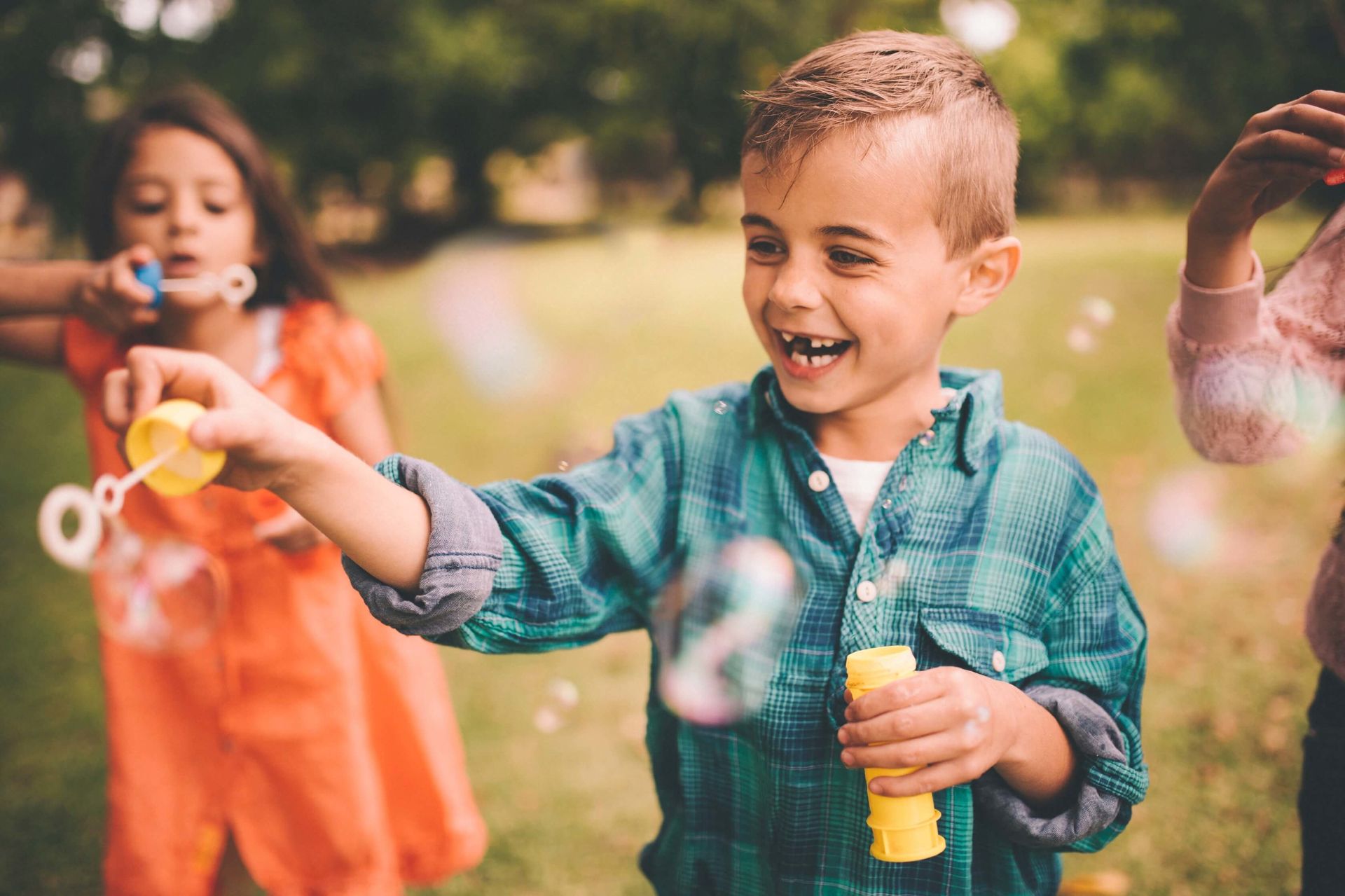

As the year progresses, you’ll also learn that my son is very energetic (some would say rambunctious), occasionally (often unintentionally) blunt, and easily distracted. You’ll notice that he makes irritating, repetitive noises now and then, and sometimes has an unusual way of communicating with your child.
Long story short, if you spend enough time with my son, you’ll come to realize that he’s different.
He’s on the autism spectrum and has ADHD, and he has quite a few unique and sometimes startling behaviours. But if you keep your heart and mind open, you’ll see that he’s much more than his diagnoses. Above all, he’s a child, like yours, who just wants to make friends.
If your child comes home one day and says, “There’s a really annoying kid at school” or “This boy wouldn’t stop shouting at lunch,” I hope you won’t make any snap judgments.
Instead, I hope you’ll seize the opportunity to teach your child about the beauty of openness, acceptance, inclusion, and difference. I hope you’ll explain that my son isn’t mean and that he’s probably doing his best every day to behave properly. I hope you’ll say that the “annoying kid” probably has trouble understanding certain social norms, and that speaking softly for more than a few minutes may be a struggle (because in his mind, they seem like hours!).
I hope you’ll take the time to explain that everyone is different and has their own strengths and weaknesses.
That we all strive to better ourselves every day, and that my son probably needs to work even harder than the rest of us.
I also hope you’ll encourage your child to get to know my son and invite him to play.
I hope your child will accept his weaknesses along with his strengths. If you have the time (I know life can be hectic), I also hope you’ll take a moment to research my son’s diagnoses and ask questions. I hope you’ll try to learn more about all the different people your child might meet during their education. We tend to fear what we don’t understand. With knowledge comes understanding, and with understanding comes compassion.
To conclude, I’d like to say:
Thank you.
Thank you for taking the time to educate your child—and I don’t just mean by teaching them the alphabet and how to count to ten.
Thank you for teaching them to be welcoming, accepting, and inclusive.
Thank you for teaching them how to live in society and the importance of taking care of others, whoever they may be.
Finally, thank you for helping to build an environment where my son can feel secure, appreciated, and valued for who he is.