What Is Eco-hope?

The alarmist narratives and bleak predictions for the future that dominate the news directly affect young people’s mental health. Eco-anxiety is the term commonly used to describe the various possible reactions to environmental issues—sadness, guilt, feelings of powerlessness, anger, denial, etc. While it is perfectly normal to feel overwhelmed by the climate crisis, eco-anxiety can be paralyzing. That said, when properly channelled, “eco-emotions” can become a powerful force for change.
There are many tools you can use as a parent to help your child turn their eco-anxiety into eco-hope. Here are a few recommended strategies.
Show That You Are Committed to Doing What You Can to Fight Climate Change
Young people often hear that their generation is headed for some major challenges, yet those challenges are not theirs to take on alone. Climate change affects each and every one of us, and we must all aim to reduce our environmental impact, starting today. As a parent, you need to demonstrate awareness of the climate crisis and show your child that you care about environmental issues. Seeing that you are concerned about humanity’s future will influence the young people around you. In addition, if you encourage them to talk about the future, they may feel more motivated to act.
Give Back to Your Community As a Family
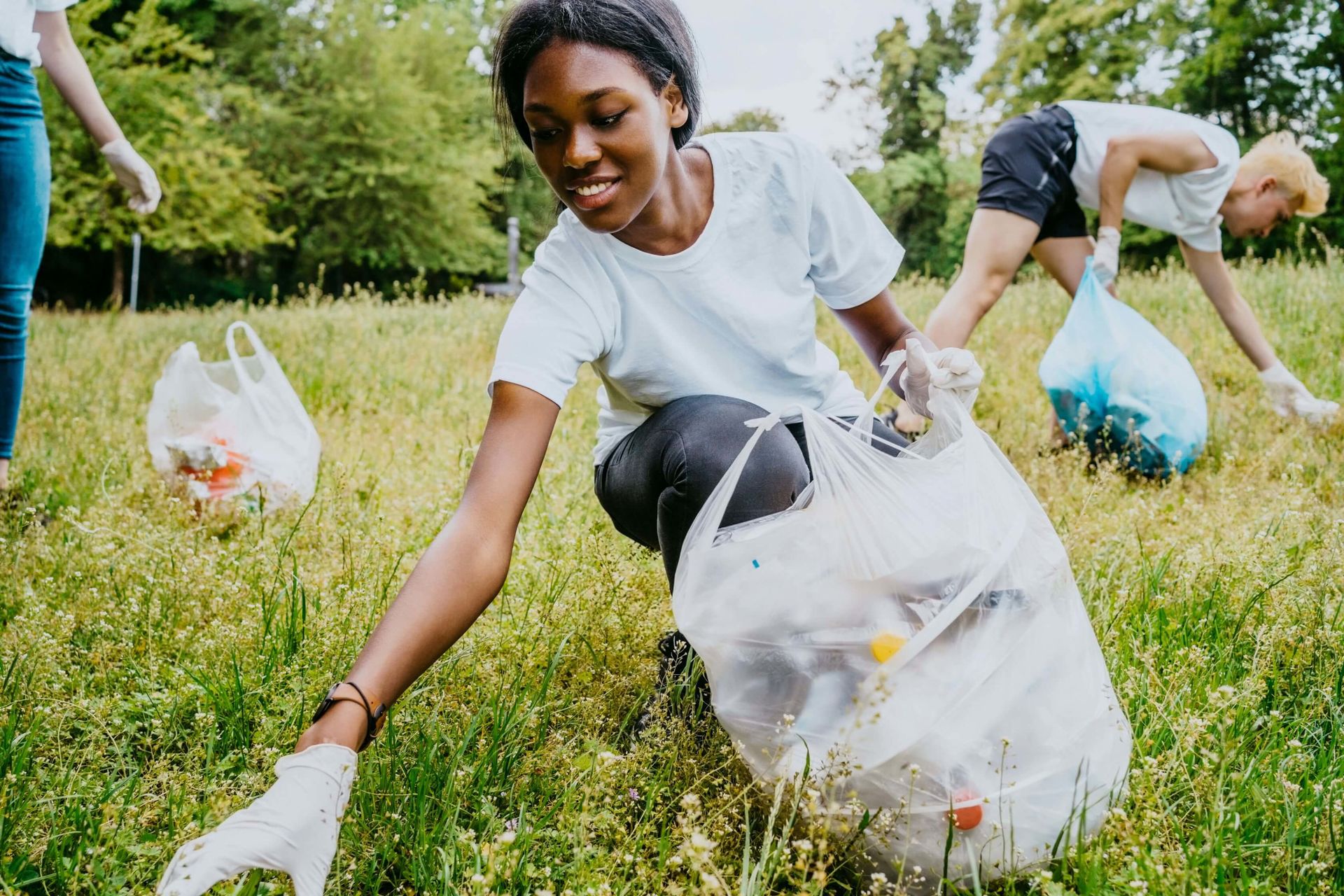
Awareness of socio-environmental issues and society’s collective inaction with regard to those issues are the main causes of eco-anxiety. To avoid resorting to defence mechanisms such as paralysis, avoidance, and denial, we need to learn how to cope by being part of the solution—in other words, by taking action. One way you can do this is by participating in environmental activities in your community:
-
Tree planting
-
Community gardening
-
Cleanup events
-
Protests
-
Public consultations
-
Etc.
You and your child are citizens, and you have the right to make your voices heard.
Regularly Spend Time in Nature with Your Family
Contact with nature has the power to reduce stress and anxiety, boost our energy levels, and improve our mood and concentration (Montreal Heart Institute, 2021 [link in French]). Moreover, talking about how to protect the environment will never be enough if we do not fully appreciate why it matters. To care about nature, we must first connect with it and realize that our lives depend on it. From going on picnics to playing sports at the park to taking after-dinner strolls, there are plenty of ways to enjoy the great outdoors in every season.
Doctors can now give their patients nature prescriptions (link in French)—proof that a dose of the outdoors really can improve your health!
Above all, remember that it is essential to find the right balance between doing what you can to make a difference and not succumbing to mental overload or the nagging sense that you should be doing more. It is only when everyone contributes that communities can really start to move the needle.