Environmental Education: How to Raise your Child's Awareness
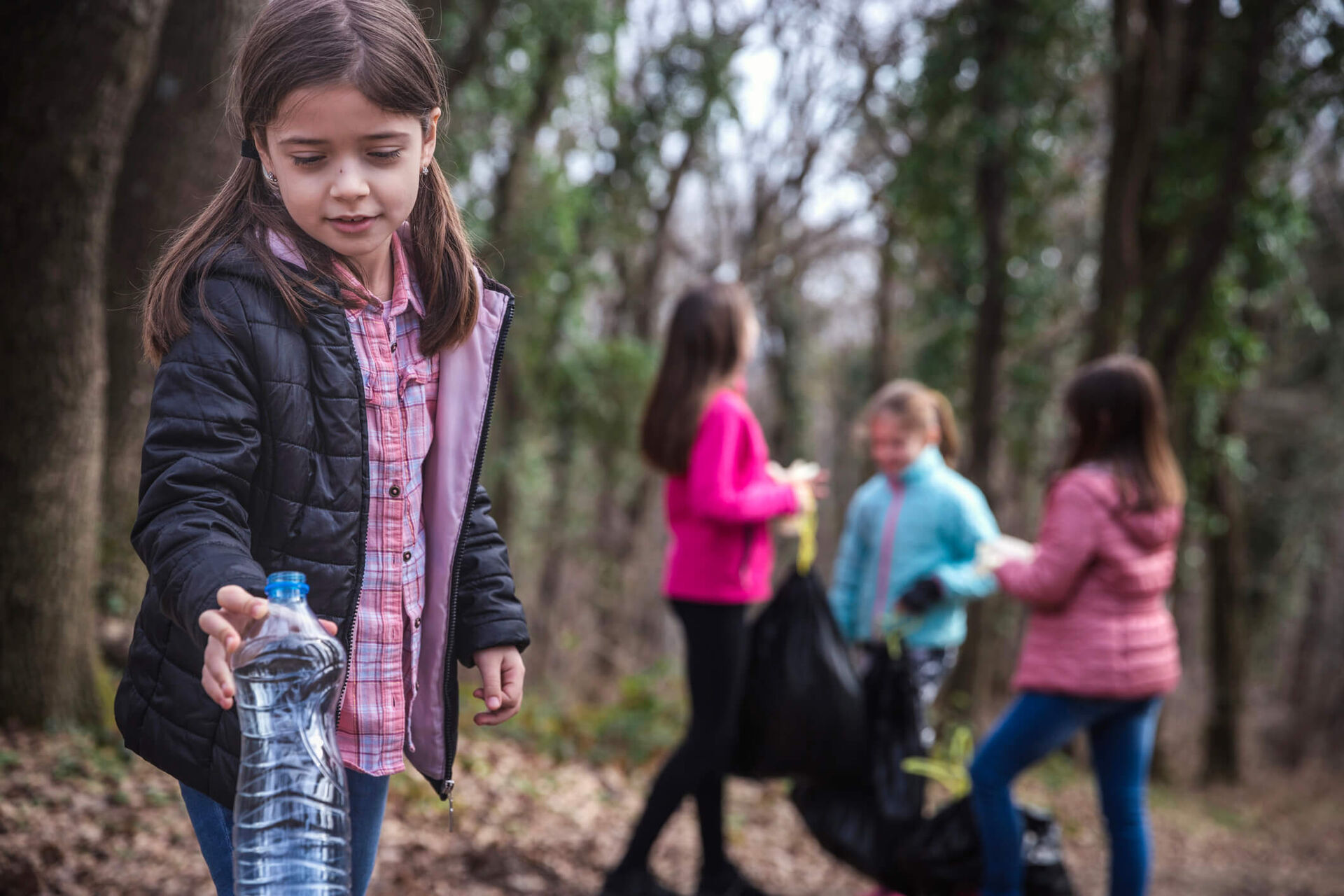

According to the UN, education is the best way to combat climate change. (UN, 2023) Young people first start learning at home. Interactions with family members, routines, and everyday experiences play a key role in the development of their intellectual, emotional, and social skills. If you foster an environment where caring for the earth is part of your family values, your child will develop a respect for nature and essential skills to face the greatest challenge of this century.
Here are a few recommendations for making your home a place that supports the development of environmental responsibility and ecological citizenship skills.
Lead by Example
Be a role model for your family by integrating environmentally friendly behaviours into your daily life. Show your children how to refuse, reduce, reuse, repair, and recycle, for example, by saving water and energy and practising responsible consumption.
Do Interactive Activities
Get the whole family involved in interactive activities related to the environment, such as gardening, composting, cleaning up the neighbourhood, or preserving a habitat. These hands-on activities strengthen our connection with the environment.
Explore Nature
Organize outdoor outings to a park, a nature reserve, or simply your own backyard. Encourage your children to observe plants, animals, and natural elements to stimulate their curiosity and a love of nature.
Give Your Kids Eco-friendly Challenges
Teach them how to make natural, eco-friendly cleaning products, or have them help pick out groceries or plant and maintain the family garden. Adapt these tasks to your children’s ages and interests to make them a positive, fun educational experience.
The endless possibilities offered by environmental education can transform your worldview and make the environment a new and enriching source of inspiration for your family activities!