Fostering your Child’s Environmental Citizenship
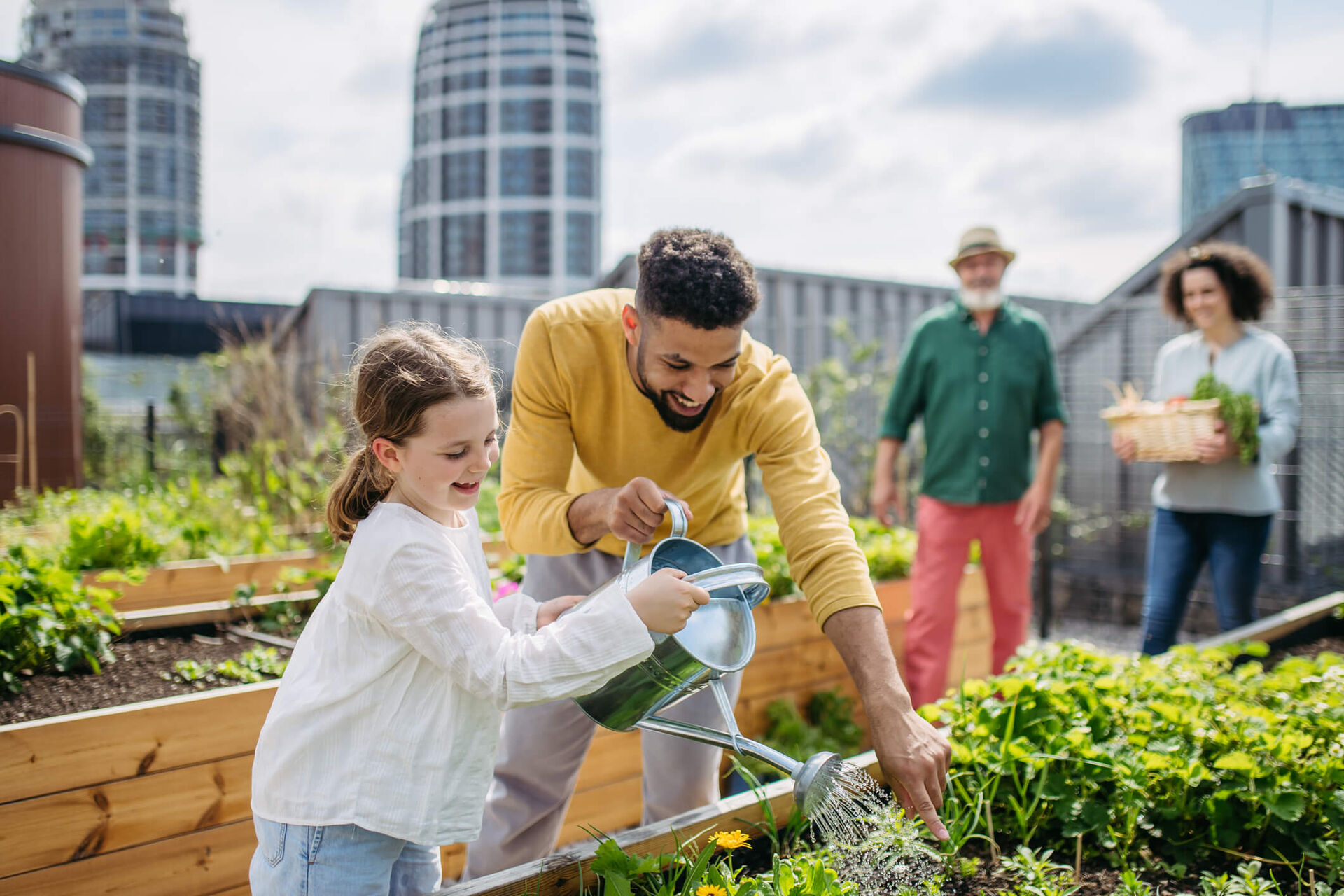

Environmental citizenship goes beyond integrating earth-friendly habits into our daily lives. To be active environmental citizens, we must extend our sense of civic duty to environmental issues. We must acknowledge that the earth is a precious ecosystem that we share with all living things, and each of us is responsible for taking action in our communities to preserve it. Perhaps most importantly, we must help our children develop the skills and knowledge they need to become, as Lucie Sauvé puts it, critical, creative, and engaged environmental citizens who understand the relationships between society and nature and who are both equipped and eager to participate in public debates and the transformation of policies and eco-social practices.
Here are three ways to develop your children’s environmental citizenship skills.
Talk about Topical Issues
Discussing current events helps children develop a deeper understanding of the world around them and provides an opportunity to introduce key civics concepts such as democracy, human rights, social justice, and civic responsibility. Moreover, when young people learn about social and environmental issues, they will likely be inspired to ask questions, share their opinions, and take action to change the status quo. Ultimately, this new awareness may foster a sense of responsibility towards their community.
Volunteer
Volunteering introduces children to the idea of being an active citizen and encourages them to make a positive contribution to society and to be responsible members of their community. By taking part in volunteer activities, they may also gain a better understanding of social issues and learn to be agents of positive change.
Participate in Public Consultations
Participating in public consultations gives your child a better understanding of the social and political issues that shape society, as well as a greater awareness of our environment and our impact on it. By discussing social issues and taking part in debates, they learn to consider issues from different perspectives and form thoughtful opinions, as well as develop a sense of belonging to their community. As a result, they develop a stronger emotional bond with their environment and a desire for continued engagement.
Practising environmental citizenship as a family is a great way to contribute to your child’s civic education, foster their intellectual and emotional development, and strengthen your relationship through meaningful conversations.