How to Teach My Child the Importance of Biodiversity
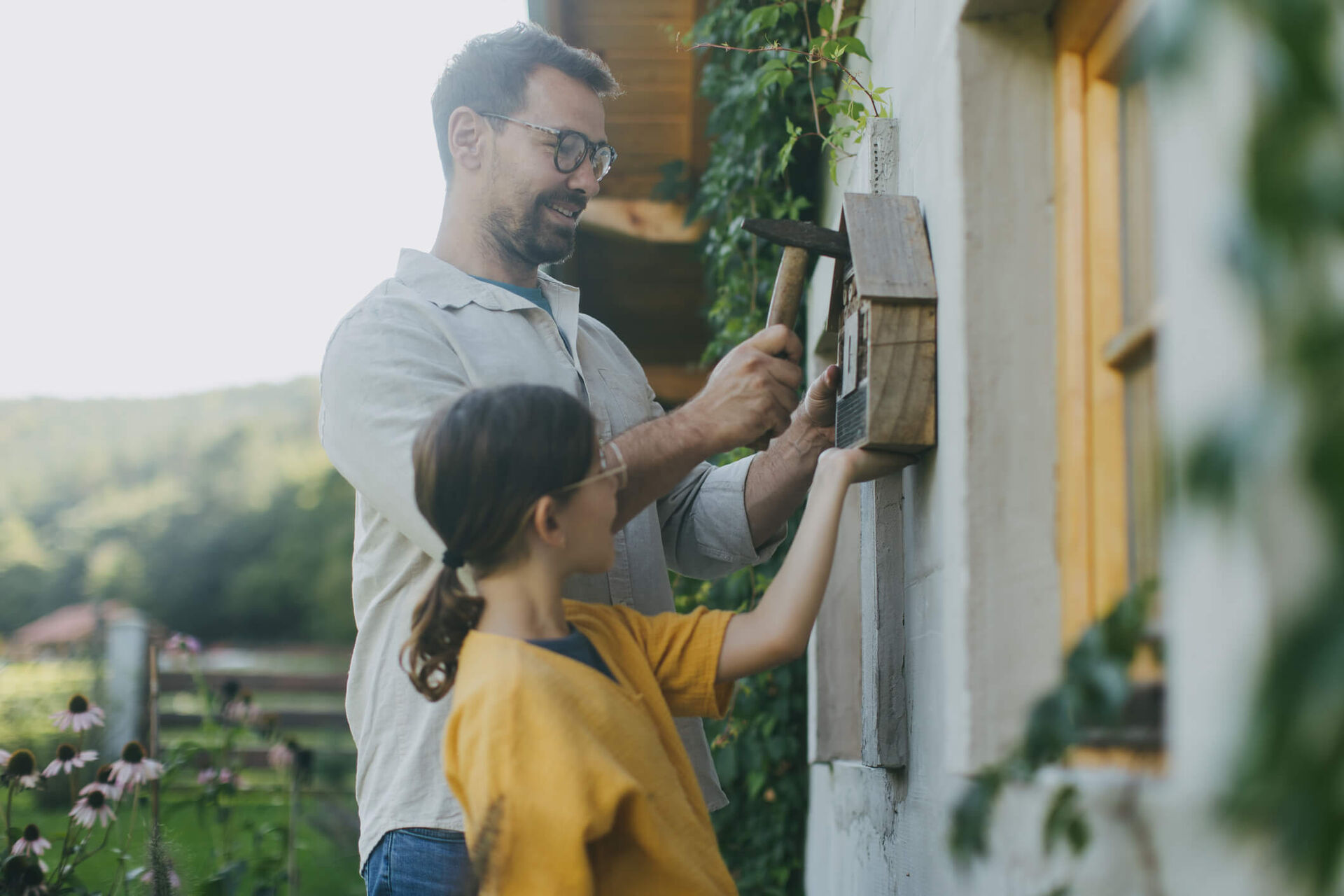

Between 20% and 50% of all living species on Earth could disappear by the end of the 21st century. At least that’s what some specialists believe, including Elizabeth Kolbert in her book The 6th Extinction: An Unnatural History. Scientific research has shown that human activities and behaviours disrupt the balance and interconnectedness of the world’s ecosystems, putting our very survival at risk. There are a number of simple and effective things you can do at home to raise your child’s awareness and take concrete action in response to this critical issue.
Use Documentaries and Books to Highlight the Importance of Biodiversity
Though many people know that certain species are endangered, the urgent need to act is not as well understood. Watching a topical documentary or reading a book can be a good starting point to greater awareness. Why not set aside a Saturday evening to marvel at the beauty of nature while learning about the importance of preserving it? Here are some suggestions:
- Animal, a documentary by Maison4tiers (in French)
- Ocean Seen from the Heart, a documentary by Maison4tiers
- Atik - Gardien du territoire, a documentary (in French)
- Wild Feast, a documentary by maison4tiers
- Hubert Reeves nous explique : La biodiversité (in French)
Go Outside and Discover Local Biodiversity
When it comes to raising awareness about biodiversity, there’s nothing better than hands-on activities that give youth a chance to observe nature up close. Take your child out into nature, whether to a local park, nature reserve, or even just your own backyard. Spend time observing the different plants, insects, birds, and other animals. Apps can be a great tool for identifying local flora and fauna while you are out and about:
- The Seek application by inaturalist records observations and lets you participate in the Biodiversity Challenge
- The Merlin Bird ID or BirdNET applications identify birds by song, or even by photo
- Nature Conservancy of Canada’s BioBlitz project encourages Canadians to help scientists with species documentation while having fun in nature.
Create Pollinator-Friendly Spaces
Pollinators are vitally important for our ecosystems. They pollinate wild plants, regulate pest populations, and play a role in food production. Try planting a pollinator-friendly garden as a family and filling it with a variety of flowers, vegetables, and herbs that attract different species of insects and birds. By creating spaces for pollinators, we preserve their invaluable contribution to our ecosystems and contribute to food security.
Here are a few tips on how to cultivate an eco-friendly outdoor space:
- Say no to grass (link in French) and sow clover instead
- Plant native species in your flowerbeds
- Take a differential mowing approach to your green spaces (link in French)
- Participate in the Dandelion Challenge (link in French)
- Stop using chemical pesticides and fertilizers
- Water your garden naturally by using rainwater harvesting barrels
Hands-on learning is always an effective way to teach youth the importance of biodiversity issues. Involve your child in planting and garden care tasks. Caring for a garden is known to ease anxiety and offers many physical and mental health benefits. Encourage your child to handle the soil, observe plants, sow seeds, water crops, and watch the flowers grow.