My special-needs child is starting kindergarten
The first year of kindergarten is a big step in your child’s life, one that’s sure to bring up all sorts of emotions. You may feel anxious, proud, happy, and sad all at once. Your child was a baby not so long ago, and now you’re watching them start school!
This transition can be especially anxiety-provoking if you have a child with special needs, such as autism spectrum disorder, attention-deficit/hyperactivity disorder (ADHD), behavioural disorders, or physical or intellectual disabilities.
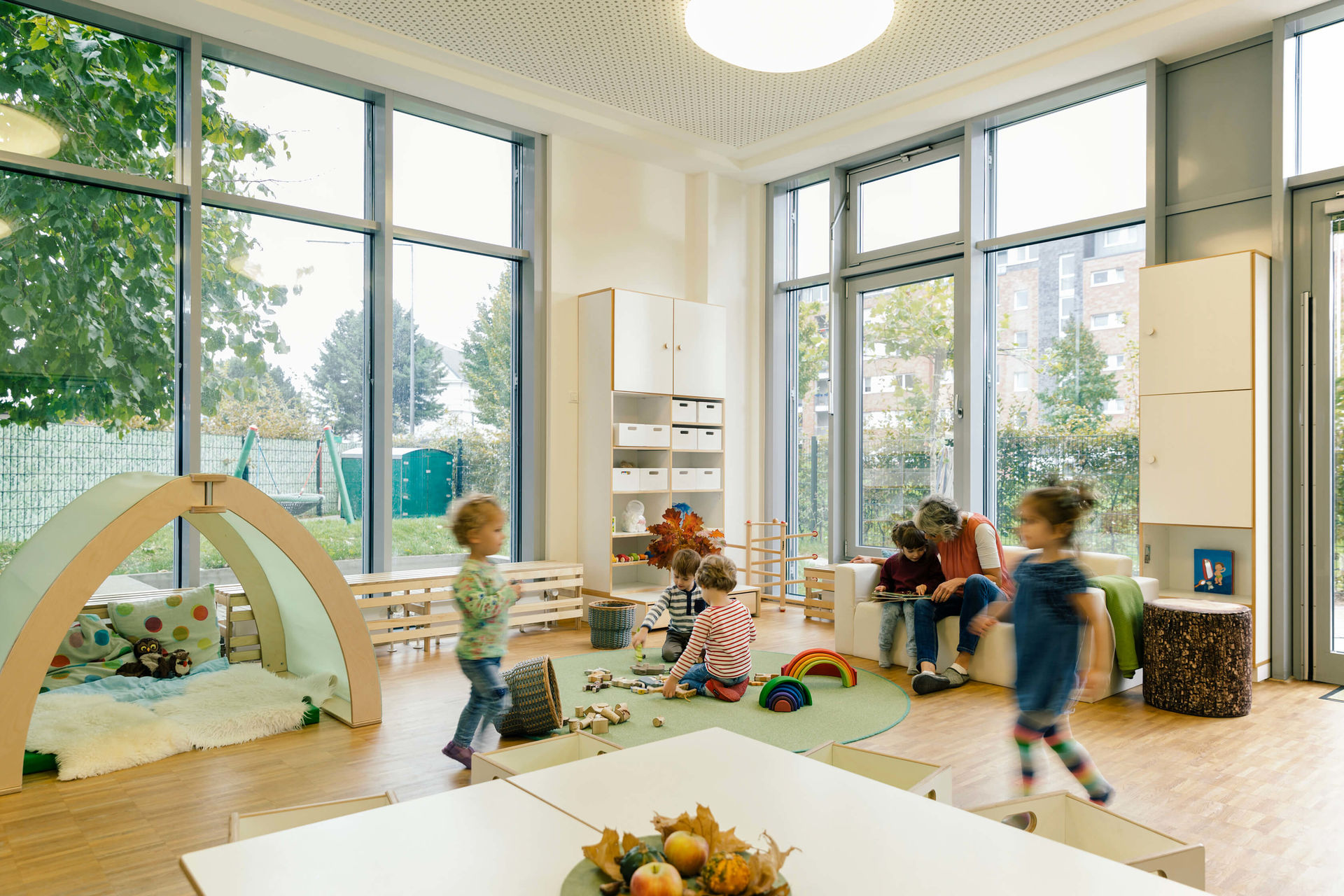

How the school team can help
Fortunately, whether your child is entering a regular or special education classroom, the school team will be there to help them adapt. They’re the most qualified to offer support and reassurance, both to you and your child!
In the first few weeks of kindergarten, the school team will get to know the new children, identify their strengths and challenges, and form bonds with them.
For children with special needs, an individualized education plan (IEP) may be drawn up. This tool is used to identify your child’s goals and outline a few strategies to help them succeed. Your child can use it for as long as they need throughout their education. It may take a few months to finalize, as the school will want to try out different strategies with your child before including them in their plan. The school staff will be able to guide you through the process.
A few tips to ease the transition
In the meantime, here are a few things you can do to make this big step less daunting:
Visit the kindergarten before the first day of school. Lots of parents and children find it reassuring to scope out the new school ahead of time. Some kindergartens will let you visit the classroom a few days before the school year begins, but if this isn’t possible, you can always visit the schoolyard. Some children, and particularly those on the autism spectrum, like to familiarize themselves with new environments. Here’s a tip: When you’re there, take photos so you can look at them later at home.
Write a short letter to the teacher describing your child’s personality. You can mention their strengths, interests, and challenges, as well as any methods or strategies that are generally effective with them. This information will be useful for your child’s teacher at the start of the school year.
Play school with your child. Make-believe is a natural way for children to explore new experiences, learn, and manage their emotions. For instance, you can pretend to ride the bus, teach (or attend) a class, eat at the school cafeteria, line up for recess, and more.
Identify and validate your child’s emotions. At this age, children are still too young to fully understand what they’re feeling and need help to recognize their emotions. If they can untangle what’s going on inside their heads, they’ll have an easier time facing this new challenge. One option is to print a series of images representing different emotions. Before the start of the school year, and in the first days of kindergarten, you can ask your child to point to how they’re feeling.
Give lots of affection. Hugging and cuddling your child, making eye contact, holding their hand, and spending quality time with them are all ways to reduce stress. That’s because these behaviours have been shown to support the production of a feel-good super-hormone: oxytocin. Showing affection will have a calming effect on both you and your child. So sneak in a hug whenever you want!
Remember, change is not a bad thing. All children, even those with special needs, can make the leap to kindergarten with the right support. Have a great year!
References