My son the bookworm
At my house, the first thing you see when you walk in is our bookcase: a hulking black giant with book-laden shelves and a TV in the middle. It’s the perfect entertainment centre!
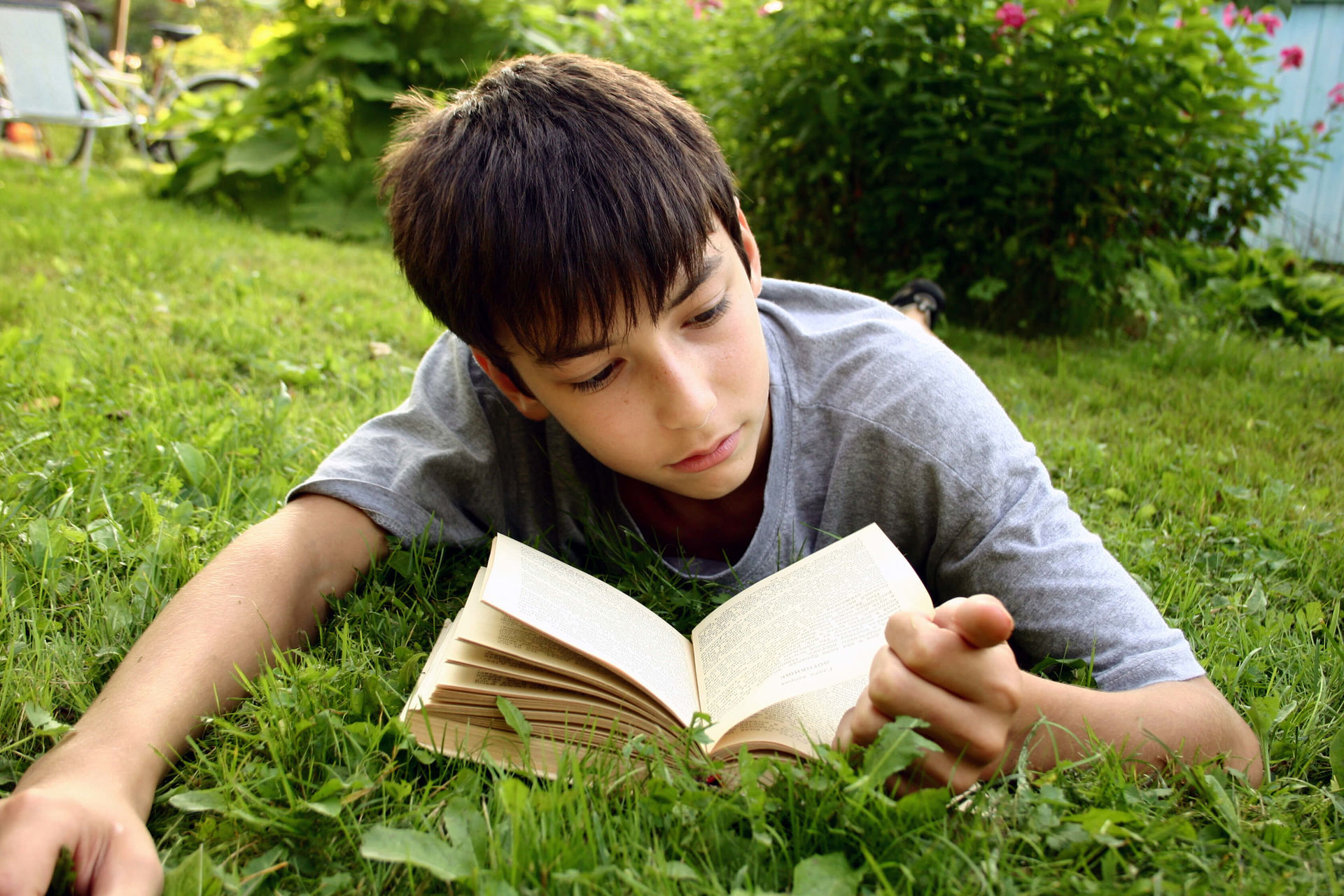

After a long day at work, there’s nothing better than curling up with a good book. Whether you prefer thousand-page tomes, best-selling novels, or lighthearted comic books, reading is a great outlet for day-to-day frustrations. And believe me, when you have an autistic teenager, you can store up quite a few!
When I’m riding the metro home from work? I read.
On vacation? I read.
Staying in on a rainy day? I read.
My son Laurent is exactly the same.
Because of his learning difficulties, school is much more demanding for him than for other kids, and he needs a moment to unwind before and after doing his homework.
When he gets home from school, his brain is still buzzing, even though he’s had the bus ride to relax! Reading is what truly makes him feel calm.
A snack paired with a good book has become his after-school routine.
An apple enjoyed with a classic Tintin adventure! A novel does the trick too, but my son can’t get enough of Hergé’s beloved cartoon reporter.
How many times have I heard him recite lines in a perfect imitation of Captain Haddock?
Mimic Thomson and Thompson or Professor Calculus?
Ask me endless questions about the story he’s reading, especially about the Incas (The Temple of the Sun) and Native Americans (Tintin in America)?
At this point, I’ve lost count!
Whenever he acts out stories in his room, you can hear him yelling “Blistering barnacles!” through the walls! After he’s had some time to catch up with his fictional hero, I can tell my son is more relaxed and in a better mindset to start his homework.
Did you know? Using reading as a therapeutic practice is known as bibliotherapy. If you have a library card, you can benefit from this simple healing activity for free!
Additionnal links
Section Alloprof :
