How screen time affects academic success
Worrying and parenthood go hand in hand. These days, many parents are particularly worried about screen time. Can you relate? If you want to know whether screens are compatible with academic success, here is some food for thought.
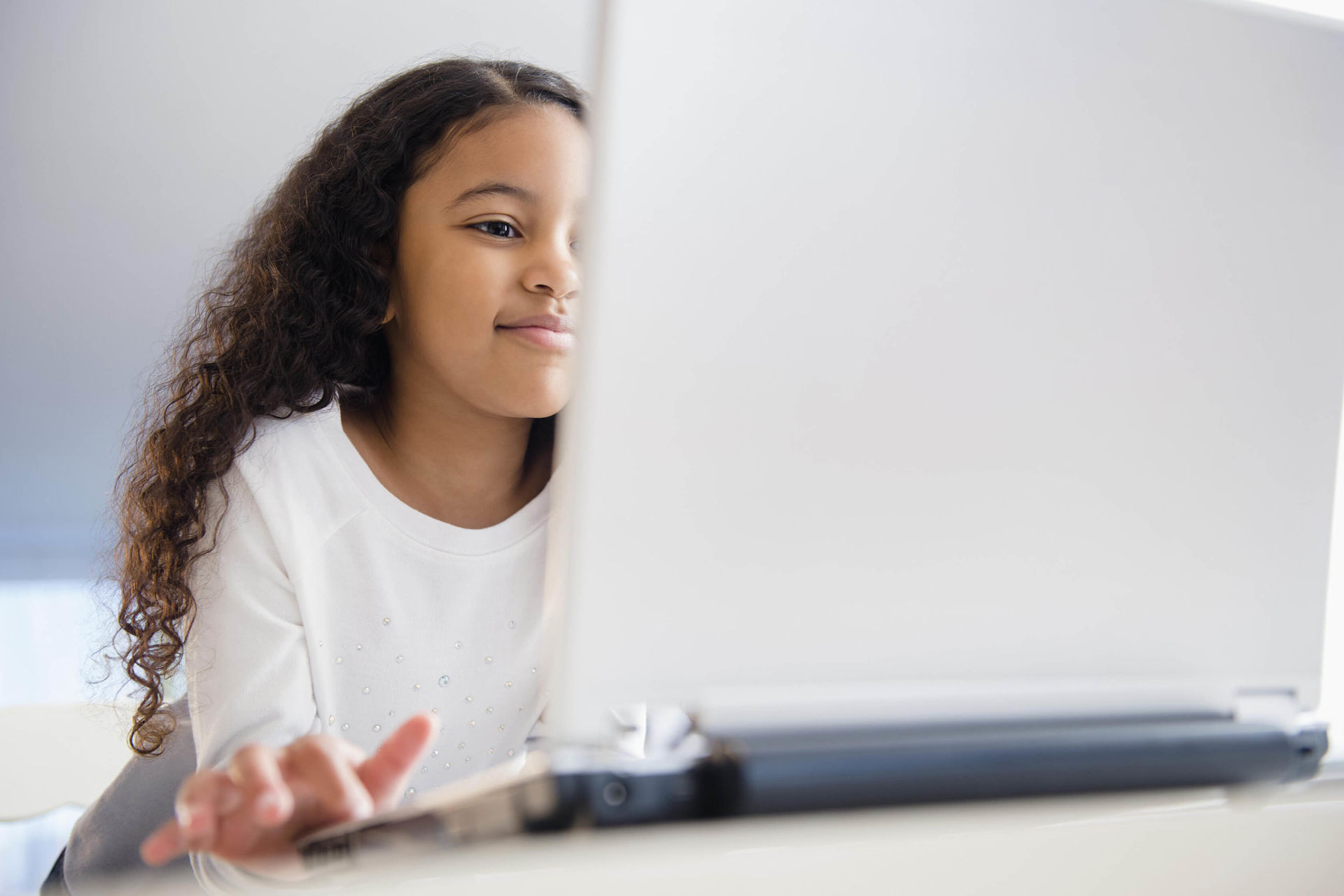

A matter of balance
Like almost everything else in life, time using screen devices is a matter of balance. However, when it comes to digital gadgets, it takes more than just monitoring screen time to achieve that balance. You also have to factor in the type of content your child views, when they use screens, what type of personality they have, and traits such as age, maturity, and personal vulnerabilities. For this reason, you should try to keep an eye on how much time your child spends online. Between using the internet for school and in their spare time, the hours can add up quickly. Balanced technology use also means making time for offline activities such as hobbies and socializing.
Different kinds of screen time have different consequences
Not all screen time is equal! The risks vary depending on how screens are used. Its wide range of consequences include the following:
- Physical impacts (sedentary lifestyle, overweight, sleep and vision problems, etc.)
- Psychological impacts (decreased well-being, anxiety, etc.)
- Social impacts (isolation, reduced social skills, etc.)
- Academic impacts (decreased performance and concentration, etc.)
Screen time for academic purposes and screen time for leisure do not have the same psychological or social consequences. Using an educational app or software, for instance, is different from scrolling through social media or spending hours online playing video games. Some screen time, such as viewing educational content, has added value. However, you need to be vigilant and make sure this content is genuinely educational and effectively tailored to your child’s age. Sometimes, screen time can be more risky for children, especially if they come across sites that contain ads, that use techniques similar to a game of chance or gambling, or that encourage them to stay online for longer than anticipated.
In addition, for young children, going screen-free is always the best method to promote learning.
Physical impacts
Though not all forms of screen time are equal, they all pose the same physical risks. For the body, screen time is simply screen time! You need to be mindful to avoid certain side effects, such as :
- Eye problems
- Poor posture
- Overweight
- Issues with sleep quality and quantity (related to problems with concentration, attention, memory, emotional management, stress, etc.)
It is important to make sure to understand both the harmful effects of screens as well as the ways in which some screen time can have a positive impact.
As a parent, what can you do?
To support your child’s academic success, do not hesitate to set clear rules about screen time that cover these points:
- How much time your child is allowed to spend playing games
- What type of content they can view
- When they are allowed to use screen devices
These three elements are key to balanced technology use. Establishing rules will also give your child the best chance at doing well in school.
Here are seven tips that will help you manage your child’s screen time:
- Specify exactly how much screen time is allowed—a maximum number of hours per day or per week.[1]
- Take your child’s homework into account when setting limits on daily screen time.
- Make sure all screen devices are put away at least an hour before bedtime.
- Choose unifying, interactive, and educational content.
- Aim for no screens during homework time (unless an assignment requires one, of course). Your child will undoubtedly tell you that they can do two things at once, but remember that multitasking always has a negative impact on learning.
- Turn off sound notifications on your child’s devices so they can concentrate on what they are doing.
- Make sure that screen time is not causing your child to neglect their other passions or preventing them from spending time with friends and family.
To get a better idea of your child’s screen time and help them work toward balanced technology use, you can ask their teacher about the following:
- How screens are used in the classroom
- How many hours students spend online during class
- The types of online activities they do
- Etc.
For many, managing screen time is a big challenge. Given that we live in a society where everyone is expected to be connected at all times, this is no great surprise. As a parent, you can strive to be a role model, dare to set boundaries, and encourage open dialogue. For help or advice, visit the PAUSE website.
