Teaching your child to use social media responsibly
Once upon a time in the West, there was a cowboy who could shoot faster than his shadow. Today, there’s a new breed of cowboy on social media: they post so fast they don’t have time to think about the possible consequences!
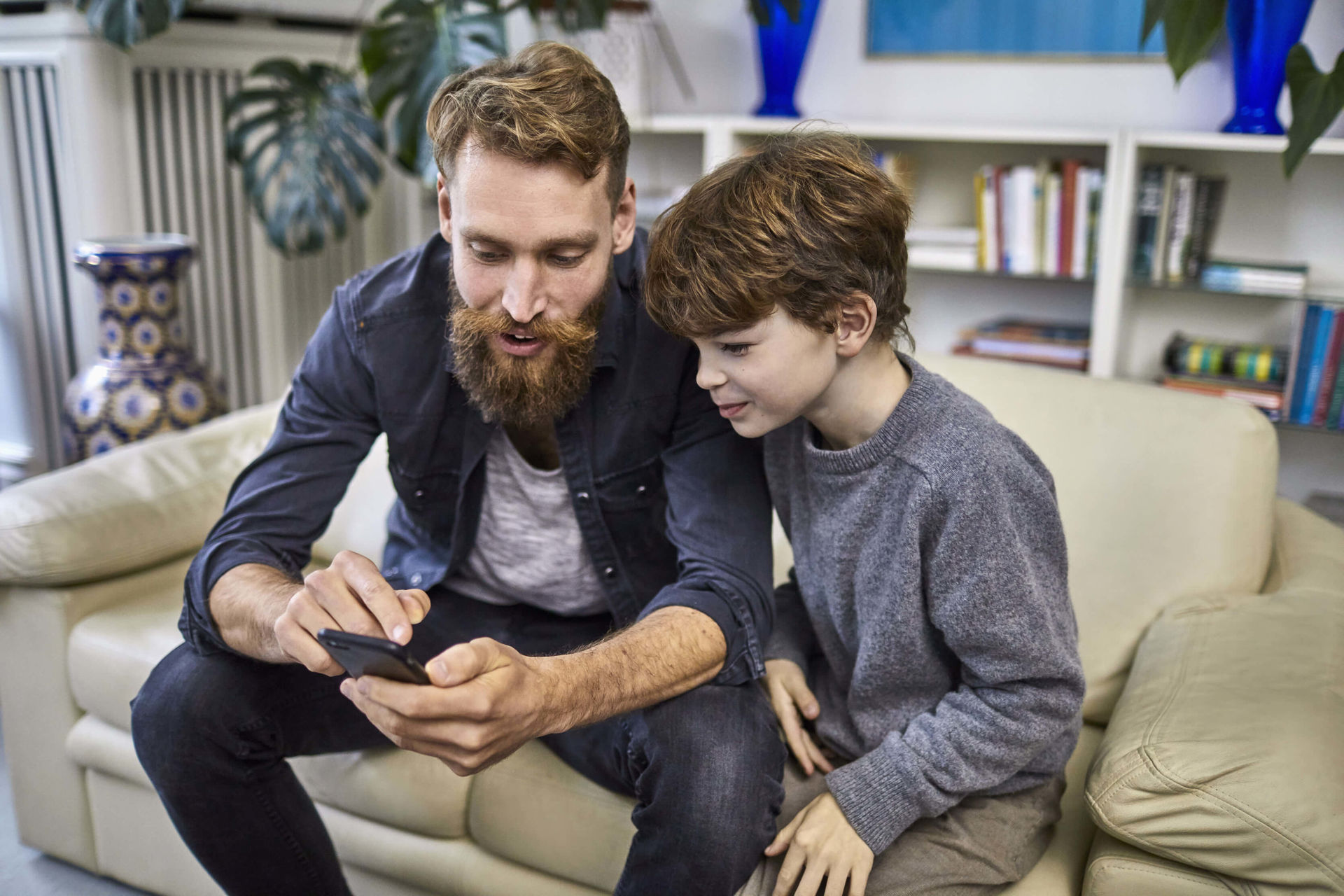

When I check my social media feeds, I’m always surprised by how casually some people post relatively intimate details about their personal lives, potentially compromising photos, controversial opinions, fake news, or offensive comments.
The internet and social media are like a modern-day Wild West!
Given the uglier side of social media, it’s not surprising that many parents fixate on the negatives, their first instinct being to label it as harmful and to forbid their kids from using it. This may not be the best response, however.
For better or for worse, social media is here to stay. And there’s more to it than dubious posts and its other downsides. Social media platforms have plenty of good points, too:
- They make it easier to support or donate to charitable causes
- They help people stay connected to their loved ones
- They can be a source of genuinely funny and entertaining content
- They can help locate lost pets and other items
- They can reunite old friends who’ve lost touch over the years
- They make it easier to obtain work references and recommendations
- They’re great for promoting new products and services
- Etc.
In being overprotective or refusing access to social media, we risk depriving our kids of all its benefits—not to mention they’ll likely feel isolated from their peers, most of whom are sure to be active users. This approach is a sure-fire way to get kids to go behind our backs. Worse still, they’d be doing so without having been taught how to use social media responsibly.
So, if we shouldn’t ban our kids from using social media, does that mean they should be allowed to do whatever they want? I believe the real solution is finding the right balance.
Here are a few tips on how to supervise your child’s social media use while gradually teaching them to be internet savvy:
Before your child gets onto social media (e.g., age 8 to 13), explain what it is and get them thinking about various issues:
- Have open, nuanced conversations about social media—discuss both the pros and the cons
- Now and then, show your child different social media platforms and the types of content people post (e.g., your social media feeds)
- Talk to your child about how they think social media is used; discuss how what they post might affect other people and vice versa
- Always ask for your child’s permission before posting pictures of them online; this is a subtle way of letting them know that sharing photos is not a trivial matter
- Explain the difference between social media (centred on entertainment, advertising, opinions) and more credible sources of information (e.g., official, regulated news agencies)
When your child starts using social media (e.g., age 13):
- Make sure their account and privacy settings are secure
- Monitor their activity at first, but let them know that they’ll gradually have more freedom as they learn to be responsible users
- Explain the importance of treating others online with the same respect they’d show if they were speaking face-to-face
- Teach them to think long and hard before they post anything online
- Make sure they understand that anything they post may be out there forever, even if they delete it (people might take screenshots of the post, for example)
- Explain that anyone can be on social media—not just friends and family, but also scammers and online predators Encourage them to think carefully about whom they decide to friend online
Remember: think once before you act, think twice before you speak, and think three times before you post on Facebook.