Subjects
Grades
 100%
100%
 100%
100%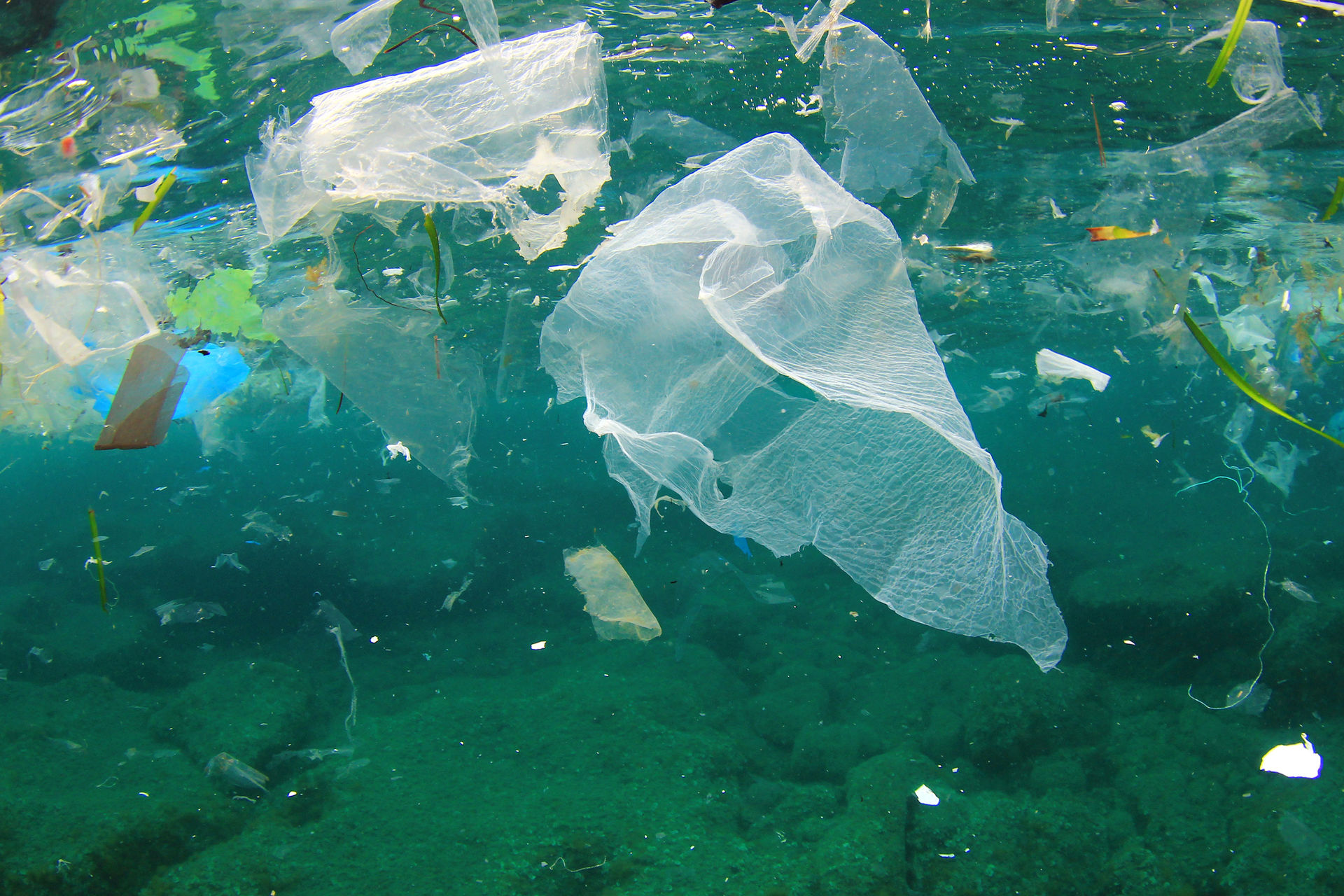 100%
100%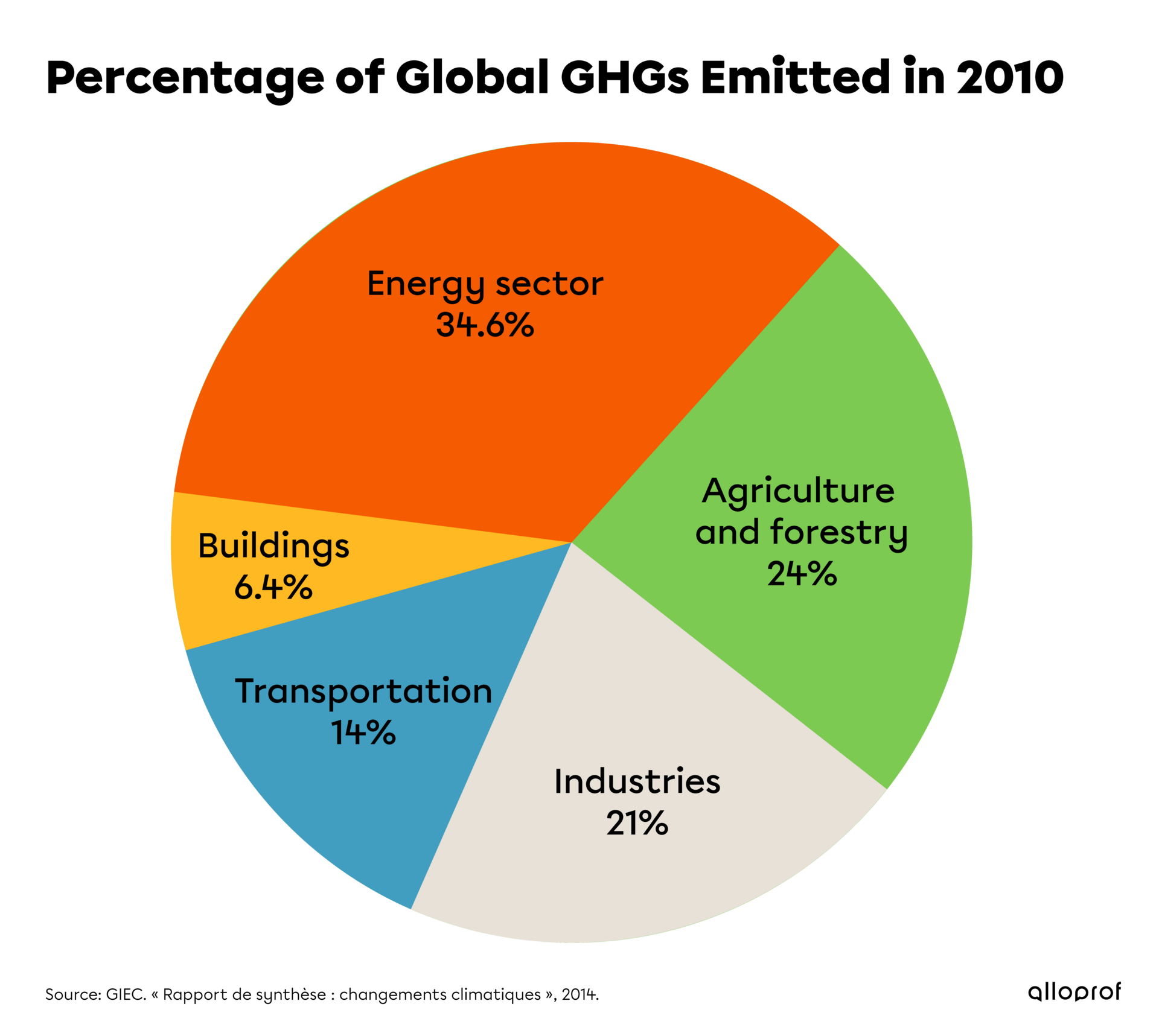 100%
100%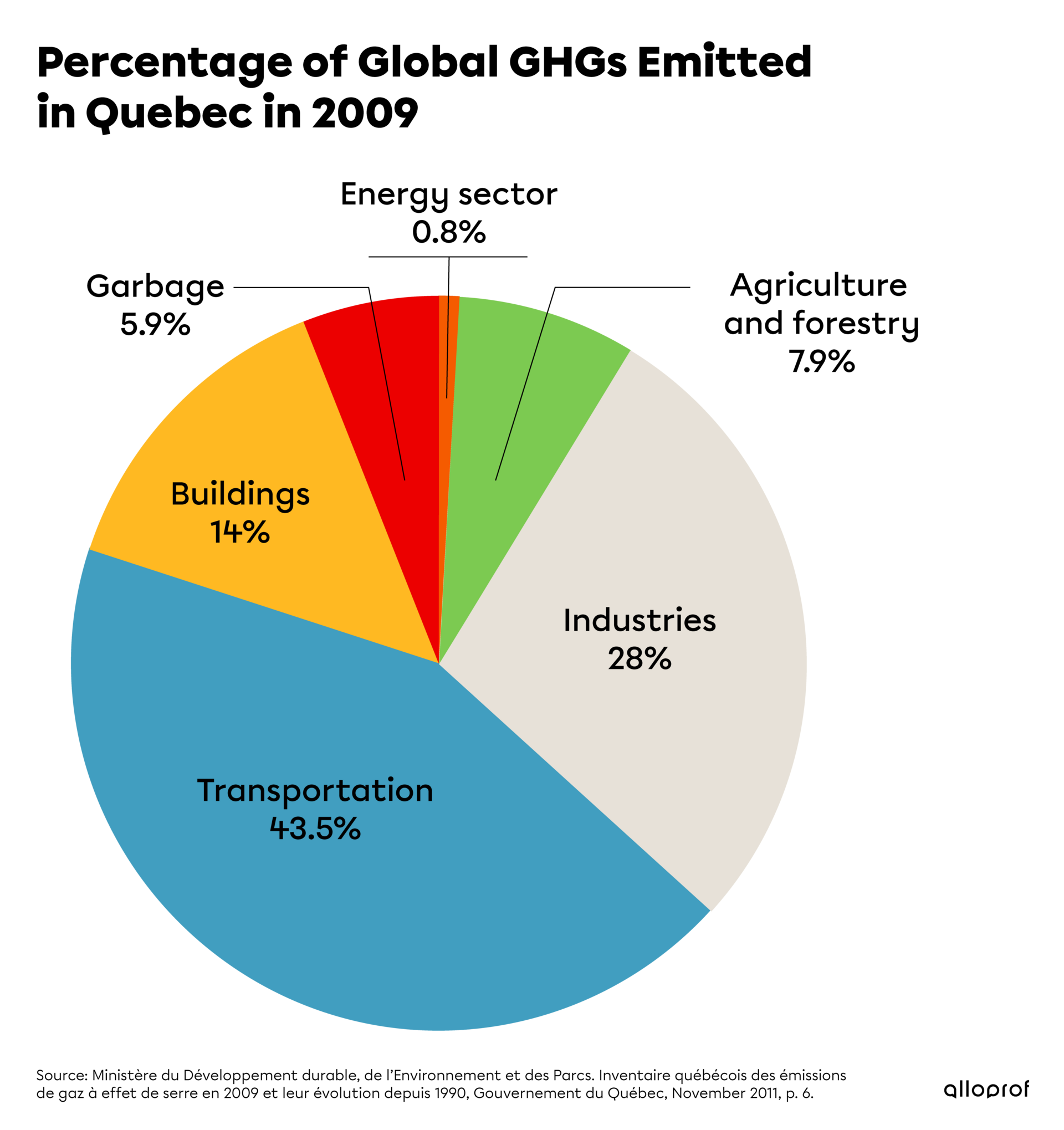 100%
100%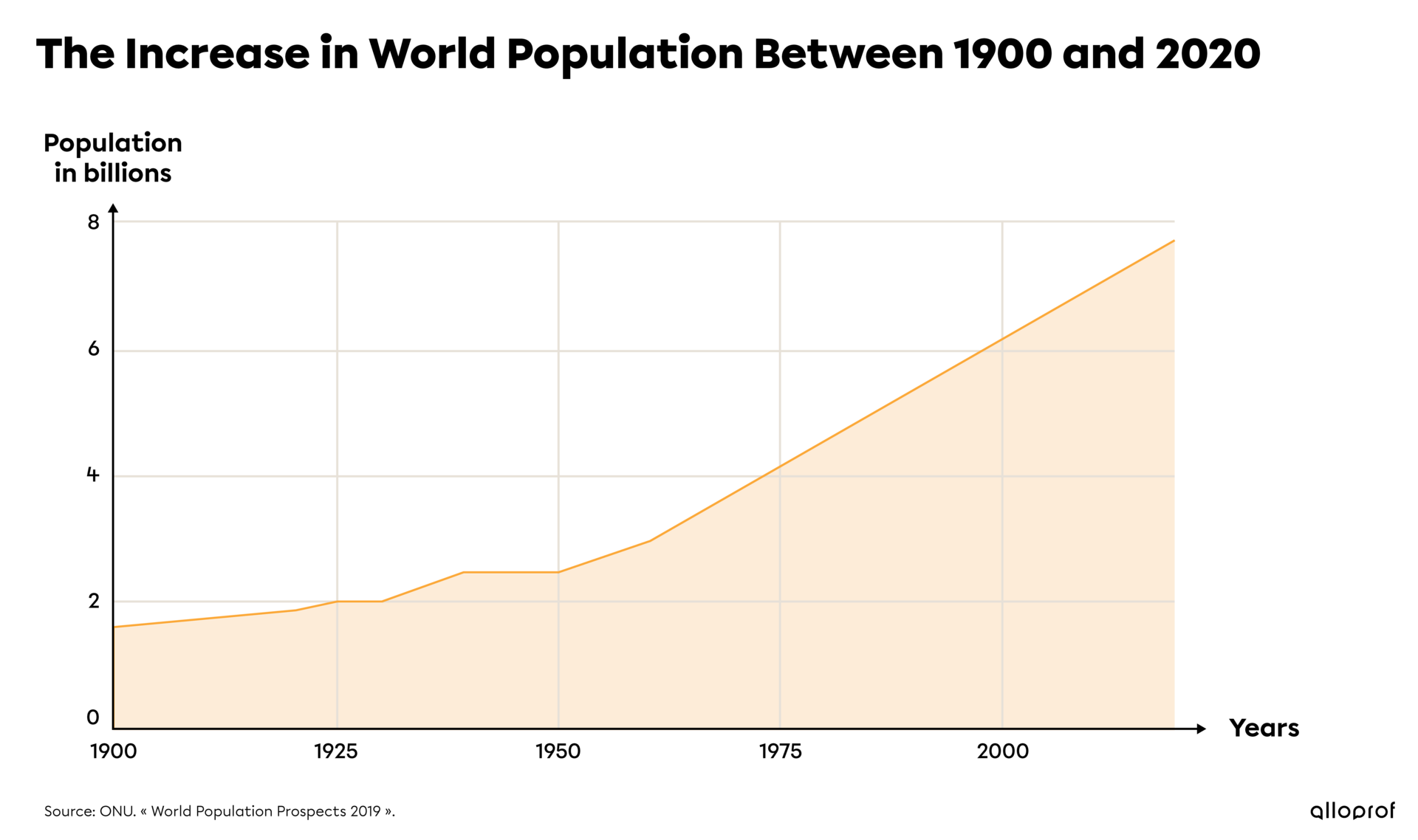 100%
100%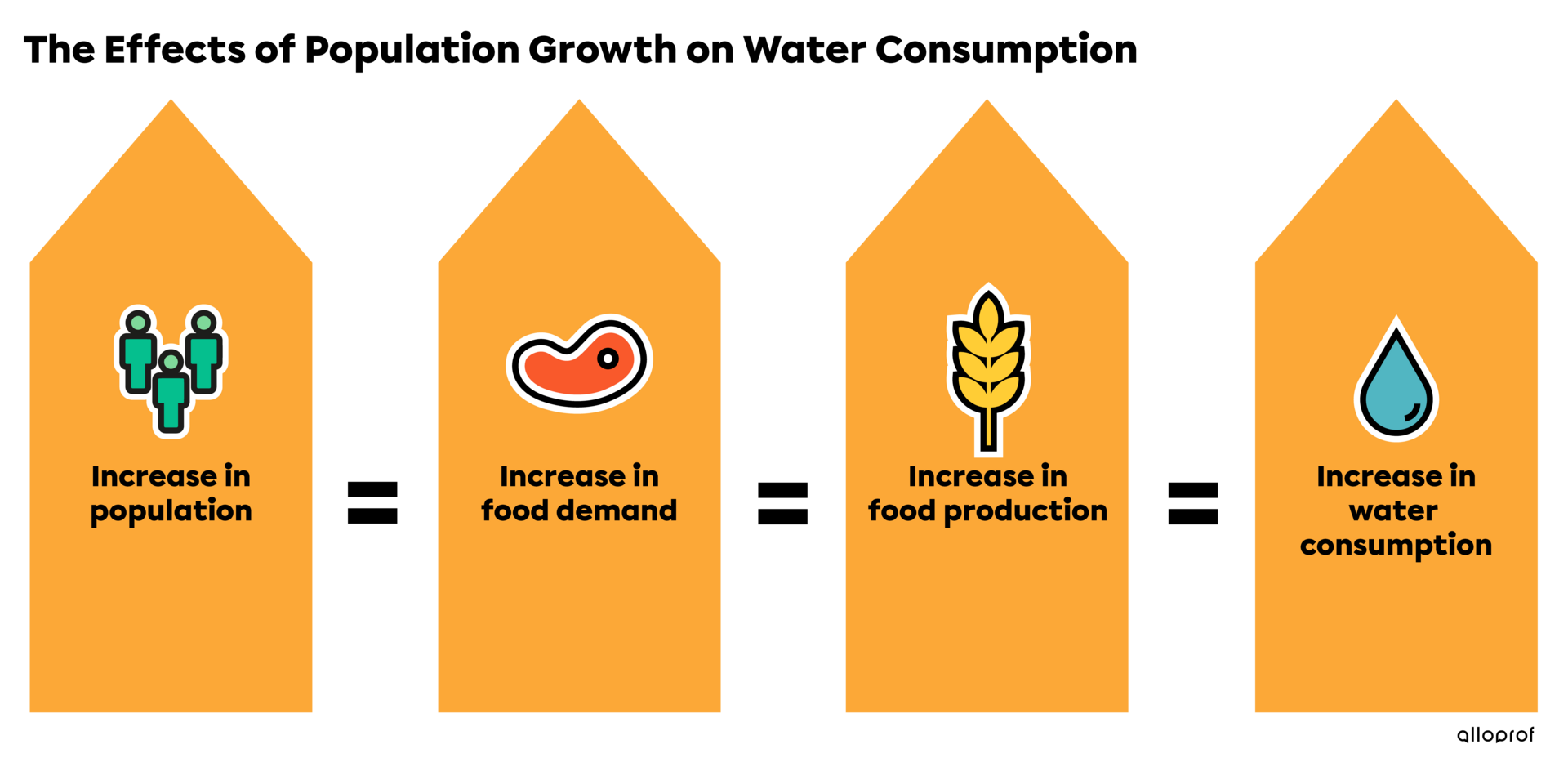 100%
100%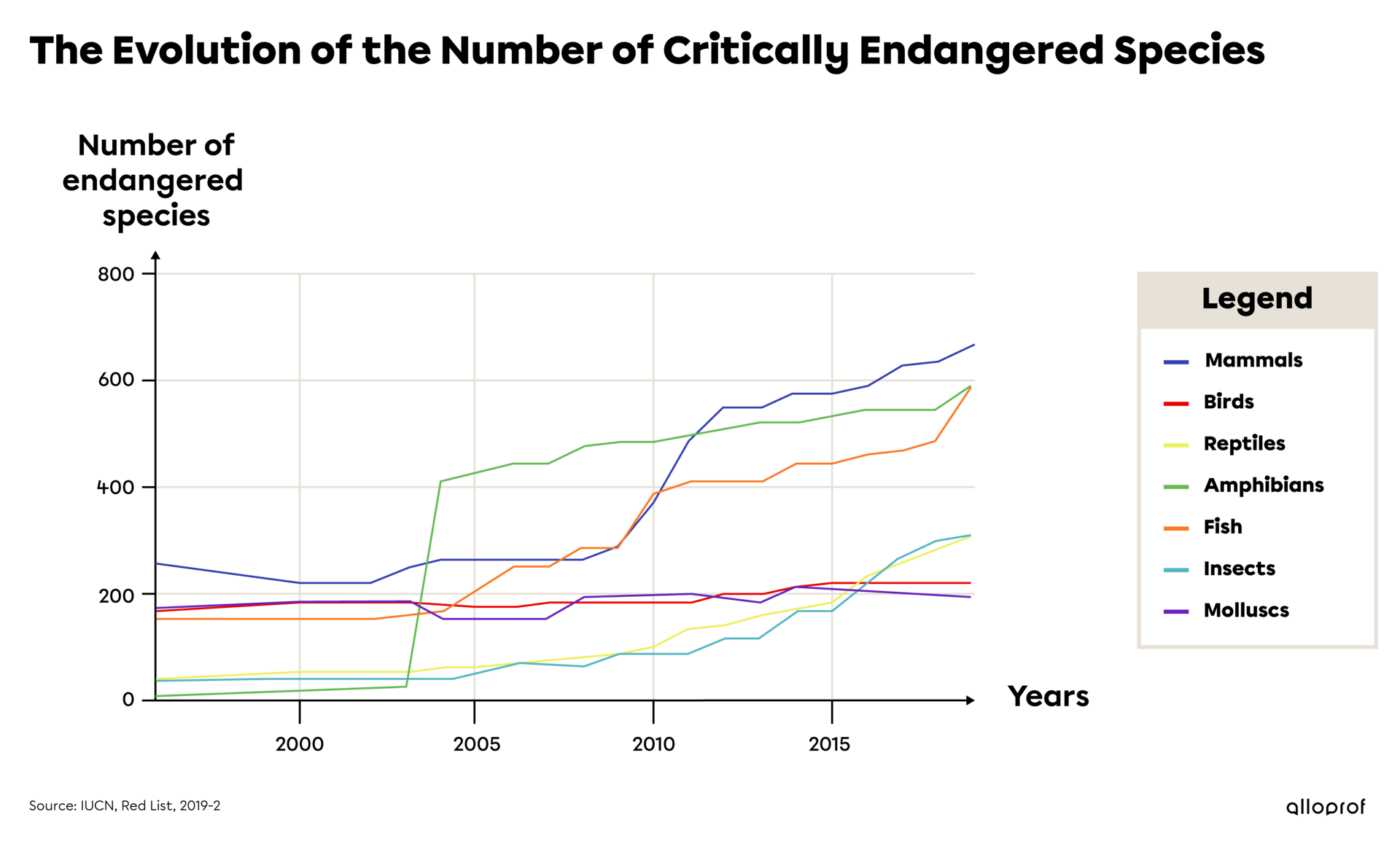
Since the mid-1950s, the frequency of environmental and natural disasters has increased, which raised the issue of environmental degradation. Groups of scientists are working to find out what is causing noticeable changes in ecosystems. Created in 1988, the Intergovernmental Panel on Climate Change (IPCC) attempts to better understand the environment and the effect that human activities have on ecosystems by calculating the ecological footprint.
An ecosystem refers to the interactions between all the living species (animals and plants) in a natural environment. For example, a lake’s ecosystem contains water, mud, algae and fish. Other factors influence a lake’s environment, such as climate and pollution.
The ecological footprint is an estimate of the surface area of land or water required for an individual, company or country to support their way of life or activities. It includes all the resources needed to meet their needs and to ensure the disposal of the waste they produce.
The Intergovernmental Panel on Climate Change (IPCC) is an intergovernmental organization. This group publishes a report every five to six years on climate change and its consequences.
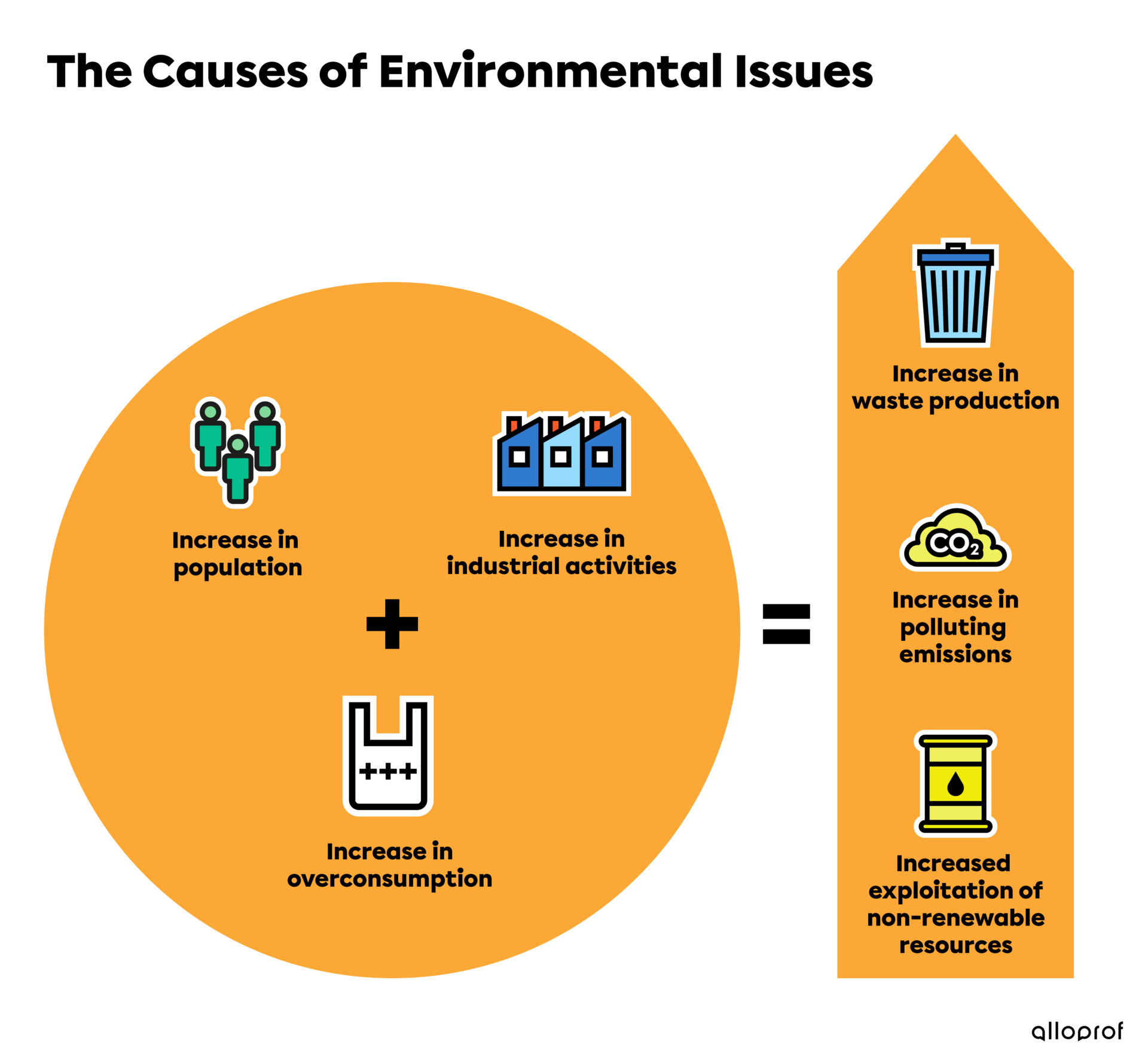
One of the observable changes is environmental degradation, meaning the pollution of water, air and natural environments. It has multiple causes, namely population growth, increased industrial activities and overconsumption.
Overconsumption refers to the act of consuming more than is necessary to meet reasonable needs.

Increased population leads to a higher demand for consumer goods and food. Furthermore, mass consumption, especially in developed countries, has led to a significant increase in the demand for goods since World War II ended in 1945. An increasing population and mass consumption have had major negative impacts on the environment.
Mass consumption refers to the consumption of goods and services in large quantities and on a large scale, usually in industrialized societies.
Industries produce more to meet the demand for goods. By producing more, companies increase
This often leads to over-exploitation of natural resources, meaning that the Earth’s resources are being used up faster than they can be regenerated. This is why industrial activity is an important factor in the ecological footprint.
A hydrocarbon (HC) is an organic compound made up of carbon (C) and hydrogen (H) atoms. Fossil fuels (coal, oil, natural gas) are hydrocarbons.
Let’s consider the plastic pollution in the ocean, which is classified as a global crisis by the United Nations (UN). The Secretary General of the United Nations says that by 2050 there will be more plastic in the ocean than fish.
Currents have caused the waste in the ocean to form a floating island in the northern Pacific Ocean. Known as the Great Pacific Garbage Patch, or Trash Island. it’s mostly made up of plastic. It covers 1.6 million km2, slightly larger than the province of Quebec.
However, population growth and industrial production aren’t the only causes of environmental degradation. Ecological disasters, often caused by economic activities or wars (oil spills, nuclear bombs and accidents or destruction of natural environments), can also cause environmental degradation.
Towards the end of World War II, on August 6 and 9, 1945, the United States dropped two nuclear bombs on the Japanese cities of Hiroshima and Nagasaki. The bombs instantly killed hundreds of thousands of people and caused health problems for many others. The radioactive clouds created by these bombs destroyed living organisms and severely contaminated water, soil and food.
Natural disasters such as volcanic eruptions, floods, tsunamis, hurricanes and earthquakes also destroy natural environments and can be made worse by climate change.
The increase in population and industrial activities leads to an increase in the production of greenhouse gases (GHG). Scientists agree that this is the main cause of climate change.
The greenhouse effect is a naturally occurring process that allows some of the Sun’s heat to penetrate the Earth’s atmosphere. GHGs temporarily trap the heat, which warms the air and ground.
Human activities have increased the presence of these gases since the 19th century. Between 2005 and 2014, global GHG emissions increased by almost 20%.
| Main Greenhouse Gases | Human Activities That Produce Greenhouse Gases |
|---|---|
| Carbon dioxide (CO2) |
|
| Methane (CH4) |
|
| Nitrous oxide (N2O) * sometimes called laughing gas |
|
Rice cultivation produces a greenhouse gas called methane. Rice is one of the foods most consumed by humans, so rice farming is in high demand. How do rice fields and rice consumption impact the environment? Visit this page to find out more.
Globally, 78% of GHG emissions from human activities are due to energy production and consumption.
Deforestation caused by logging also contributes to the problem. Through photosynthesis, trees transform carbon dioxide (CO2) into oxygen (O2). Fewer trees mean less CO2 is transformed into O2, leaving more CO2 in the atmosphere.
According to the fifth IPCC report, published in 2014, there are different sources of GHGs caused by humans, as shown below.
The 2009 figures in Quebec were quite different compared to the world average:
Image in English coming soon
Because Quebec’s energy comes mainly from hydroelectricity, which is a renewable resource, the order of the main sources of CO2 completely changes. Producing energy from renewable resources (water, wind or sun) is much less polluting than producing it from non-renewable resources such as oil, nuclear energy or coal.
The higher the concentration of GHGs in the atmosphere, the longer heat remains trapped on the planet’s surface, causing the Earth’s average temperature to rise. This is the cause of global warming. Global warming leads to a domino effect of rising sea levels, increased rainfall and more heat waves.
The increasing global population is also driving up the demand for drinking water, as humans need fresh, clean water to survive. Although the population has tripled since 1900 (from 1.6 billion to 7.8 billion in 2020), water consumption has increased sixfold.
According to the UN, the population is still increasing. It’s estimated that the population will reach 8.5 billion by 2030, 9.7 billion by 2050 and 11.22 billion by 2100.
In some parts of the world, access to clean water is a real problem. There’s a physical shortage of water in some areas and an economic shortage in others.
A physical shortage of drinking water is when there is not enough water to meet the needs of a population
An economic shortage of drinking water is when water is physically available, but is poorly managed due to lack of money or resources. This still results in people having no access to drinking water.
Areas that suffer from economic shortages have populations that live in poverty. Water is present, but there’s a lack of facilities to make it accessible. People who live in these areas of the world who can afford to invest in these facilities have access to water.So water is distributed unequally, with wealthier groups getting priority.
Several causes of physical water scarcity have been identified, such as:
Global drinking water use is distributed as follows:
According to these statistics, agriculture is the main cause of drinking water scarcity
Image in English coming soon
An increase in population leads to an increase in demand for food, and therefore an increase in agricultural practices to produce this food, which ultimately leads to an increase in water use.
Biodiversity refers to all living species (animals and plants) that inhabit the planet.
In the next ten years, between half a million and 1 million species will be at risk of extinction due to human activities. Many scientists believe that we’re at the beginning of the sixth mass extinction. The International Union for Conservation of Nature (IUCN) publishes a Red List of Threatened Species. The graph below clearly shows the increase in the number of critically endangered species between 1996 and 2019. This graph doesn’t include endangered (non-critical) and vulnerable species.
In addition to the critically endangered species, nearly 900 species have gone extinct since the Red List was first published in 1964.
The main factors causing reduced biodiversity are:
| Factors and examples | Explanations |
|
Land transformation Examples:
|
This is the prime cause of the decrease in biodiversity. An increase in global population and human activities is accelerating the rate at which land is transformed. Land transformation often leads to the destruction of natural habitats. |
|
Over-exploitation of natural resources Examples :
|
This occurs when a species is exploited faster than it can regenerate. This over-exploitation is caused by the poaching of endangered species (tigers, rhinoceroses and elephants), and the situation is only getting worse. |
|
Climate change Examples :
|
Some species struggle to adapt to climate change in their environment. This leads to their geographical displacement or even disappearance. |
|
Pollution Examples :
|
Pollution makes natural habitats unlivable for some species, forcing them to find new habitats. |
|
Development and spread of invasive species Examples :
|
Exchanges between countries are becoming more frequent, leading to new species being introduced in different territories. Some of these species may be invasive in their new environment. They become predators or steal resources from local species. |
It is important to understand that we all live on the same planet. Living beings are all connected and interdependent. This means that when one species disappears, it impacts the species around it. Reduced biodiversity weakens the entire planet because the food we eat depends on this biodiversity. When biodiversity is threatened, the functioning of the Earth is threatened.
FAO. Pénurie de l’eau - gestion de l’eau. http://www.fao.org/3/i0224f/i0224f02.pdf
Groupe d’experts intergouvernemental sur l’évolution du climat. En savoir plus. https://www.ipcc.ch/languages-2/francais/
Union internationale pour la conservation de la nature. Liste rouge des espèces en voie de disparition. https://www.iucnredlist.org/search
Perez, Julia. (2019, 26 novembre). Des espèces animales qui réapparaissent. Organisation Mondiale pour la Protection de l’Environnement. https://www.ompe.org/des-especes-animales-qui-reapparaissent/