Subjects
Grades
 100%
100%
 100%
100% 100%
100% 100%
100% 100%
100%
|
the & some = more than 1 when used with countable nouns |
the & some = a certain quantity when used with uncountable nouns |
||
|
the 5 planes 
|
the cheese 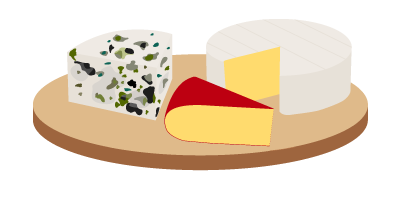
|
||
|
any = more than 1 or none when used with countable nouns |
any = a certain quantity or none when used with uncountable nouns |
||
|
Are there any workers left?  |
Do you have any soap?  |
||
|
There aren’t any workers left. 
|
I don’t have any soap. 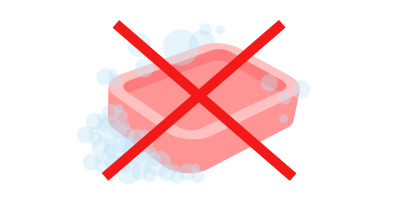
|
||
|
a lot of, enough, plenty of = a large number when used with countable nouns |
a lot, enough, plenty of = a large quantity when used with uncountable nouns |
||
|
a lot of employees 
|
a lot of money 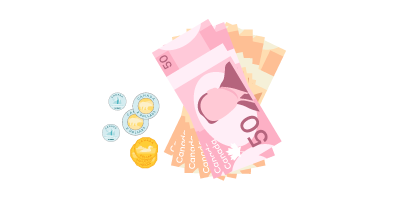
|
Anything that can be counted is considered a countable noun. It can be a singular noun or a plural noun.
| Singular countable nouns | Plural countable nouns |
|
a kangaroo 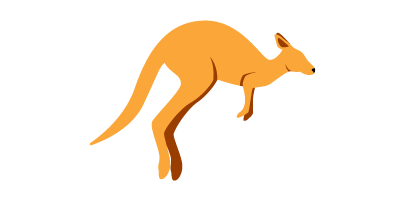 |
three kangaroos 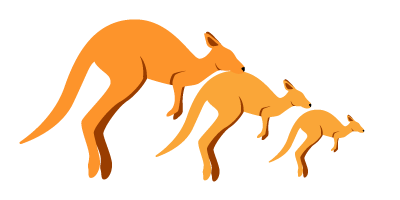 |
|
an airplane  |
two airplanes 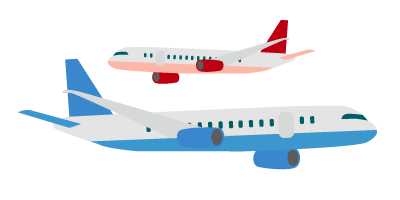 |

Anything that cannot be easily separated or counted is considered as an uncountable noun. It is referred to as a mass, a whole, or a concept.
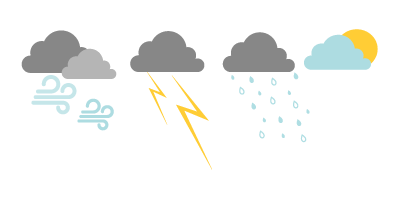
weather
Uncountable noun examples:
rain
lightning
wind
snow
ideas and experiences
Uncountable noun examples:
advice
fun
progress
information
materials and substances
Uncountable noun examples:
water
milk
gold
cement
groups or collections of things
Uncountable noun examples:
equipment
furniture
garbage
luggage
abstract concepts
Uncountable noun examples:
love
luck
happiness
music
Pay attention to the articles and the adjectives you use with different nouns. Some can be used with only countable or only uncountable nouns.
|
a/an = one object |
|
|
a car = 1 car 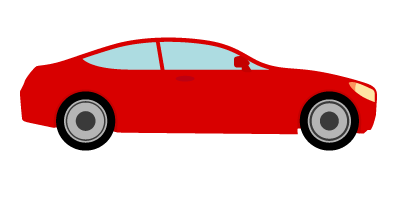
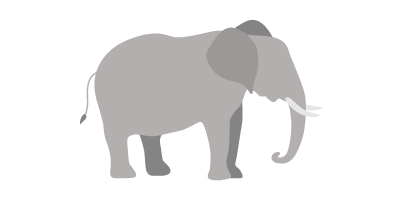 |
|
|
many = a large number |
|
|
many books = a large number of books  |
|
|
few = a small number |
|
|
few countries = a small number of countries 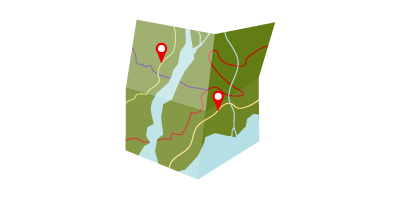 |
|
much = a large quantity |
|
|
much food = a large quantity of food 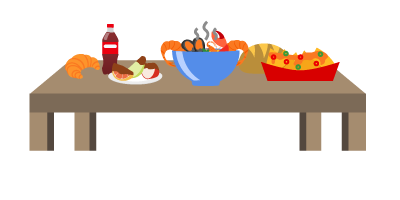 |
|
|
little/a little bit of = a small quantity |
|
|
a little bit of snow = a small quantity of snow  |
|
the & some = more than 1 when used with countable nouns |
the & some = a certain quantity when used with uncountable nouns |
||
|
the 5 planes
|
the cheese
|
||
|
any = more than 1 or none when used with countable nouns |
any = a certain quantity or none when used with uncountable nouns |
||
|
Are there any workers left? |
Do you have any soap? |
||
|
There aren’t any workers left.
|
I don’t have any soap.
|
||
|
a lot of, enough, plenty of = a large number when used with countable nouns |
a lot, enough, plenty of = a large quantity when used with uncountable nouns |
||
|
a lot of employees
|
a lot of money
|