Subjects
Grades
 100%
100%
 100%
100%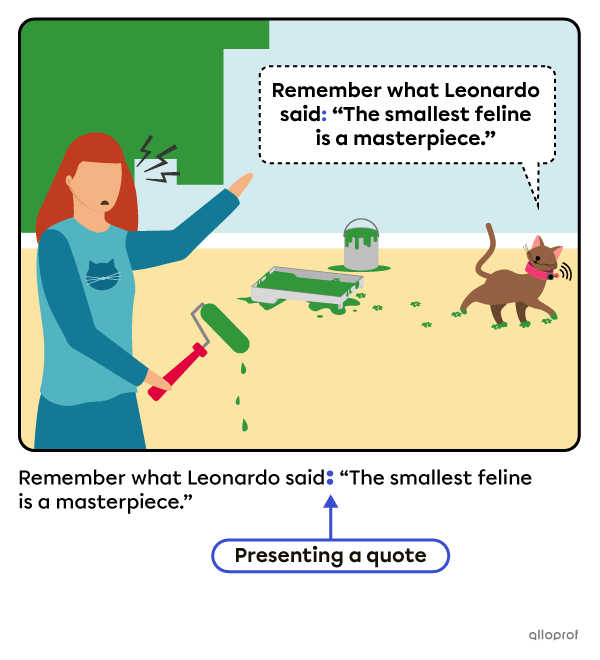 100%
100%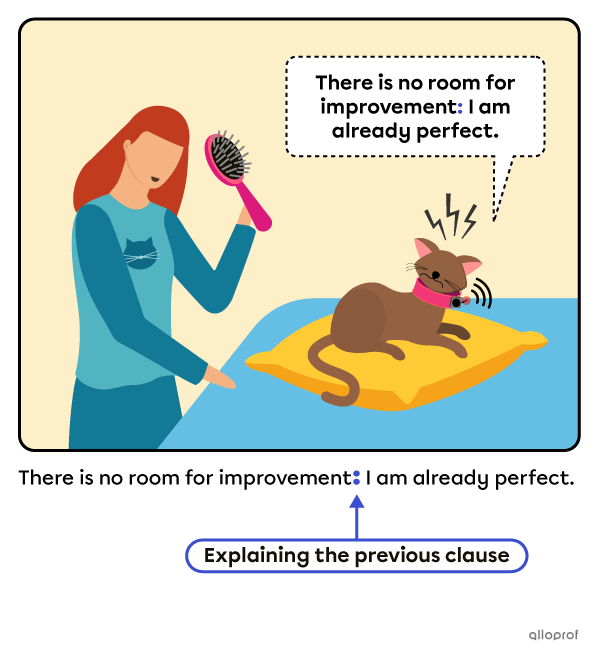 100%
100%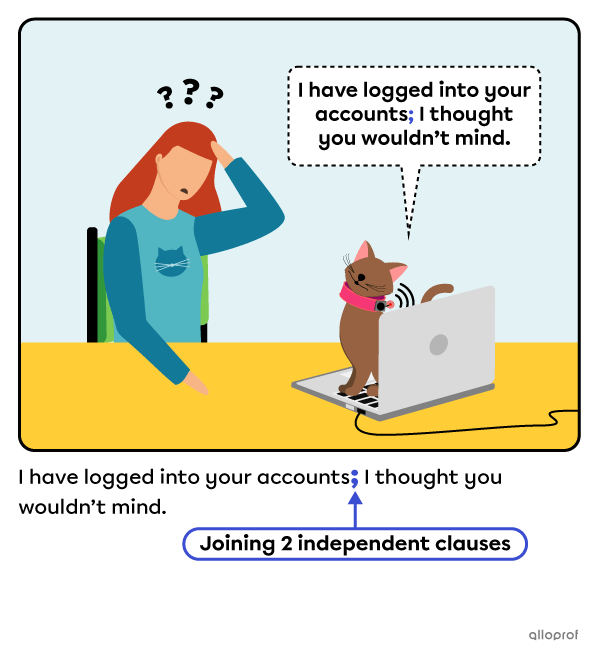 100%
100%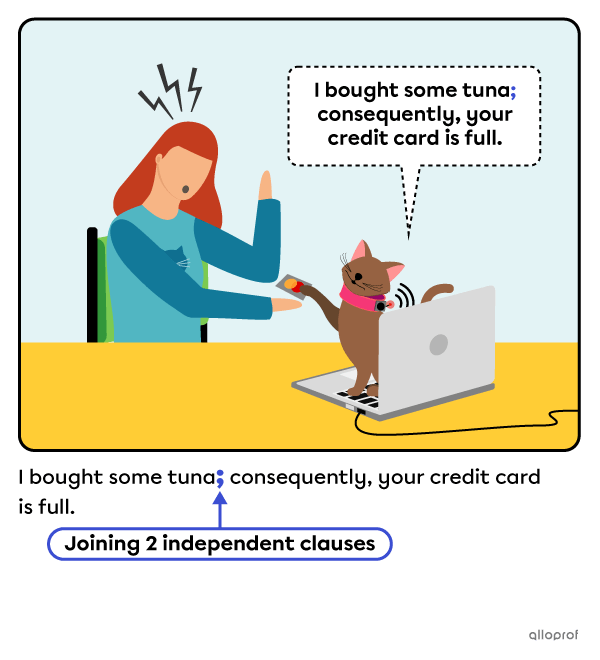 100%
100%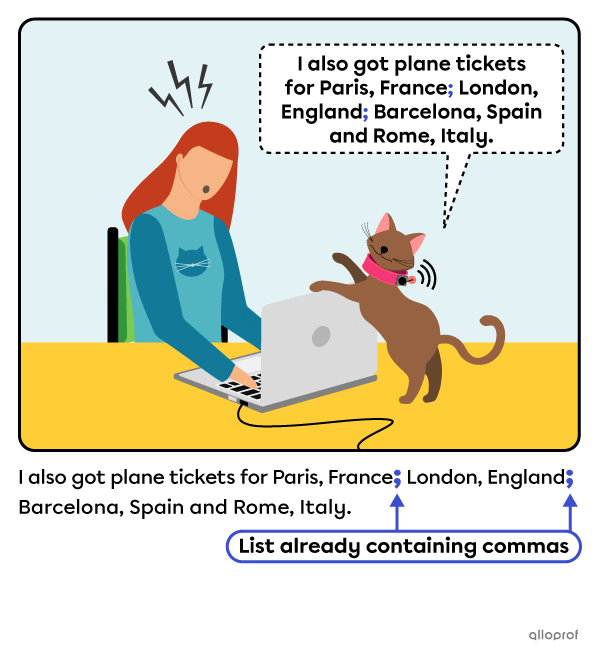
Colons are used to:
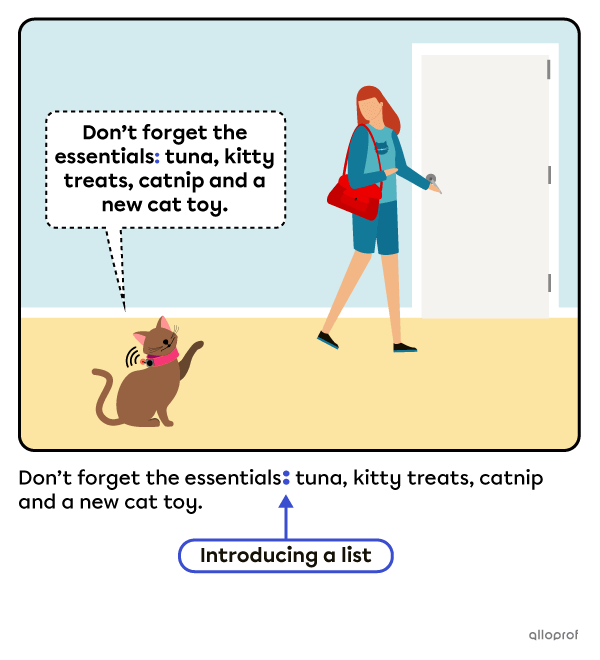
introduce a list
present dialogue or a quote
explain or clarify the previous clause
Only capitalize the word following the colon when it begins a new, complete sentence or an independent clause.
To introduce a list

To introduce a quote
To explain the previous clause
When not to use a colon:
between a verb and its object
between a preposition and its object
|
Don't |
Do |
|---|---|
|
X Selina bought: tuna, salmon and shrimps. |
✔ Selina bought tuna, salmon and shrimps. |
|
X Fluffy tried to: borrow and eat all the food. |
✔ Fluffy tried to borrow and eat all the food. |
Semicolons are used:
to join 2 independent clauses instead of a conjunction
to join 2 independent clauses with transitional expressions
in lists already containing commas
A semicolon should indicate an audible pause, slightly longer than a comma.
The word following the semicolon is not capitalized.
To join 2 independent clauses instead of a conjunction
To join 2 independent clauses with transitional expressions
In lists already containing commas