Subjects
Grades
 100%
100%
 100%
100%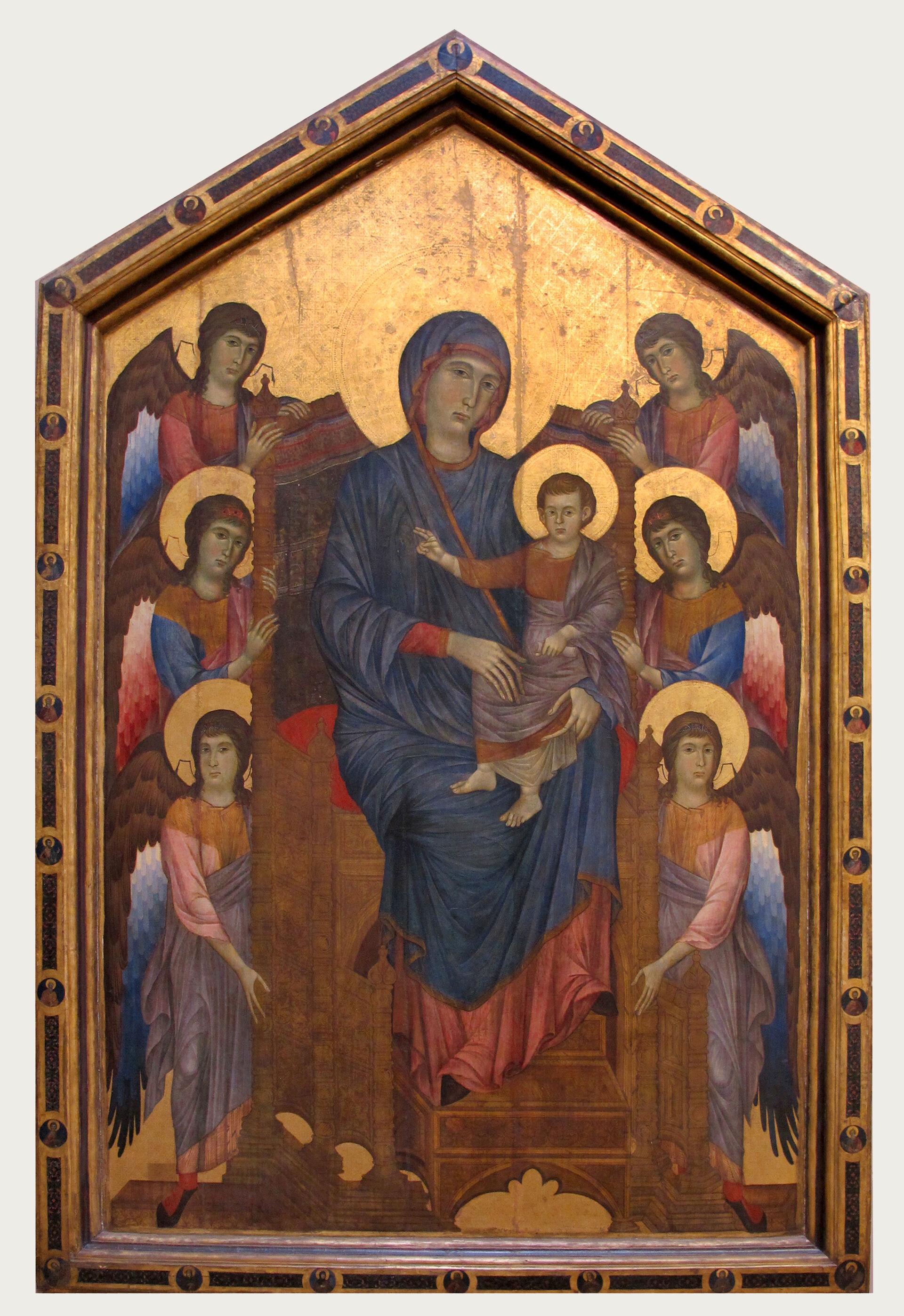 100%
100%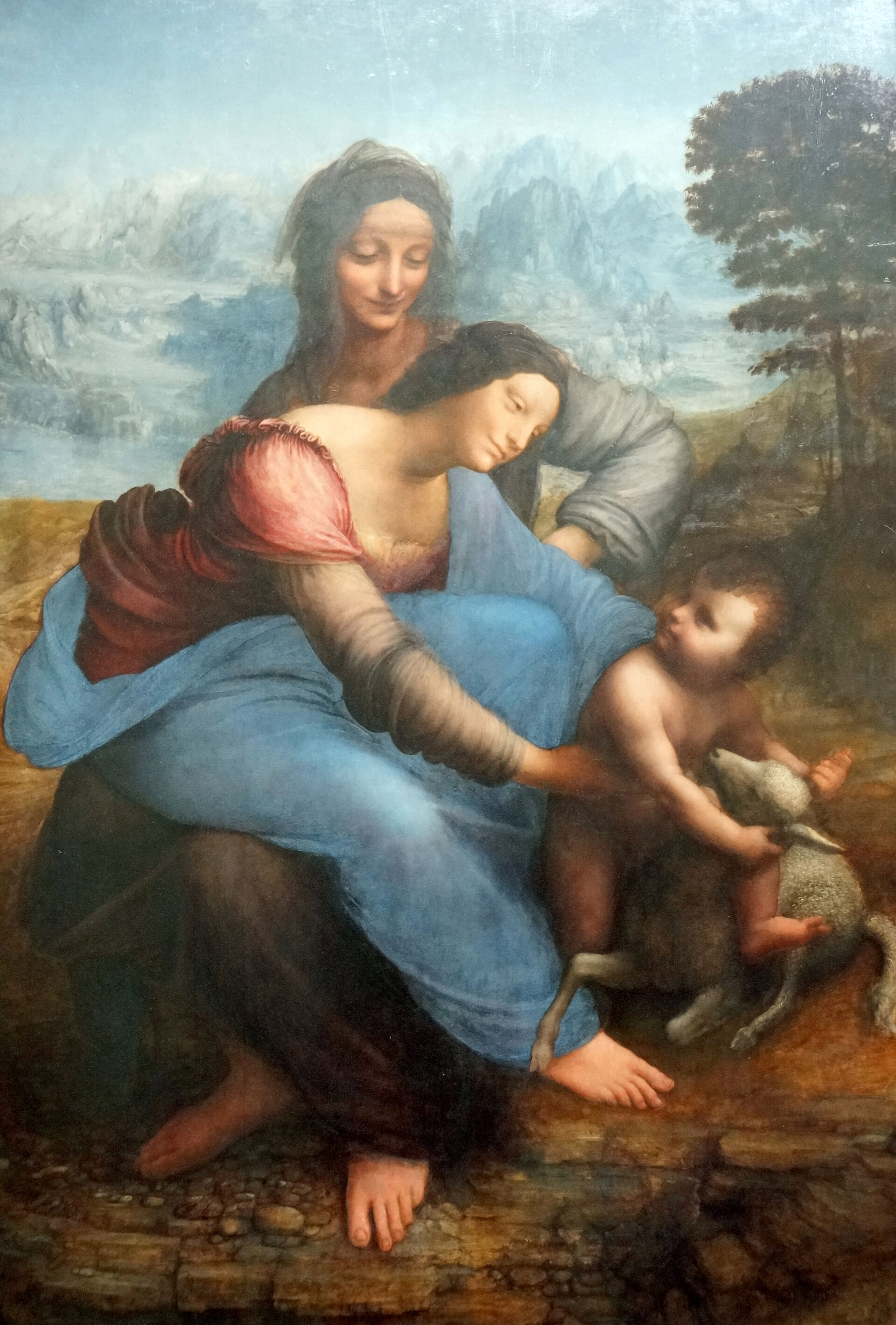 100%
100%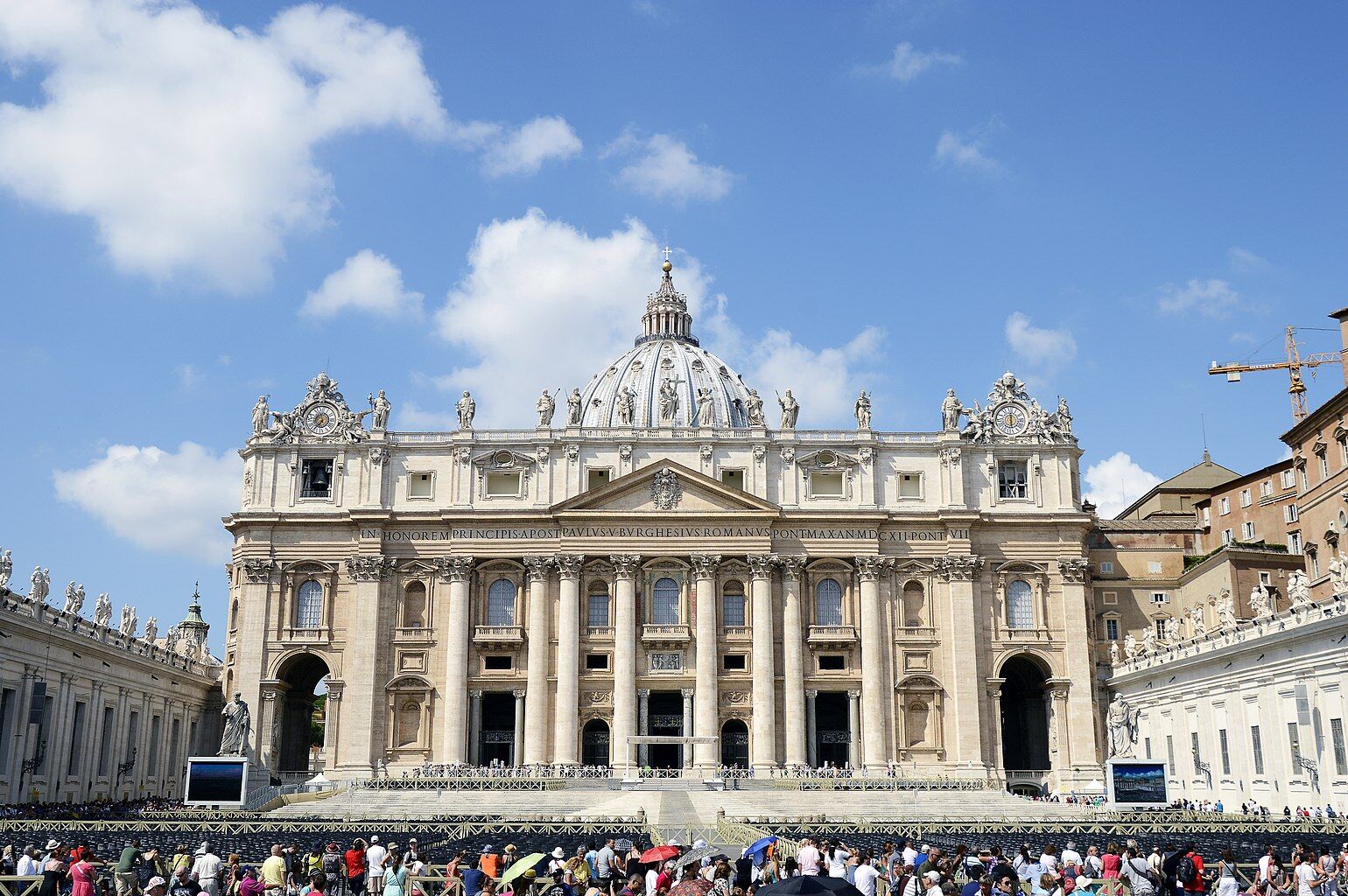 100%
100%
The Renaissance was not just a period of scientific development. It also witnessed a veritable artistic revolution and an impressive explosion in the number of works created during the period.
Art evolved considerably during the Renaissance. New techniques were developed by artists, allowing this period to set itself apart artistically.
Most of the works created by Renaissance artists can be described as realistic. Indeed, painters, among other things, were concerned to present their subjects as realistically as possible. They try to respect the proportions, symmetry and harmony of forms, compared to the works of the Middle Ages, which often lacked this same respect.

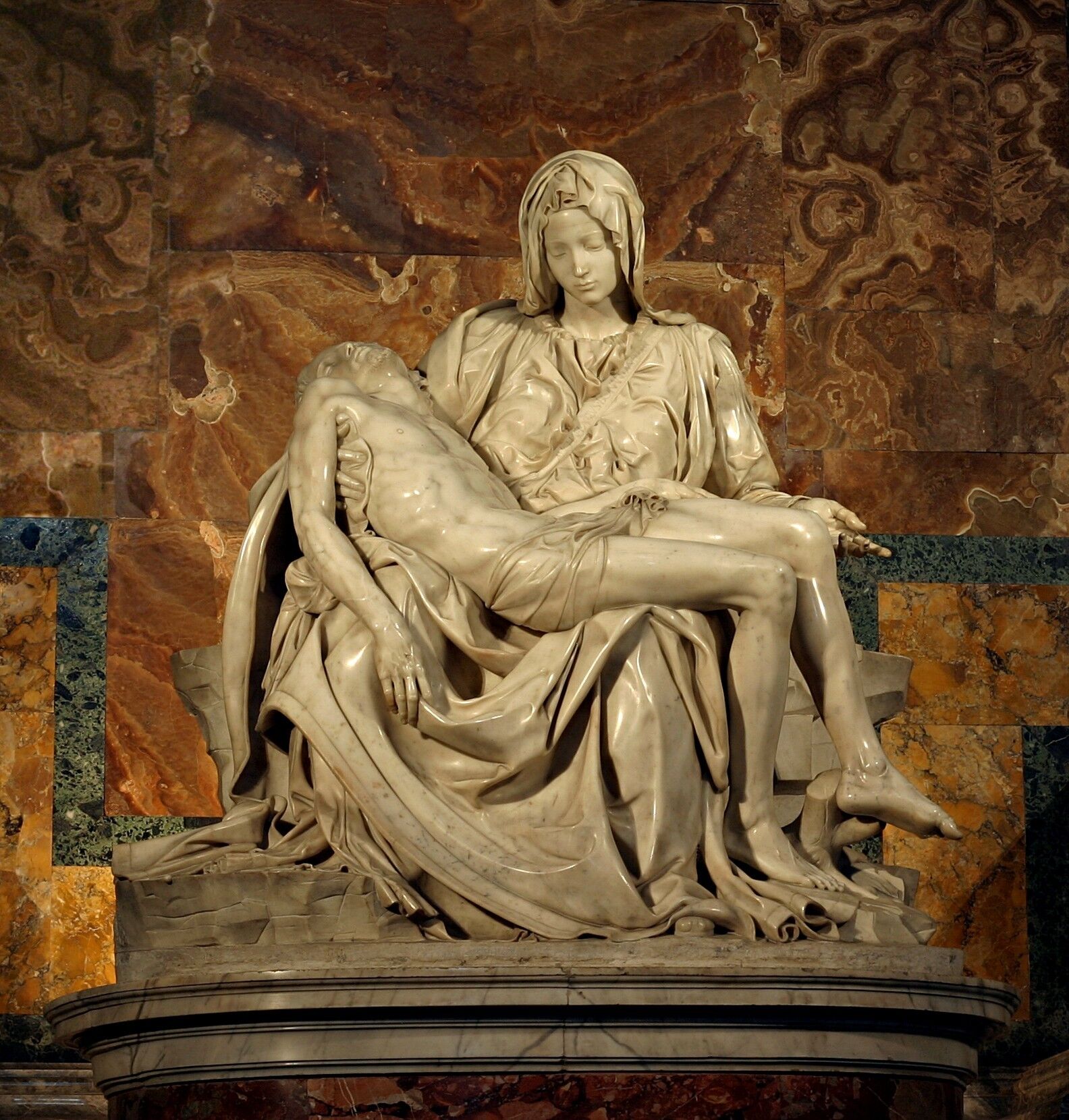
Michelangelo'sPietà is an example of realism.
In Cimabue's Maestà, a work from the Middle Ages, we can see from the child in the woman's arms that the people depicted are not proportional in terms of size. To paint a child, the artist has simply painted a smaller adult. On the other hand, in Leonardo da Vinci's The Virgin and Child, a Renaissance work, the proportions are better respected and the work is much more realistic.
Maestà de Cimabue
Source : Cimabue, majesty from the church of san francesco in pisa, c. 1280 [Photographie], Frantz, R.A., Wikimedia Commons, (URL). CC BY 3.0.
The Virgin and Child with St. Anne by Leonardo da Vinci
This new method, discovered by artists of the time, enabled them to represent the view of three-dimensional objects on a flat surface. In other words, thanks to the technique of perspective, painters can illustrate depth and distance on their canvas using a vanishing point that orients the viewer's eye.
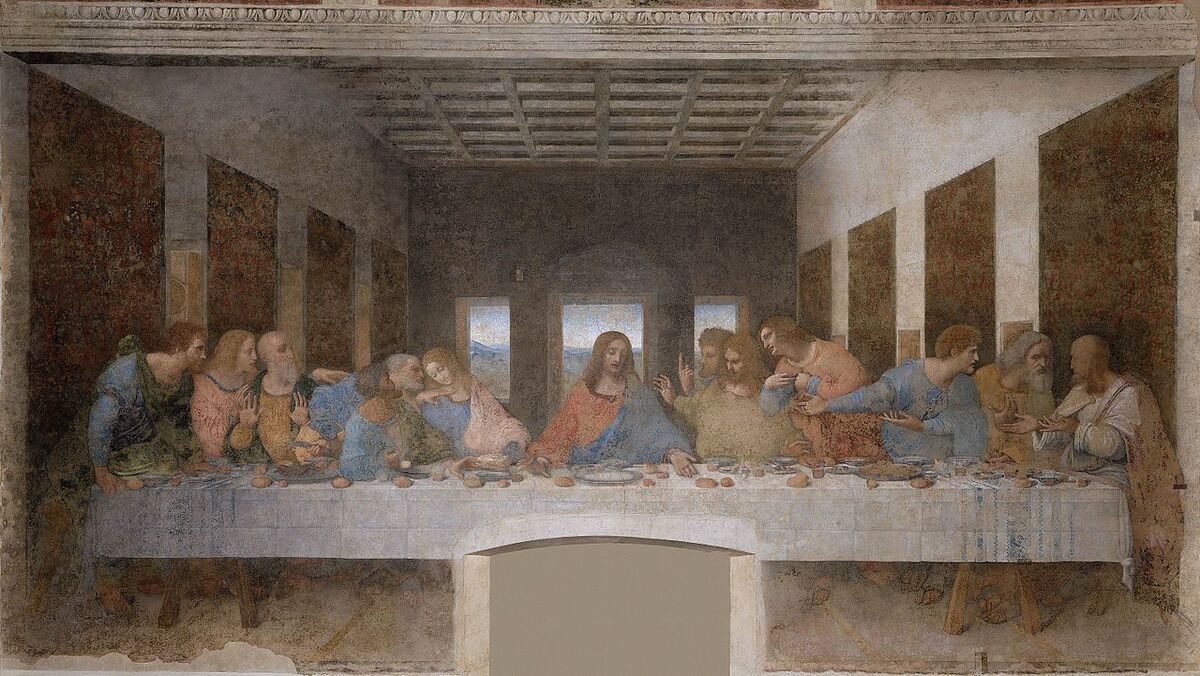
Leonardo da Vinci'sLast Supper is a fine example of the use of perspective
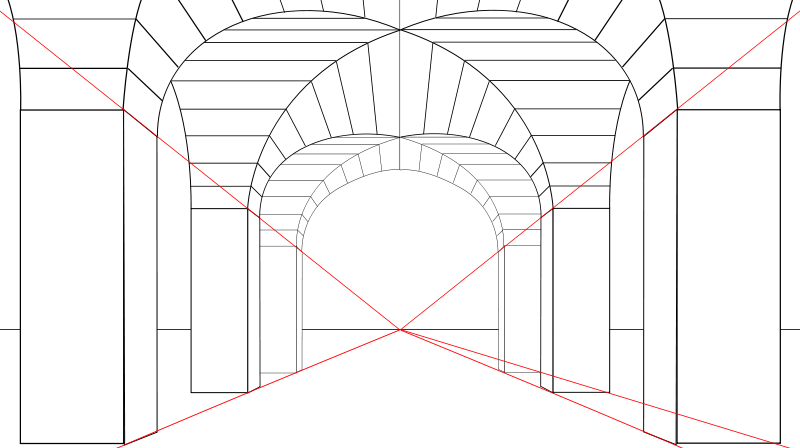
The perspective technique uses a vanishing point
The Middle Ages were characterized by a strong preponderance of religious works. During the Renaissance, although a few new religious works were created, it was mainly secular (non-religious) subjects that were chosen by artists. More specifically, artists took human beings as their source of inspiration. This can be seen, for example, in the large number of portraits painted during this period.
The adjective profane is used to characterize something that is foreign to religion or outside the religious sphere.
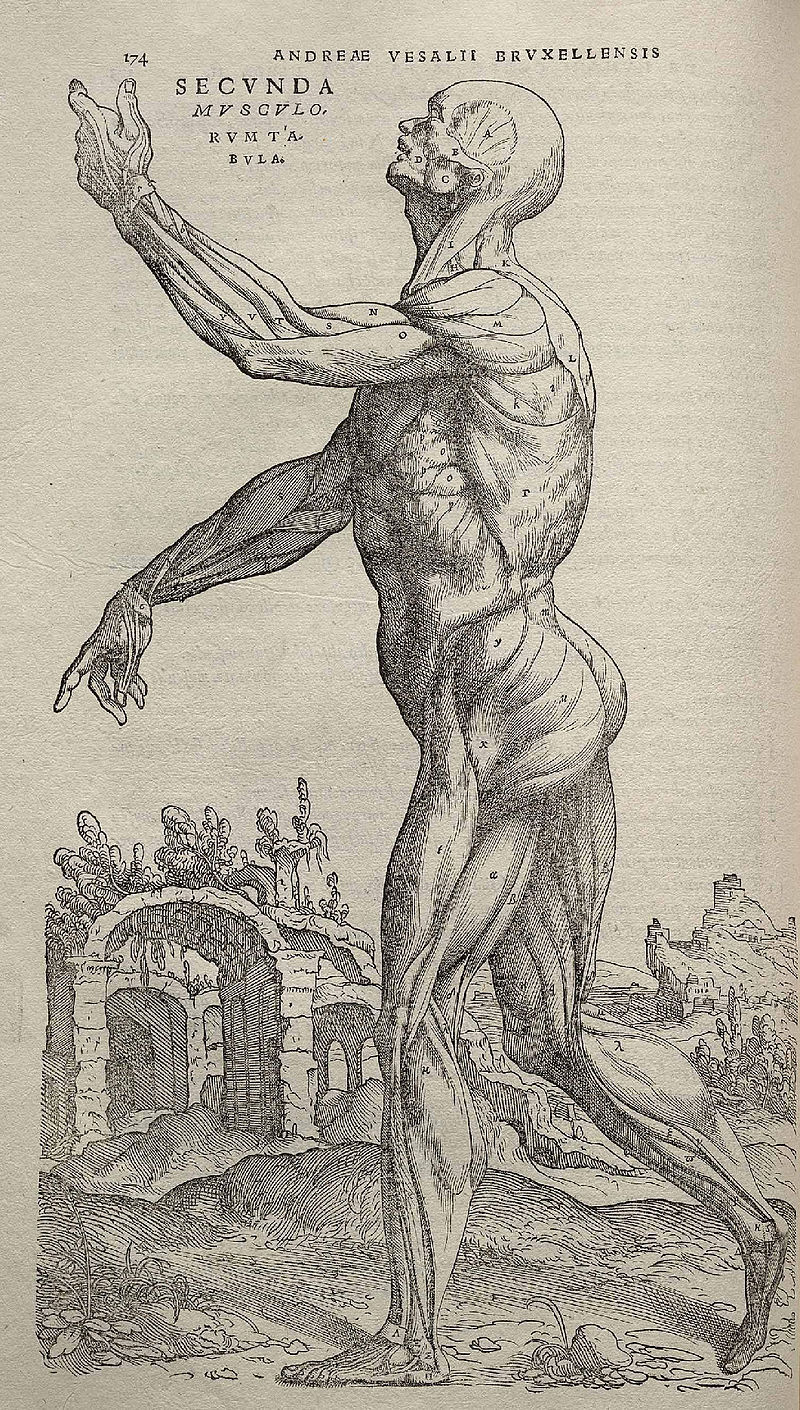
A drawing by André Vésale
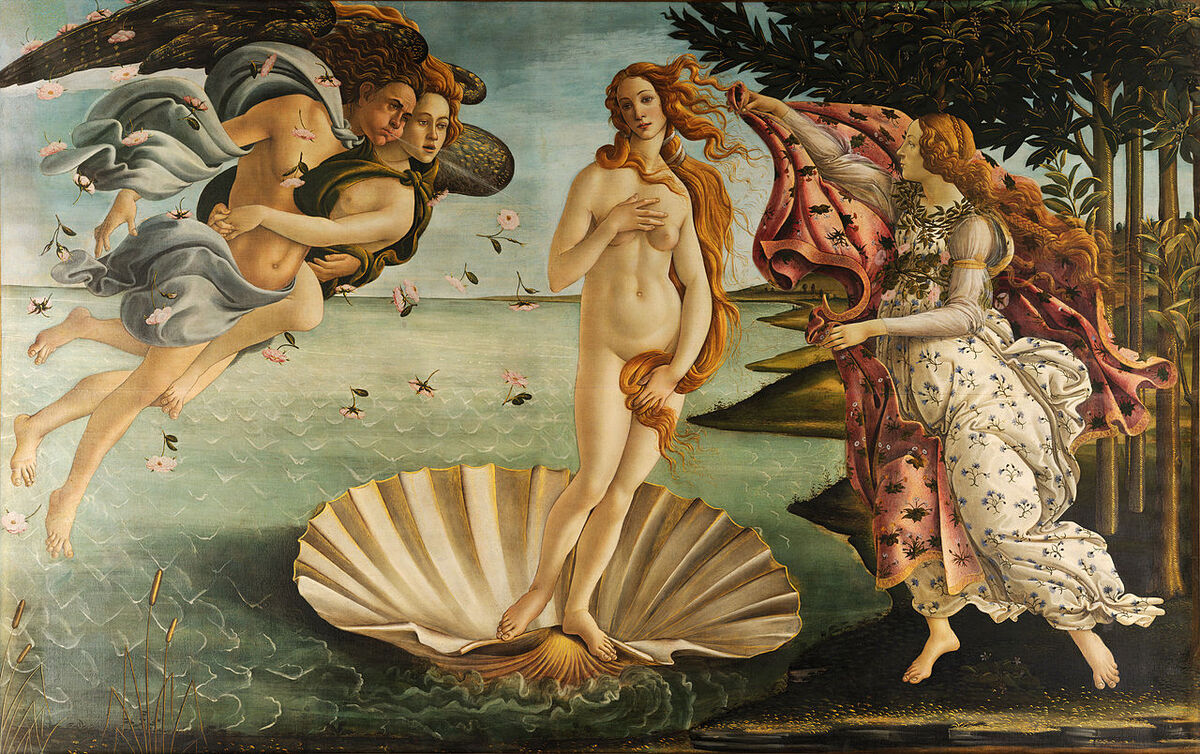
The Birth of Venus by Sandro Botticelli
Architecture was another field that underwent significant changes during the Renaissance. It, too, was inspired by Antiquity, with an emphasis on aesthetics, symmetry and proportion. Domes, pediments and columns are architectural elements taken from Antiquity. The architectural style of the Renaissance was the complete opposite of the Gothic style of the Middle Ages, the latter even being considered monstrous by humanist artists.
Binarystring. (2013, 23 juillet). The Last Supper [Photographie]. Wikimedia Commons. https://commons.wikimedia.org/wiki/File:The_Last_Supper_-_Leonardo_Da_Vinci_-_High_Resolution_32x16.jpg
Frantz, R.A. (2017, 6 octobre). Cimabue, maestà dalla chiesa di san francesco a pisa, 1280 ca [Photographie]. Wikimedia Commons. https://commons.wikimedia.org/wiki/File:Madonna_do_Louvre_-_Cimabue.jpg
Godet-Bar, G. (2008, 5 juin). Exemple simple de perspective à un point de fuite [Illustration]. Wikimedia Commons. https://commons.wikimedia.org/wiki/File:1ptPerspective.svg
Jarvis, D. (2014, 4 juillet). The Virgin and Child with St. Anne by Leonardo da Vinci [Photographie]. Wikimedia Commons. https://commons.wikimedia.org/wiki/File:The_Virgin_and_Child_with_Saint_Anne_painting_by_Leonardo_da_Vinci_-_Mus%C3%A9e_du_Louvre_-_Paris,_France.jpg
JLPC. (2014, 7 avril). Le Jugement dernier (détail) par Henry Lemaire (1833) ; fronton de l'église de la Madeleine, Paris (8e) [Photographie]. Wikimedia Commons. https://commons.wikimedia.org/wiki/File:Paris_%C3%89glise_Madeleine_fronton_d%C3%A9tail_2014.jpg
Martineau, M. (2014, 1er février). Cours 2e Histoire : Les hommes de la Renaissance 2. MUSECLIO. http://museclio.over-blog.com/article-cours-2e-histoire-les-hommes-de-la-renaissance-2-122353221.html
Traykov, S. (2005). Pietà [Photographie]. Wikimedia Commons. https://commons.wikimedia.org/wiki/File:Michelangelo%27s_Pieta_5450_cropncleaned_edit.jpg