Subjects
Grades
 100%
100%
 100%
100%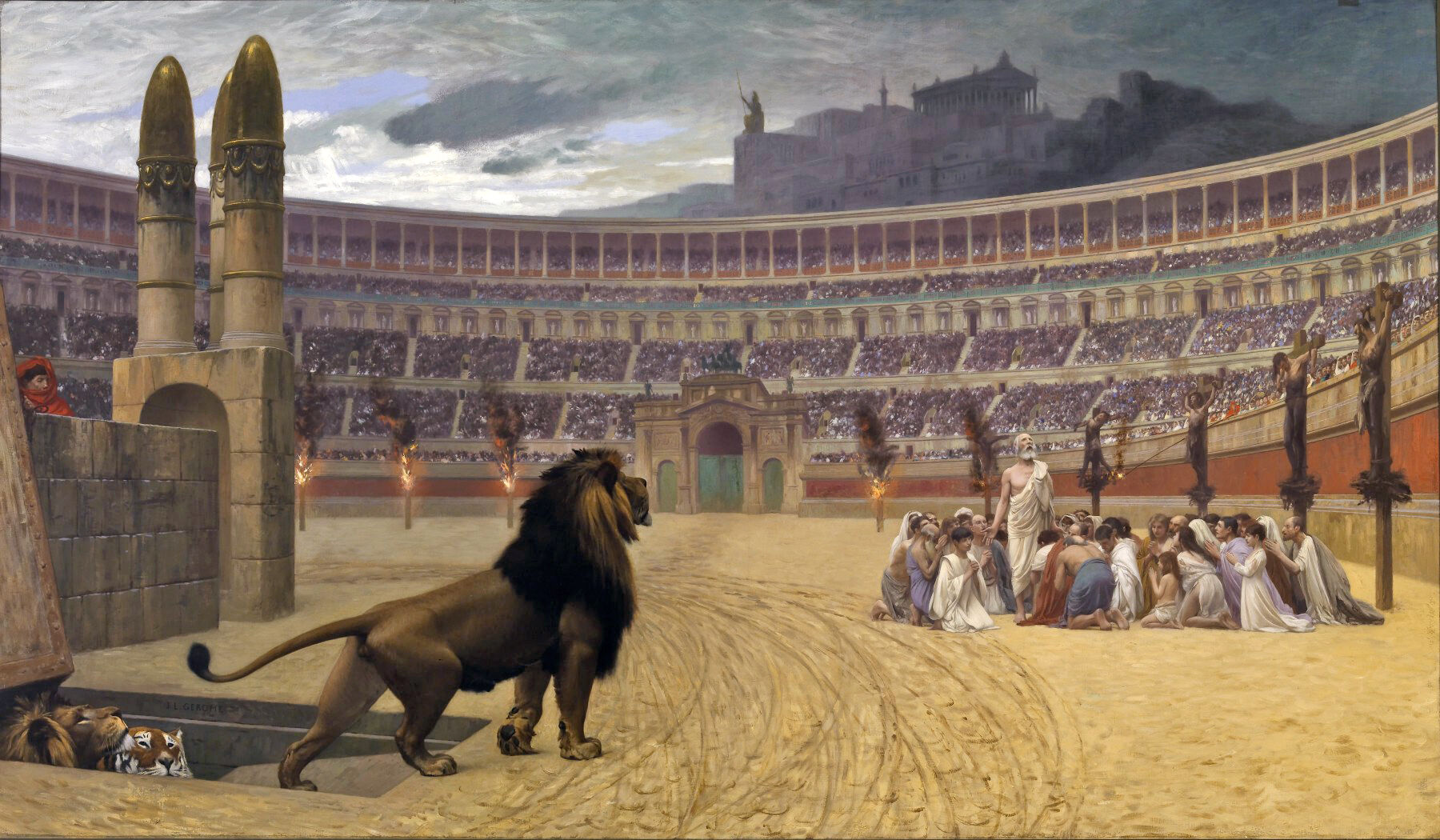 100%
100%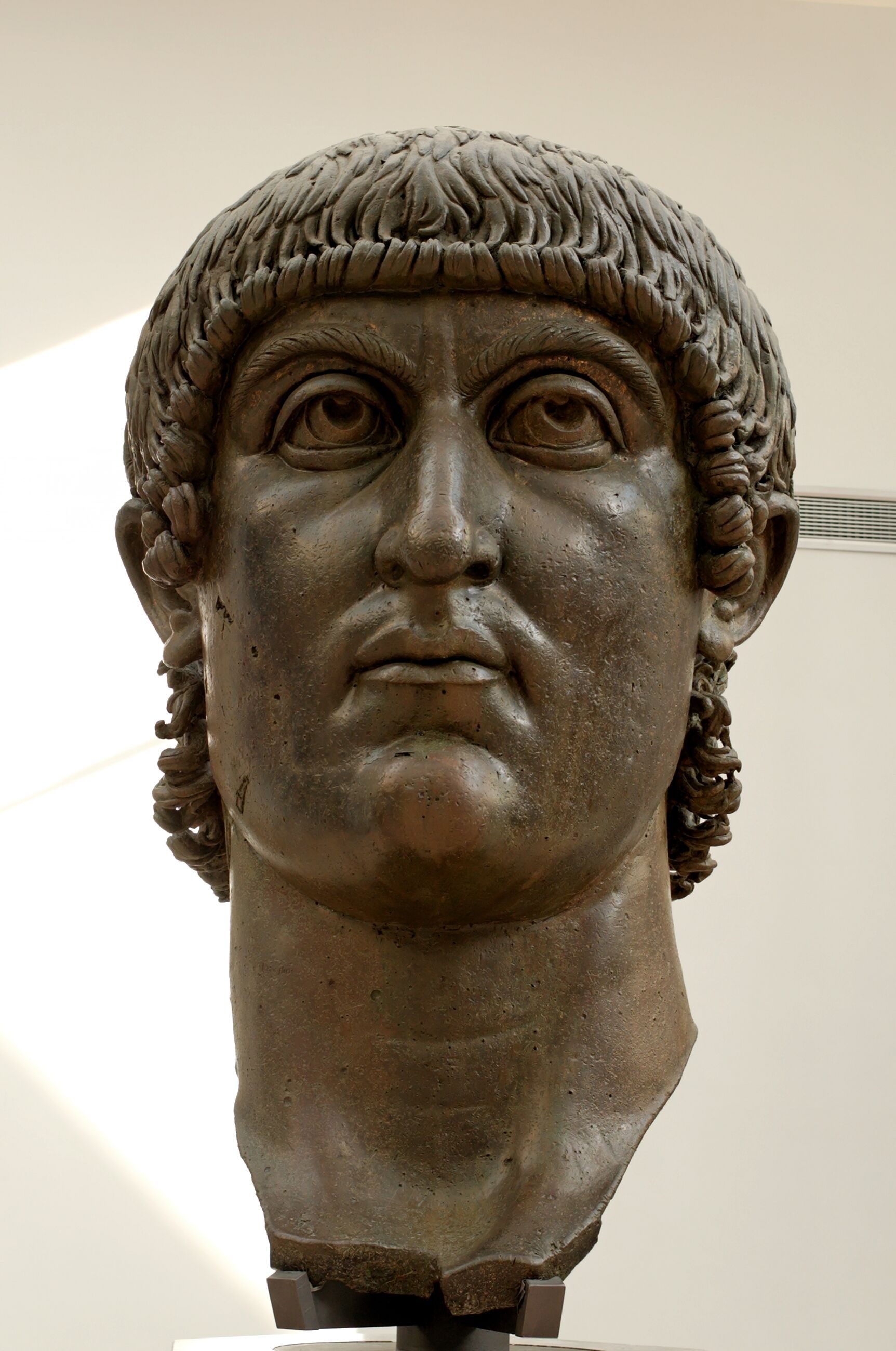 100%
100%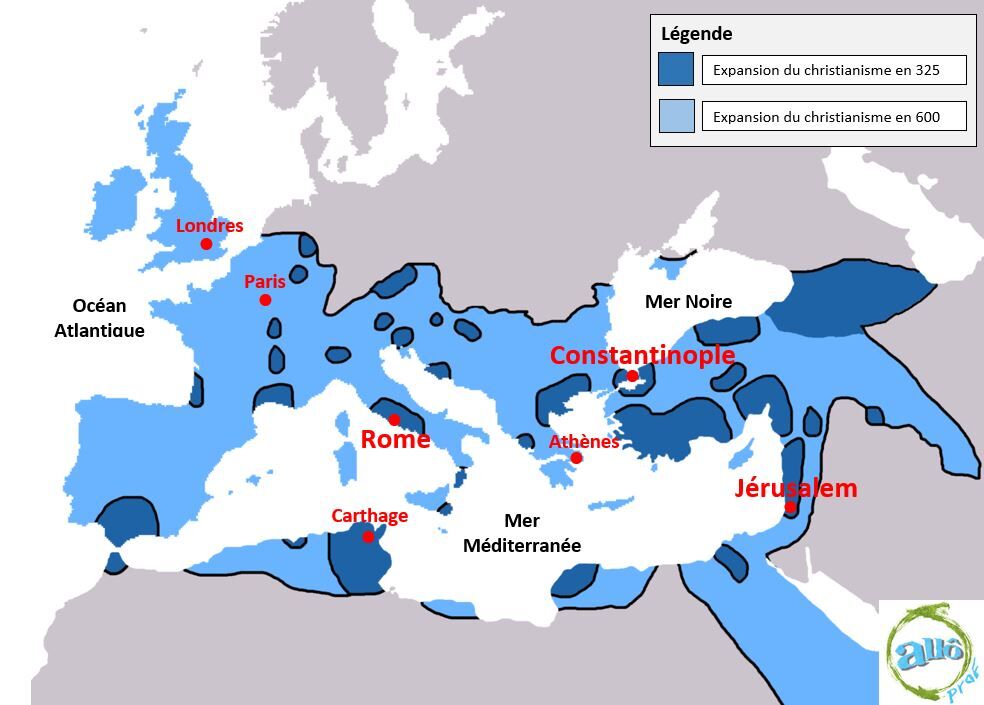 100%
100%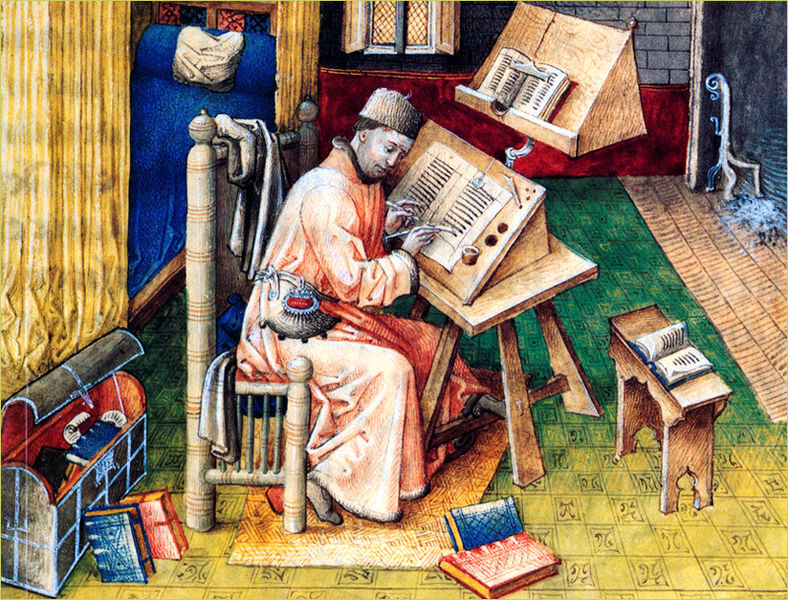 100%
100%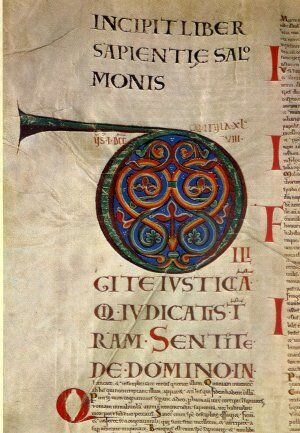

Christianity was founded with the birth and death of Jesus of Nazareth in the 1st century. After his death, his disciples wrote the Gospels, very important documents in the Catholic religion as they recount the teachings and existence of their Saviour. They set about spreading his message throughout the Roman Empire, which continued to expand its borders. However, Christianity had a long way to go before it became the most widely practised religion in the world.
Scene of the persecution of Christians in the Circus Maximus, a public building in Rome
With people rapidly converting to this new religion, Christianity spread rapidly throughout the eastern part of the Roman Empire. However, this growing popularity worried the Roman leaders, who saw it as a threat to their authority. To curb the spread of this new religion, they began to persecute Christians (subjecting them to cruel treatment), many of whom died during these difficult years.
Bust of the Emperor Constantine
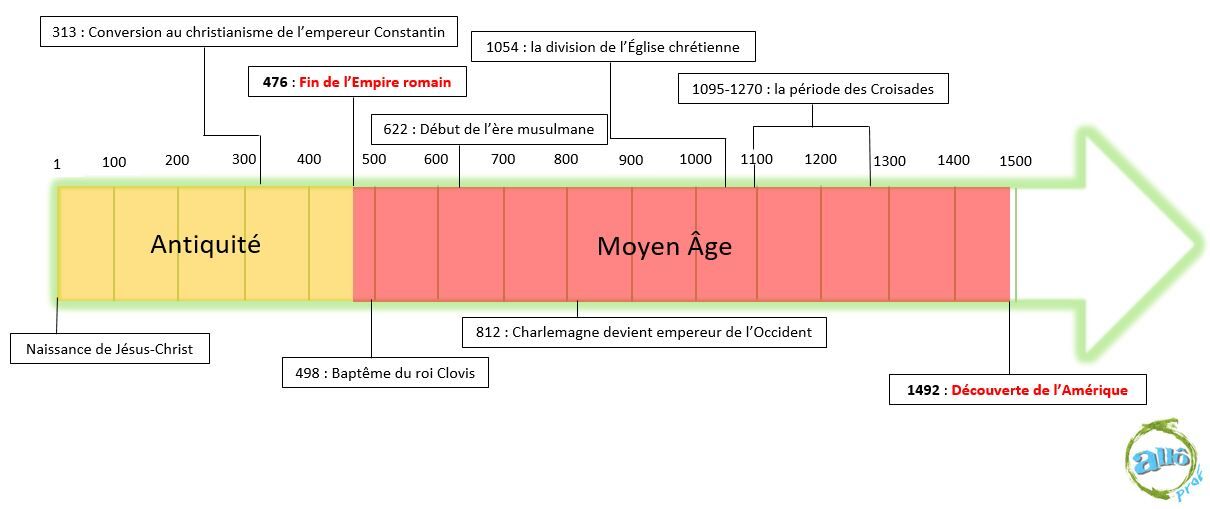
Against all odds, faced with the scale and importance of Christianity in the Roman Empire, Emperor Constantine converted to it in 313. Despite this major event, it was more than 60 years later, in 380, that Christianity became the official religion of the Empire under Emperor Theodosius 1st.
With this official recognition, Christianity spread throughout Europe and the East. By the time the Western Roman Empire fell to barbarian invasions in 476, the Christian religion had already taken root in several of Europe's Roman provinces. Moreover, the future of the Church seemed assured when Clovis, the Germanic king of the Franks, was baptised in 498.
The Expansion of Christianity between 325 and 600 around the Mediterranean
Gradually, the kings of the small European kingdoms joined forces with the Church. In this way, the sovereigns gained the support of the powerful religious institution. In exchange, the Church now had access to the population of these kingdoms, which it could convert and thus increase its influence over Western European society.
Since the break-up of the Roman Empire into smaller kingdoms, many elements of this ancient power have disappeared while others have survived. This continuity between the Empire and the transition to the Middle Ages is demonstrated by two elements: the presence of Christianity and the use of the Latin language. Latin was spoken by the clergy and was spreading quietly among the European nobility. Latin was also the language of writing for copyist monks throughout the Middle Ages.