Subjects
Grades
When Europeans first arrived on the American continent, they believed they had reached India by a new route. This is why, when they came into contact with the inhabitants of the new continent, they called them Indians. Later, when the Europeans realised that they had landed in America and not in India, they changed the term to Amerindians.
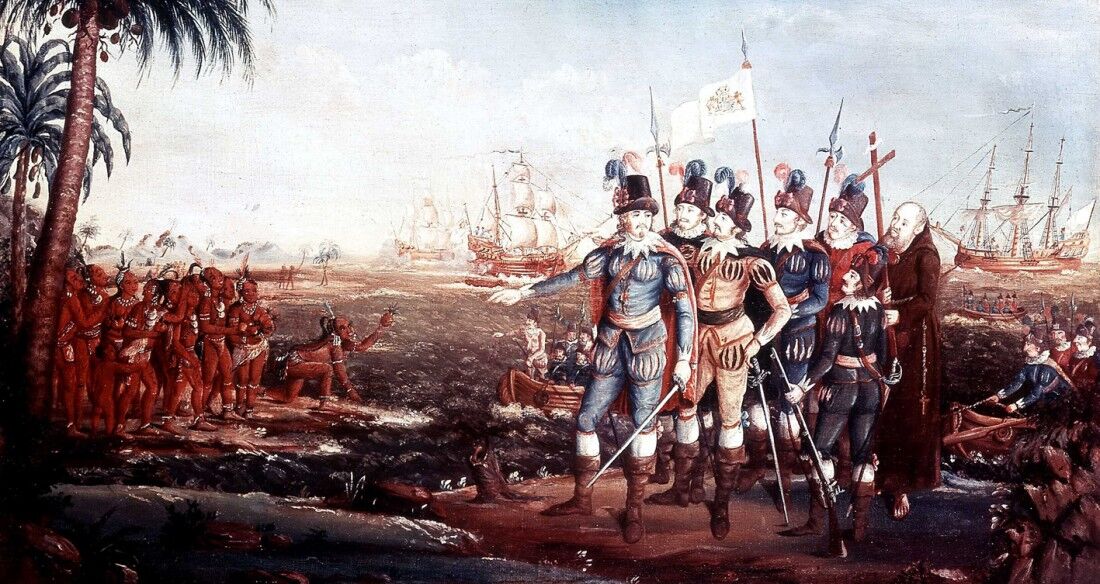
The arrival of Europeans in America
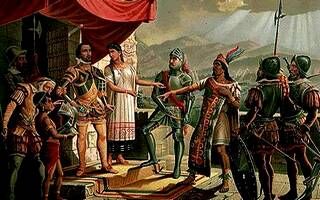
Before the arrival of the Europeans, there were already well-established civilisations in America. So there was a real cultural clash between the first Europeans to set foot in America and the peoples who had already settled there. In the north of America, near present-day Canada, it was the Iroquoians and Algonquians who inhabited the land. Further south, in present-day Central and South America, the Aztecs and Incas shared the region.
| |
Territory |
Lifestyle |
Structure sociale | Habitation | Activité(s) de subsistance |
|
Iroquoians |
St. Lawrence Lowlands | Sedentary | Clans | Maison longue | Agriculture |
|
Algonquians |
Canadian Shield | Nomad | Tribus | Wigwam | Chasse et pêche |
|
Aztecs |
Mexico | Sedentary | Empire | Maison de bois et d'argile | Agriculture |
|
Incas |
Peru, Ecuador, Colombia, Bolivia, Argentina and Chile | Sedentary | Empire | Maison de pierre | Agriculture et élevage |
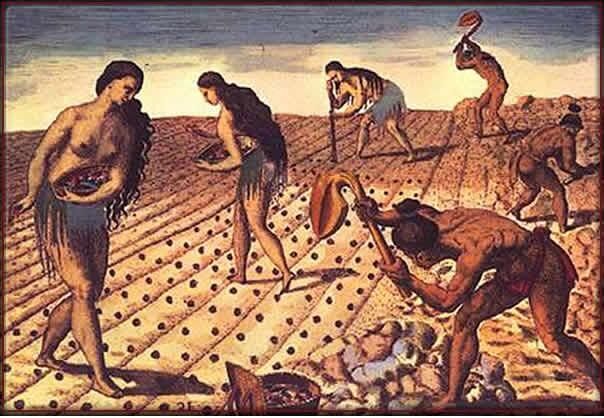
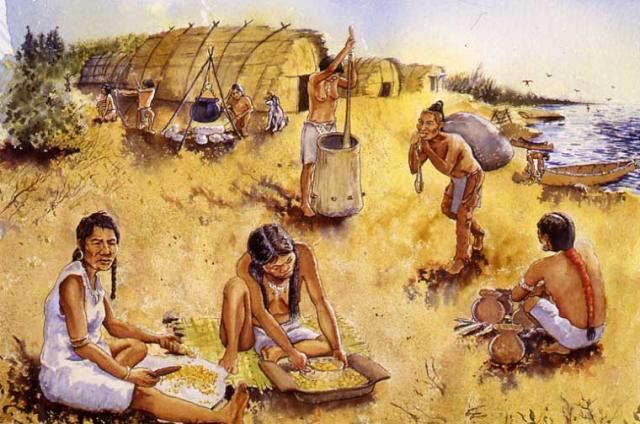
This sedentary people lived mainly from agriculture and settled in the St. Lawrence valley, among other places. They grow squash, corn and beans. As they are sedentary, their dwellings are fairly permanent, and are known as longhouses. The Iroquoian social system is matriarchal, meaning that it is dominated by female authority.
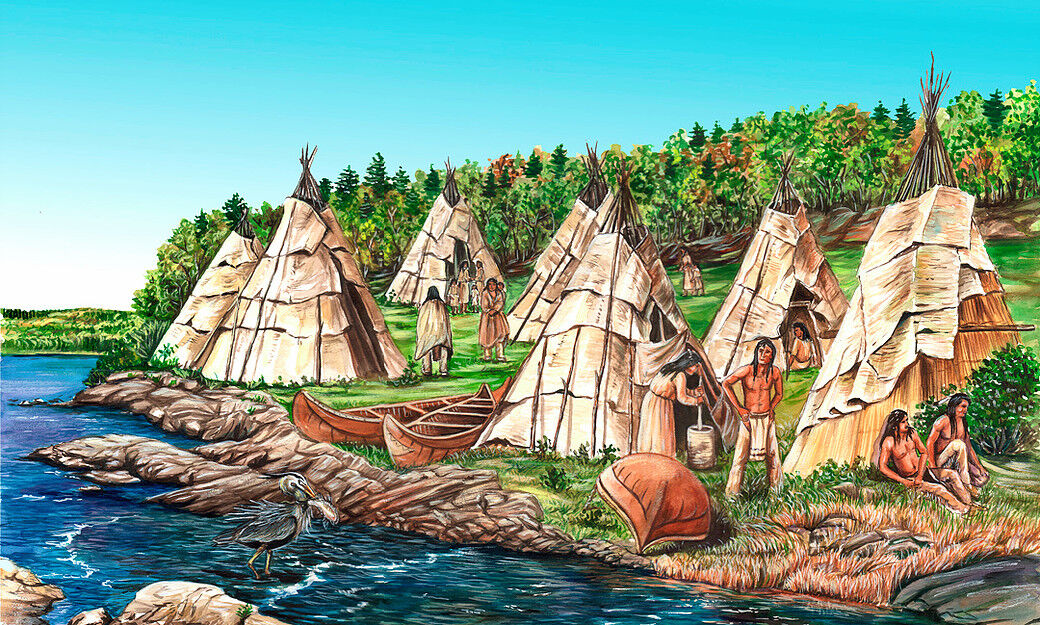
The Aboriginals, known as Algonquians, are a nomadic people who live mainly from hunting and fishing. They live on the Canadian Shield in wigwams. This type of dwelling is temporary, as they have to move regularly to keep up with the herds. Unlike the Iroquoians, their social system is patriarchal.
Since 1325, long before the first explorers set foot in America, the Aztecs have inhabited the region of present-day Mexico and Central America. Their main source of income was swamp farming, an ingenious form of agriculture that they developed to produce, among other things, tobacco and cocoa, two substances much prized by Europeans.
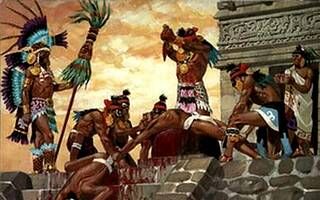
Architecture and art were highly developed among the Aztecs. They calculated time using a complex calendar in which not all years had the same number of days. The Aztecs were also polytheists. They mainly worshipped the gods of war and the sun, who, according to their beliefs, regularly demanded human sacrifices using prisoners of war. As for power, it is held by a small group of individuals, as in Europe.
When Europeans arrived in America, the Incas were living in what is now Chile and Ecuador. Like the Aztecs, they made a living from farming, but also from rearing llamas and alpacas, which provided them with food, wool and leather.
The Incas operate a cashless system. They had to contribute to society by doing public and collective work. They have a good knowledge of astronomy and calculate time using a 12-month calendar.
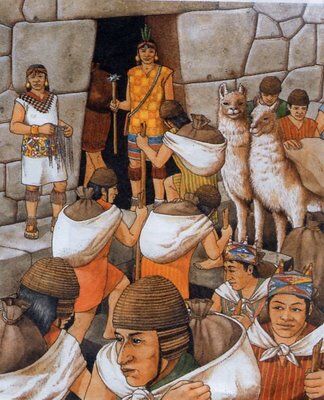
Inca people
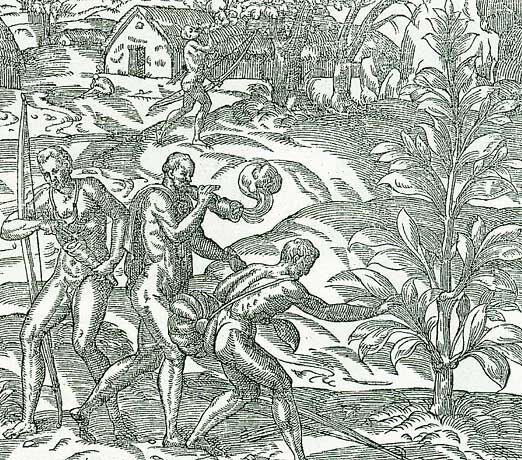
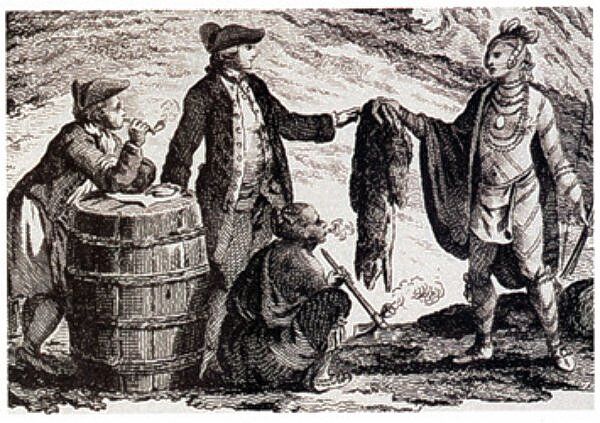
Products from America were highly sought after by Europeans at the time. Precious metals, such as gold, were highly prized by people on the old continent. Other products such as tobacco and fur were also imported.
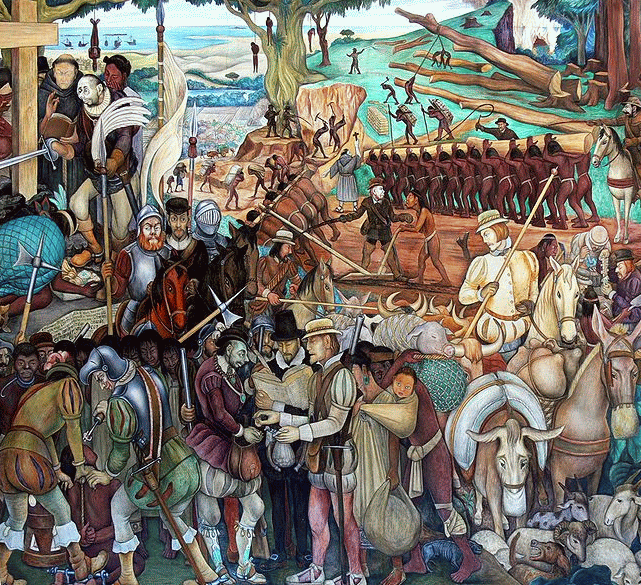
From the moment they arrived on American soil, the Europeans regarded the inhabitants as an inferior people. They imposed their culture, way of life and beliefs on the natives. In fact, the natives, who had previously been nomads, were forced to become sedentary.
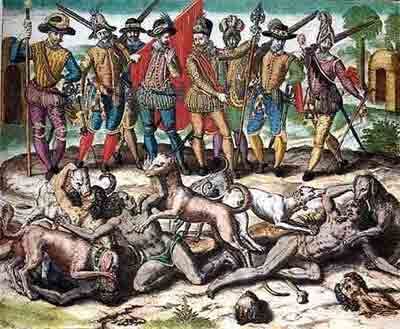
Unfortunately, the natives were also taken as slaves or savagely exterminated in veritable massacres. At other times, diseases against which the natives have not developed antibodies wreak havoc on the indigenous populations.
The consequences of the great European explorations on the indigenous peoples were very negative. The Europeans of the time used the American territory and its people as if they owned them, ignoring the interests of the existing populations.