Subjects
Grades
 100%
100%
 100%
100%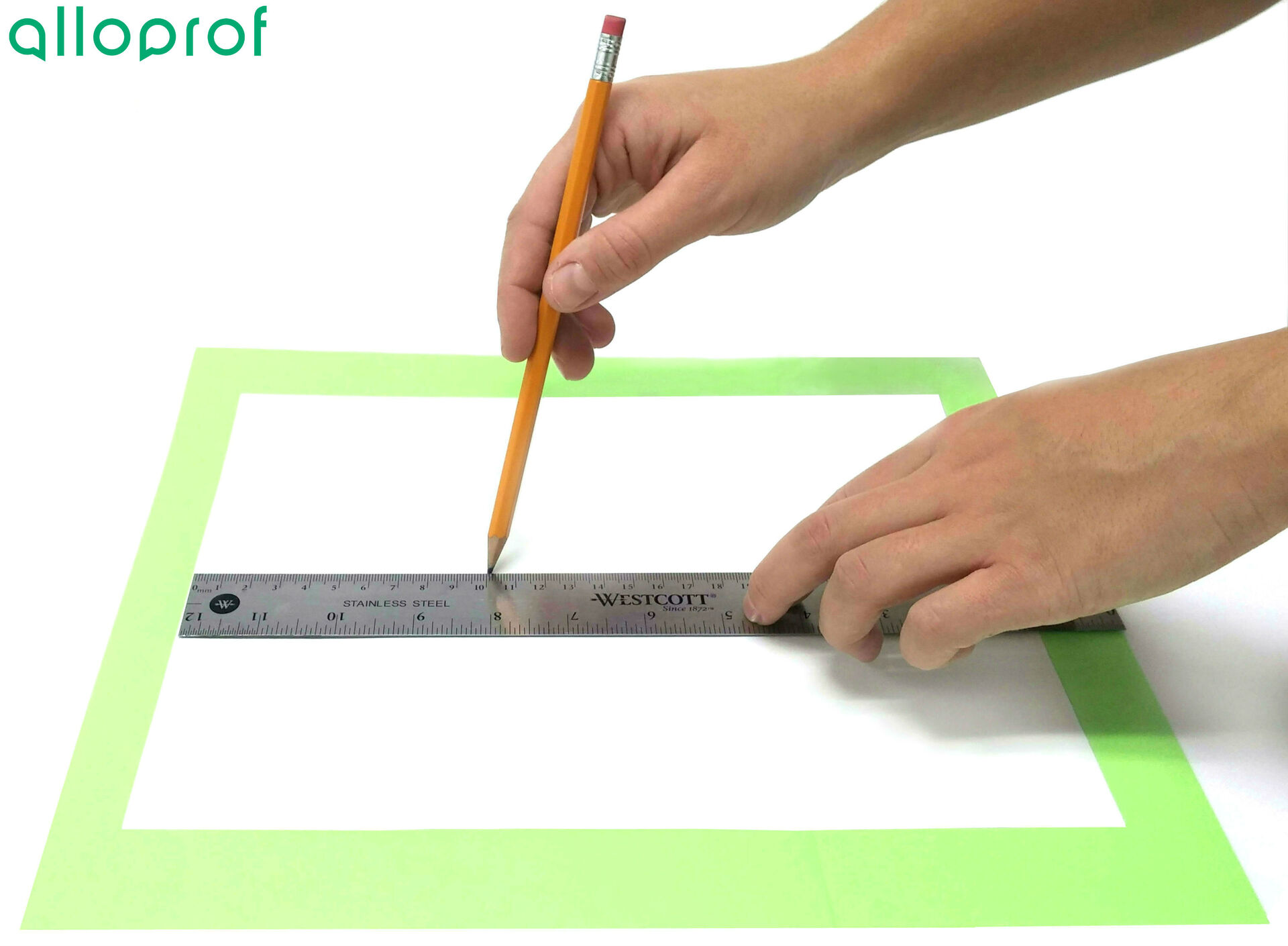 100%
100%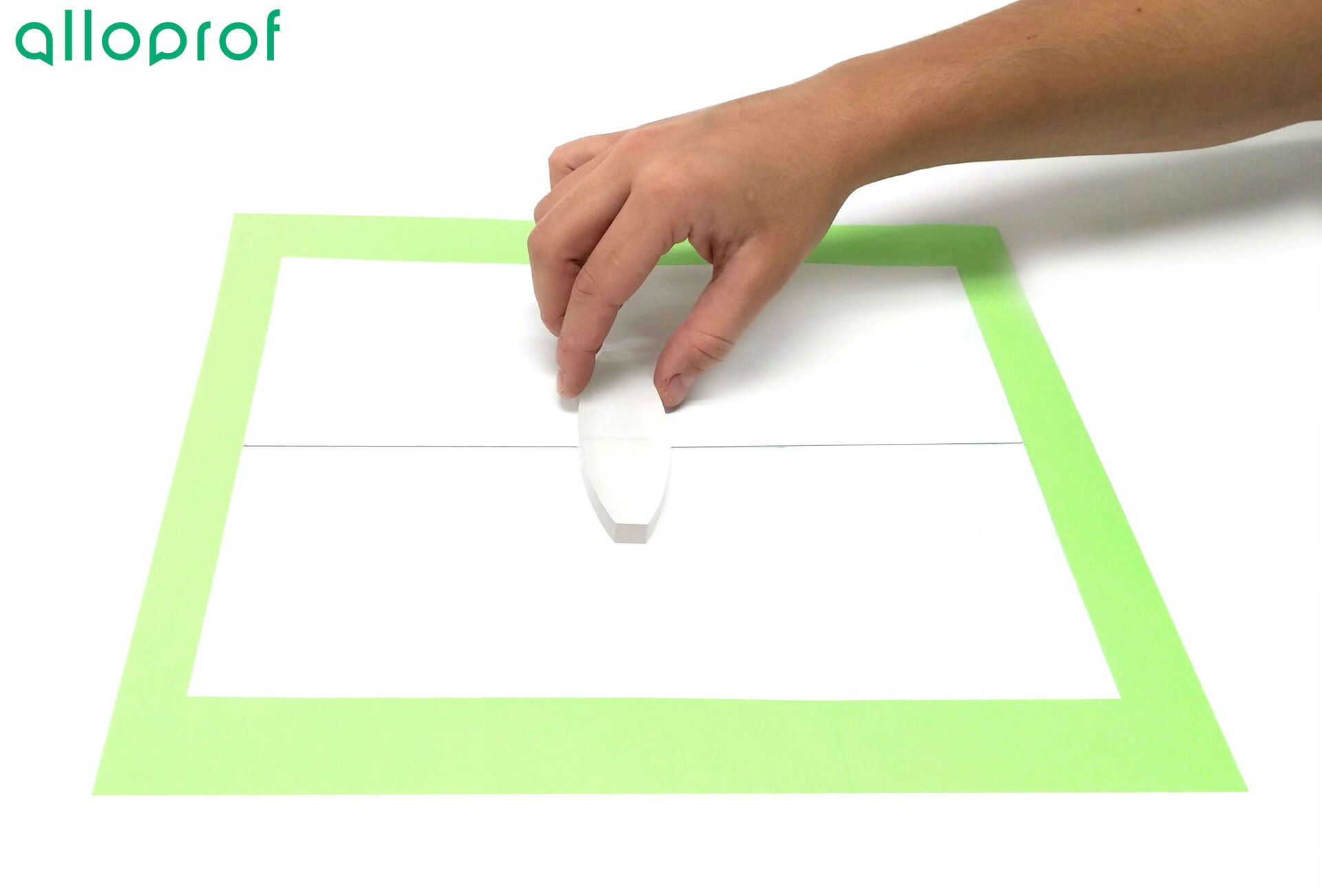 100%
100%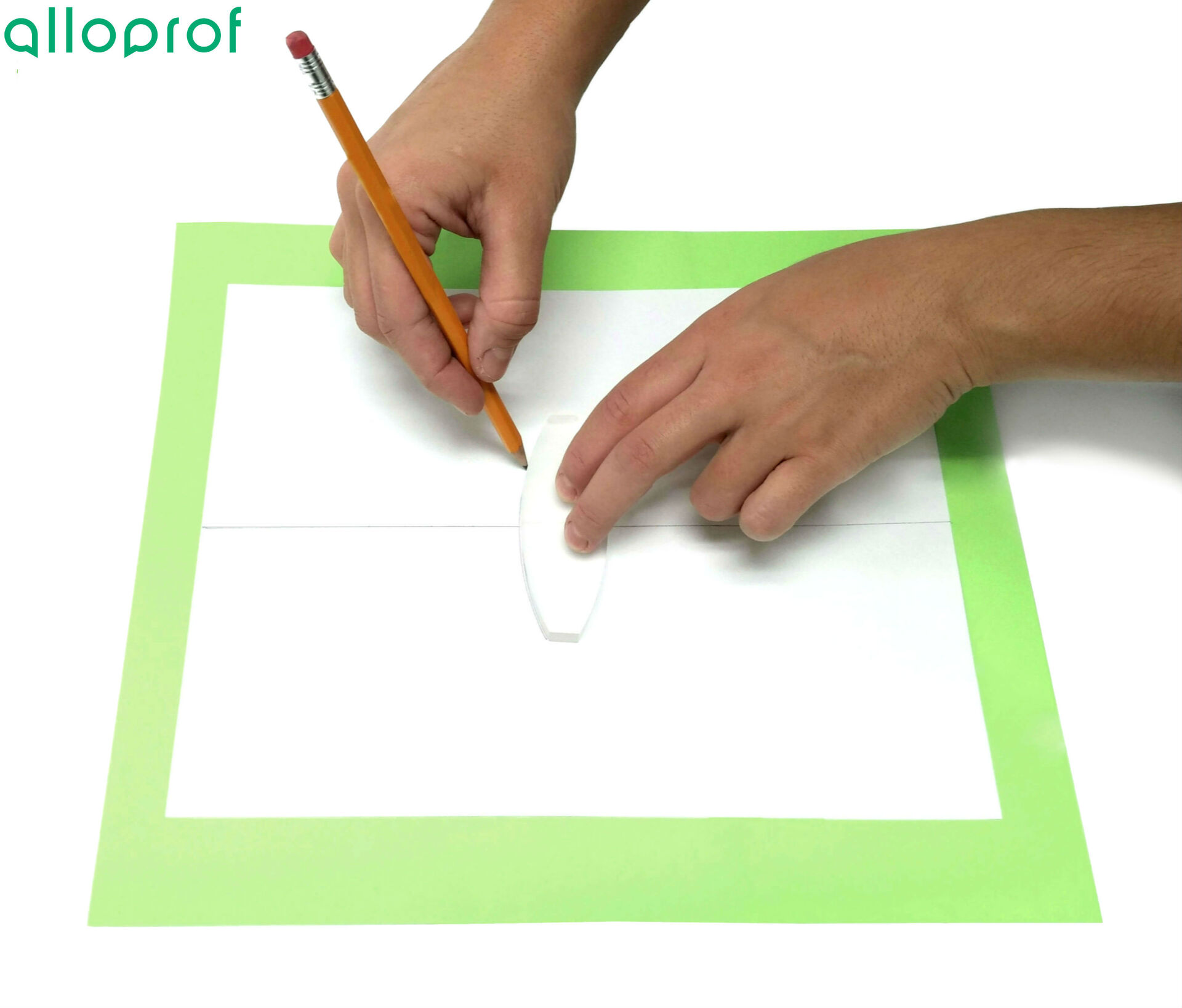 100%
100%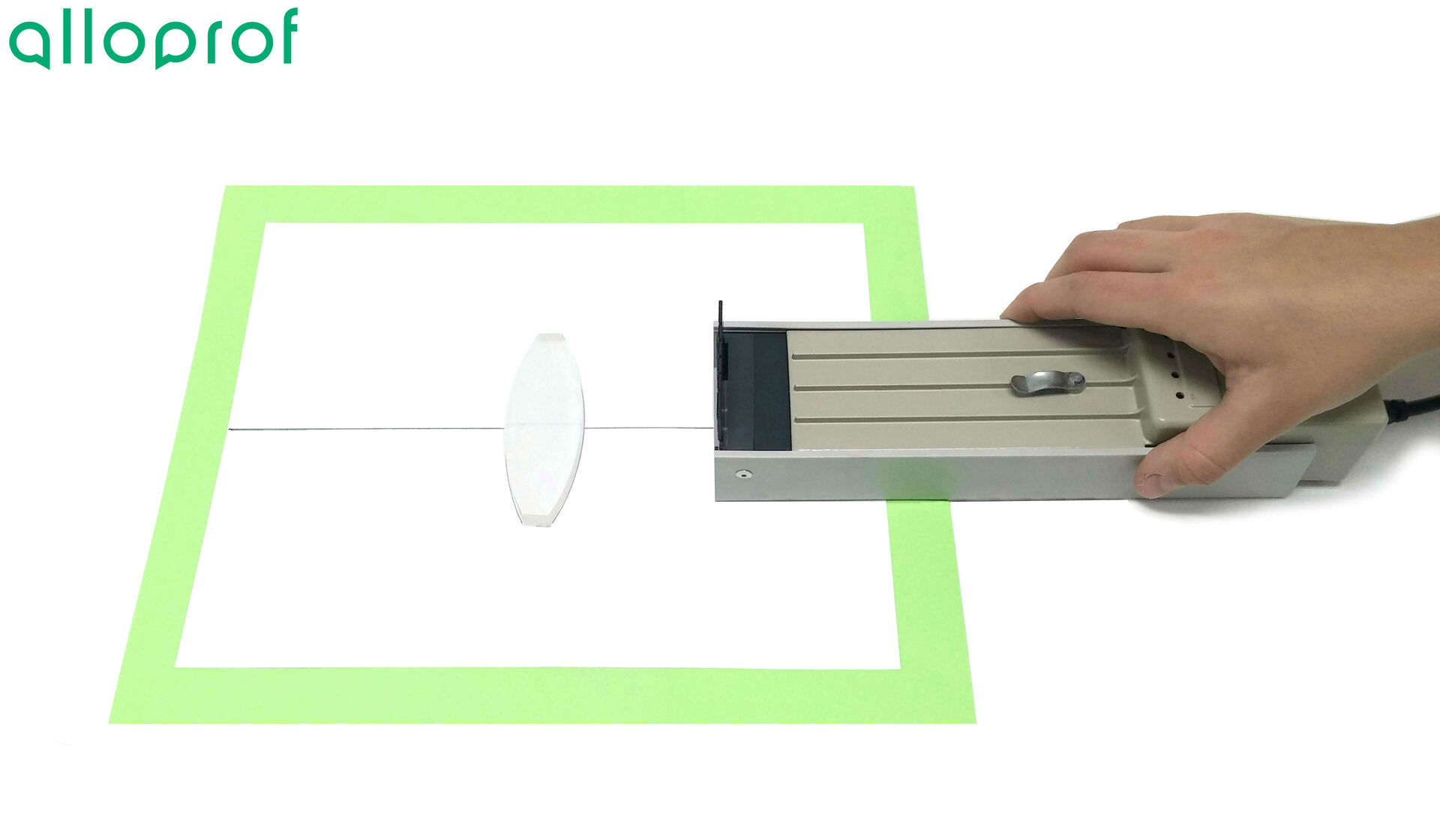 100%
100%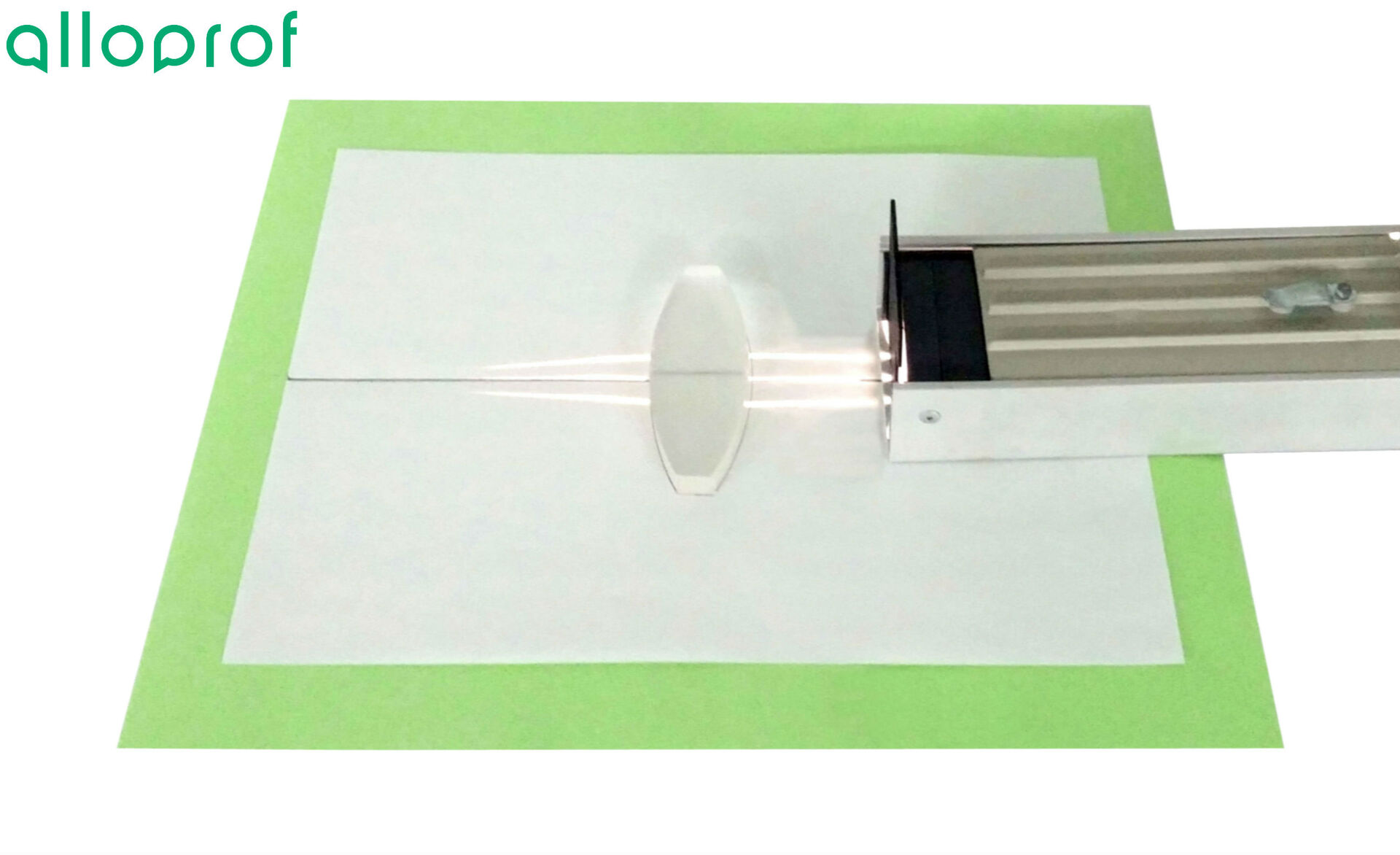 100%
100%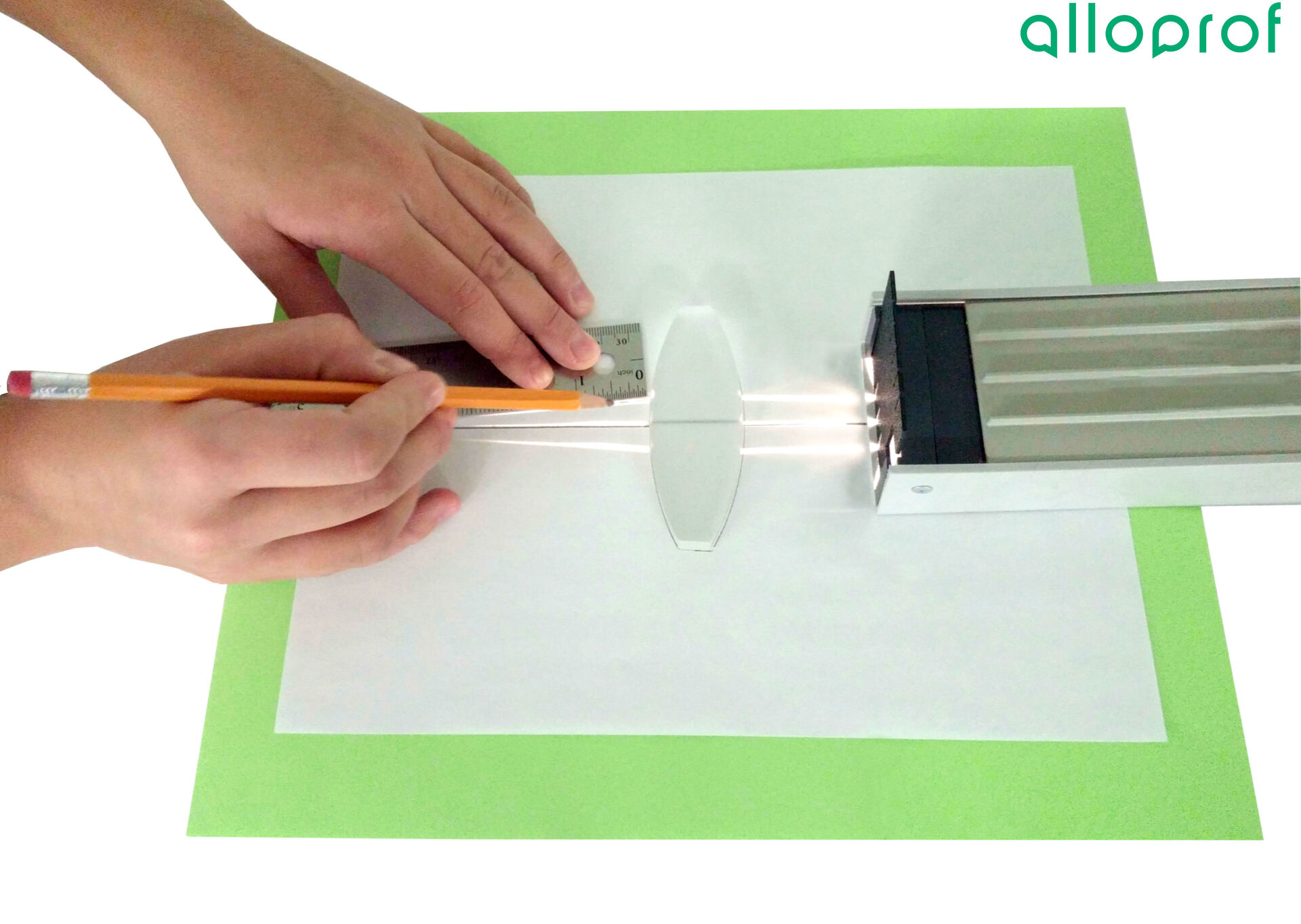 100%
100%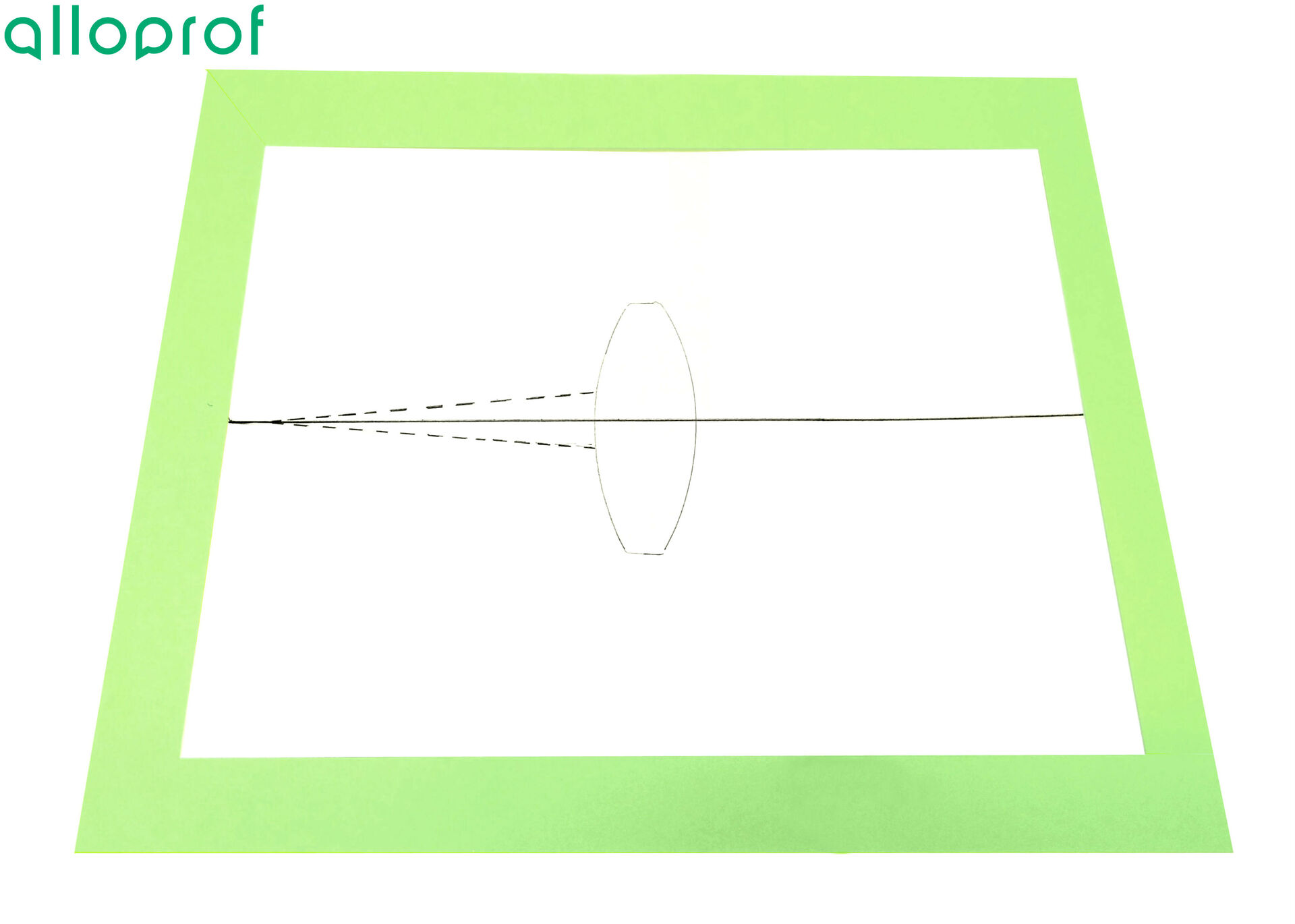 100%
100%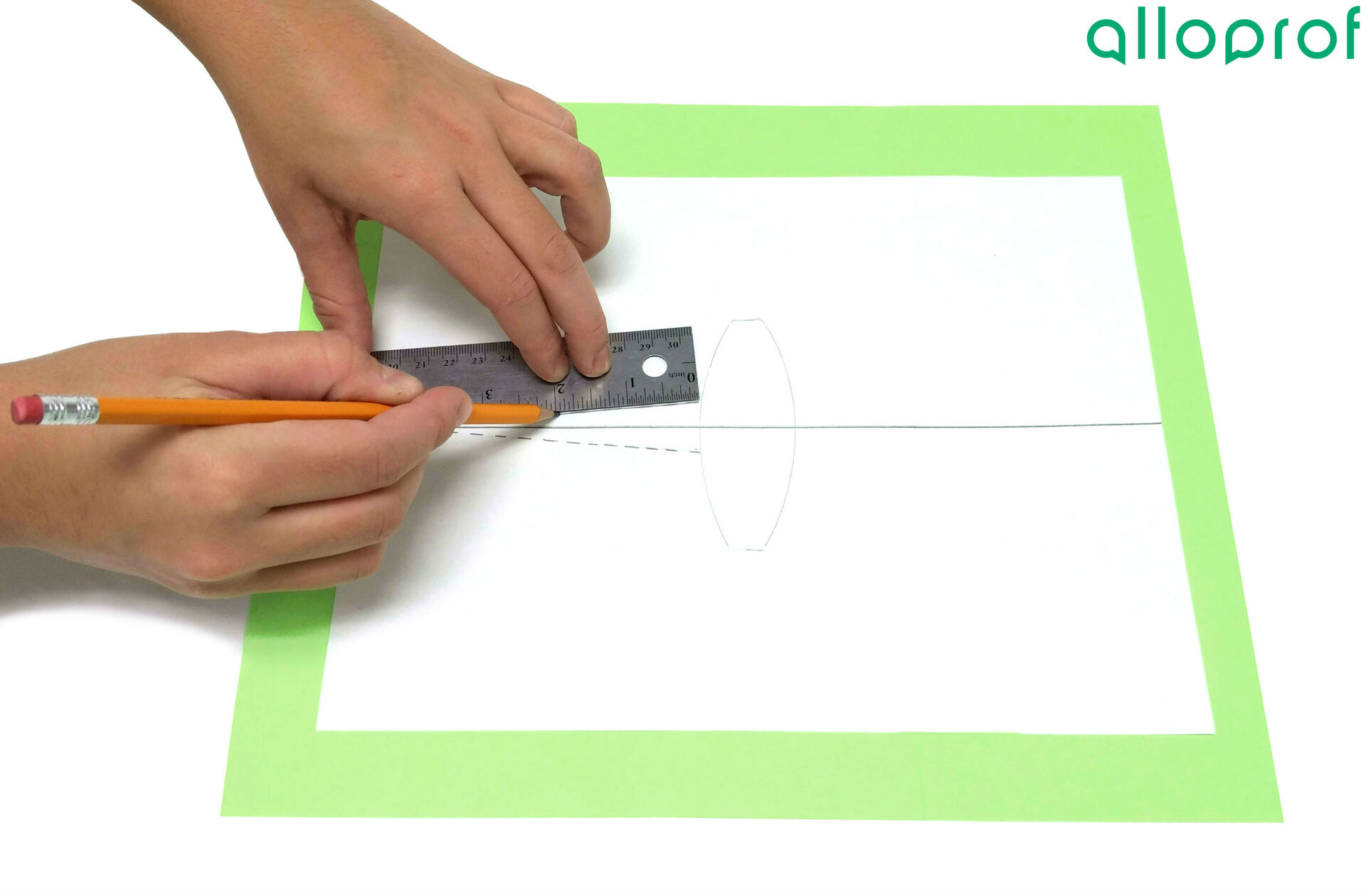 100%
100%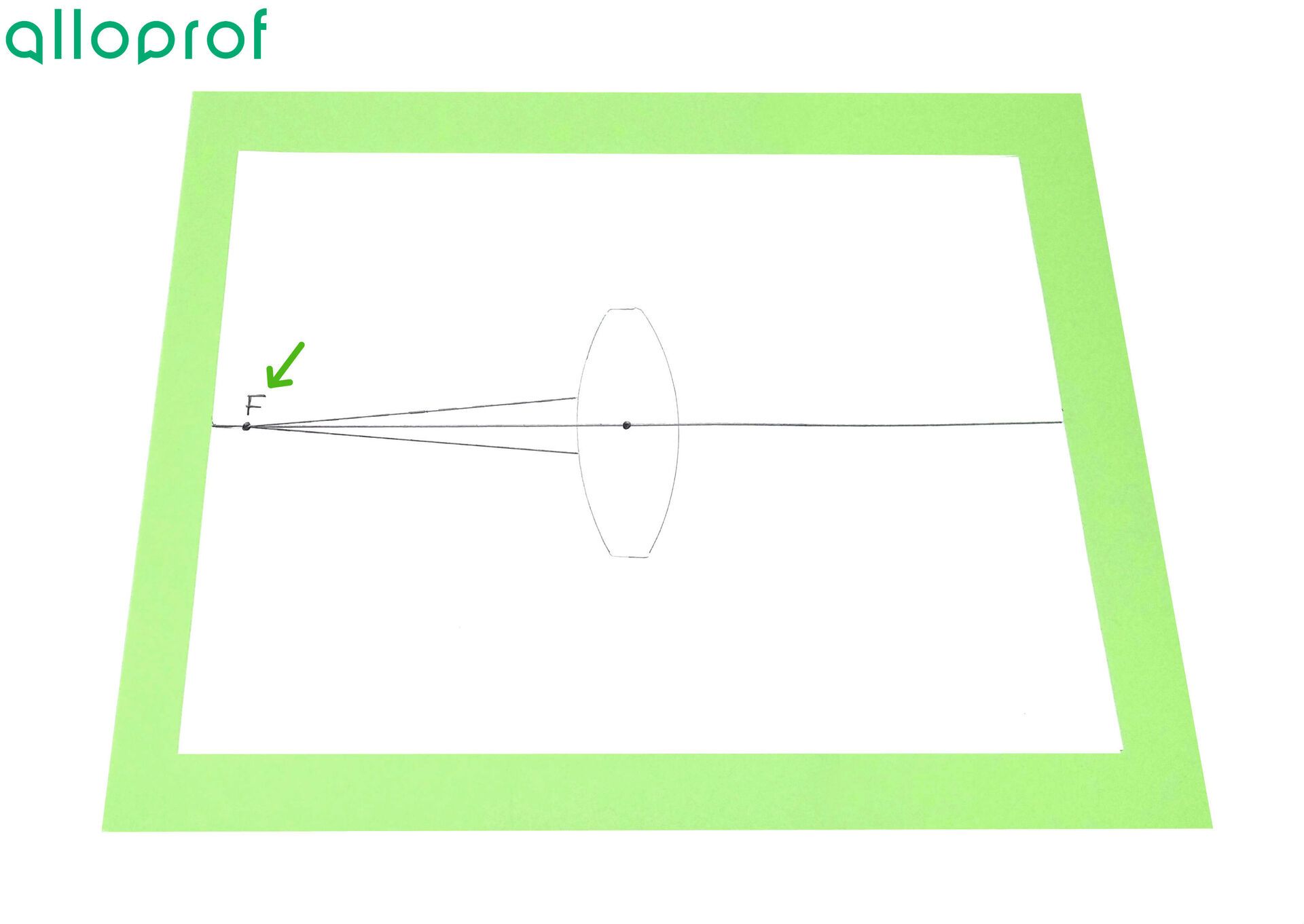 100%
100%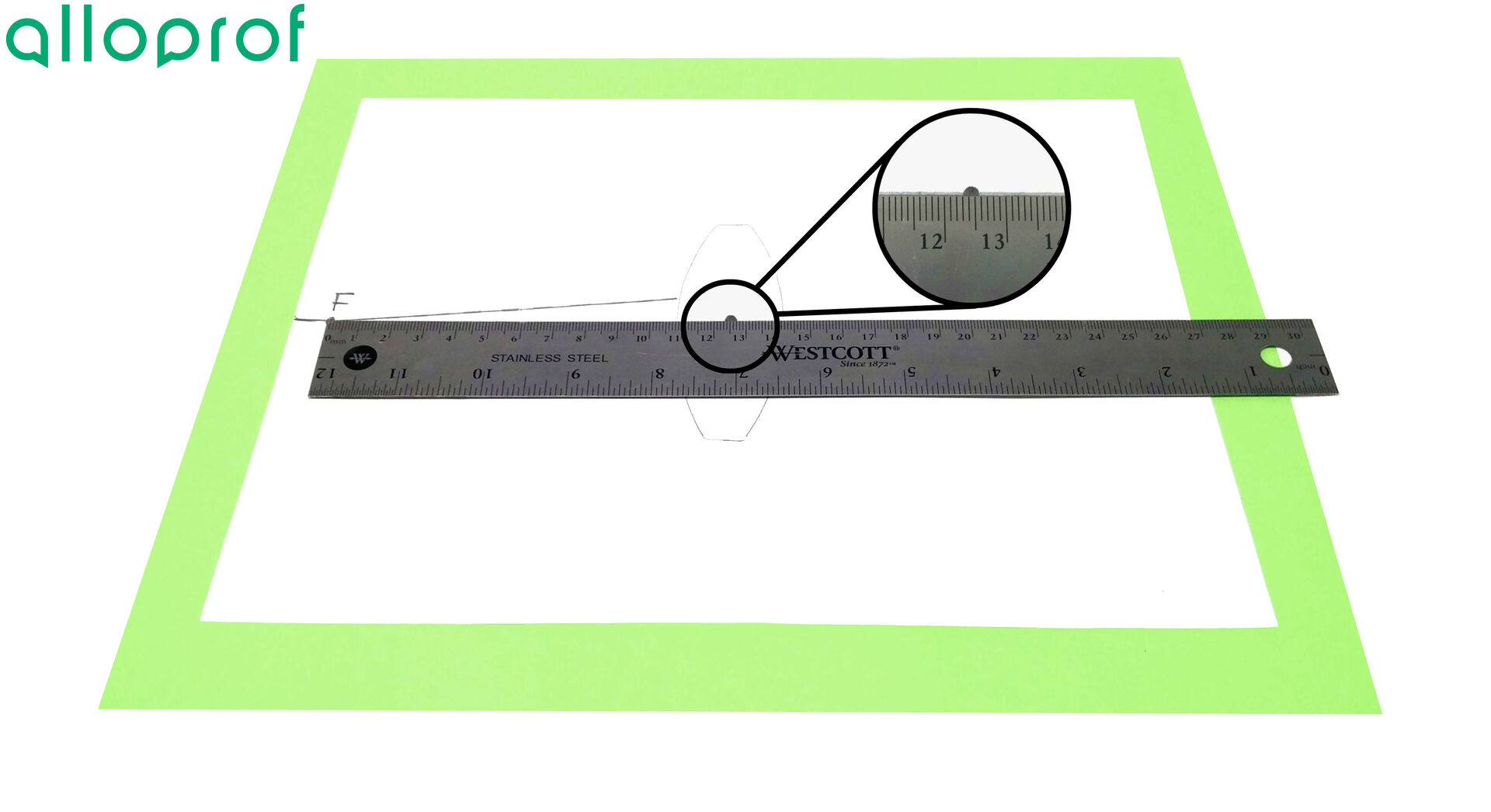 100%
100%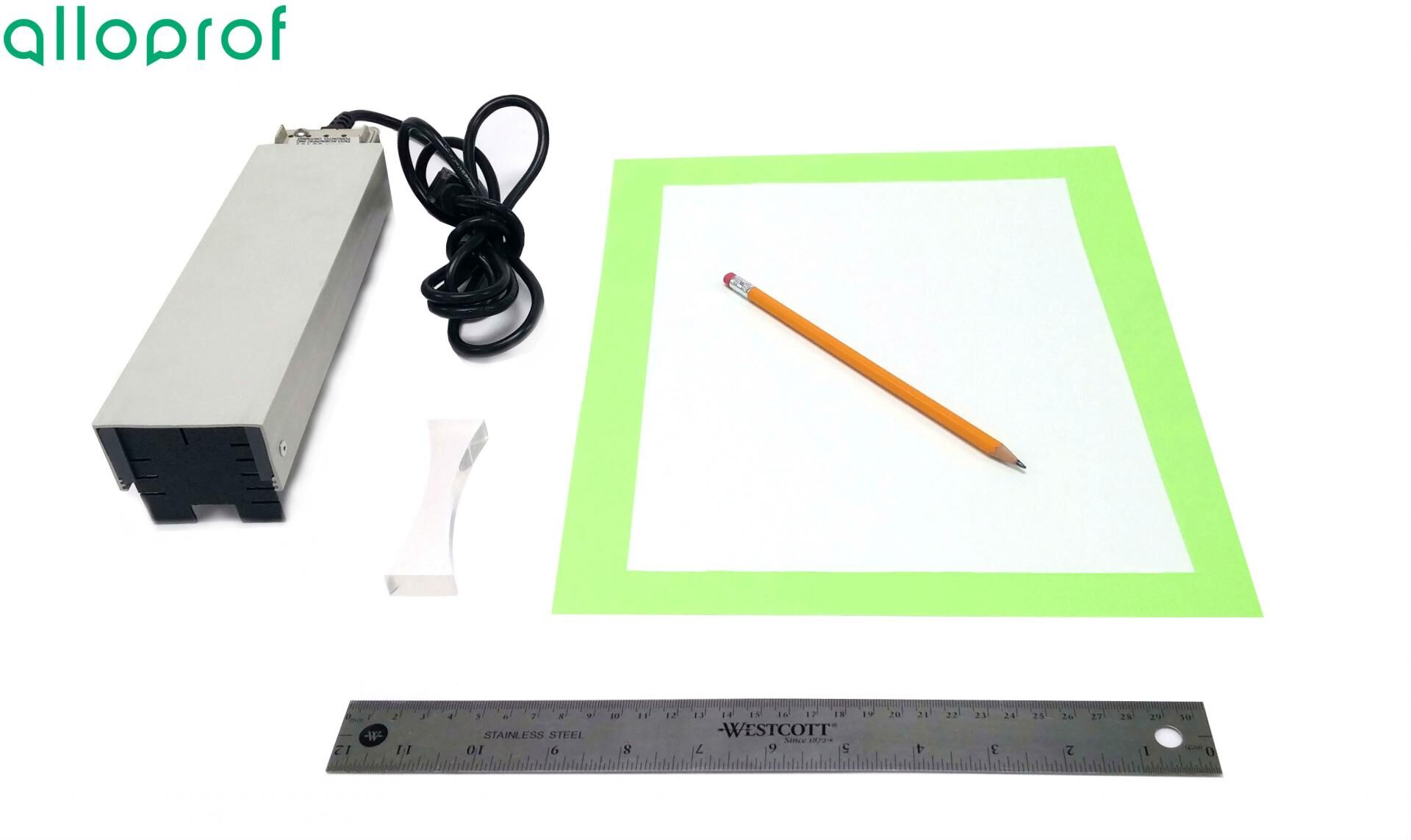 100%
100%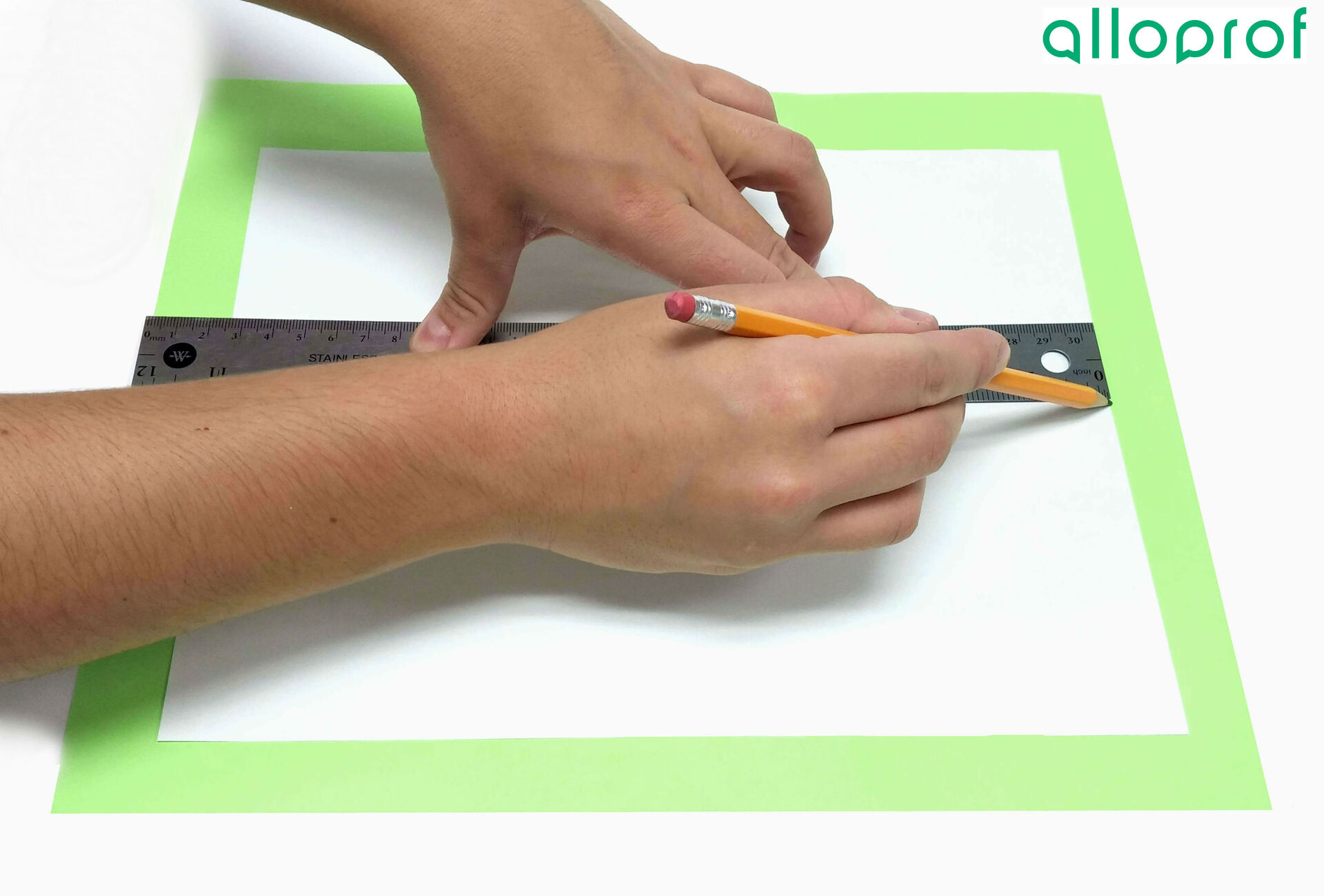 100%
100%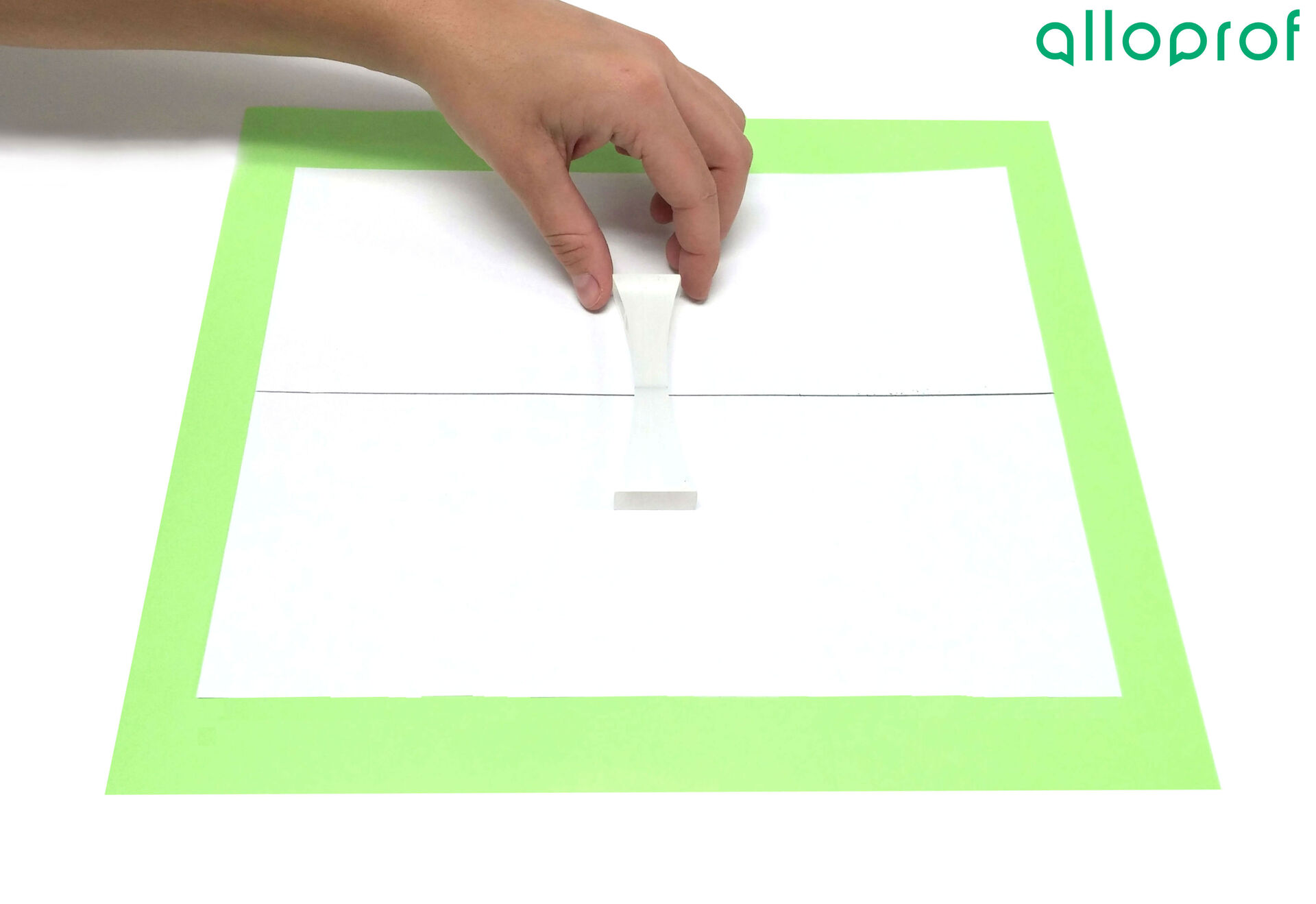 100%
100%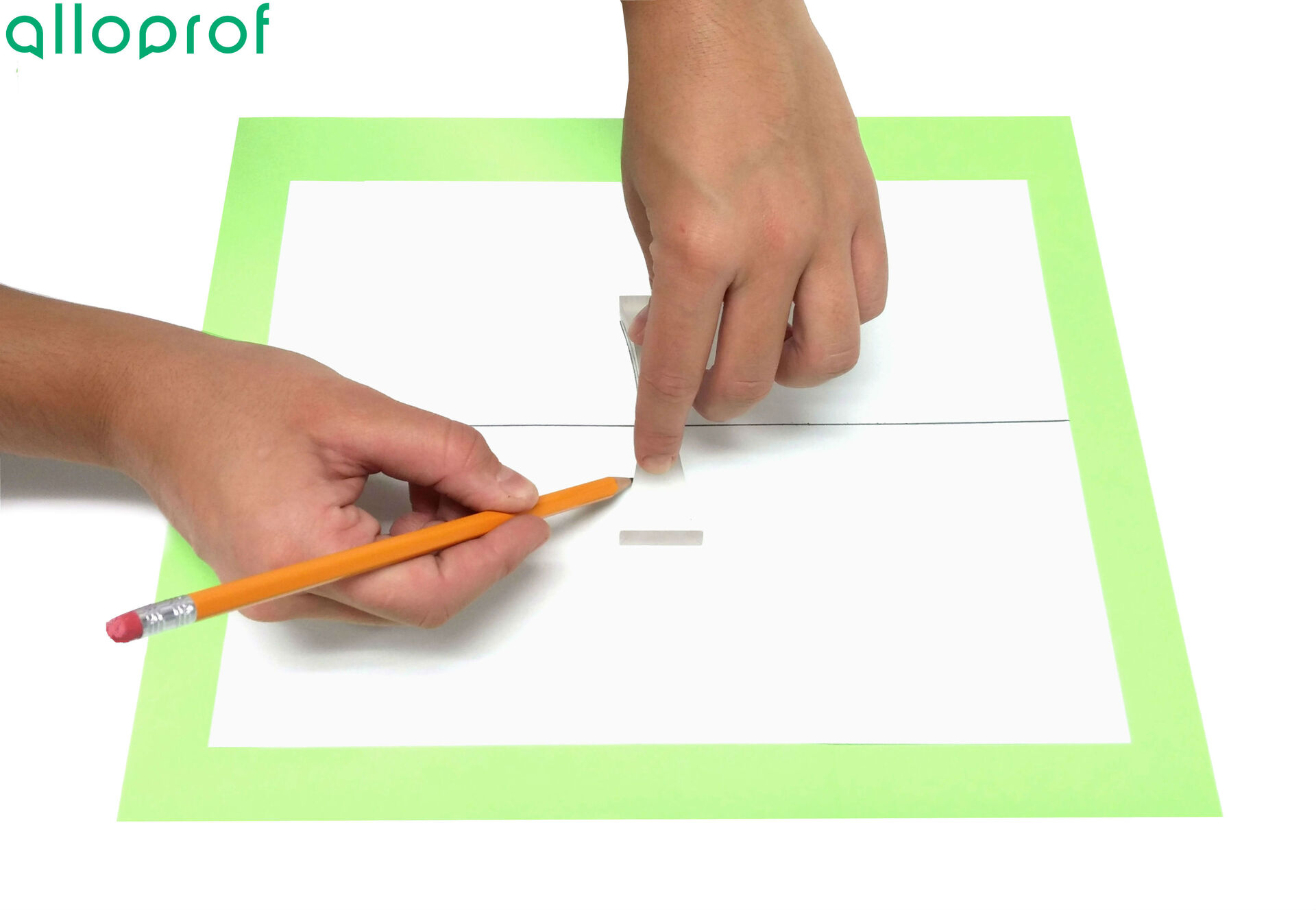 100%
100%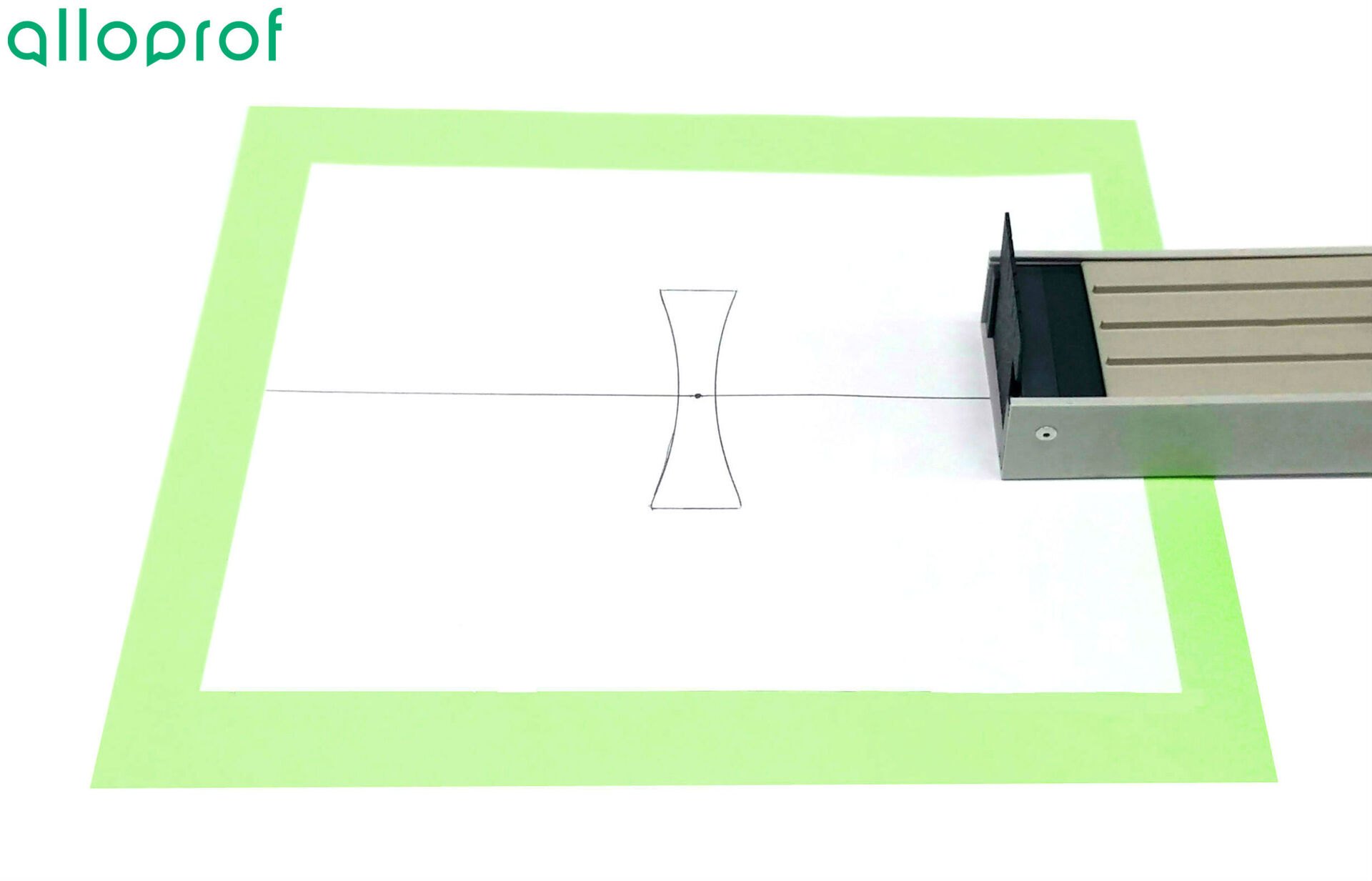 100%
100%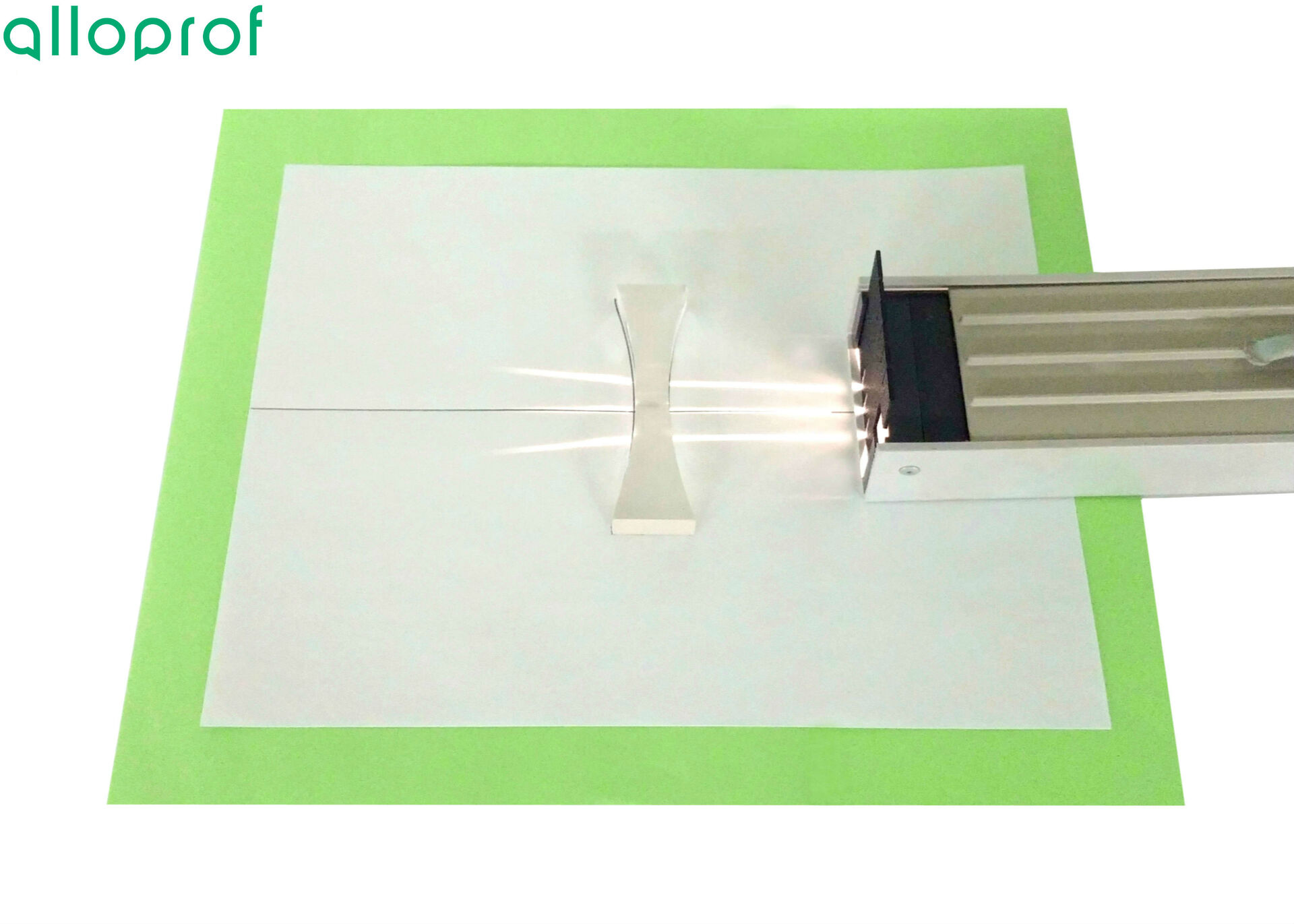 100%
100%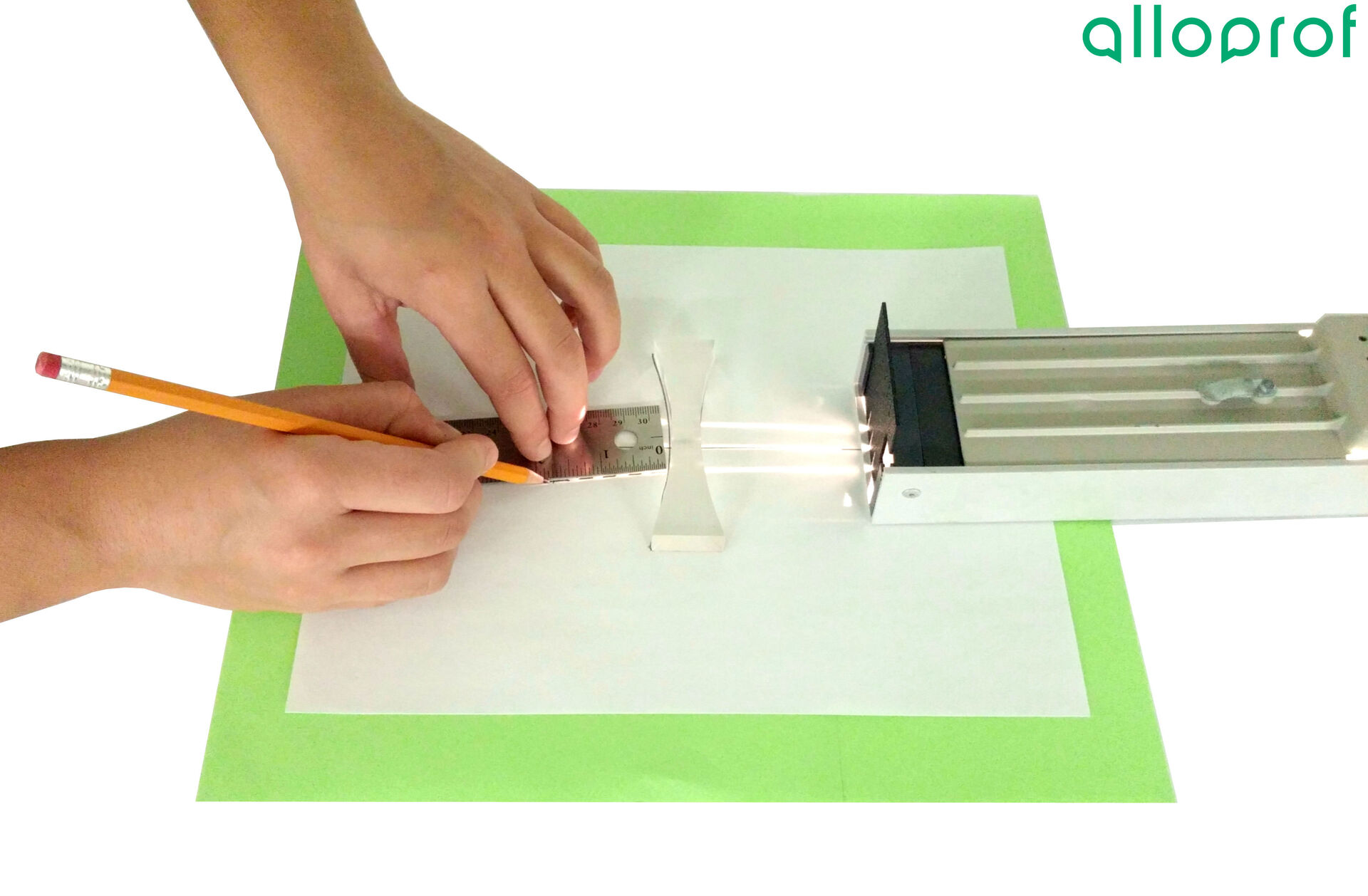 100%
100%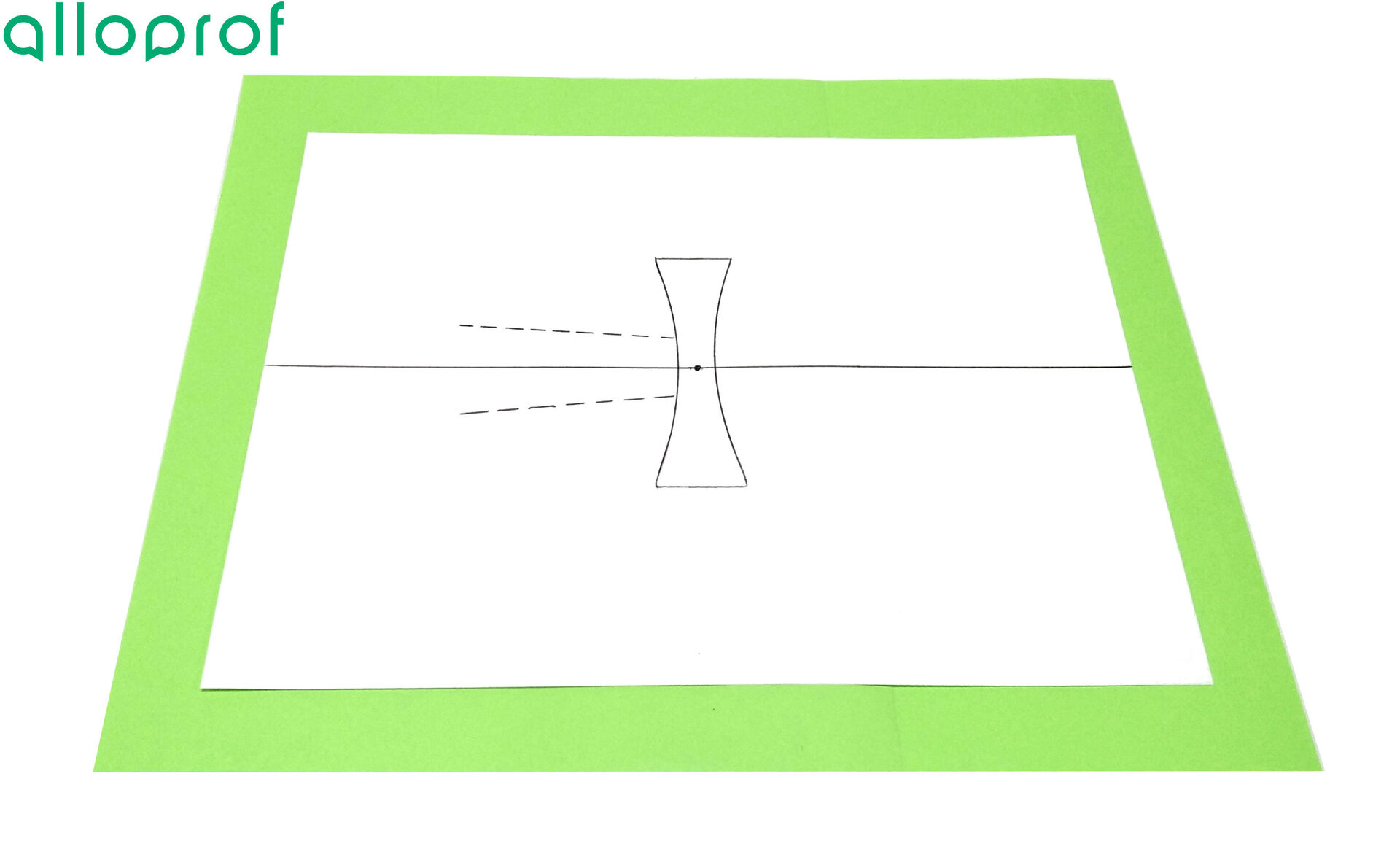 100%
100%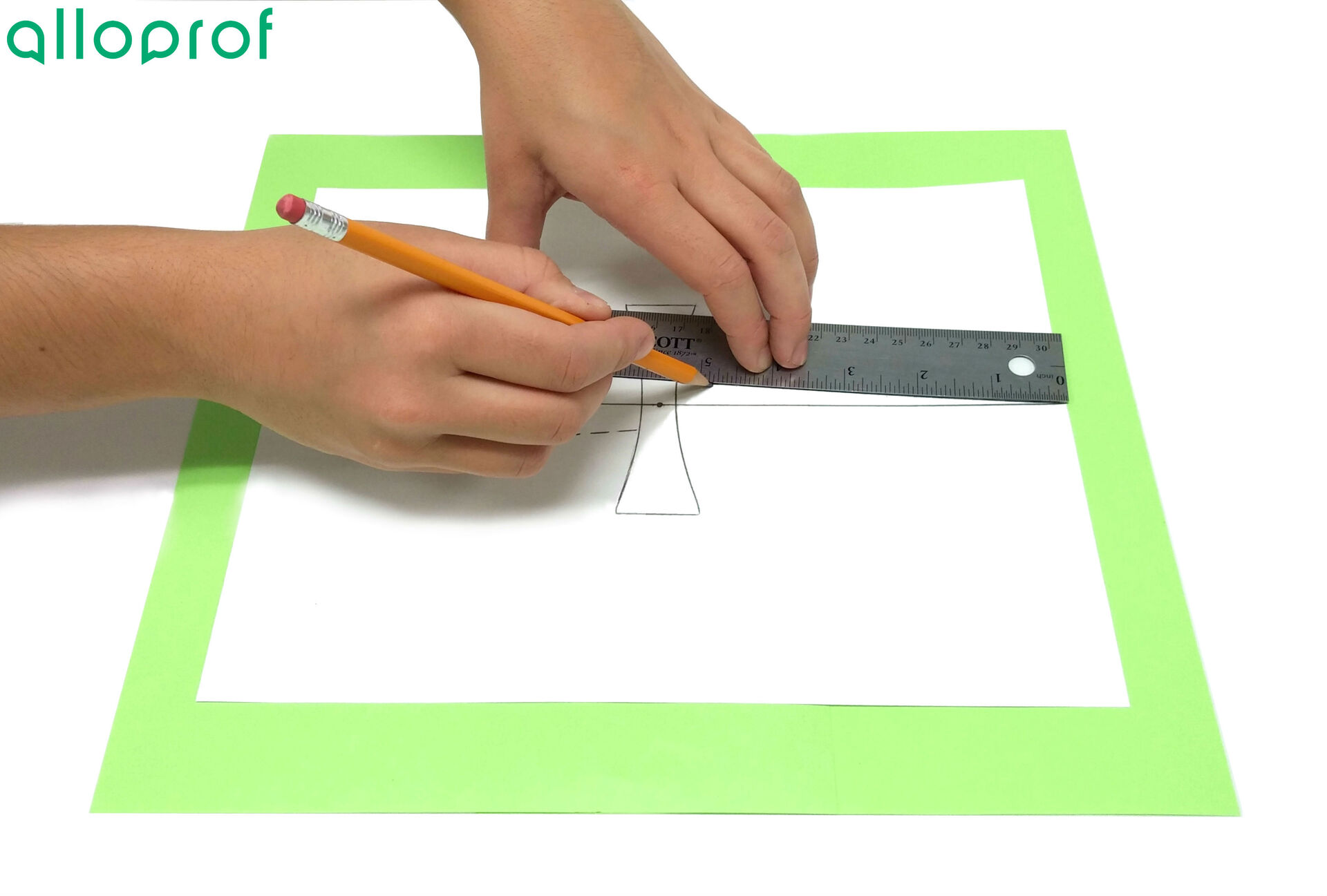 100%
100%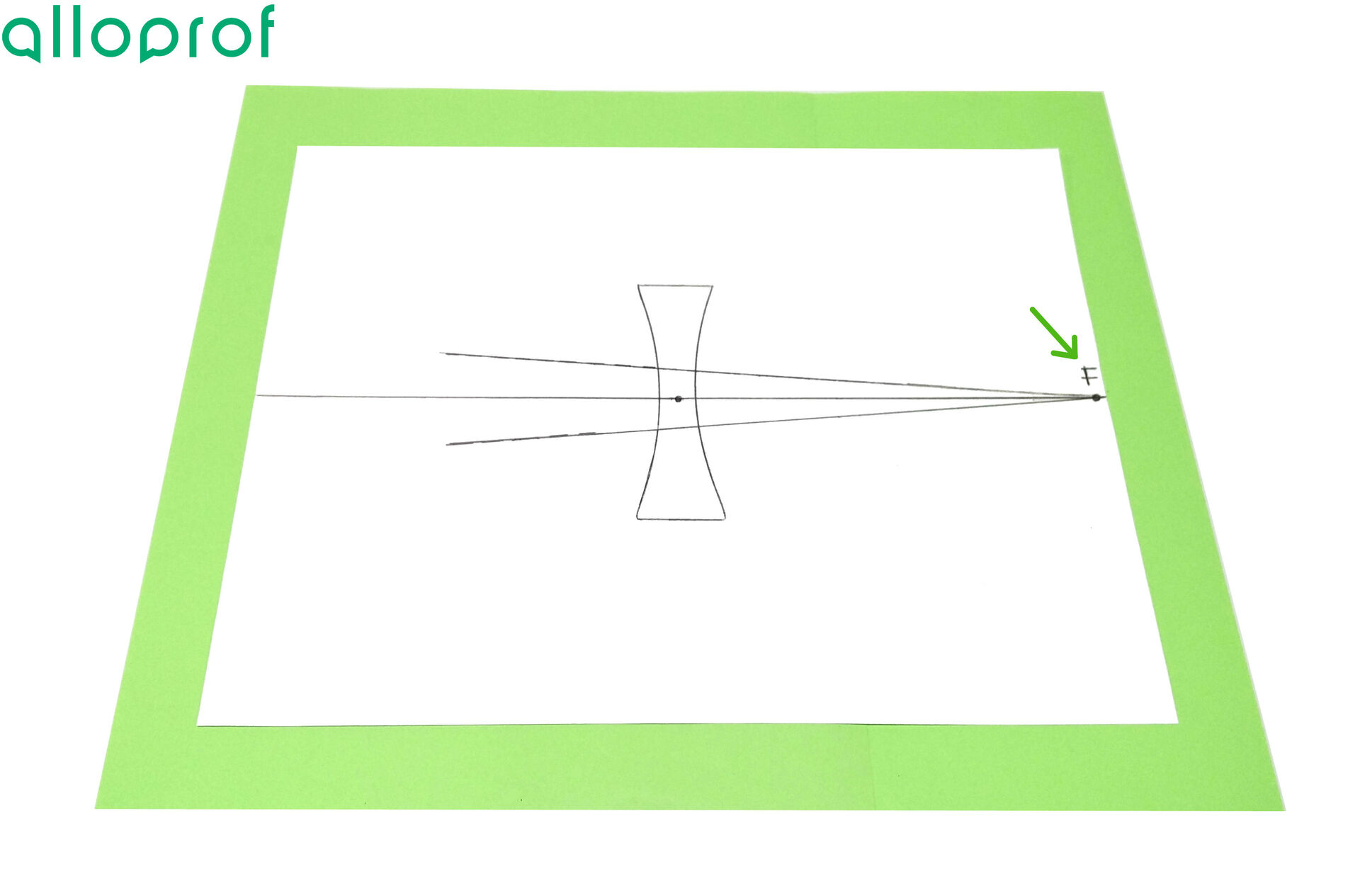 100%
100%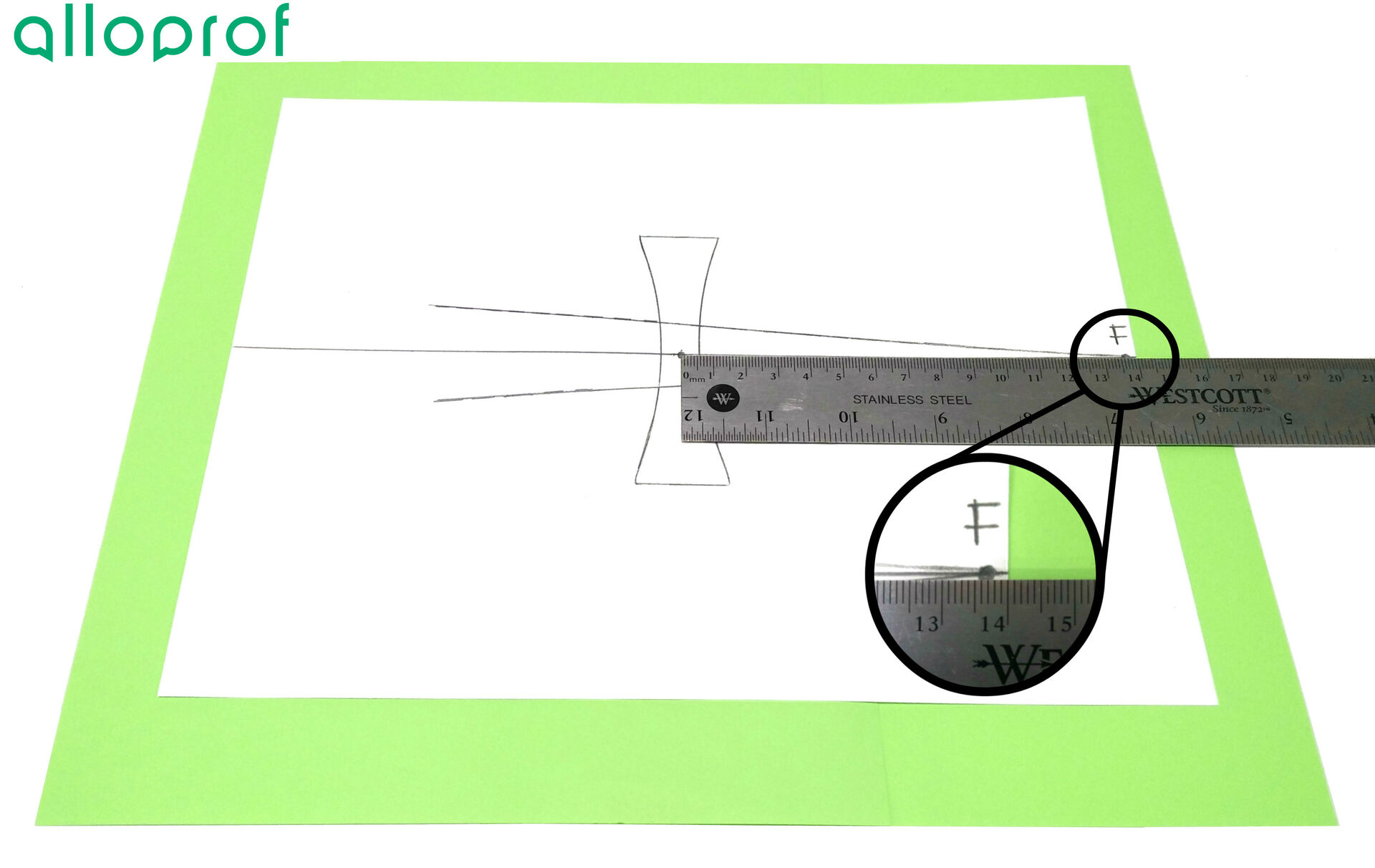 100%
100%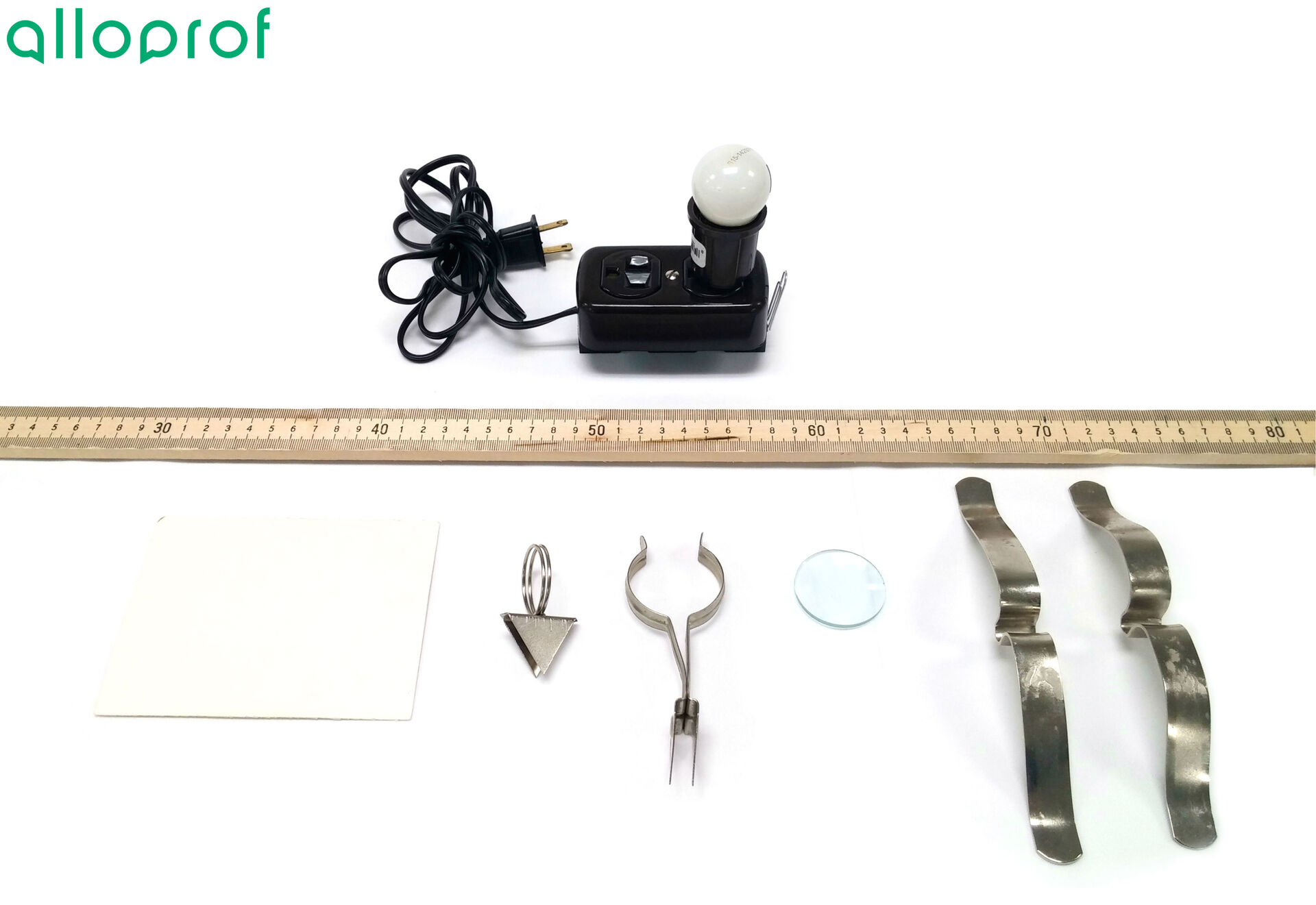 100%
100%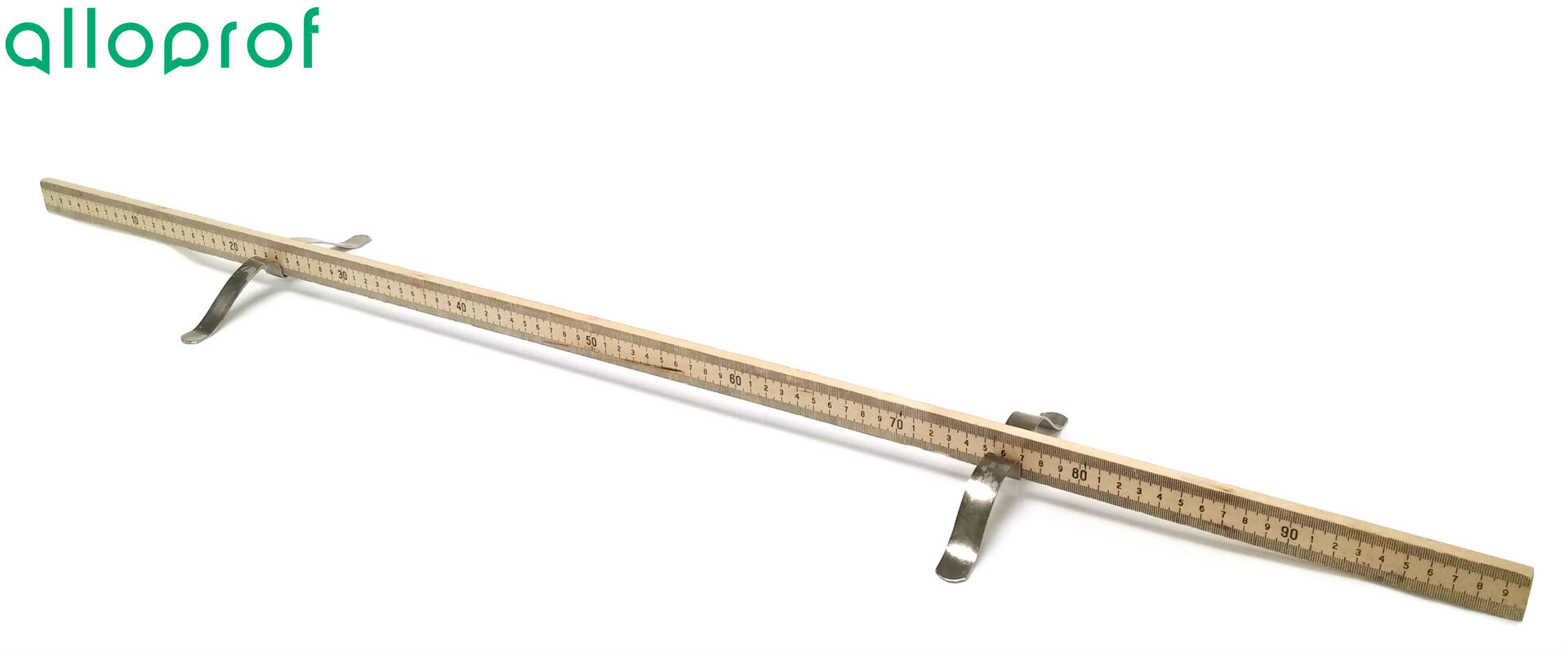 100%
100%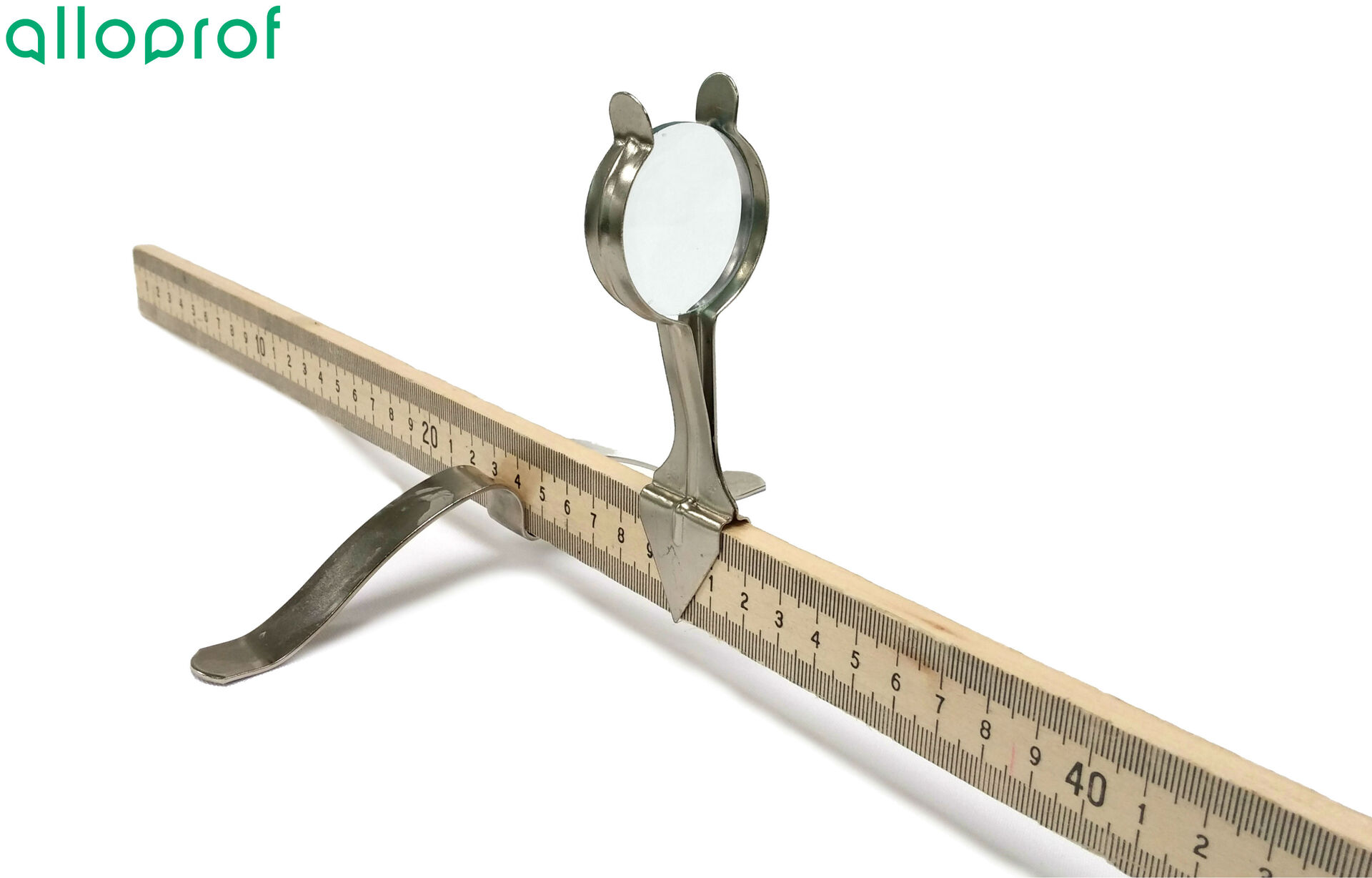 100%
100%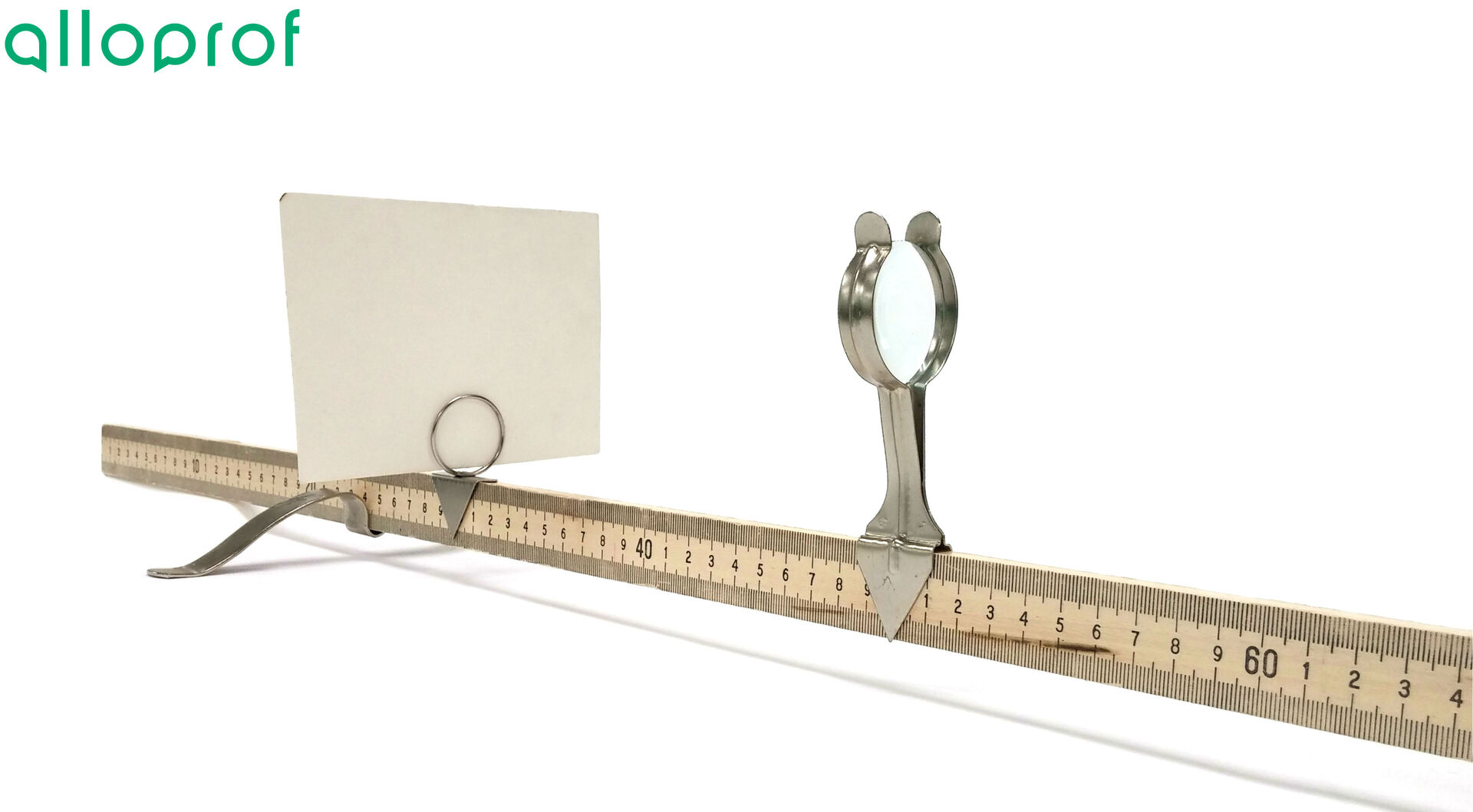 100%
100%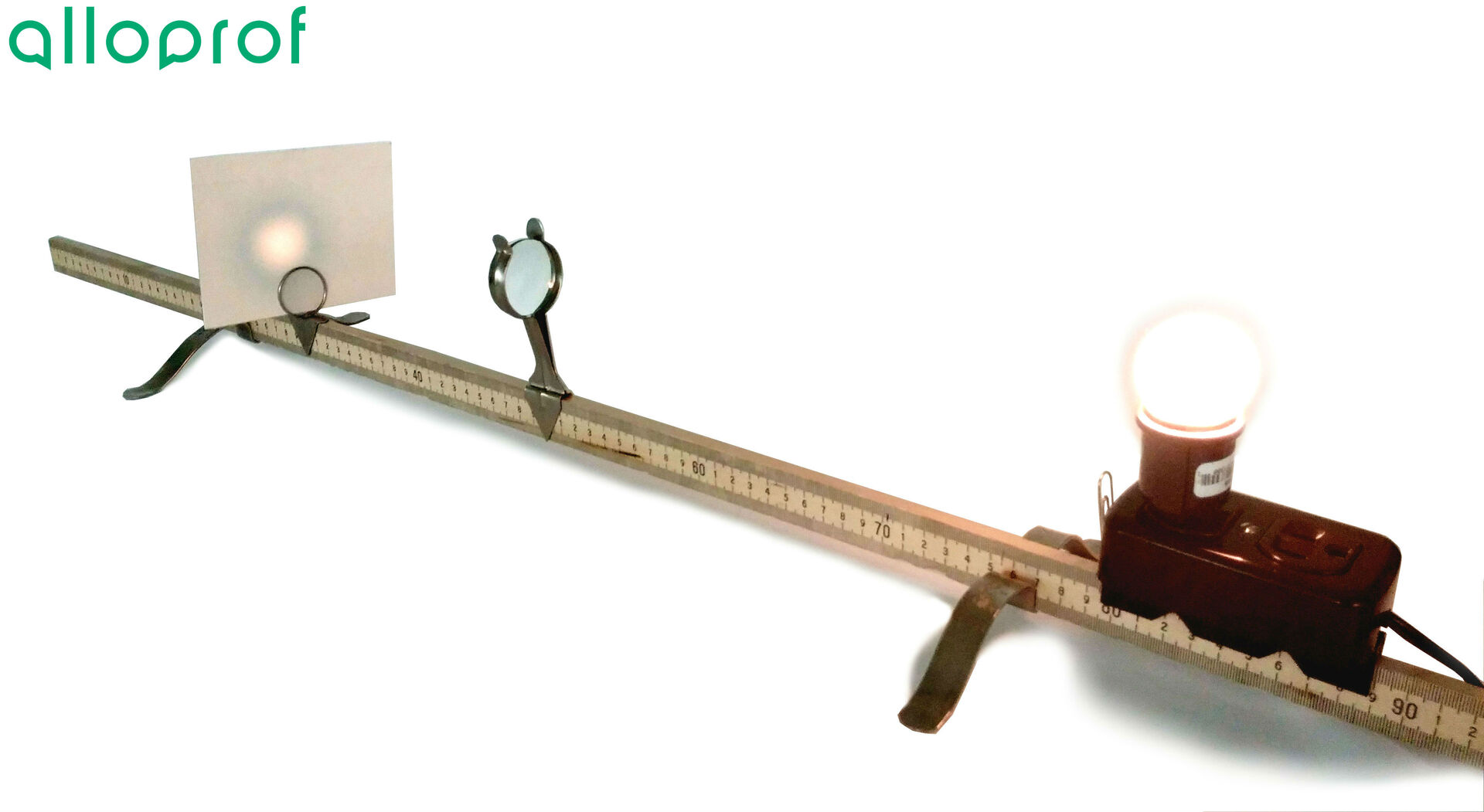 100%
100%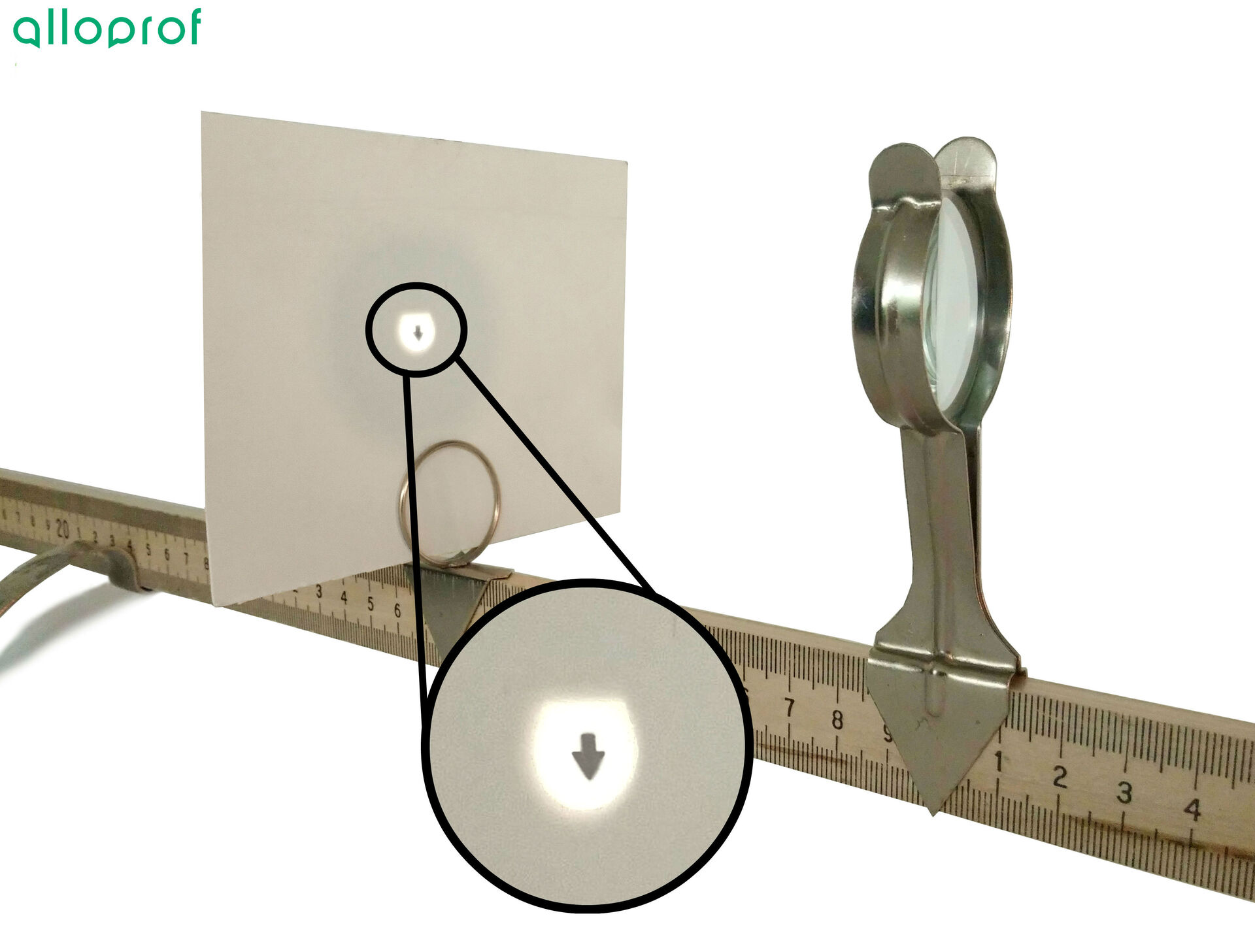 100%
100%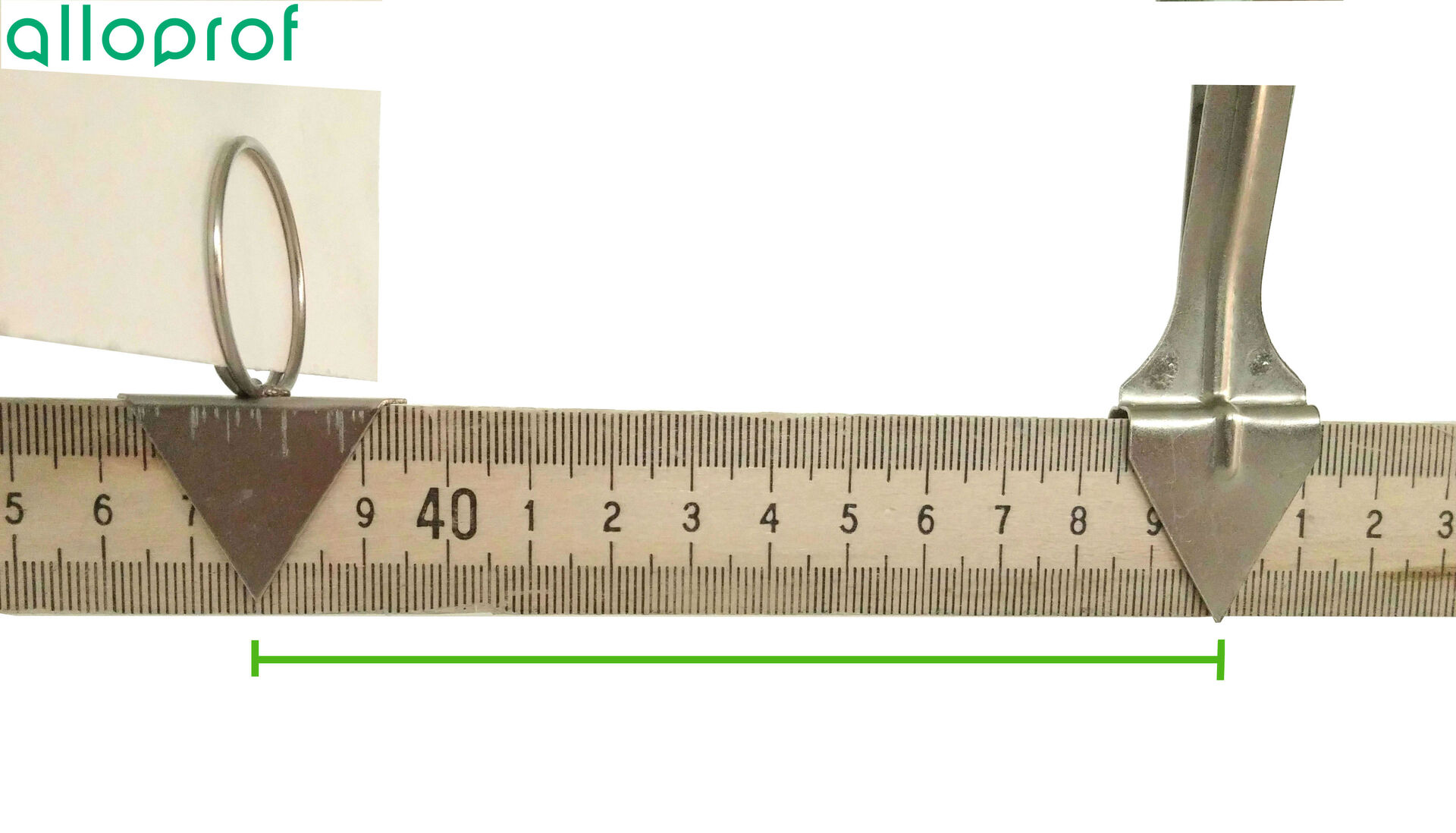
This concept sheet explains the steps to follow to find the focal length in a lens.
The focal length is the distance from the optical centre of the lens to the focal point, which is the point where all reflected rays intersect (in a converging lens) or all the extensions of the reflected rays (in a diverging lens) intersect.
The focal length can be measured in different lenses.
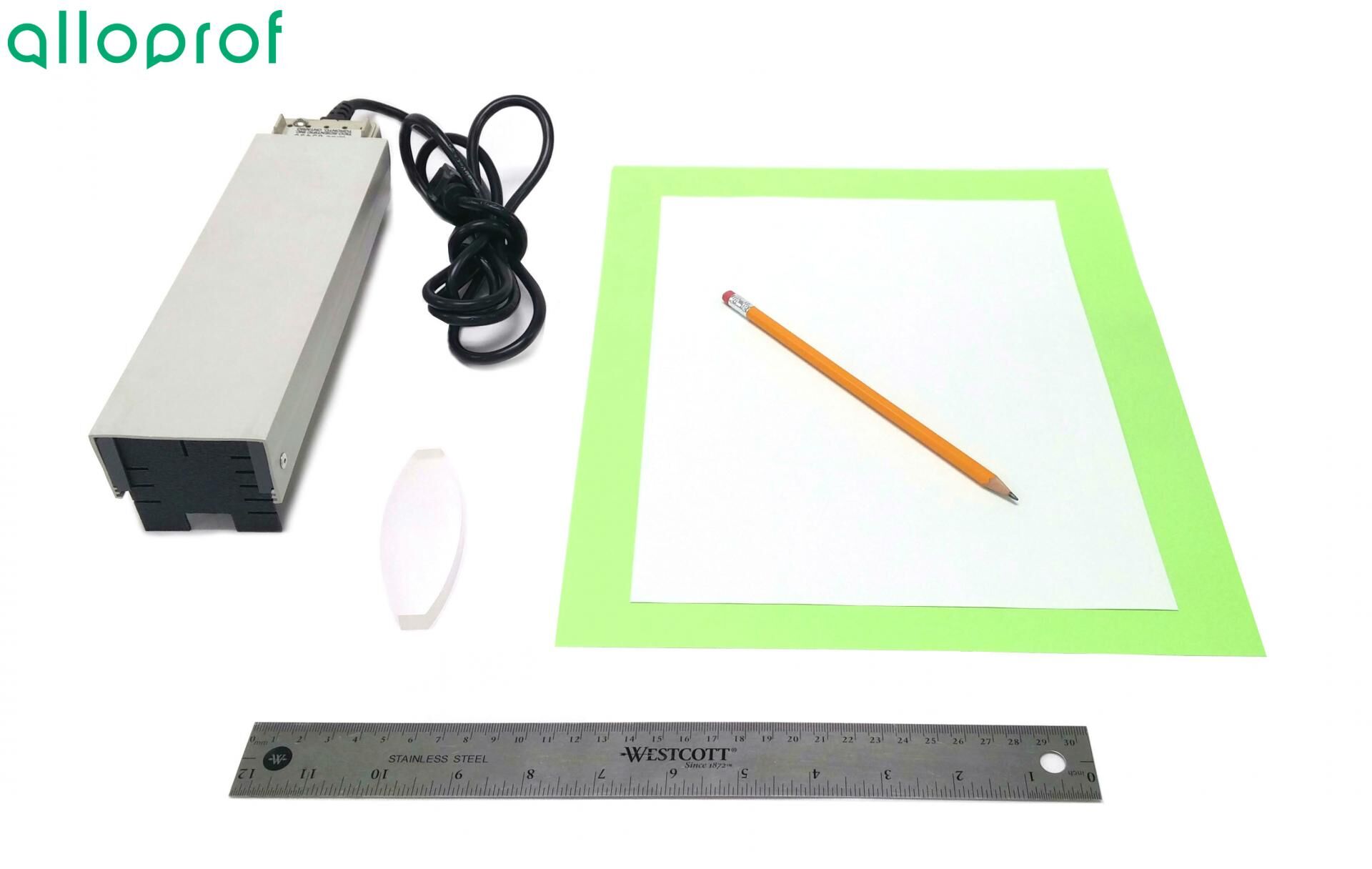
Sheet of paper
Ray box
Converging cylindrical lens
Ruler
Lead pencil

When using a ray box, laser beams must not be directed into the eyes of another person. Doing so could cause eye damage.
1. Draw a line down the centre of the sheet of paper.
2. Lay the lens down so that the centre of the lens is over with the centre of the sheet.
3. Trace the outline of the lens.
To see the refracted rays clearly, it is preferable to do this laboratory in the dark.
4. Place the ray box in front of the lens.
To see the refracted rays clearly, it is preferable to do this laboratory in the dark.
5. Using a three or five beam filter, project parallel rays onto the lens.
To ensure that the rays are correctly positioned, simply put the central light ray on the line drawn at the beginning. This ray should not be deflected as it passes through the lens.
6. Draw a few dotted lines on the refracted rays’ paths to identify the position of each light ray.
7. Remove the ray box and the lens from the paper.
8. Using the draft created in the previous step, draw a line starting from the lens through the dotted lines.
9. At the intersection point between the drawn rays, add an F indicating the position of the focal point.
The focal point should appear on the main axis, which is the central line used to position the lens at the beginning.
10. Put away the equipment.
By knowing the position of the focal point, it is possible to determine the focal length of the lens used. For this purpose, mark where the centre of the lens is on the sheet of paper. Then simply measure the distance between the centre of the lens and the focal point, which is the focal length of the lens. In the example below, the focal length of the converging lens is |\text {12.45 cm}.|
Sheet of paper
Ray box
Divergent cylindrical lens
Ruler
Lead pencil
When using a ray box, laser beams must not be directed into the eyes of another person. Doing so could cause eye damage.
1. Draw a line in the centre of the sheet.
2. Lay the lens down so that the centre of the lens is over the centre of the sheet.
3. Trace the outline of the lens.
4. Place the ray box in front of the lens.
To see the refracted rays clearly, it is preferable to do this laboratory in the dark.
5. Using a three or five beam filter, project parallel rays onto the lens.
To ensure that the rays are correctly positioned, simply put the central ray on the line drawn at the beginning. This ray should not be deflected as it passes through the lens.
6. Draw a few dotted lines in the refracted rays to identify the position of each light ray.
7. Remove the ray box and the lens from the paper.
8. Starting from the lens, draw a line through the dotted lines and extend each ray behind the lens.
9. At the intersection point of the extension lines of the drawn rays, add an F indicating the position of the focal point.
The focal point should be positioned on the principal axis, which is the central line used to place the lens at the beginning.
10. Put away the equipment.
By knowing the position of the focal point, it is possible to determine the focal length of the lens used. For this purpose, mark where the centre of the lens is. Then simply measure the distance between the centre of the lens and the focal point, which is the focal length of the lens. In the example below, the focal length of the diverging lens is |\text {13.7 cm}|.
To find the focal point of a converging spherical lens, it is necessary to work with an optical bench, which is a meter stick that is supported by optical bench supports.
Optical bench: metre stick and bench supports
Convergent spherical lens
Lens holder
Screen
Screen support
Light source
Lead pencil
1. Prepare the optical bench by placing the metre stick into the bench supports.
2. Put the lens into the lens support, and place it at one end of the metre stick.
In order to make the focal length easier to read, it is better to place the support at a point corresponding to a fixed value (for example, at 1 cm) rather than using a decimal value (for example, at 0.4 cm).
3. Place a screen in a screen holder, and position it behind the lens.
4. Position the light source as far as possible from the lens, in front of the lens.
5. Move the screen forward or backward until you get a clear, crisp image. The resulting image should be bright and very small.
6. Measure the distance between the tip of the lens support and the tip of the screen support.
7. Put away the equipment.
The distance obtained between the two supports represents the focal length. In the example above, the focal length of the converging lens is |\text {12.3 cm}.|
By using this method, it is possible to calculate the focal length without having to draw anything. However, ensure that the image obtained on the screen is optimal. It may, therefore, be practical to redo the procedure a second time in order to validate the experimental results.