Subjects
Grades
 100%
100%
 100%
100%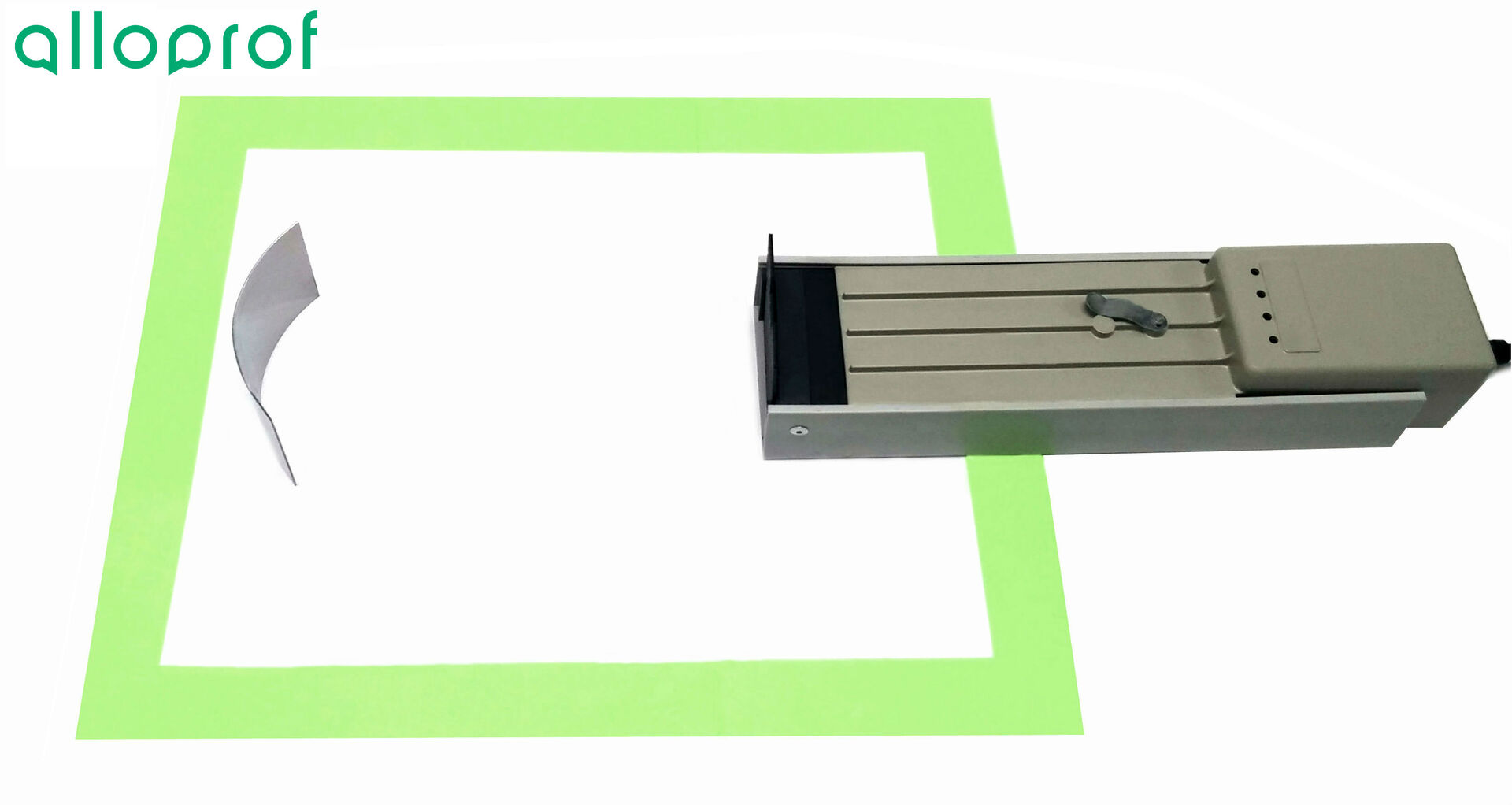 100%
100%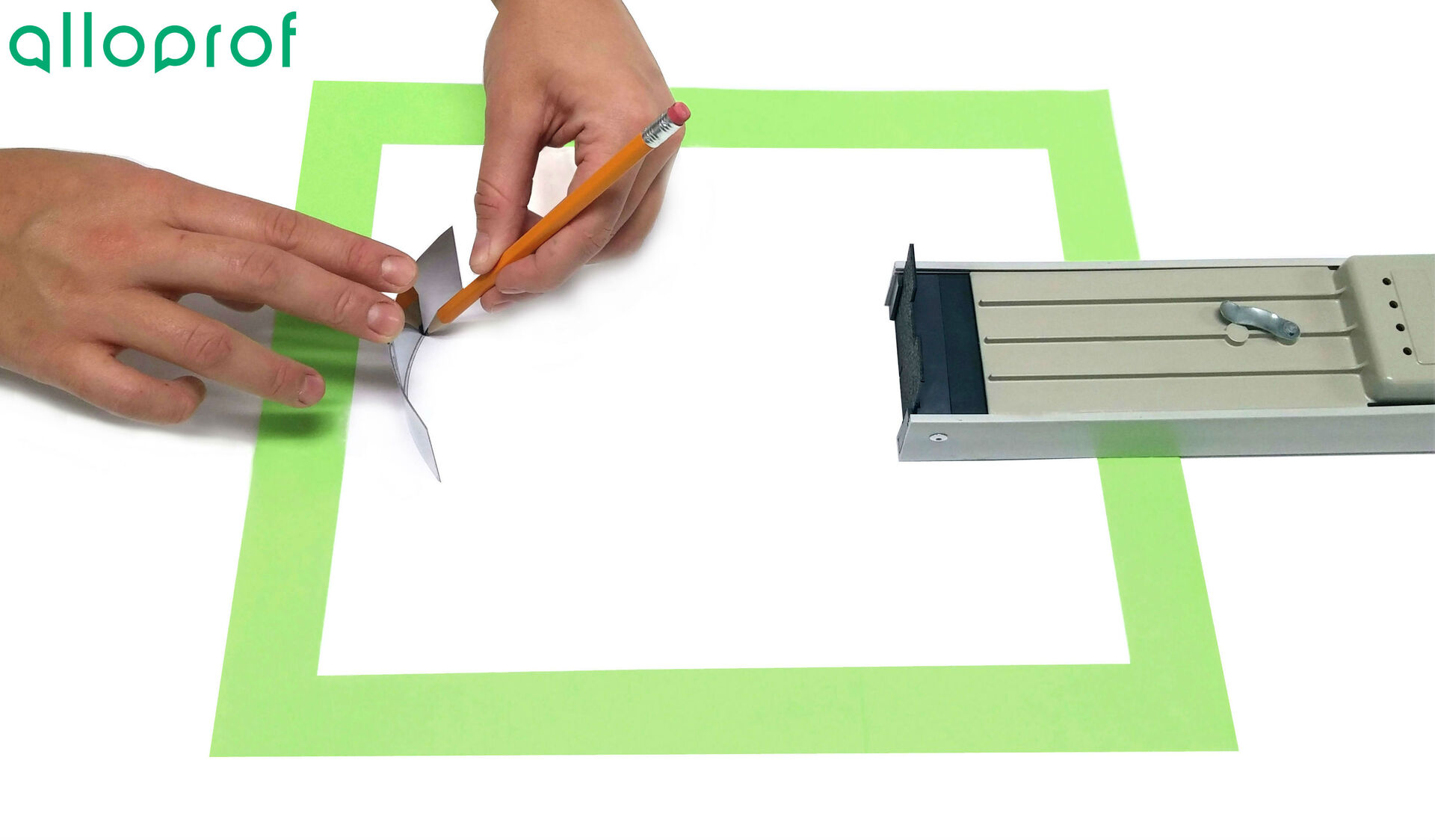 100%
100%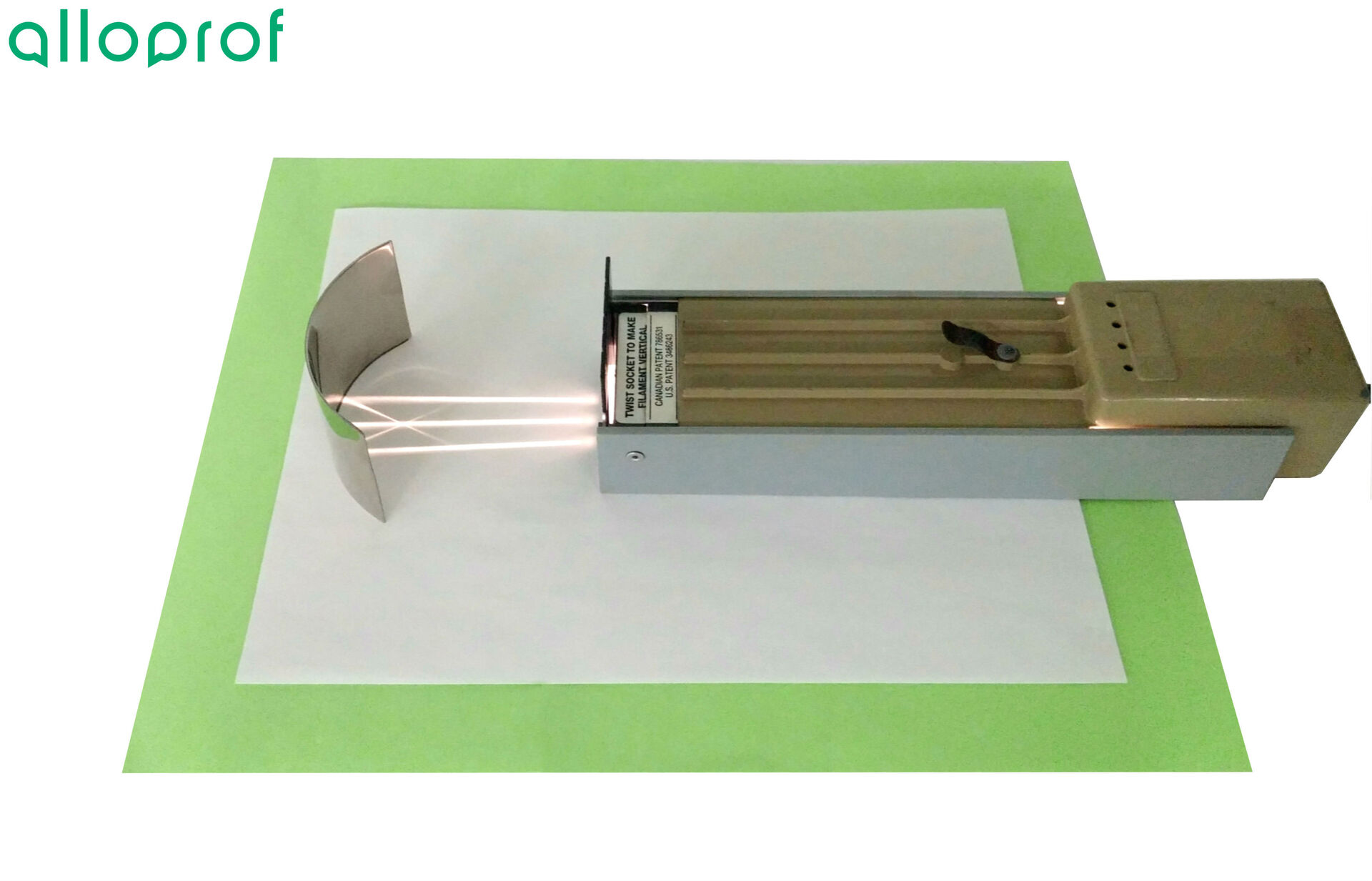 100%
100%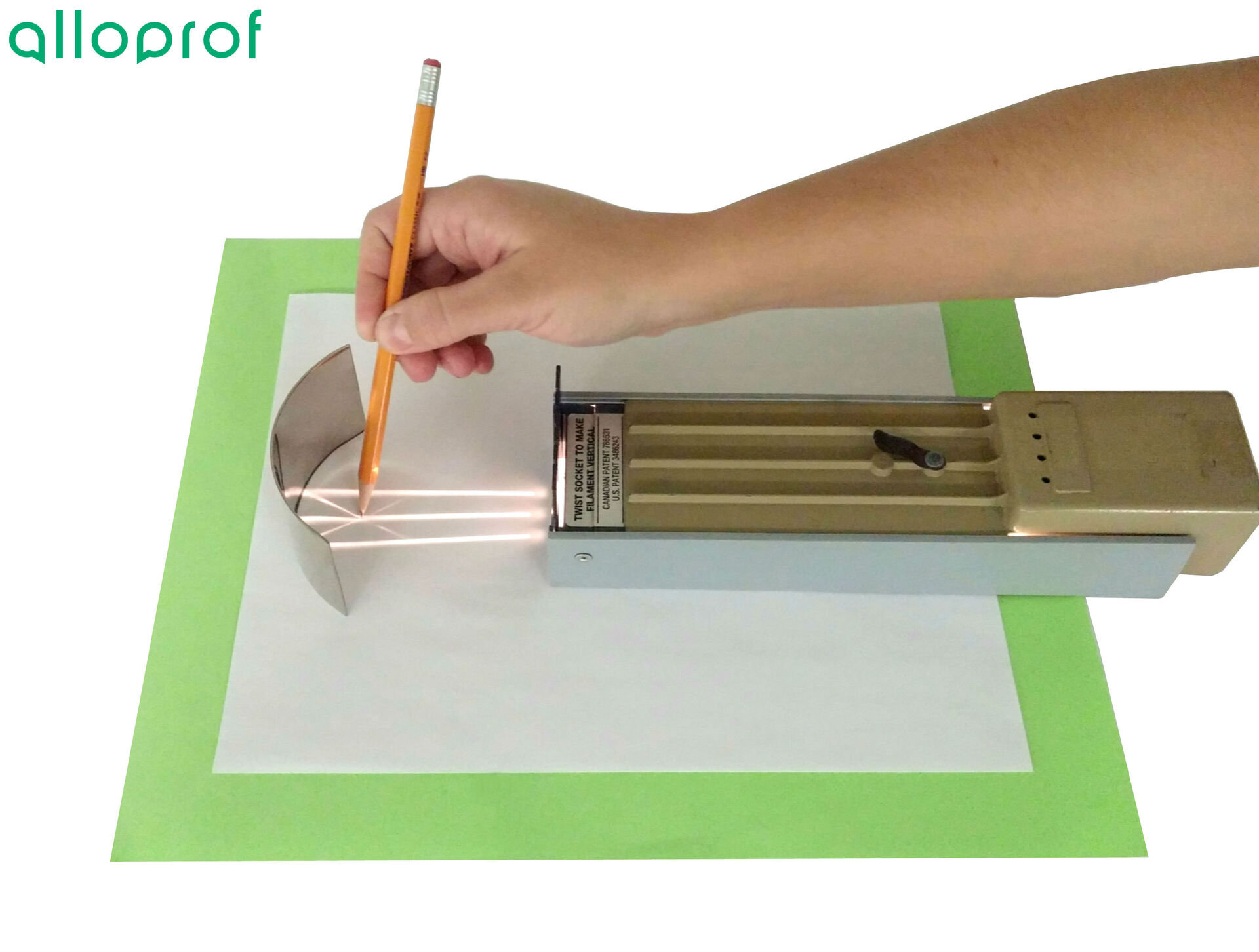 100%
100%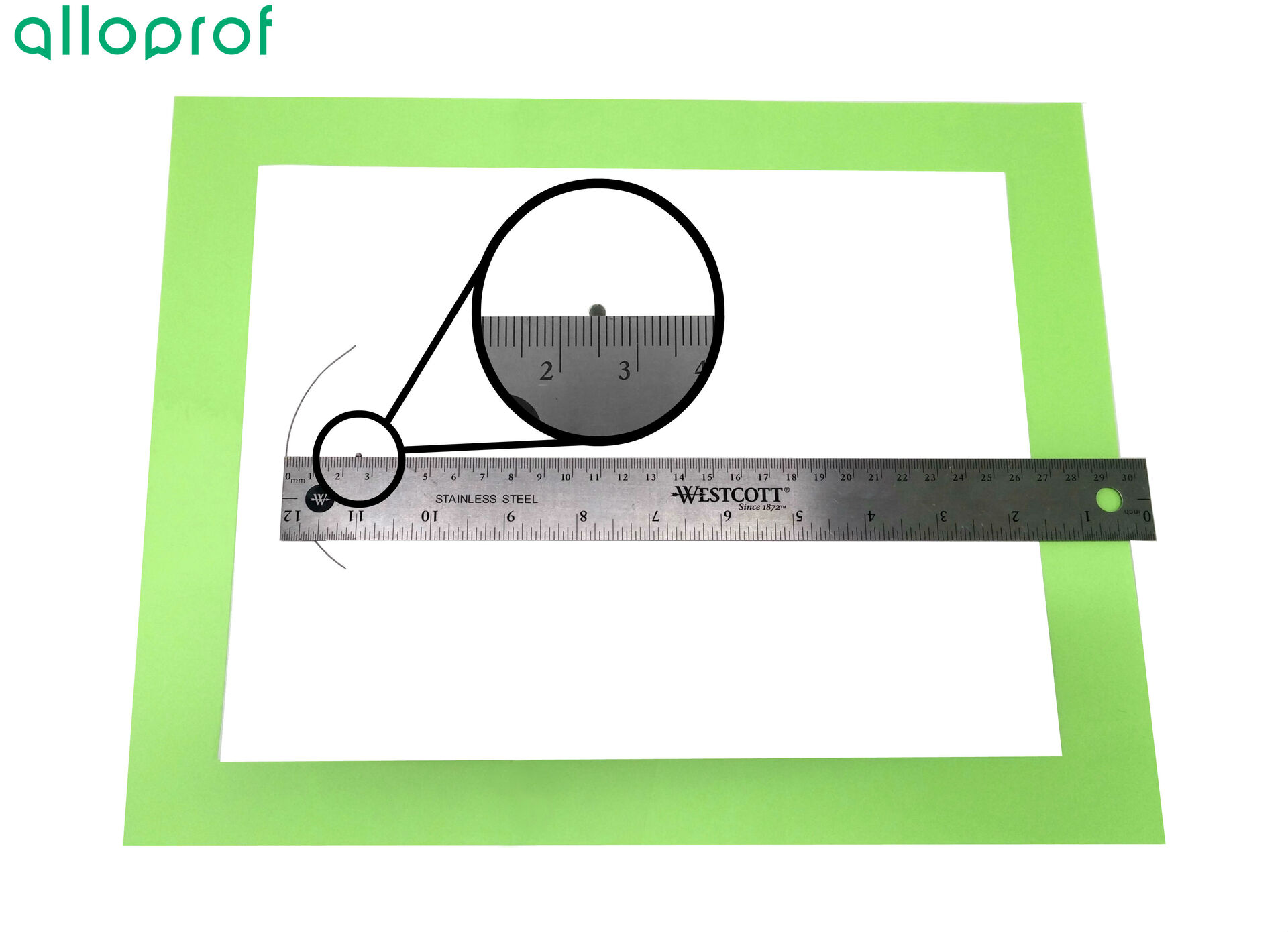 100%
100%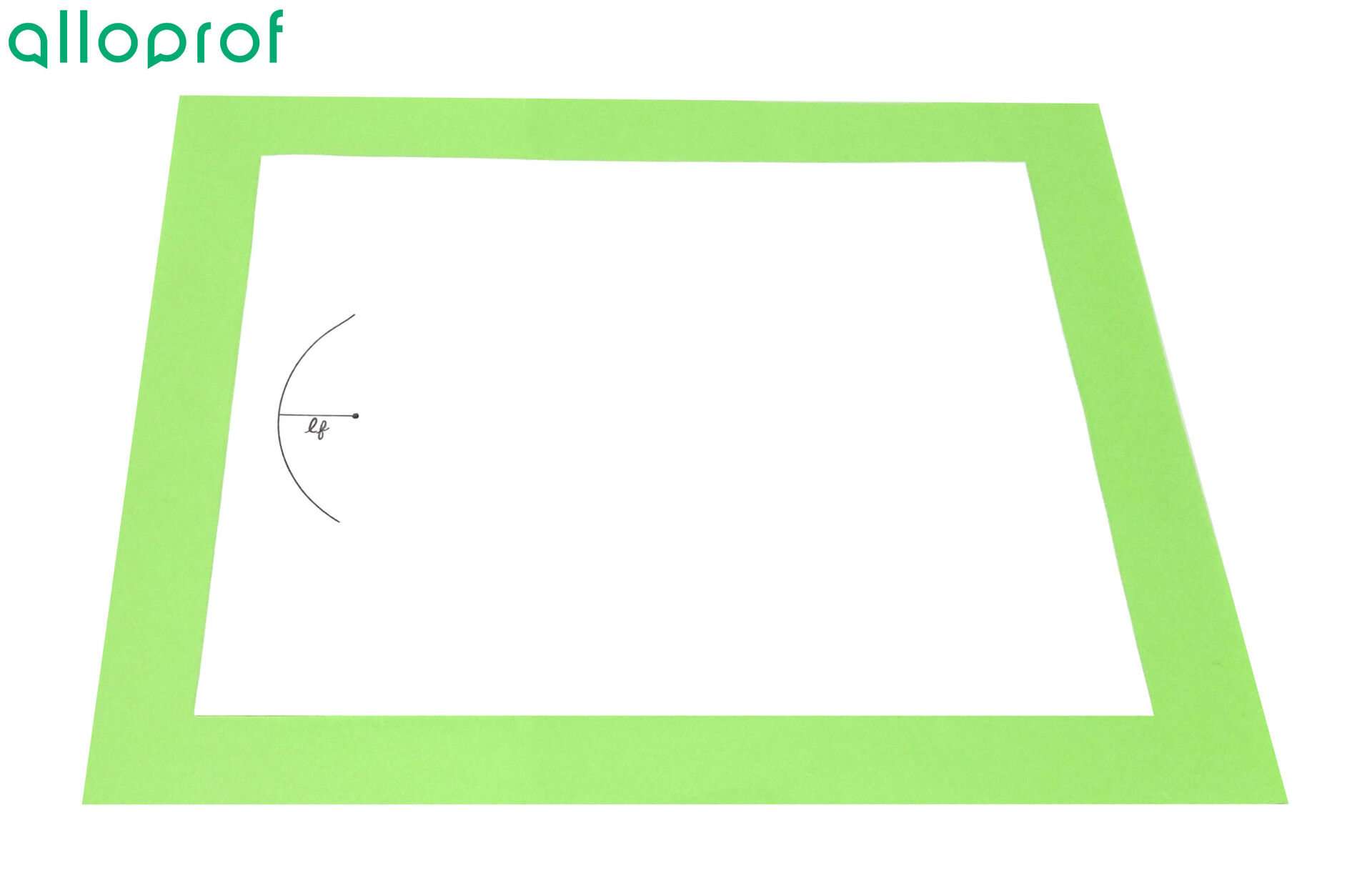 100%
100%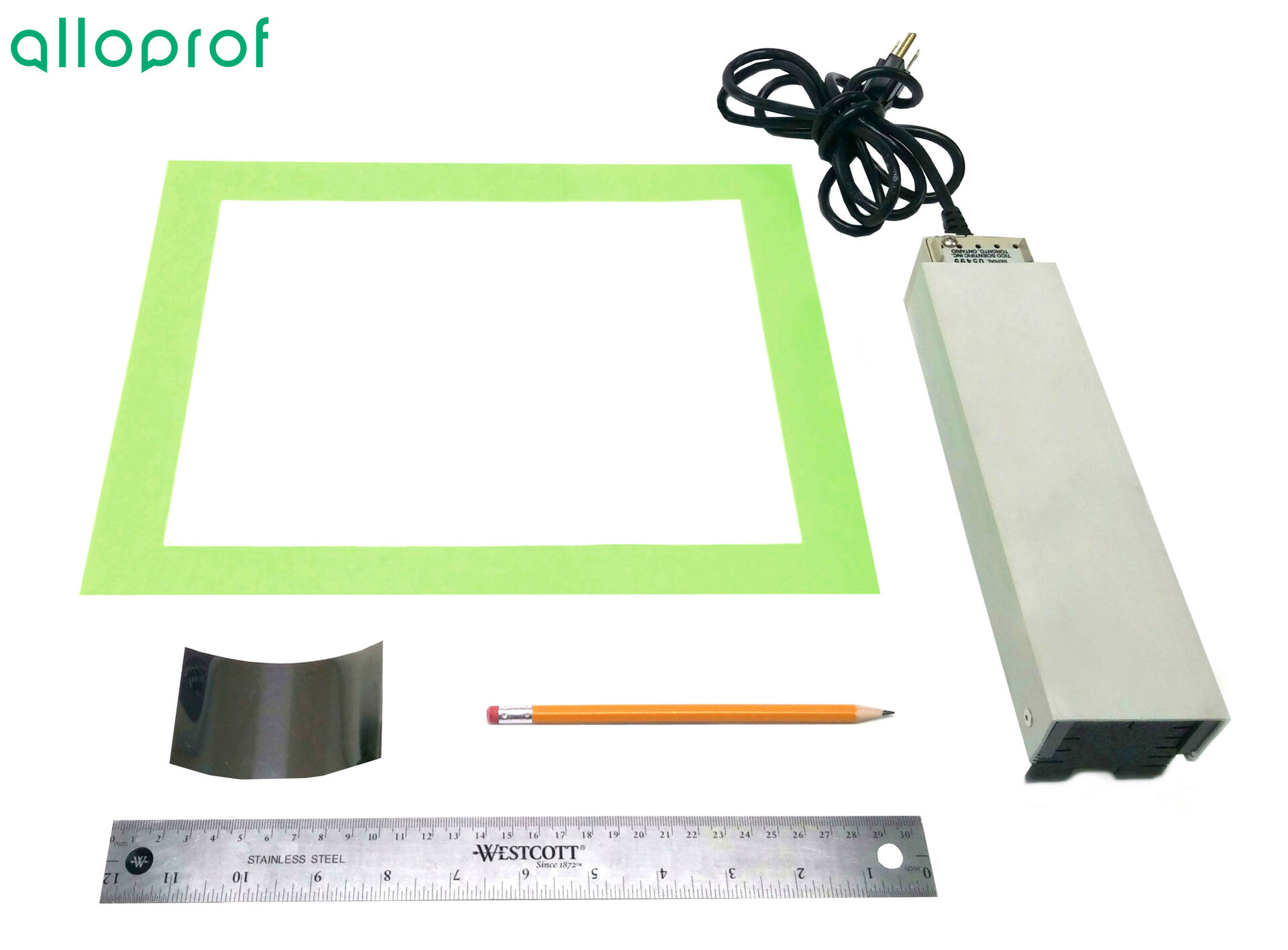 100%
100%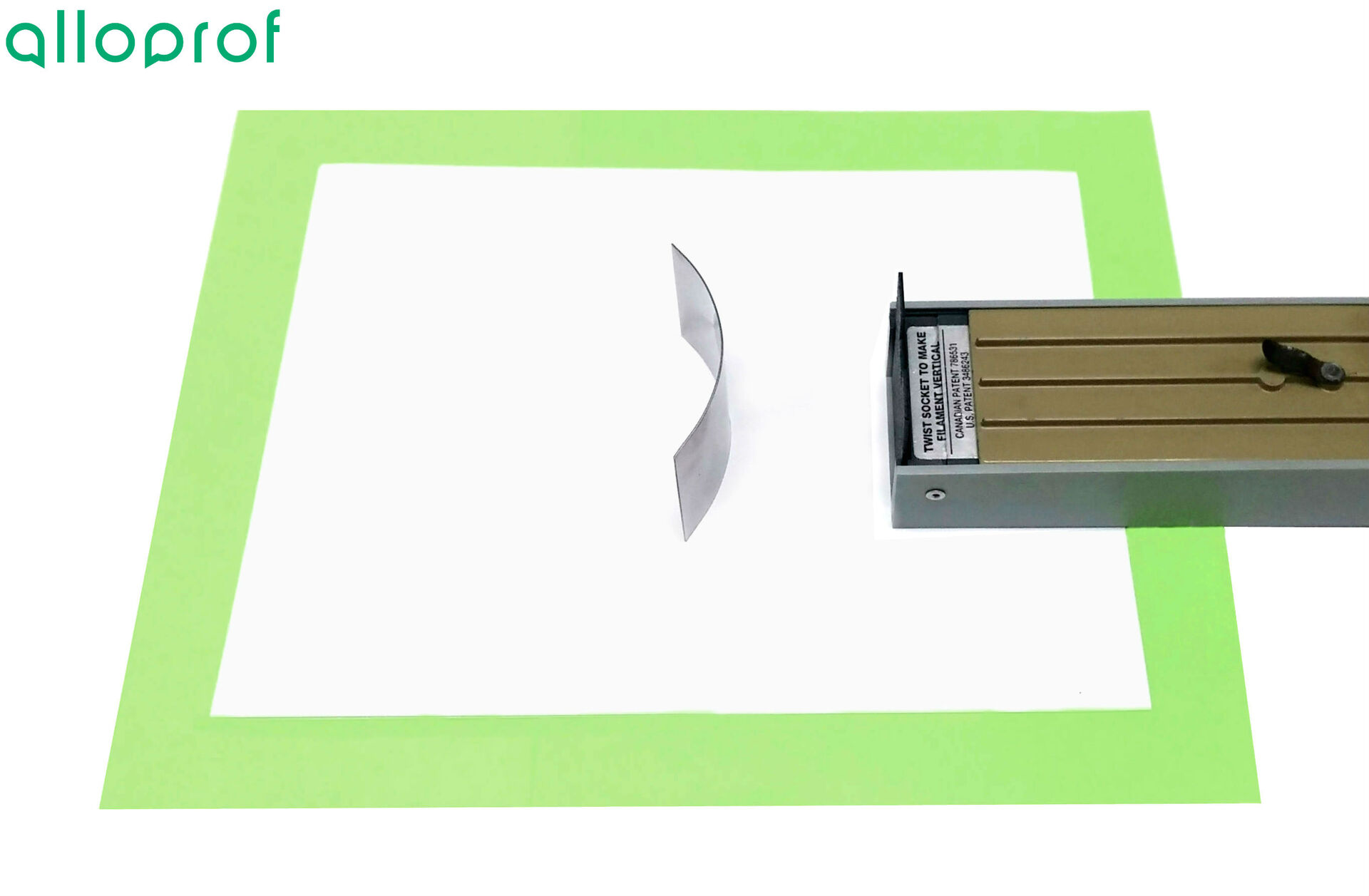 100%
100%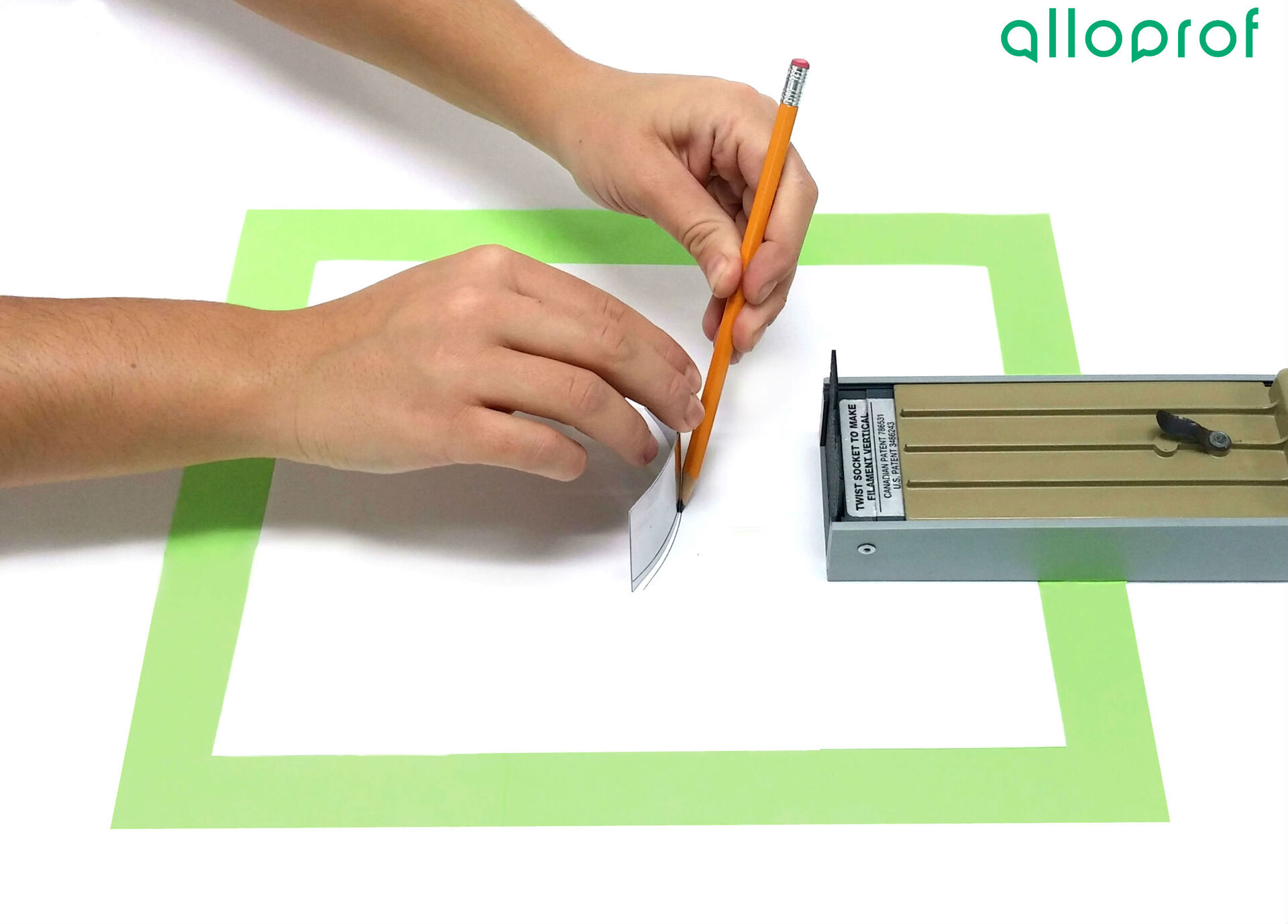 100%
100%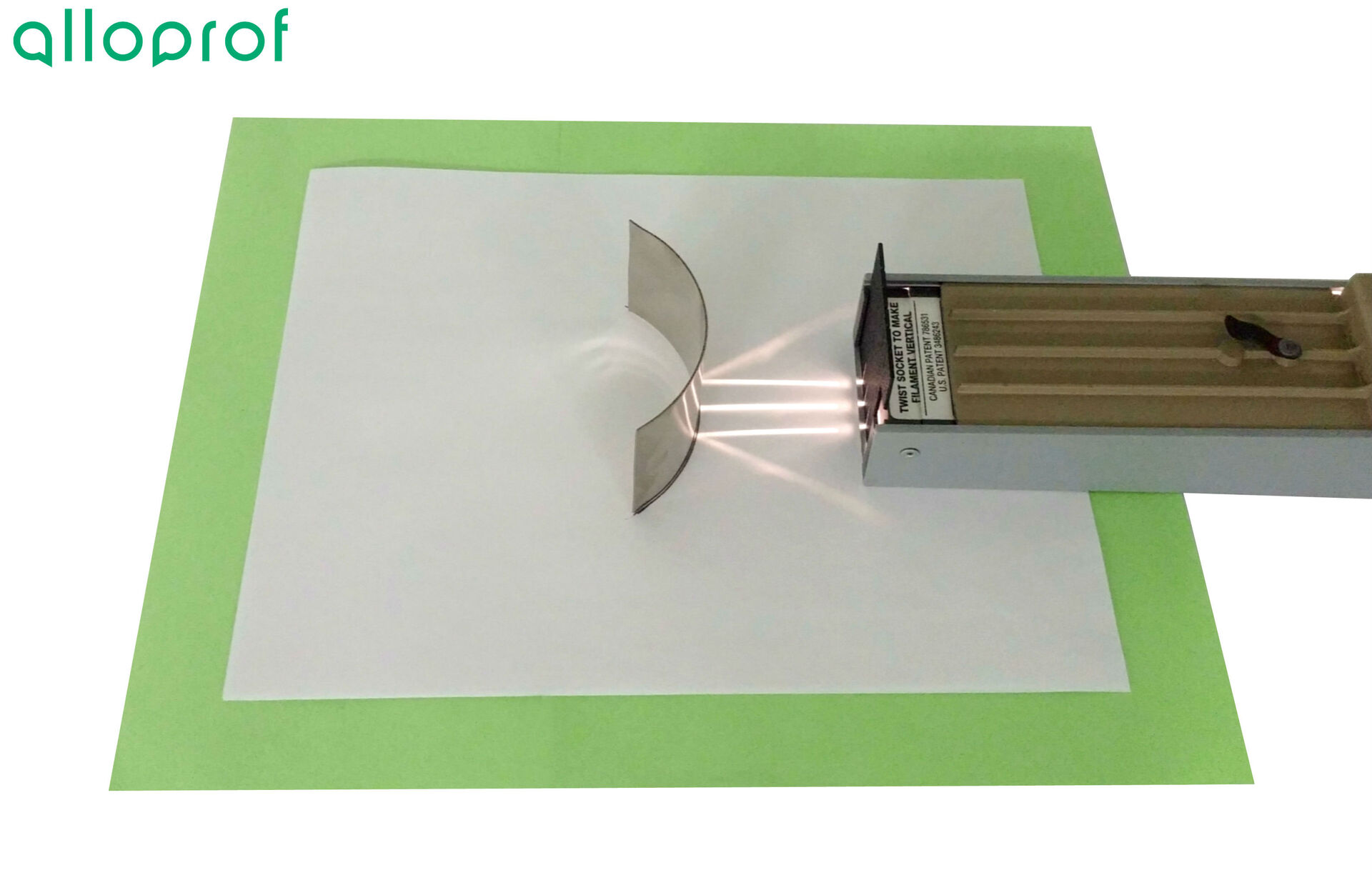 100%
100%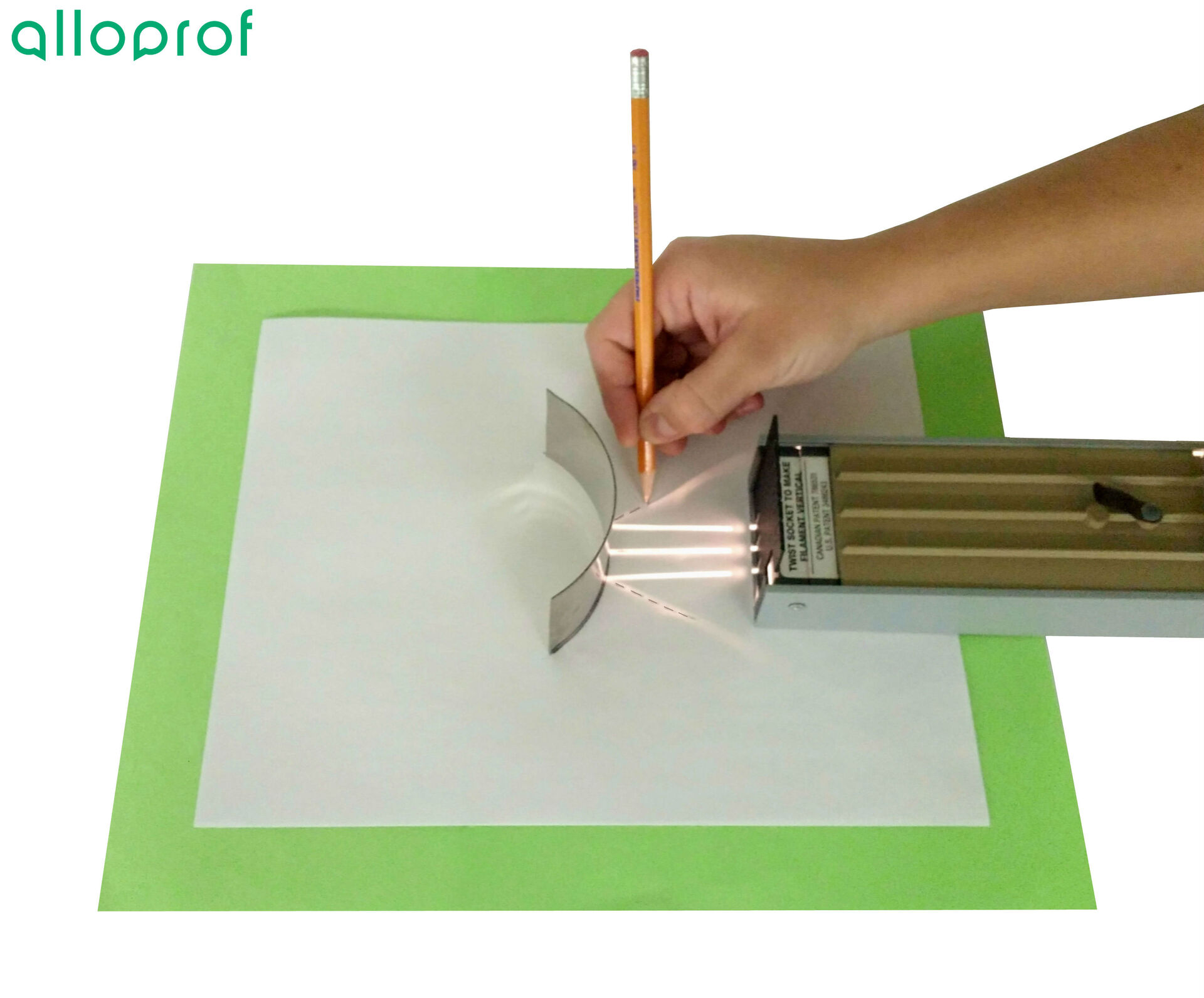 100%
100%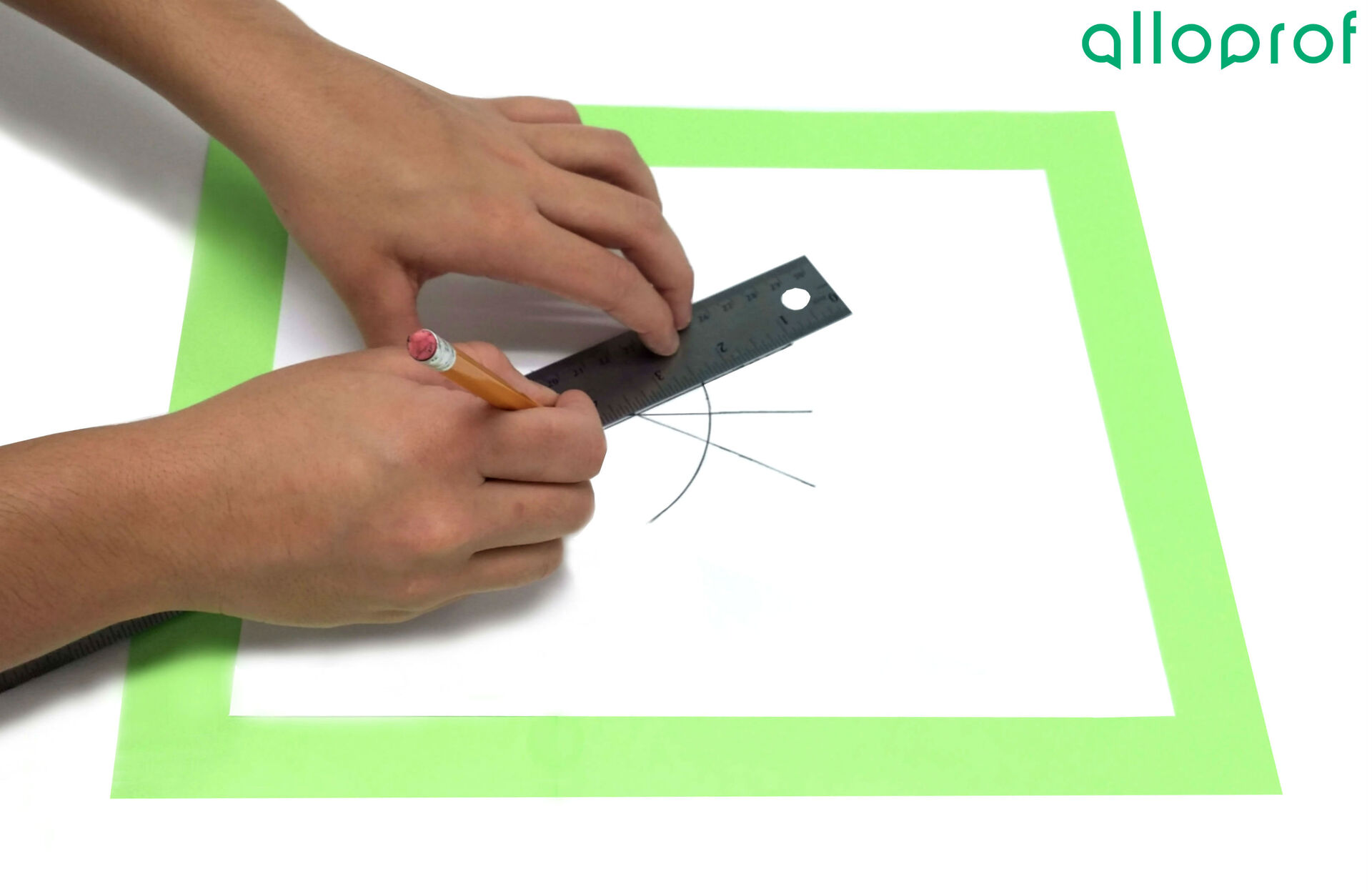 100%
100%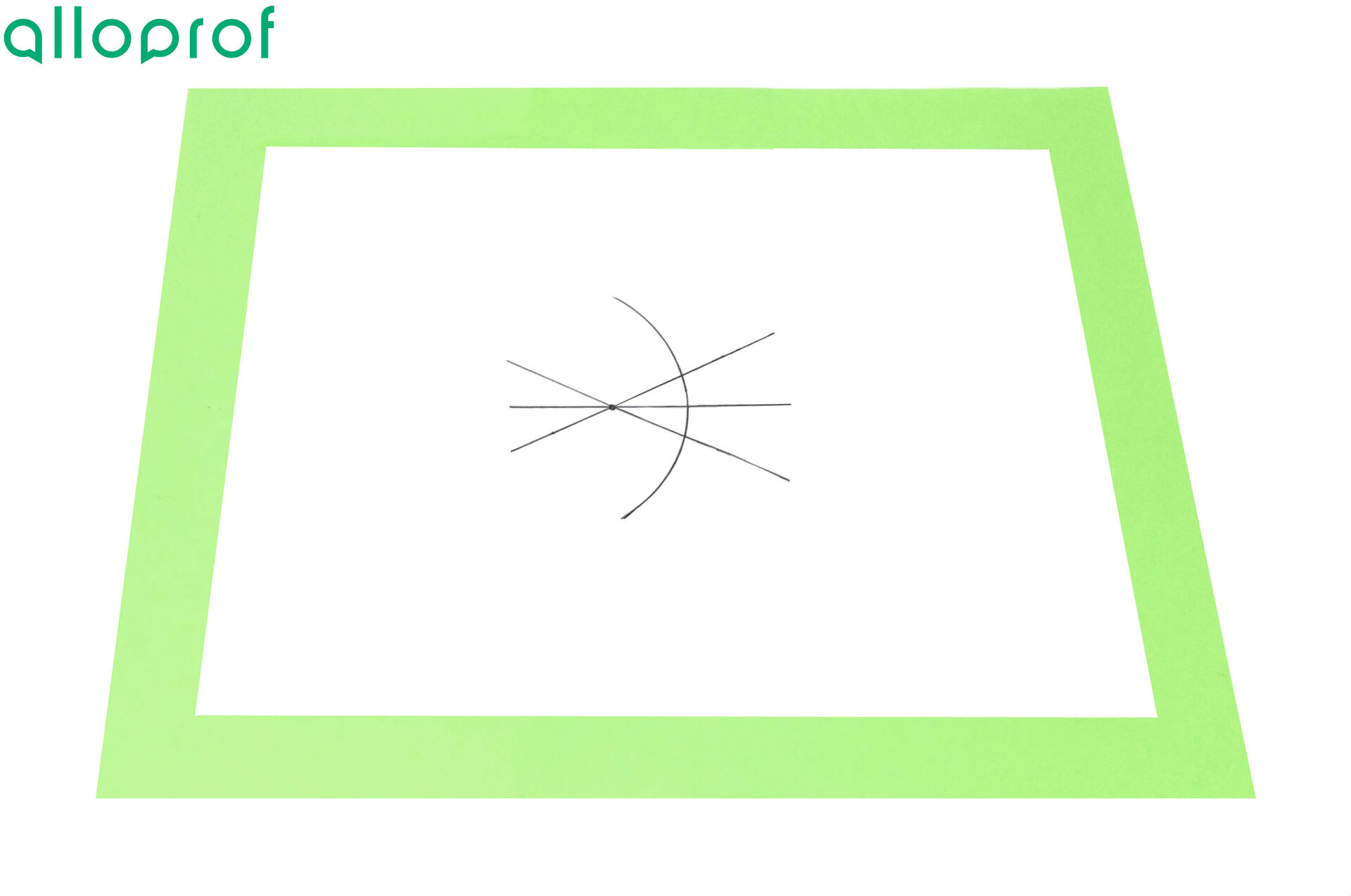 100%
100%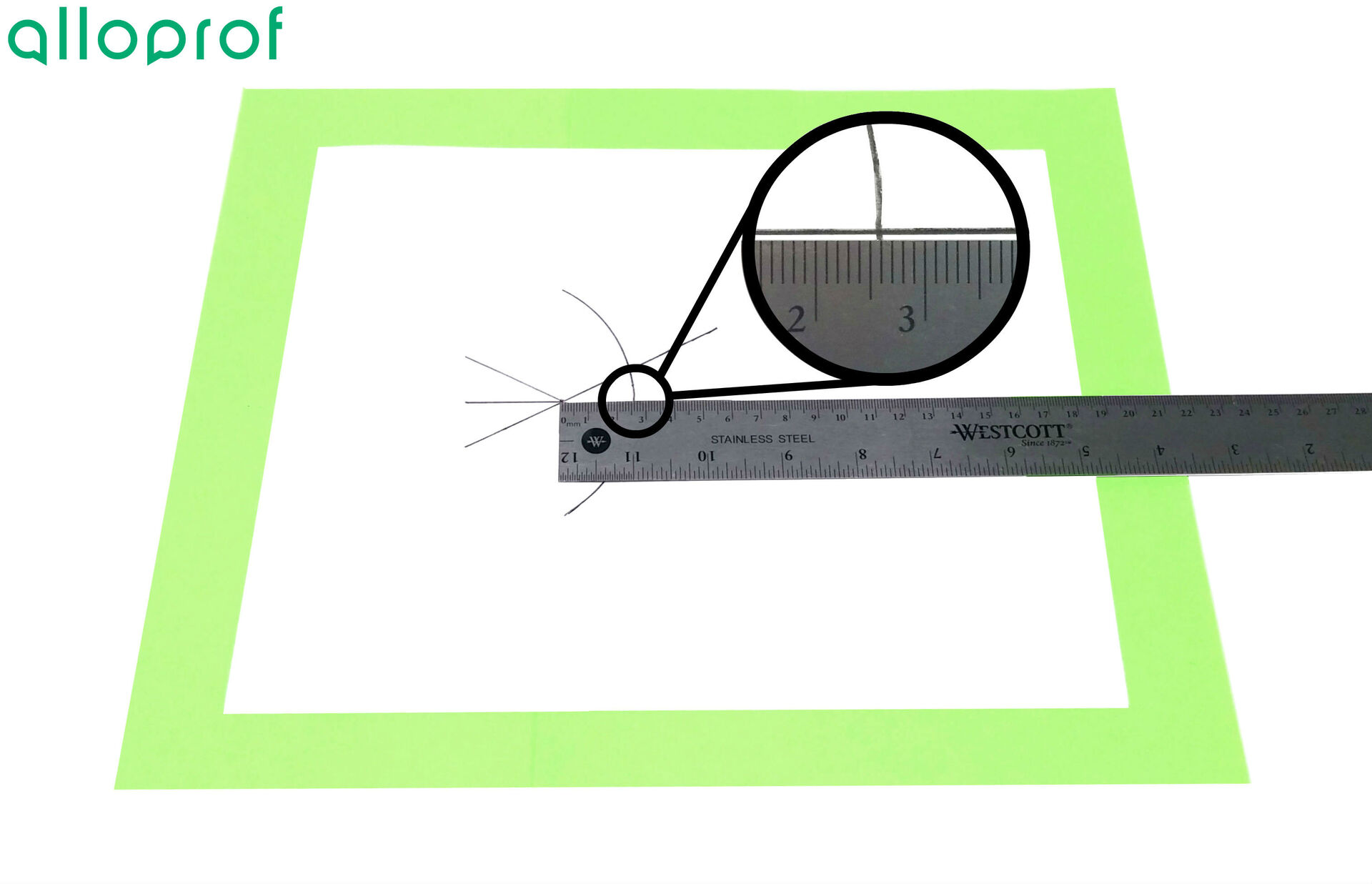 100%
100%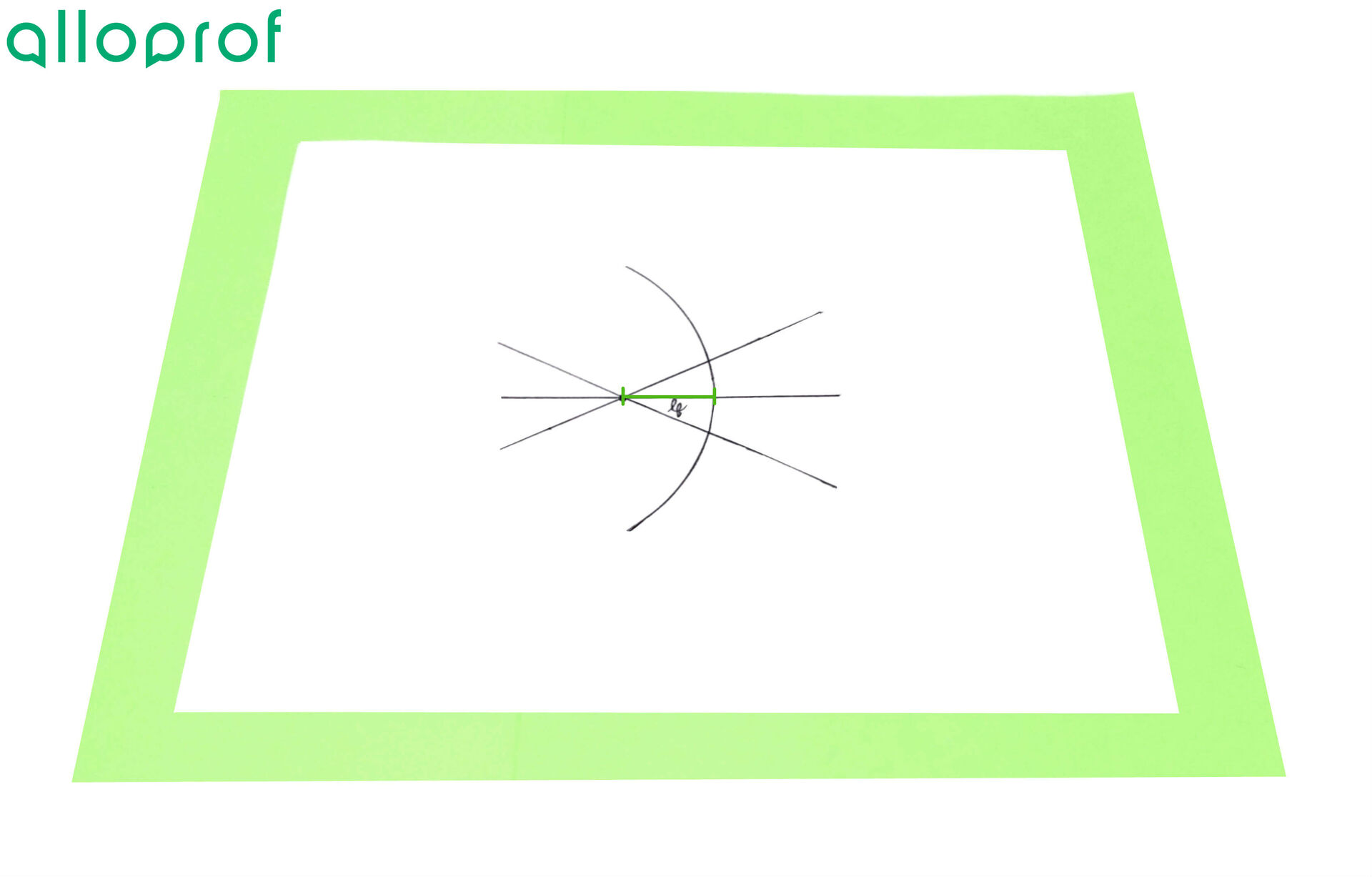 100%
100%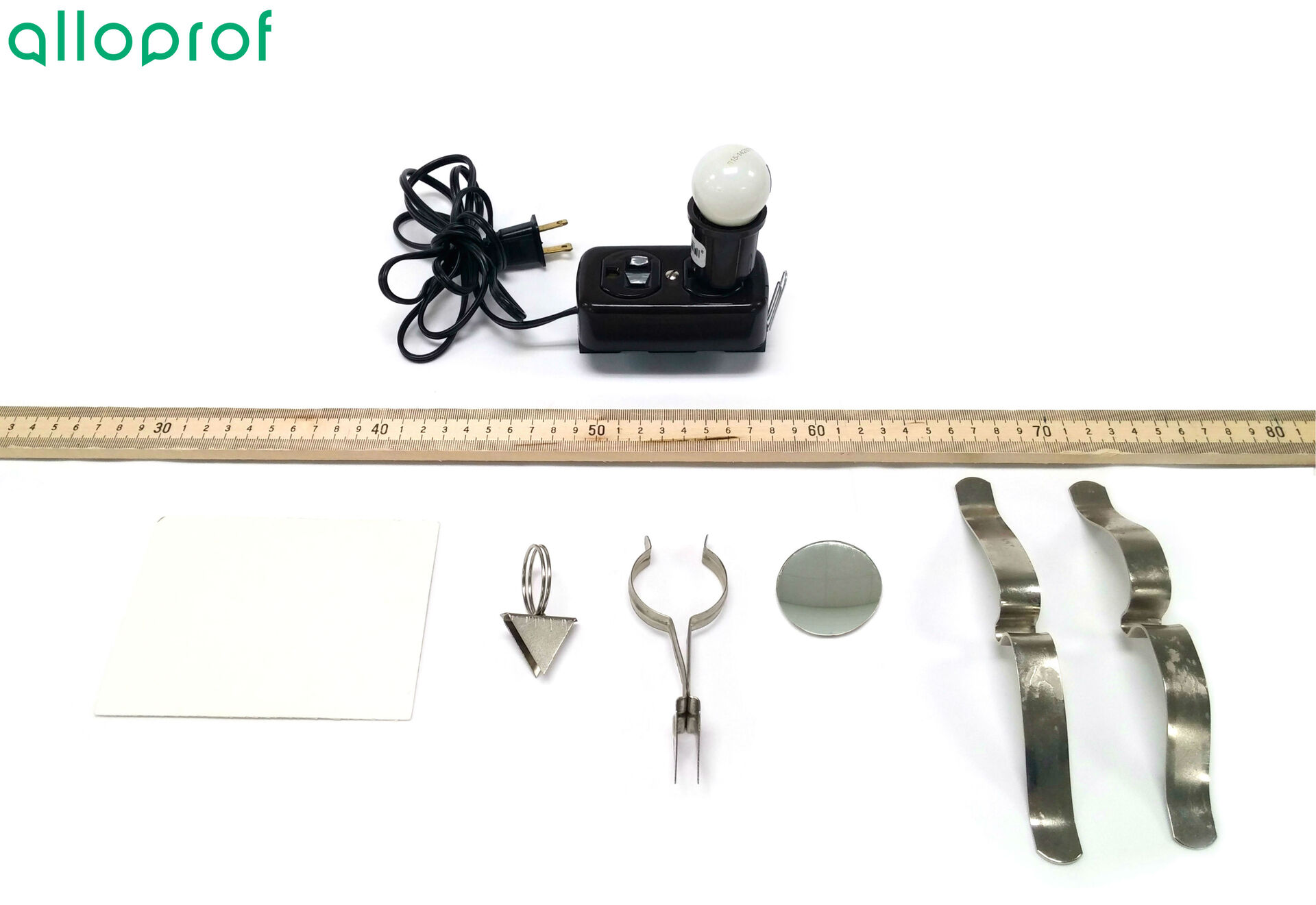 100%
100%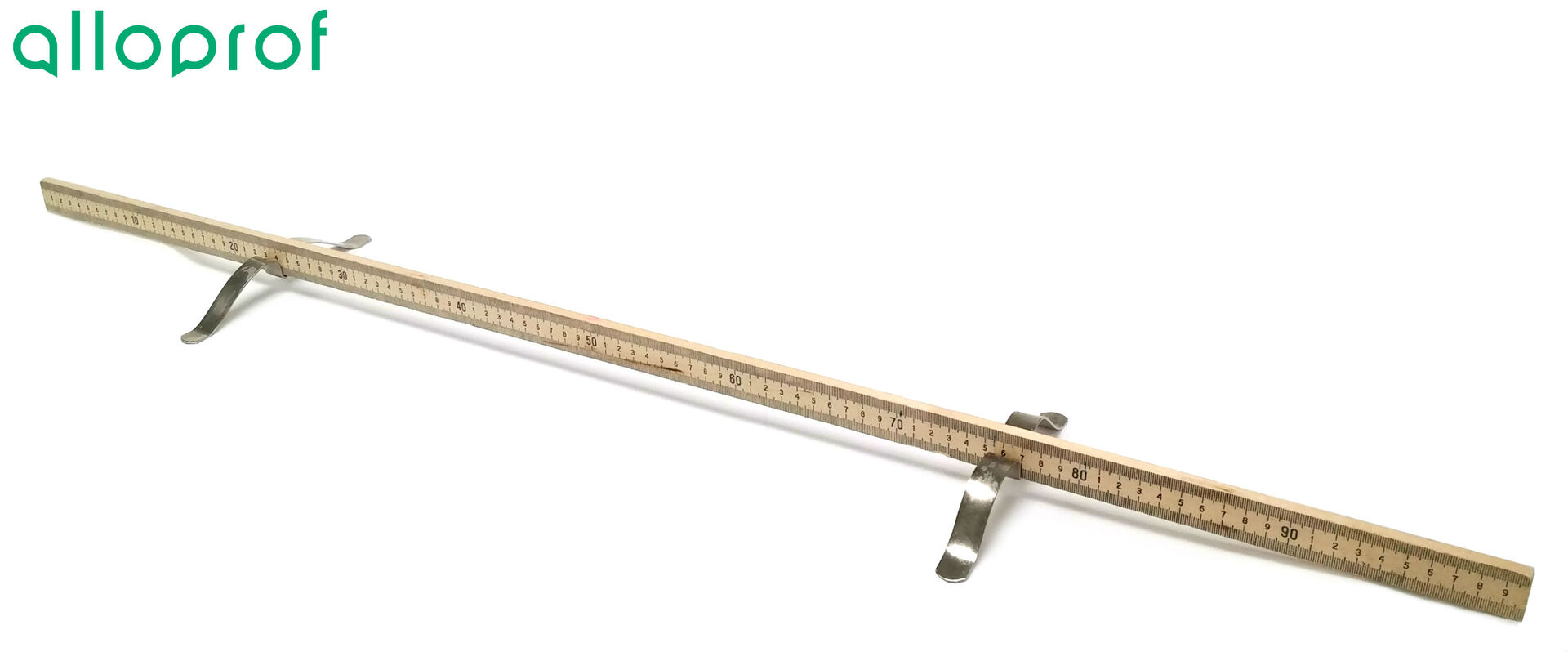 100%
100%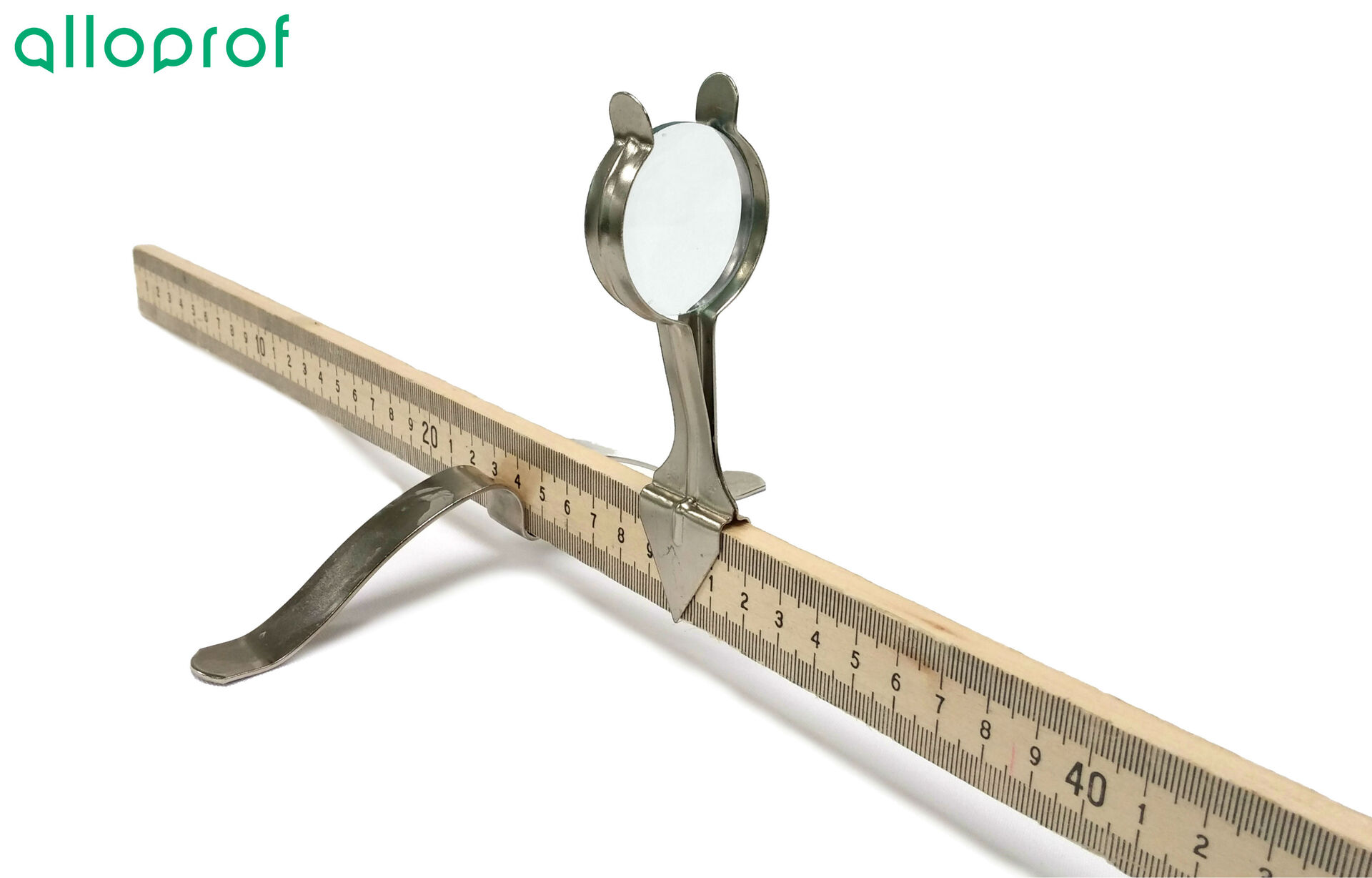 100%
100%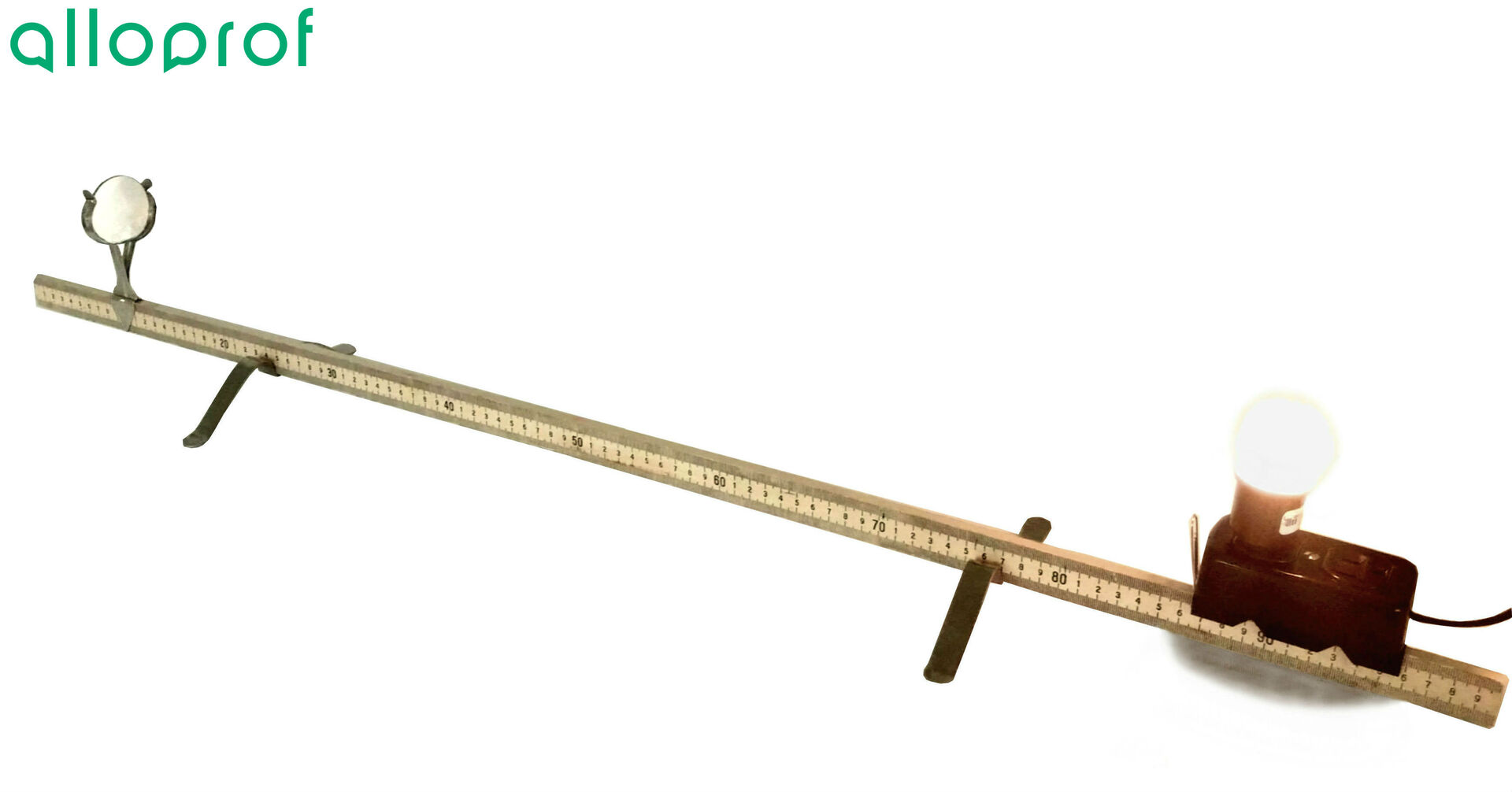 100%
100%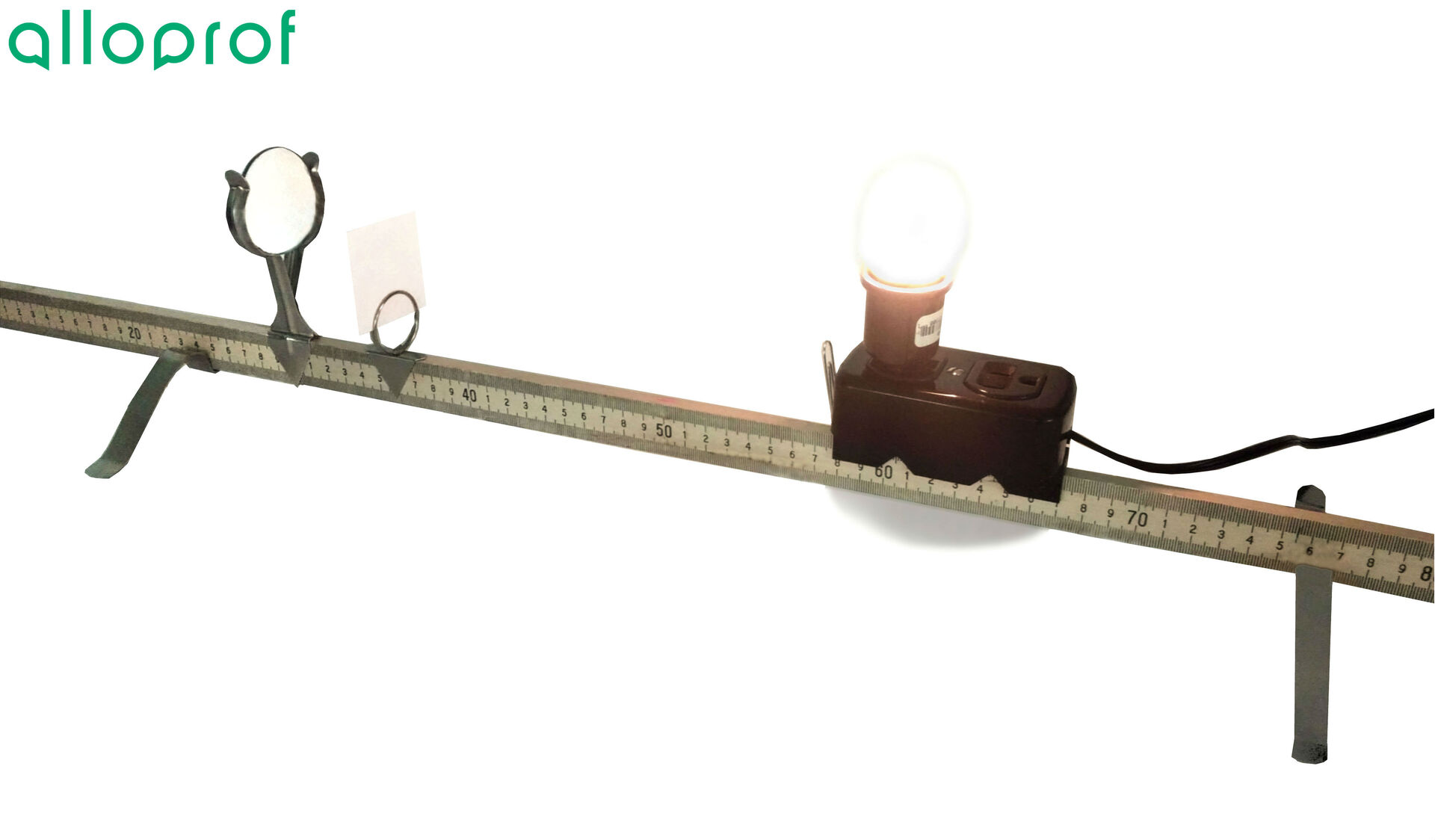 100%
100%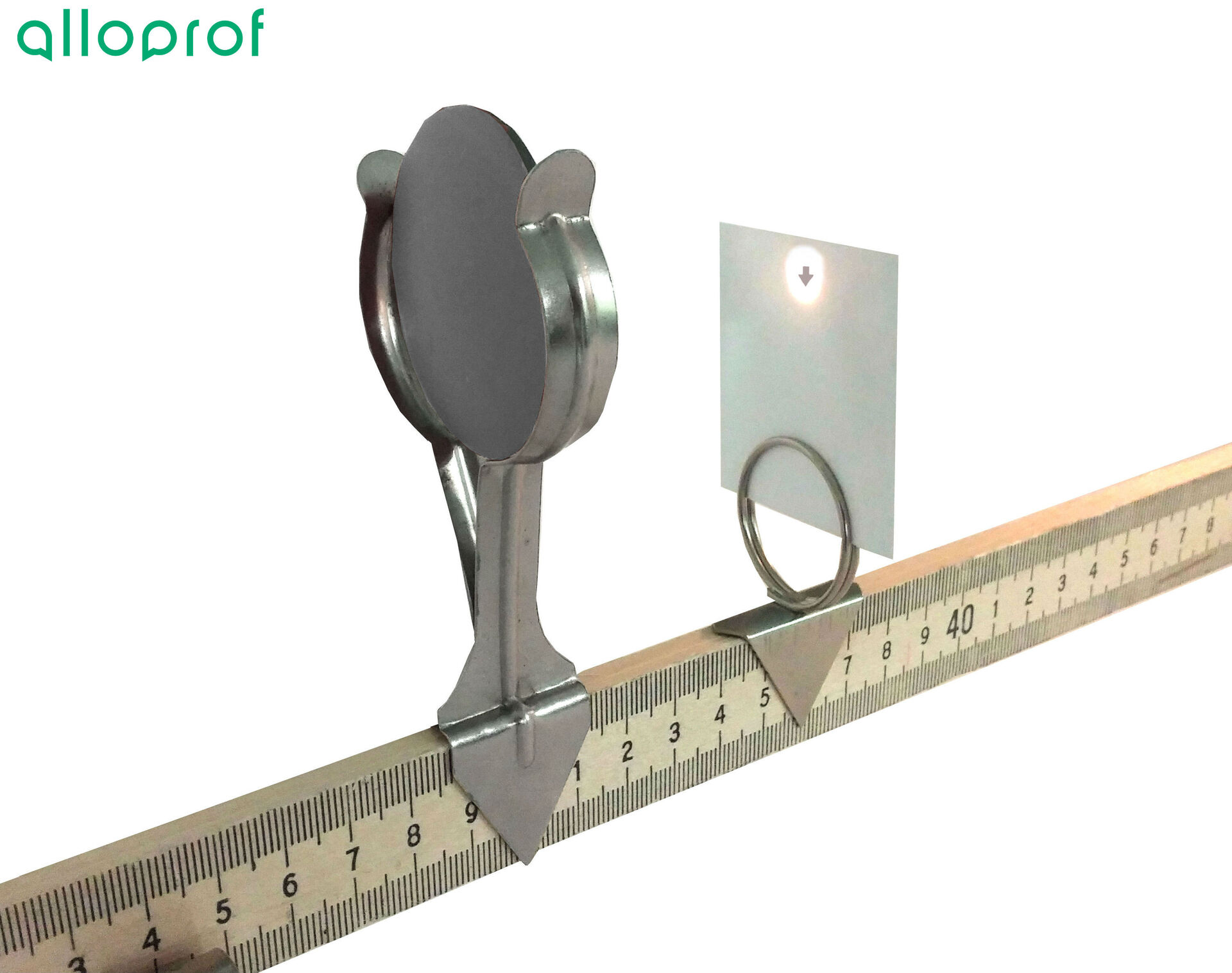 100%
100%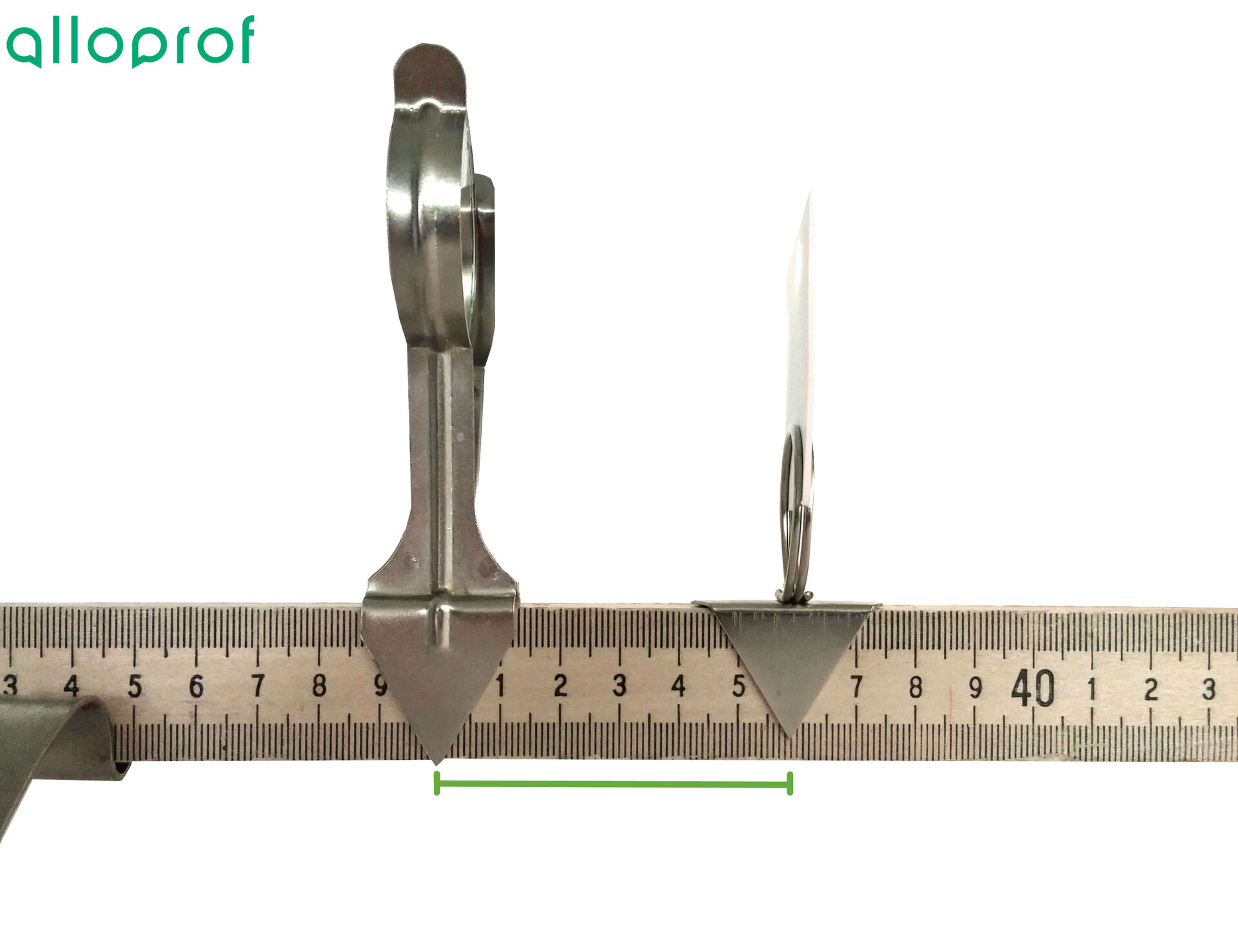
This concept sheet explains the steps to follow to find the focal length in a mirror.
The focal length is the distance between the top of the mirror and the focal point, that is, the point where all the reflected rays intersect (in a converging mirror), or the point where all the extensions of reflected rays intersect (in a diverging mirror).
The focal length can be measured in different mirrors.
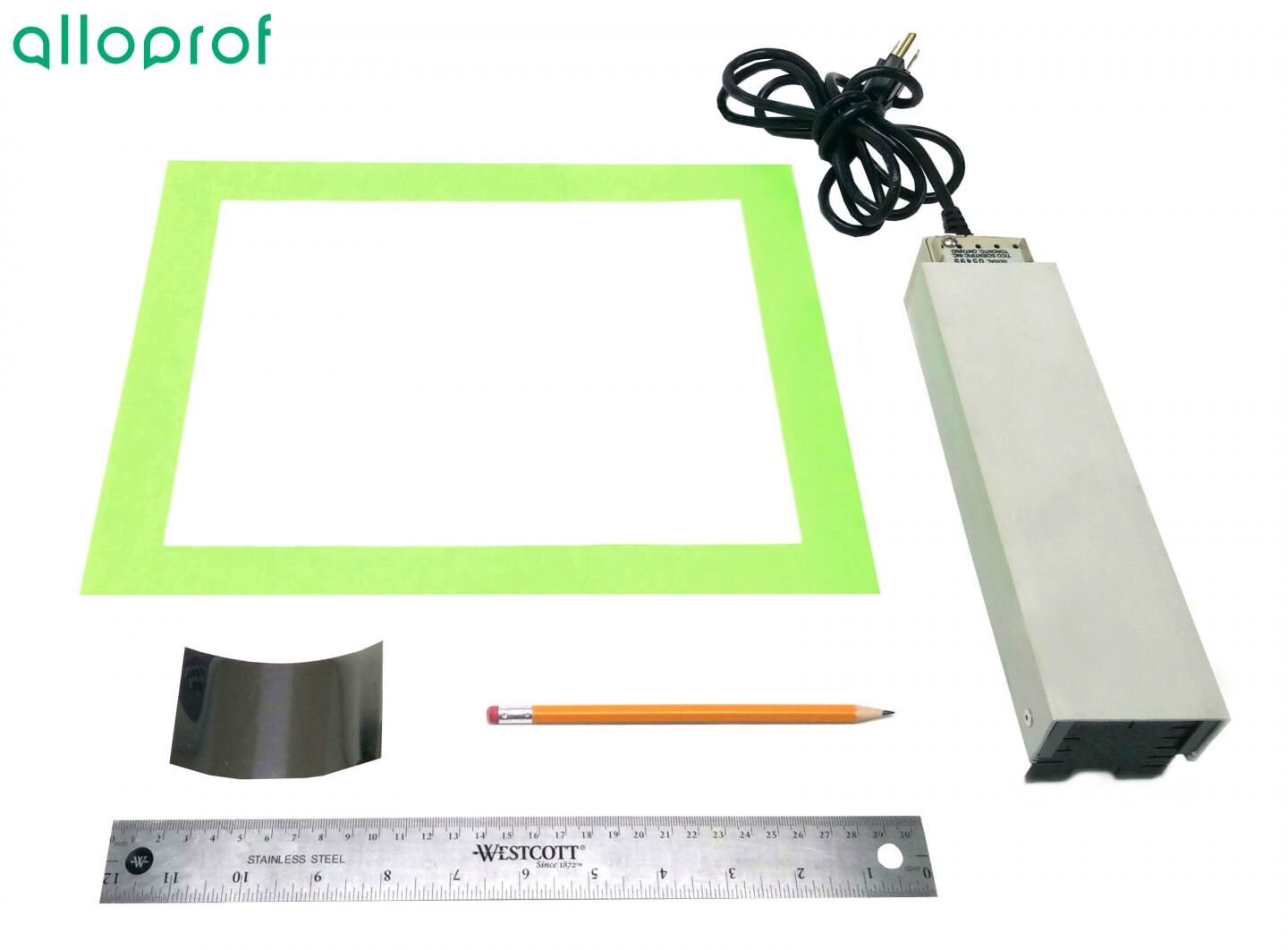
Ray box
Converging cylindrical mirror
Sheet of paper
Ruler
Pencil

1. Place the mirror in front of the ray box on the sheet of paper.
2. Using a pencil, draw a line along the mirror tracing its reflecting surface on the sheet of paper.
3. Light the ray box and send three rays of light into the mirror so that the incident and reflected rays from the centre overlap.
4. Using the pencil, note where the reflected rays intersect, while observing the reflection of the rays.
5. Remove the mirror and the ray box from the sheet of paper.
6. Measure the distance from the top of the mirror to the focal point. This distance represents the focal length of the mirror.
7. Put away the equipment.
By knowing the position of the focus, it is possible to determine the focal length of the mirror used. Simply measure the distance between the tip of the mirror and the focal point. In the example above, the focal length of the mirror is |2.5\ \text {cm}|.
Ray box
Diverging cylindrical mirror
Sheet of paper
Ruler
Pencil
1. Place the mirror in front of the ray box on the sheet of paper.
2. Using a pencil, draw a line along the mirror tracing its reflective surface on the sheet of paper.
3. Turn on the ray box and send three rays of light to the mirror so that the incident and reflected rays from the centre overlap.
4. Use dotted lines to draw the rays reflected by the convex mirror.
5. Remove the mirror and the ray box from the sheet of paper.
6. Extend the reflected rays from the opposite side of the mirror.
7. Using a pencil, note where the reflected rays meet. This point is the focal point.
8. Measure the distance between the top of the mirror and the focal point. This figure represents the focal length of the mirror.
9. Put the equipment away.
By knowing the position of the focus, it is possible to determine the focal length of the mirror used. Simply measure the distance between the top of the mirror and the focal point. In the example above, the focal length of the mirror is |2.6\ \text {cm}|.
Optical bench
Light source
Converging spherical mirror
Mirror support
Screen
Screen support
1. Assemble the optical bench: place the metre stick into its supports.
2. Place the spherical mirror in its support, and place it at one end of the optical bench.
The position of the mirror support pointer indicates the position of the top of the mirror.
3. Place a light source at the other end of the optical bench, as far away from the mirror as possible.
4. Place the screen in the screen support, and position the support so that it can catch the rays reflected by the mirror. If necessary, rotate the mirror.
It is preferable to place the light source and the screen on either side of the optical bench.
5. Move the screen until the captured image is in focus, that is, the image is clear, crisp, bright, and small.
6. Using the tape measure, measure the distance between the focal point (screen position) and the top (mirror position). This distance represents the focal length of the mirror.
7. Put away the equipment.
In the example above, the distance between the screen position and the mirror is |5.9\ \text {cm}|.
Because the centre of curvature in mirrors is at a distance that is twice the focal length, it is possible to determine the radius of curvature by multiplying the result obtained by 2.