Subjects
Grades
 100%
100%
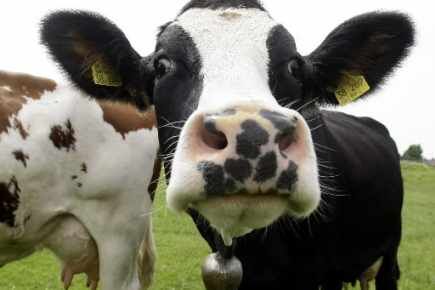
Diet is basically everything that an animal eats.
Unlike plants, animals need to feed themselves in order to survive. Domestic animals and wild animals do not feed in the same way.
Domestic animals are animals that can be large or small and are in the care of humans. These animals can be kept in a house (dogs, cats, birds, rodents, etc.) or on a farm (cows, horses, pigs, sheep, etc.).
If you want to have a pet at home, pet stores are full of animals of all kinds ready to become your best friend. However, exercise caution. Before buying or adopting an animal, there are several aspects to consider, including the following.
Buying or adopting an animal is for life. Too many are abandoned after adoption.
Each animal has its own diet; a dog and a ferret do not require the same kind of food. Certain foods can be harmful to an animal.
Animals need a lot of care: routine visits to the vet (vaccines, prevention of infectious diseases, health check-up), hygiene, health and care (clipping, grooming), etc.
A wild animal is an animal which lives in a natural environment and meets its own needs (food, drink, protection from predators or weather conditions, etc.).
Raccoons, snakes, squirrels, and birds are examples of wild animals, although some have been tamed by humans in some cases. Great care must be taken with wild animals. Some can behave unpredictably while others carry diseases such as rabies and West Nile virus.
The words domesticated and tamed do not mean exactly the same thing.
A domestic animal is an animal that has coexisted with humans for thousands of years. Very often, its survival depends on the care provided by humans. This type of animal is the product of selective breeding; it means that humans control the reproduction of these species.
Examples: cows, pigs, dogs, turkeys, horses, etc.
A tamed animal is a wild animal taken under human care, usually at a very young age. Often the human becomes the parental figure rather than an animal of the same species. A tamed animal is not a domestic animal and remains wild for life.
Examples: chipmunk, raccoon, duck, etc.
