Subjects
Grades
Pollution is defined as any release of pollutants into the environment. A pollutant that is harmful to the environment can be biological, physical, or chemical in nature.
Pollution can result from human activity (anthropogenic pollution), but also from nature itself (natural pollution).
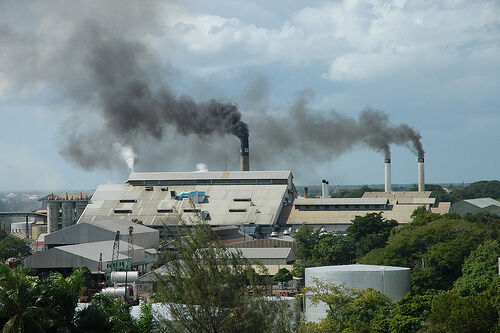
Examples of anthropogenic sources of pollution are industry, transport, heating, chemical fertilizers and pesticides used in agriculture, aerosol products (chlorofluorocarbons or CFCs), as well as tourism.
|
Examples of anthropogenic pollutants |
Sources |
|---|---|
|
Carbon dioxide (CO2) |
Industry, transport (cars, trucks, airplanes), heating (coal-fired power plants), forest fires for the benefit of pastures |
|
Mercury (Hg) |
Old batteries, fungicides, bactericides, excessive drainage, agriculture |
|
Dioxin |
Incinerators, mining production, cigarette combustion |
|
Methane (CH4) |
Coal mining operation, waste decomposition in landfills |
|
Nitrous oxide (N2O) |
Combustion engines |
|
Light |
Urban environments with multiple light sources (streetlights, neon lights, etc.) |
|
Noise |
Transport, industries, human activities |
|
Nitrates (NO3-) |
Agricultural fertilizers |
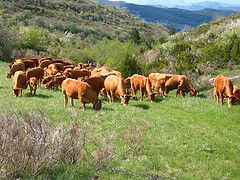
Biological waste, forest fires, extraterrestrial dust, and pollen are just a few examples of sources of natural pollution. In excessive quantities, naturally occurring pollutants can also disrupt ecosystems.
|
Examples of natural pollutants |
Sources |
|---|---|
|
Methane (CH4) |
Wetlands (marshes, mangrove forests), ruminants, natural organic decomposition |
|
Radioactivity |
Uranium, carbon-14 |
|
Carbon dioxide (CO2) |
Volcanoes, forest fires |
The current challenge of reducing land pollution involves considering the sources of natural pollution and anthropogenic pollution, as they occur simultaneously. These different types of pollution disturb, among other things, the soil, the air, and the water of ecosystems.