Subjects
Grades
 100%
100%
 100%
100%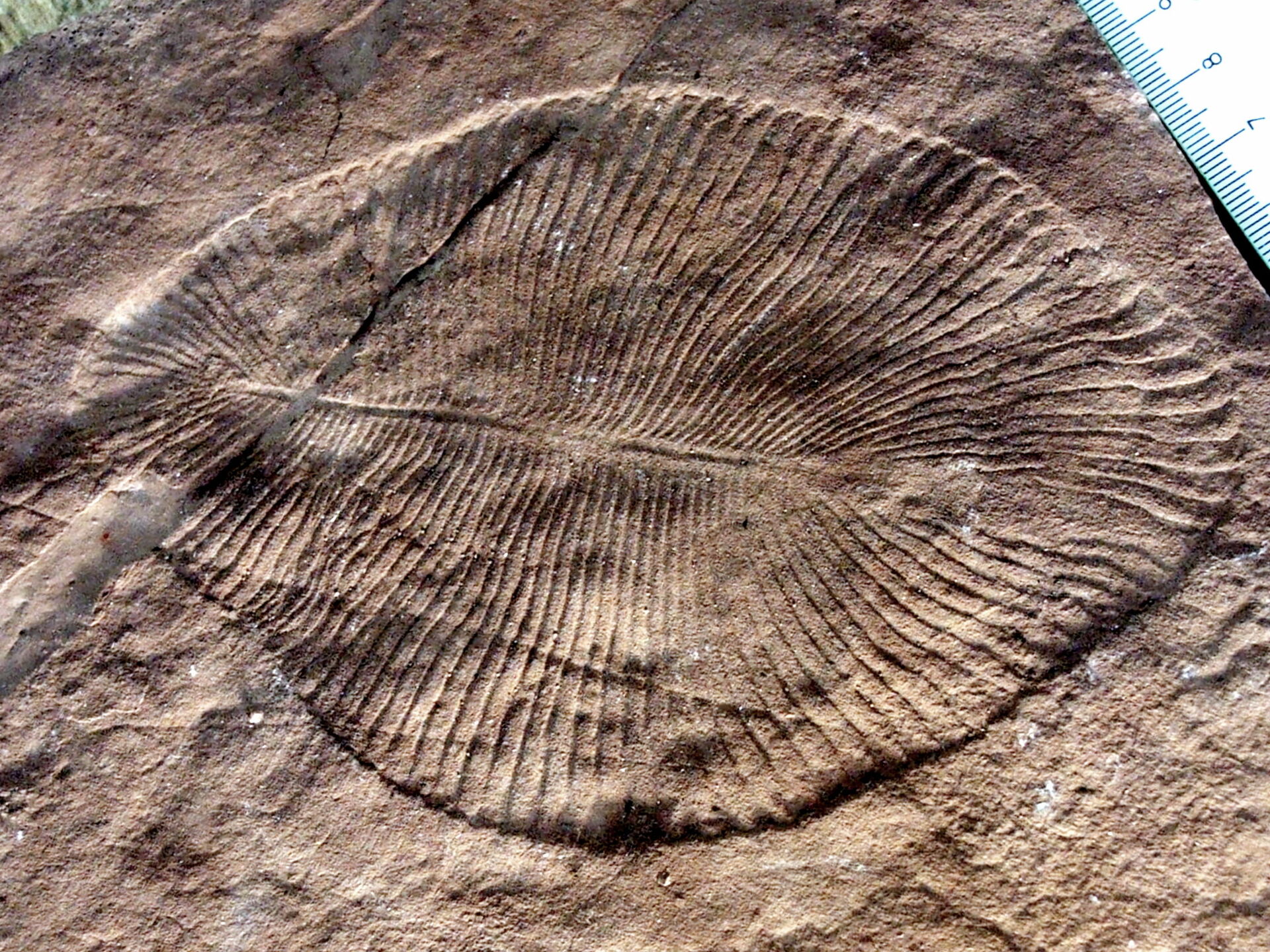 100%
100%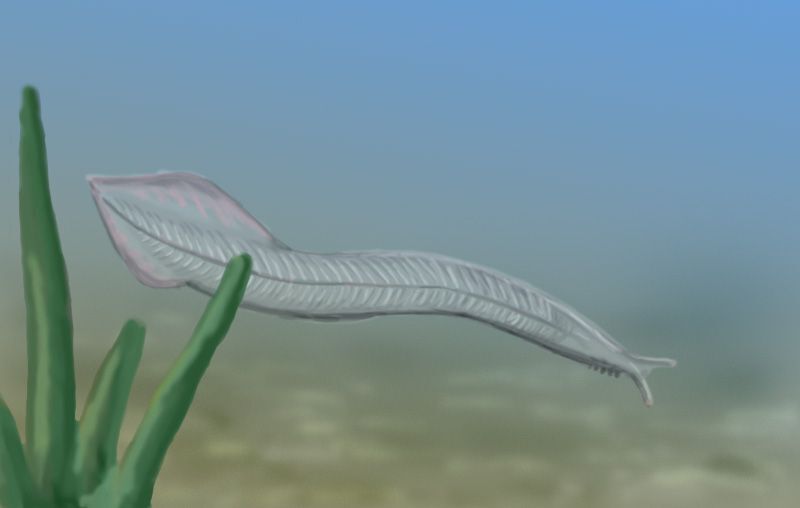 100%
100%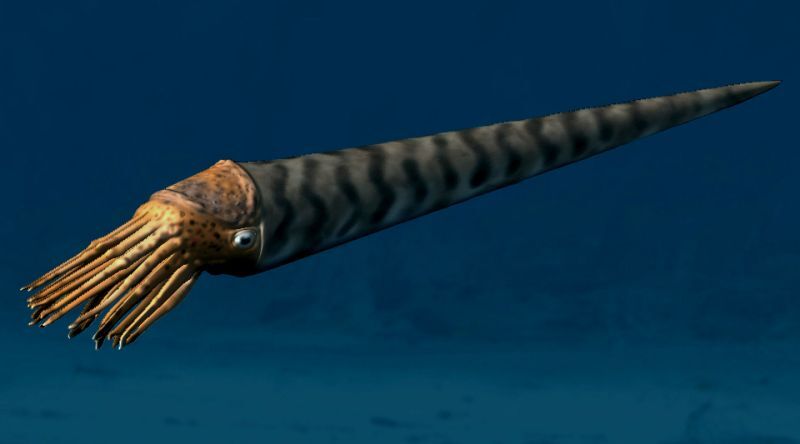 100%
100%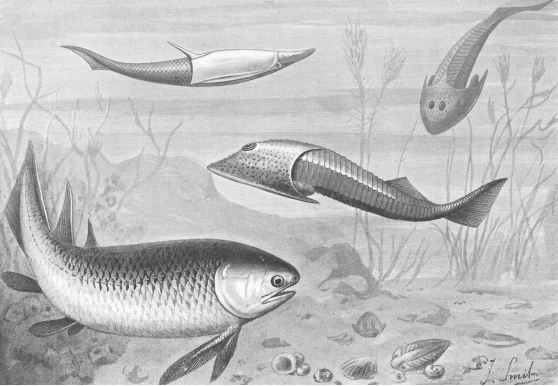 100%
100%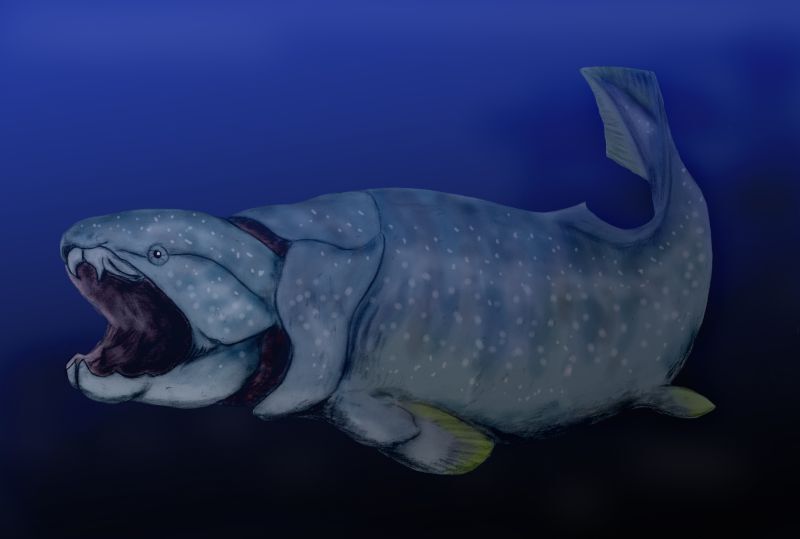 100%
100%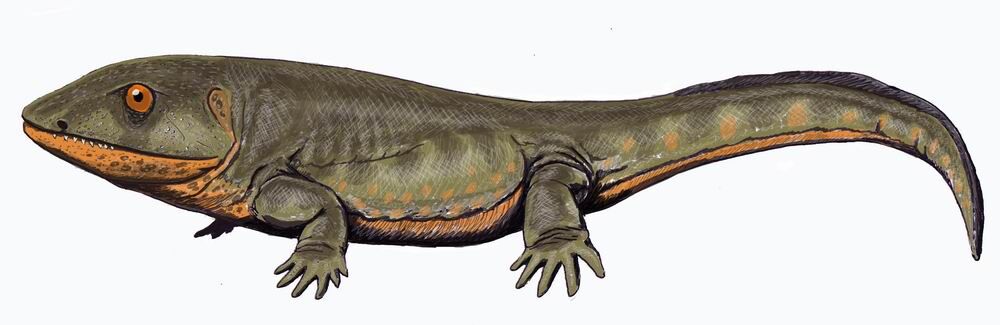 100%
100%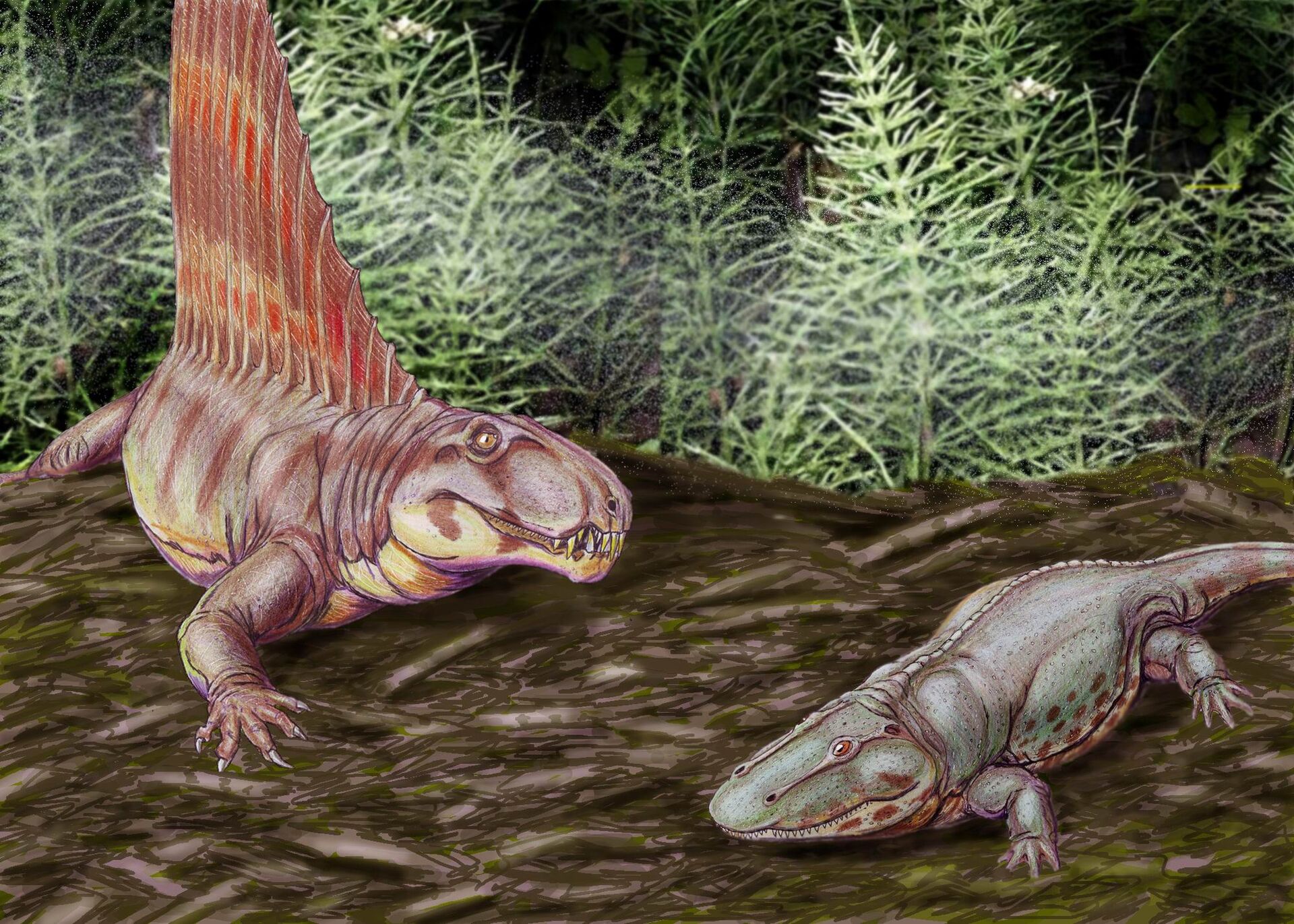 100%
100%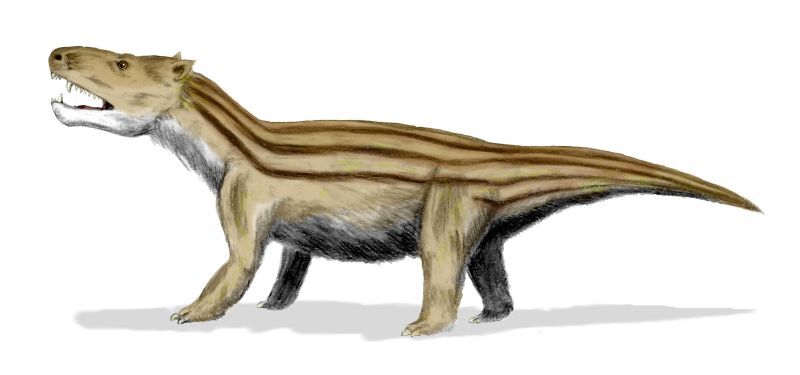 100%
100%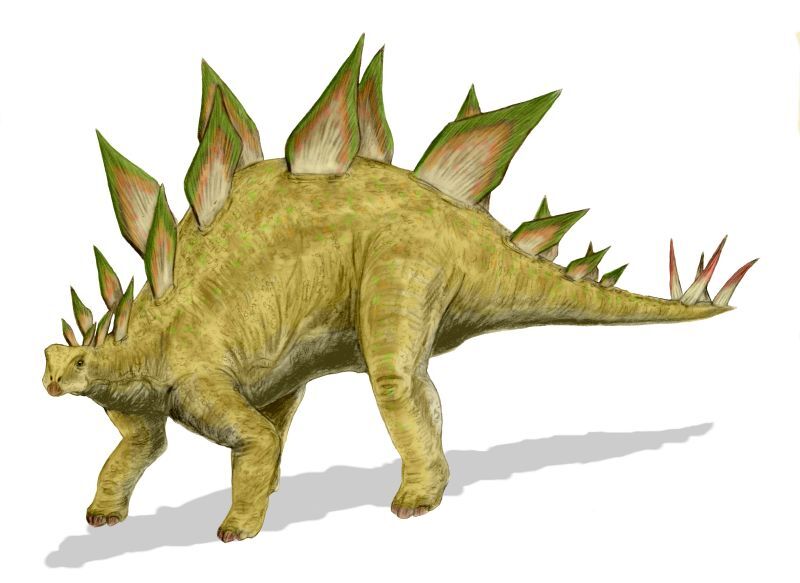 100%
100%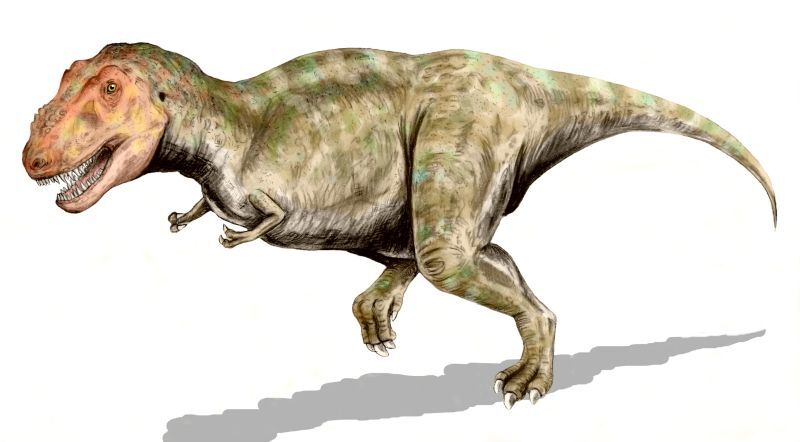 100%
100%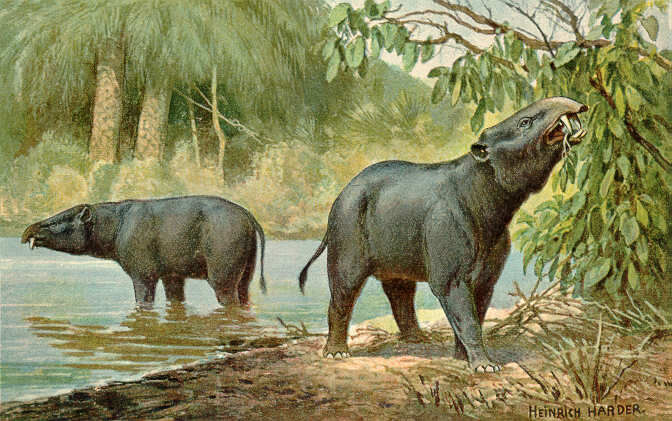 100%
100%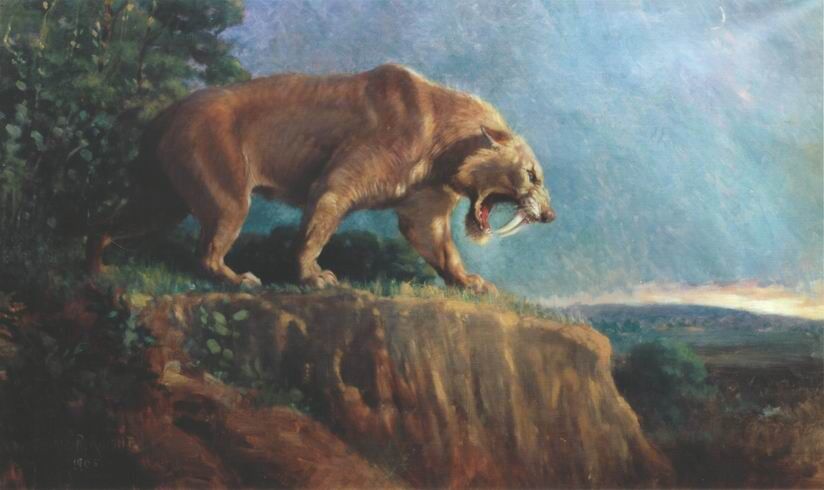 100%
100%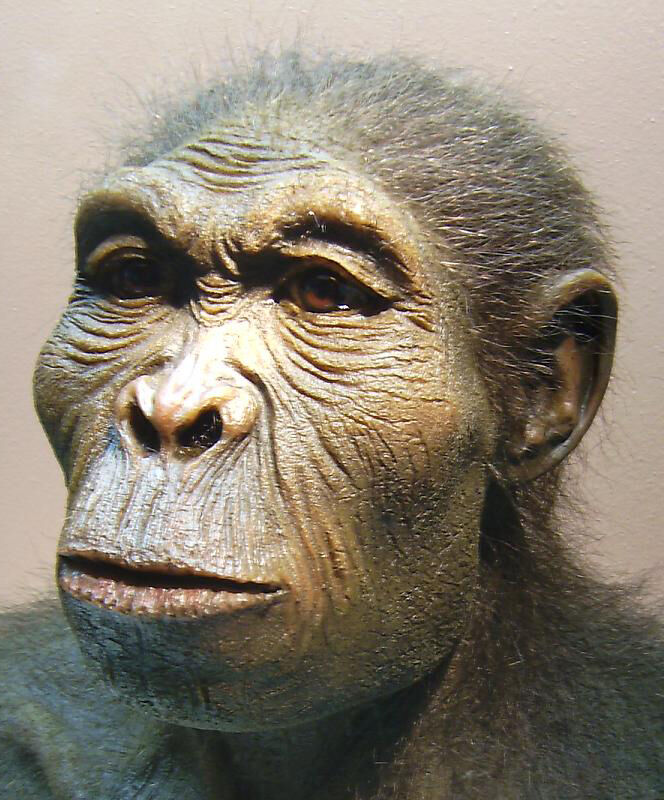
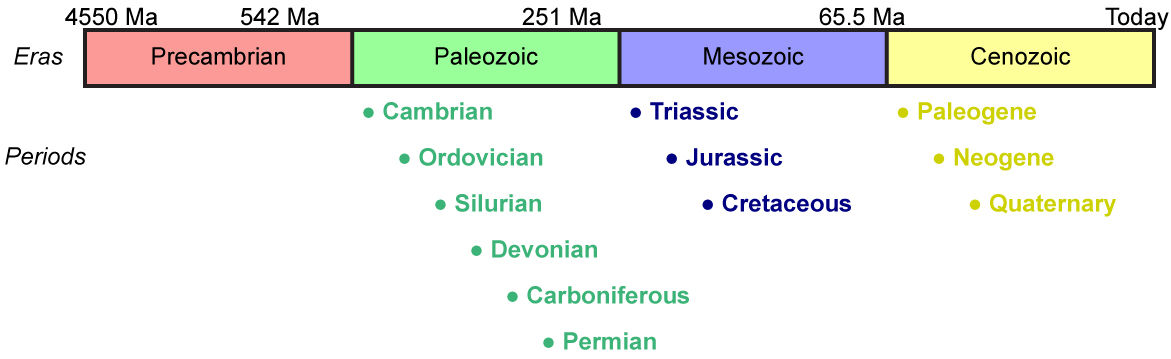
The geological time scale divides the history of the Earth into shorter units based on the appearance and disappearance of different forms of life. It began 4.55 billion years ago (4 550 million years) and continues to the present day.
The eras are the four major divisions of the geological time scale: Precambrian, Paleozoic, Mesozoic, and Cenozoic.
The periods are the subdivisions of the eras.
The following timeline displays an overview of the four eras as well as their respective periods. However, the divisions of this scale are not representative of their actual duration.

The beginning of the Precambrian era corresponds to the formation of planet Earth as well as the other planets of the solar system; in other words, 4 550 million years (Ma) ago.
The Earth formed as a result of the agglomeration of dust and rock particles that were attracted to each other under the effect of gravity. Eventually, the planet warmed up until it became a huge sphere of magma. As it cooled, Earth’s crust formed and led to a period of volcanism. The series of volcanic eruptions caused a significant release of water vapor which condensed to then create the oceans. A billion years later, life appeared in these oceans.
The earliest forms of life are bacteria and unicellular organisms without nuclei (prokaryotes). Among these are cyanobacteria, which use solar energy to produce oxygen, a gas that was absent at that time from the surface of the planet. As a new substance then emerged, it had a negative impact on the living organisms already present. As a result, it led them to adapt and diversify.
In general, the living organisms present in the Precambrian are very simple. Unicellular organisms with nuclei (eukaryotes) appeared 2 000 Ma ago, while multicellular organisms appeared 1 000 Ma ago.
Fossil of Dickinsonia costata, a Precambrian multicellular eukaryotic organism.
This era begins with the development of invertebrates with a shell. It is divided into six periods: Cambrian, Ordovician, Silurian, Devonian, Carboniferous and Permian. The Paleozoic era brings together three massive extinctions as well as the emergence of the first vertebrates, the first plants, as well as the first terrestrial organisms.
This period is marked by the emergence of several species of invertebrates with a hard body such as sponges, arthropods, and mollusks. The first animal with a backbone also emerged at that time. Indeed, the Pikaia is the ancestor of reptiles, dinosaurs, birds, and mammals.
The Pikaia lived at that time. It is considered to be one of the ancestors of vertebrates.
It is during this period that the first marine vertebrates appear as well as the first plants such as mosses, fungi and lichens. Thus, life begins to colonize the land. However, at the end of the Ordovician period, the first mass extinction occurs; more than half of the animal species then disappear.
The Orthoceras was one of the cephalopod mollusks living at this time.
In the Silurian period, we witness the emergence and diversification of fish species: jawless fish (like lamprey), cartilaginous fish (like rays and sharks) and bony fish (like modern fish).
Examples of Silurian Fish
During the Devonian period, land plants diversified. At this time, they reached the size of a tree. They reproduced mainly by spores such as ferns and lichens. The emergence of arthropods and amphibians colonizing the land also occurred at that time. Unfortunately, more than 70% of marine species disappeared at the end of this period following several successive climate changes, resulting in the second mass extinction.
The Dunkleosteus is a Devonian placoderm fish.
In the Carboniferous period, vast humid forests formed by conifers populated the surface of the single continent present at that time, Pangea. The Carboniferous period is also characterized by the extensive presence of giant insects. Many species of reptiles then appeared such as turtles, snakes, lizards, and iguanas.
The Pederpes is a Carboniferous species of tetrapod.
This period, the last of the Paleozoic era, is marked by the development of animal life both on land and in the sea. Plants, reptiles (including the Dimetrodon, a formidable carnivore) and amphibians inhabit the continents while mollusks and echinoderms occupy marine environments. This is when the most important mass extinction occurs. Indeed, more than 95% of marine species and 75% of terrestrial species disappear as a result of a series of meteorological events (glaciation, volcanic activity, acid rain, destruction of the ozone layer).
A Dimetrodon and an Eryops, both living in the Permian period.
This era is commonly referred to as "the era of the dinosaurs" since they were the ones dominating the planet at that time. It is divided into three periods: Triassic, Jurassic and Cretaceous.
This period is associated with the appearance of the first dinosaurs as well as the first mammals. The diversification of species continued in the Jurassic and in the Cretaceous periods. These imposing reptiles were present in all environments (land, sea, and air). At the end of this period, the fourth mass extinction occurred, where more than 50% of fish, sponge, and coral species have disappeared, possibly due to a meteorite impact or to volcanic eruptions.
Cynognathus is a Triassic mammal-like reptile.
In the Jurassic period, the stability of climates favoured the multiplication of marine and terrestrial animal species, including the first birds. Flowering plants also began to flourish. It is also at the end of this period that Pangea begins to break apart.
The Stegosaurus genus includes several species of dinosaurs of the Jurassic period.
During the Cretaceous period, Pangea breaks apart and the continents drift to their present location. During this period, flowering plants grow in abundance, mammals are present, although relatively small in size, whereas bees are proliferating. At the end of the Cretaceous period, a fifth and final mass extinction occurs, which is associated with the disappearance of dinosaurs. This event would have been caused by the fall of a meteorite in the north of Yucatán, Mexico.
The Tyrannosaurus is one of the Cretaceous species.
This is the era in which we are currently living. It is during this era that most species of birds, mammals, and flowering plants that are known today appeared. It is divided into three periods: Paleogene, Neogene, and Quaternary.
During this period, all animals and plants that appear resemble the species currently living on the planet. Insects, birds, fish, amphibians, and mammals are represented in the Paleogene period.
The Moeritherium genus includes several species of mammals of the Paleogene period.
In the Neogene period, grasses such as wheat, rice, and bamboo multiplied. These served to feed big herbivores, thus promoting their development. It is worth noting that a more or less significant part of the species present in this period will disappear in the Quaternary; nonetheless, this is not considered as a mass extinction.
The Smilodon, also called saber-toothed tiger, is from the Neogene period.
This is the period we are currently in. The beginning of this period is characterized by alternating periods of glaciation, favourable to the development of mammals. The mammoth and the woolly rhinoceros appeared during the cold periods, while the warm periods were favourable to the development of the hippopotamus and elephant. It is also in this period that the evolution of humans took place.
Reconstruction of Homo Habilis’ Appearance