Subjects
Grades
 100%
100%
 100%
100%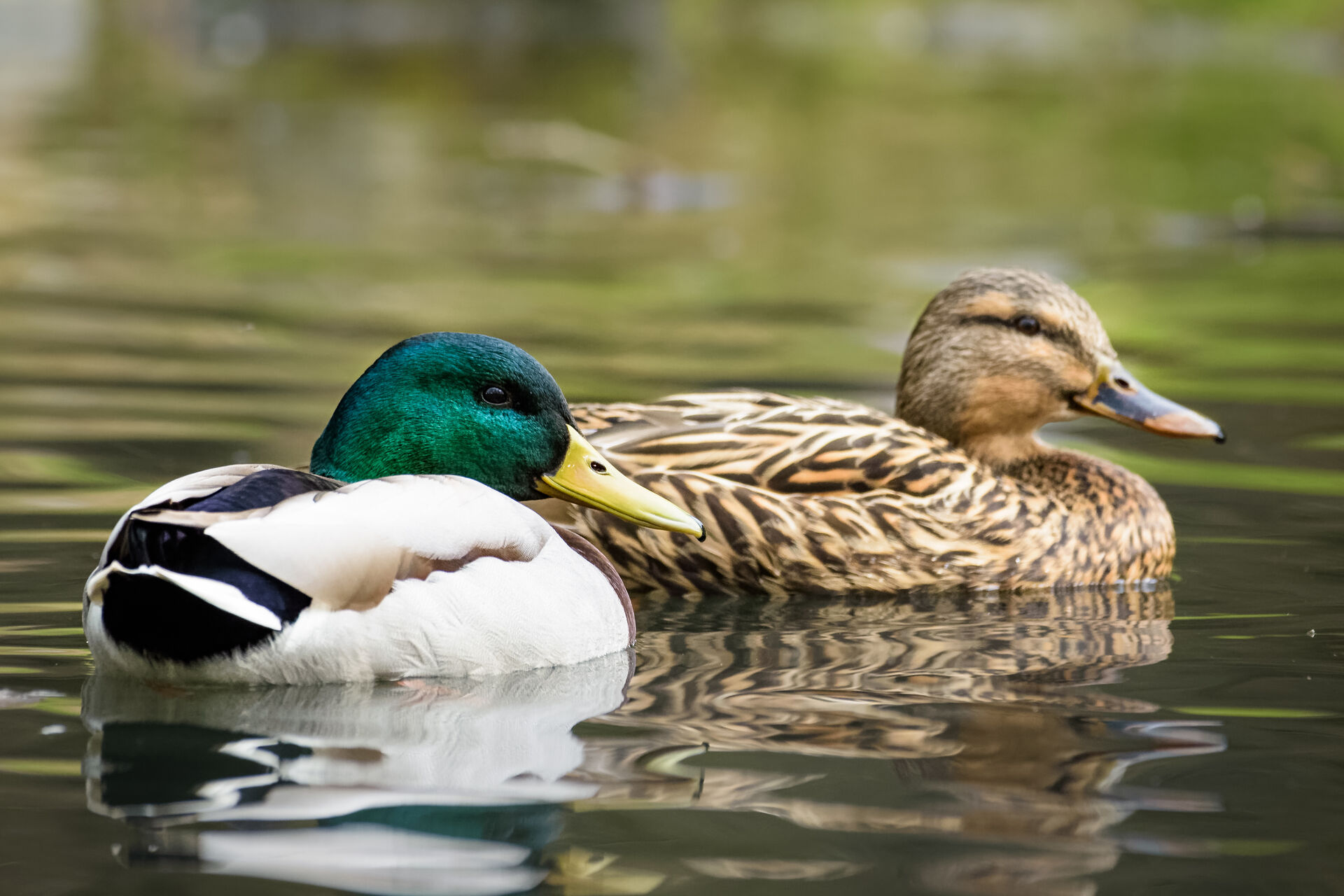 100%
100%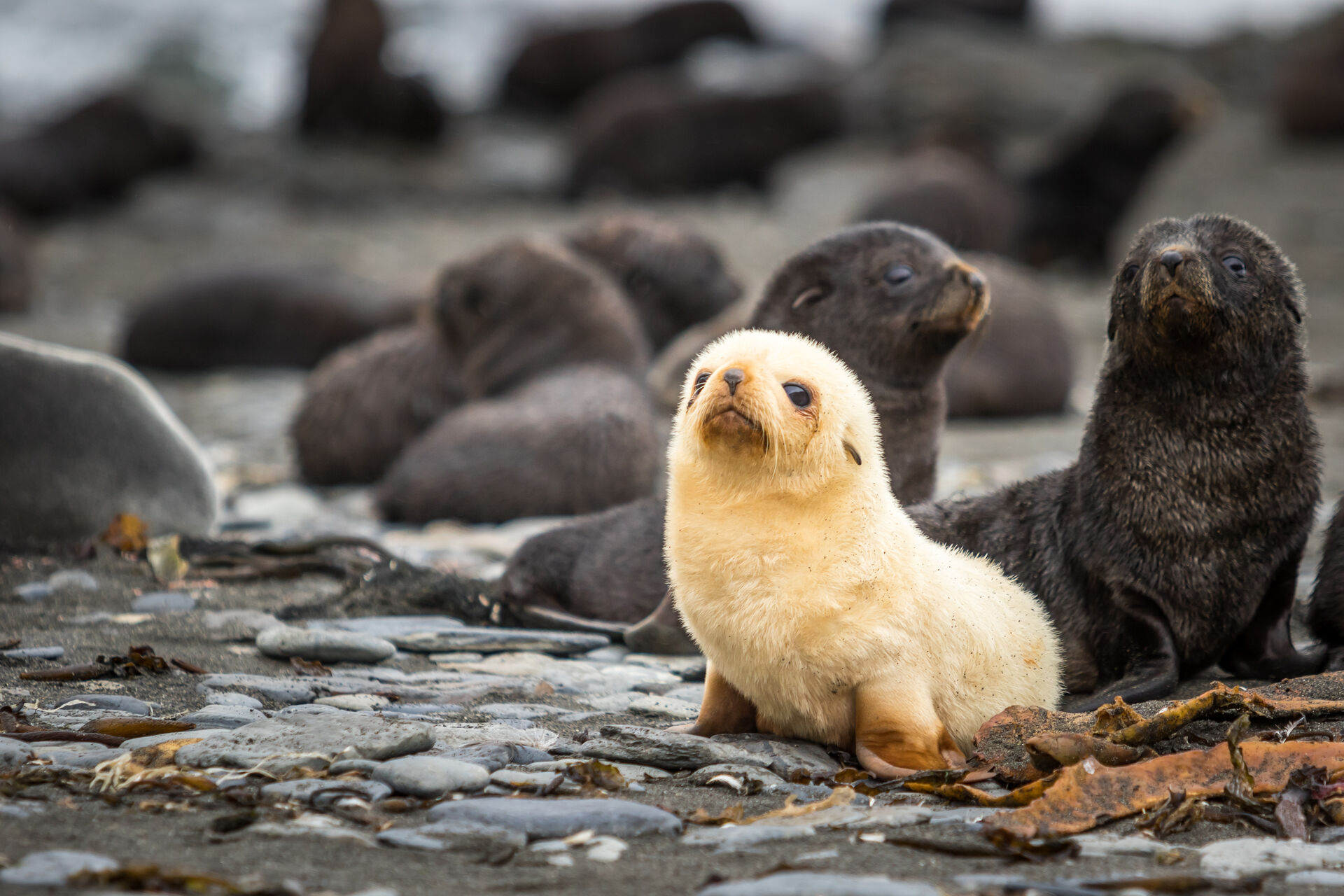 100%
100% 100%
100%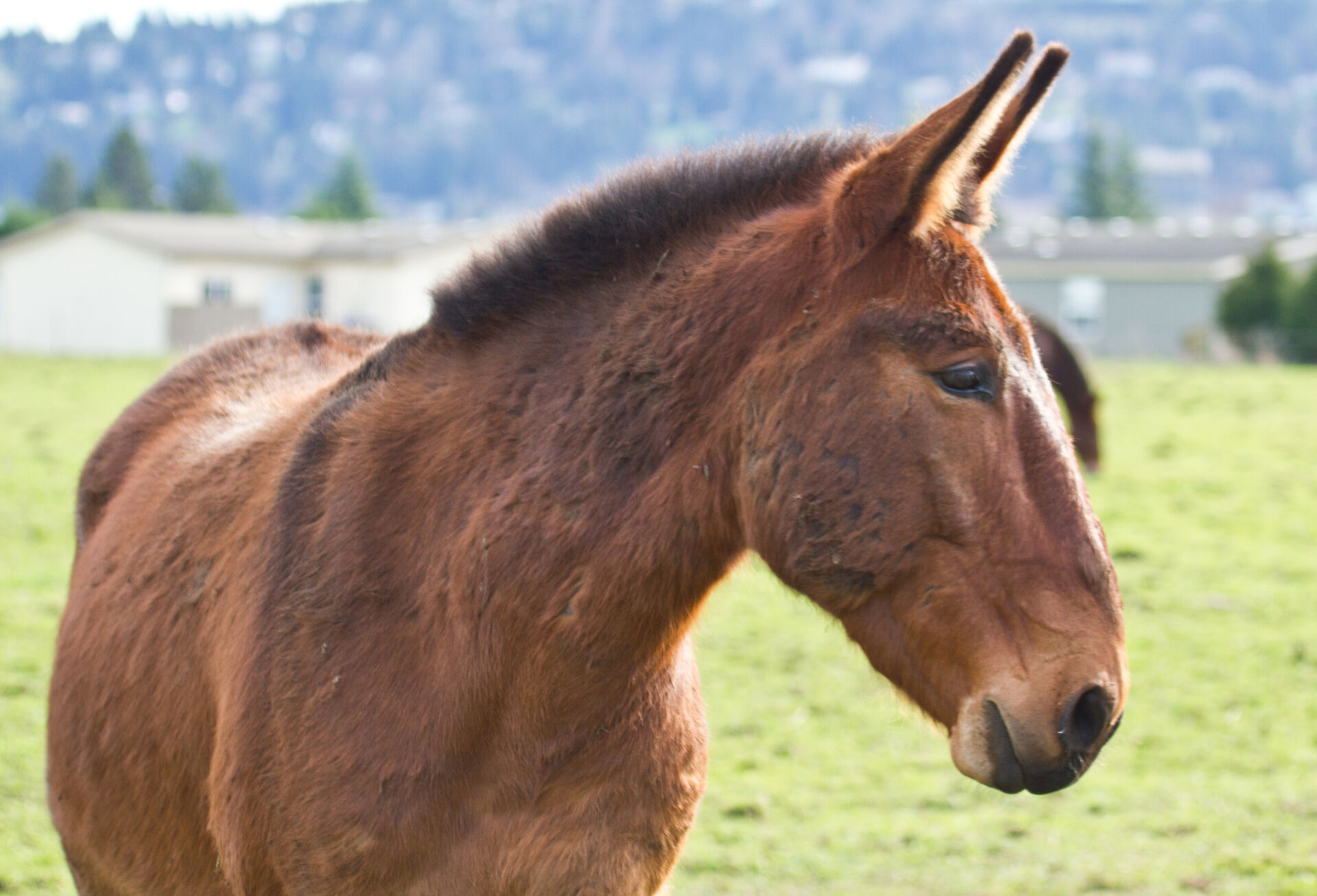 100%
100%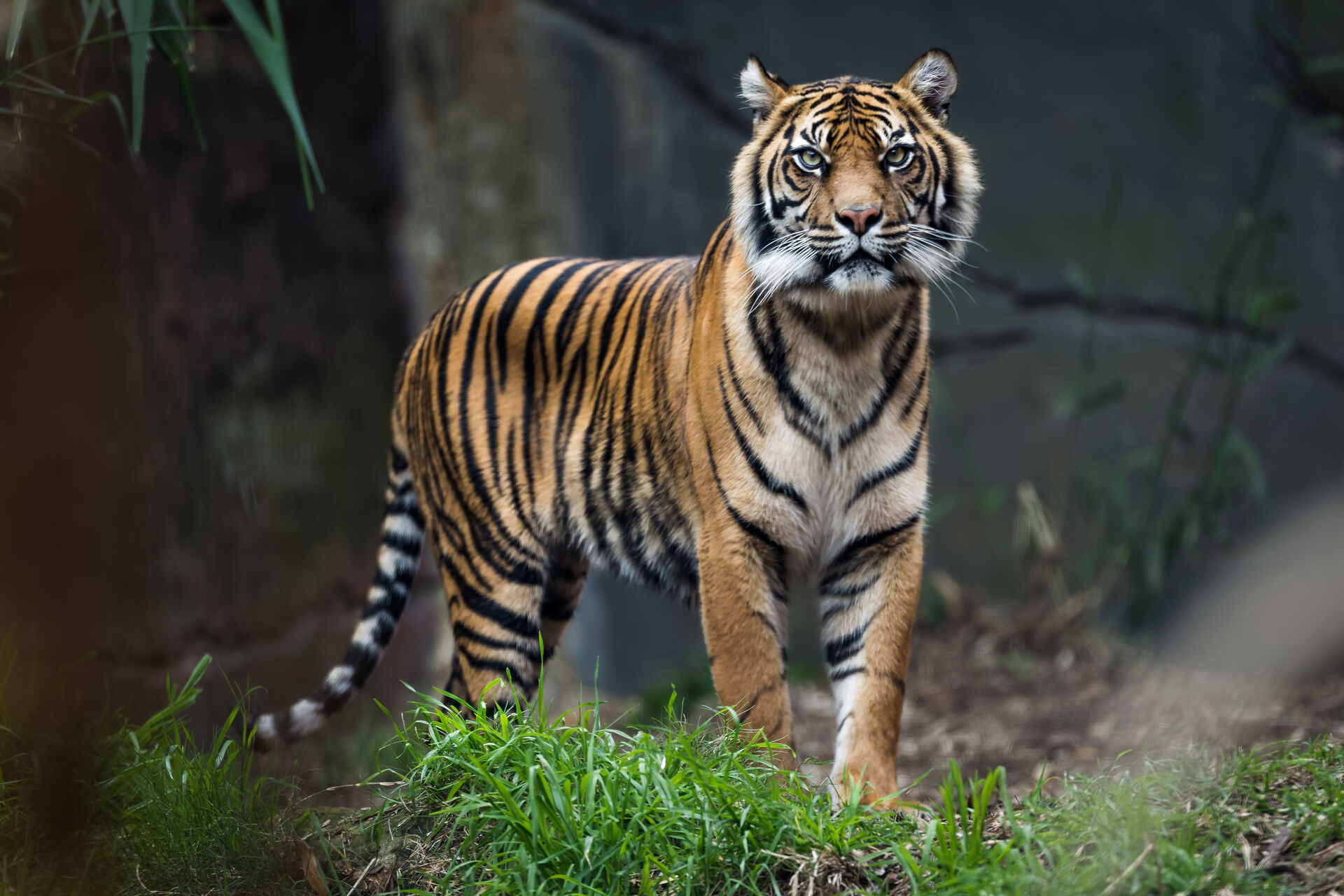 100%
100%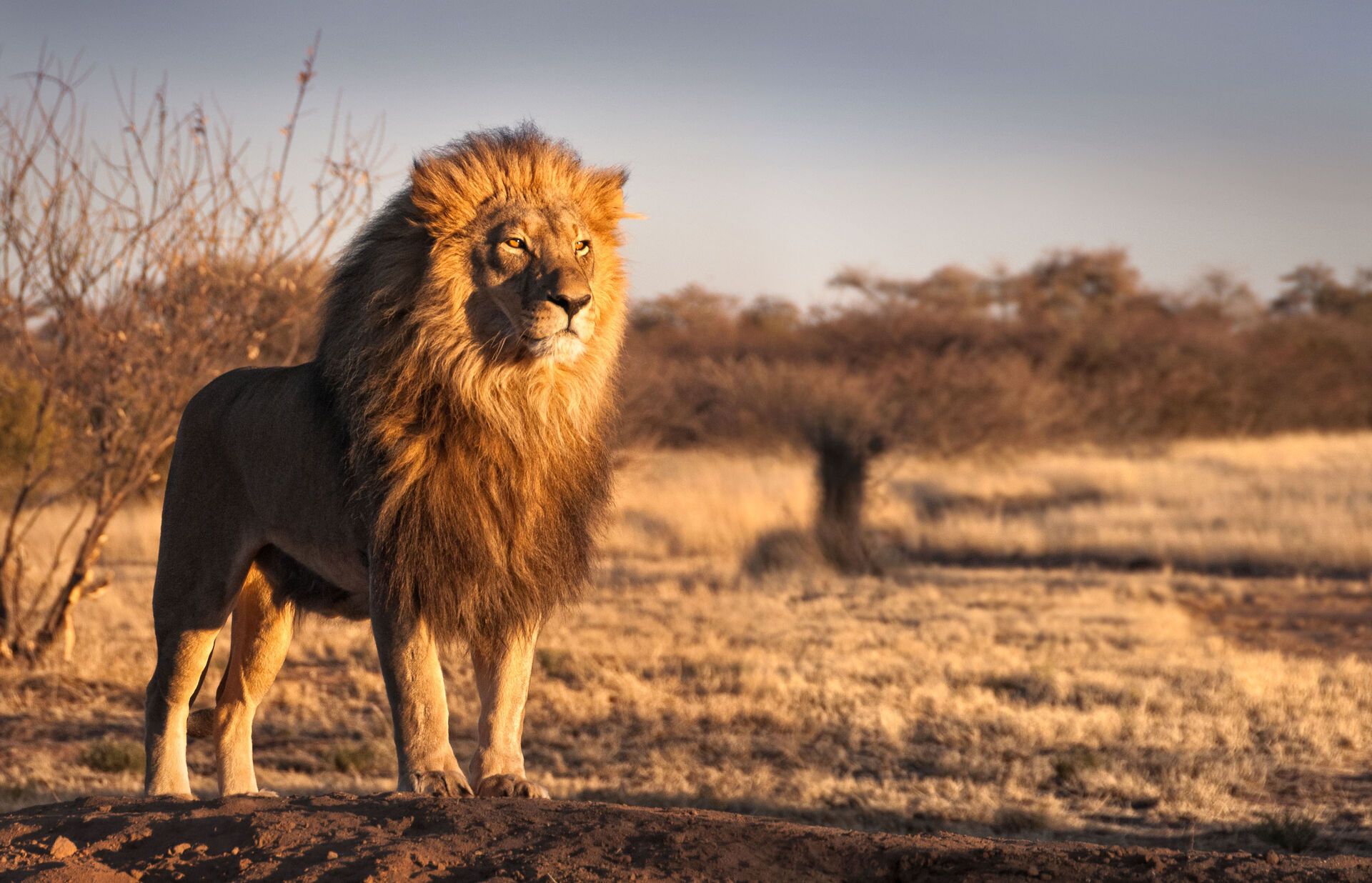 100%
100%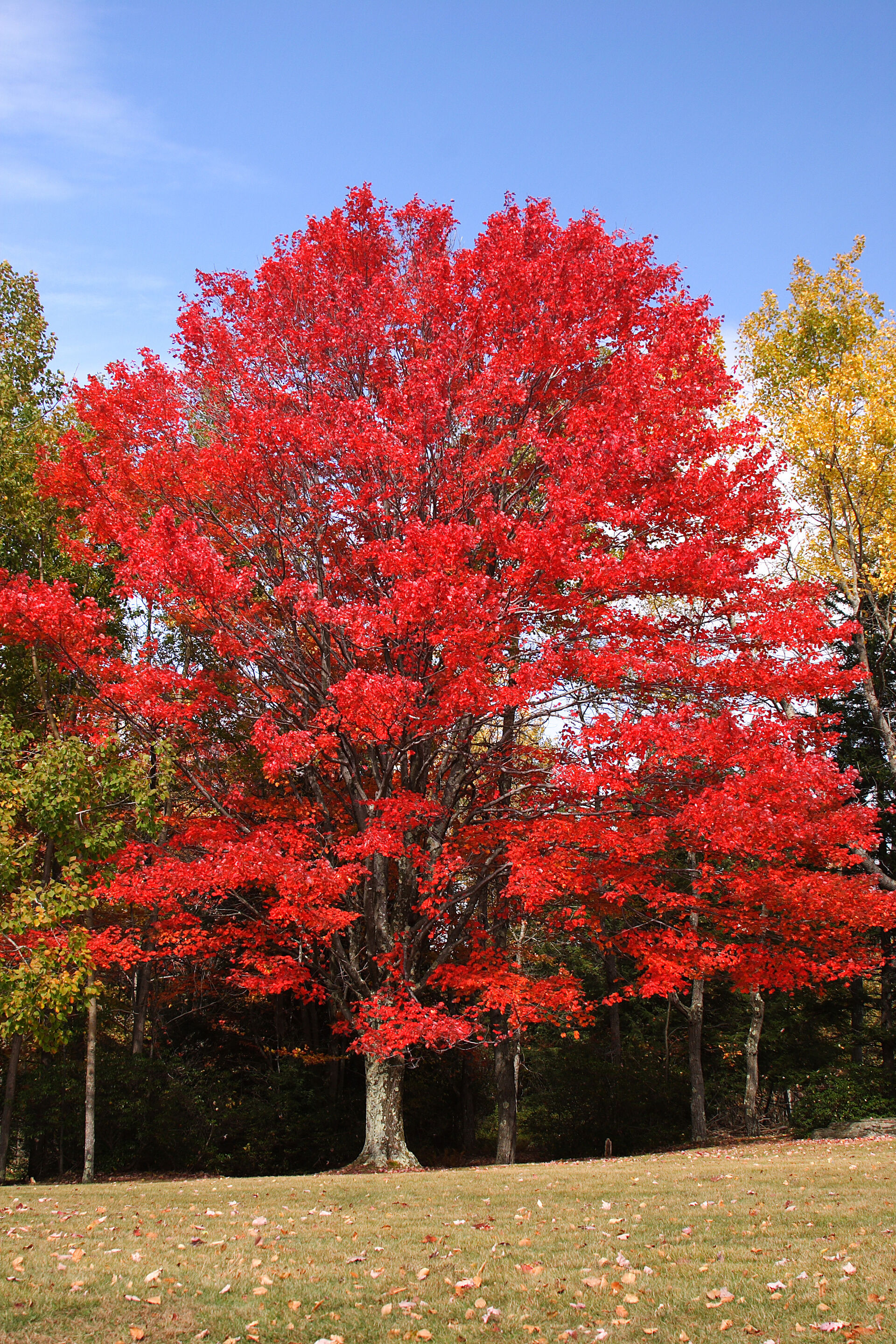 100%
100%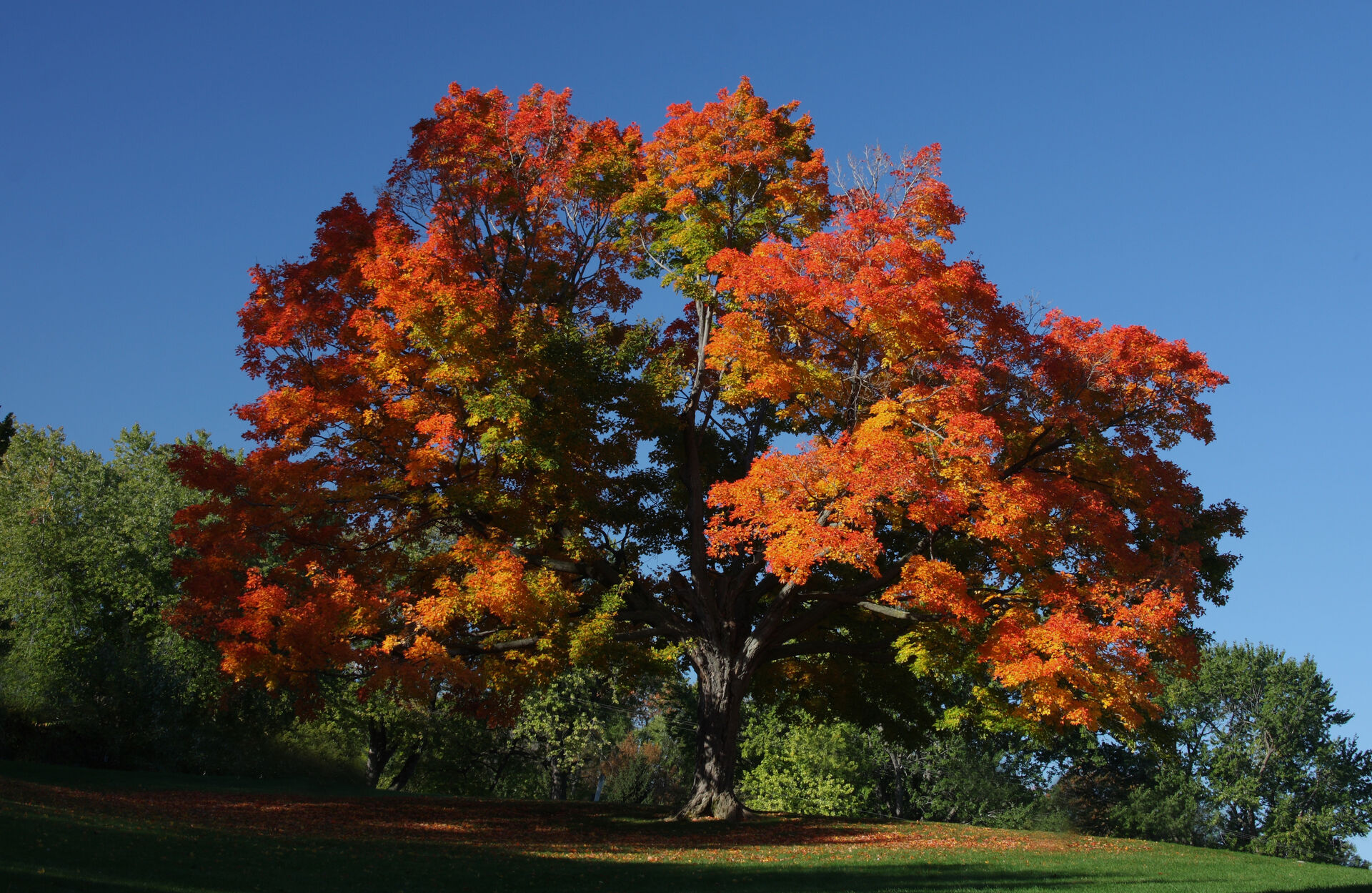
Scientists use a special method to classify all living organisms. This method is called taxonomy. Species is the most precise level of this classification system.
A species includes all organisms who:
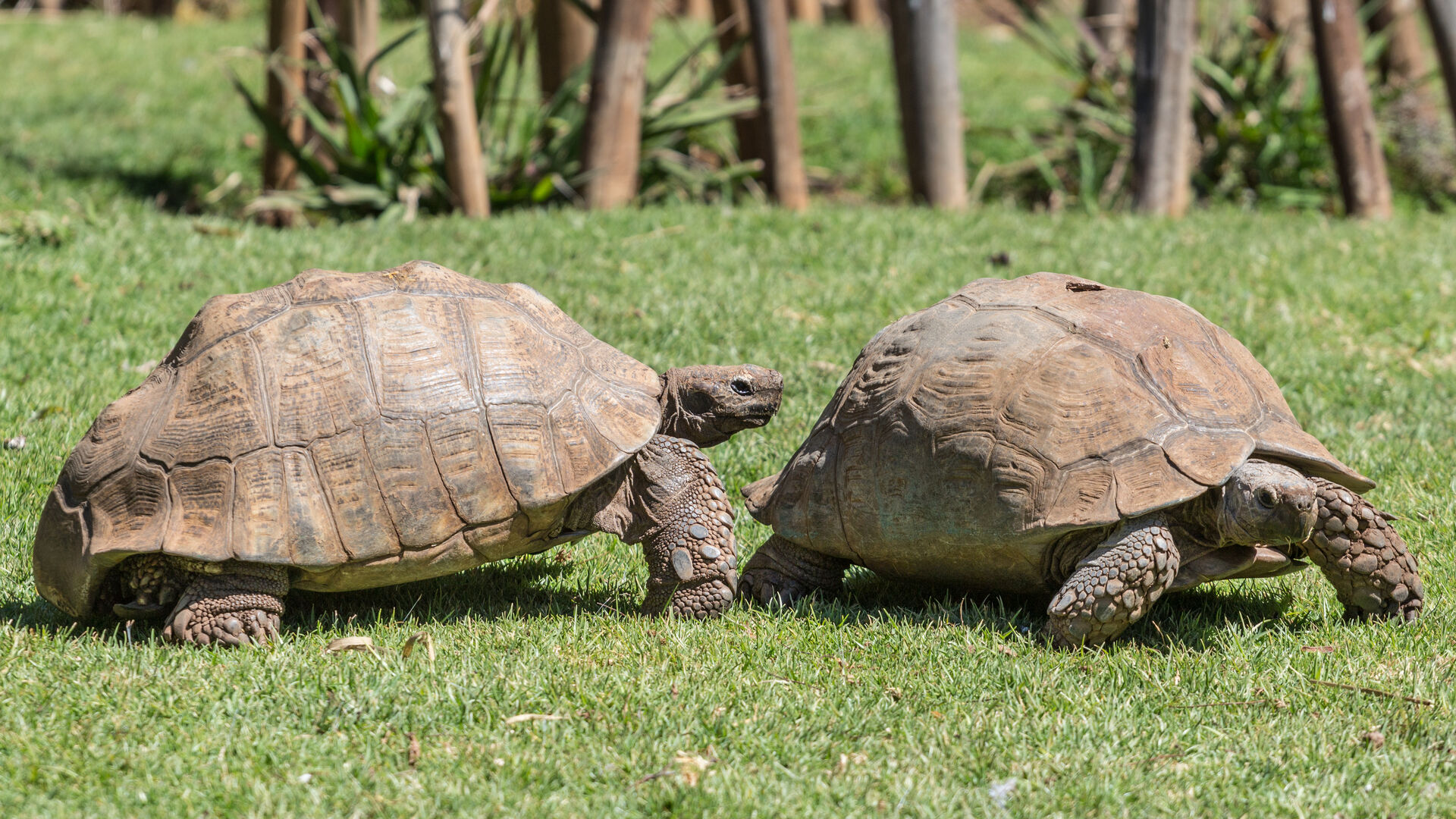
For two organisms to belong to the same species, they must look alike. The colour, size or even shape of the beak or ears must be similar.
This is the case for the following African spurred tortoises:

Male and female tortoises
However, the male and female of the same species often show differences; this is called sexual dimorphism.
This is the case in the following image, which shows a male duck, on the left, and a female duck, on the right.
A male duck and a female duck
In addition, some animals may have genetic characteristics that can change their appearance. Albinism is one example: it is a genetic condition that affects pigmentation.
The following image shows young seals, one of which is albino.
An albino seal
This resemblance criterion is, therefore, not sufficient to determine whether two individuals are members of the same species.
For two organisms to belong to the same species, they must be able to reproduce together and their offspring must be viable (healthy).
Despite their differences, two dogs of different breeds can be bred together and their puppies will be viable, meaning they will live.
Puppies
For two animals to belong to the same species, their offspring must be fertile, that is, they must be able to reproduce in turn.
A mule is the product of reproduction between a jack (a male donkey) and a mare (a female horse). Although both parents can reproduce together and give viable offspring, their offspring are unable to reproduce because they are not fertile. We can, therefore, say that the donkey and the horse do not belong to the same species.
A mule
Scientists refer to species using binomial nomenclature. This nomenclature corresponds to the scientific name of a species. This name is made up of two Latin words and is written in italics.
The first word begins with a capital letter and designates the genus of the species. The genus includes all species that are related.
The tiger (Panthera tigris) and the lion (Panthera leo) belong to the same genus, because the first word of their binomial nomenclature is the same: Panthera.
A tiger
(Panthera tigris)
A lion
(Panthera leo)
The second word is a noun or an adjective, which specifies the genus, and is called an epithet. The epithet is often related to the geographic location of the species or derived from one of its physical characteristics. For example, the white cedar of North America is called Thuja occidentalis because of its geographical position while the red maple is called Acer rubrum because of its red color.
The combination of the two words is used to designate a species. This means that even though the tiger (Panthera tigris) and the lion (Panthera leo) belong to the same genus, they are not part of the same species, because their second word differs (tigris and leo).
The same goes for plant species.
Observe these two trees that look alike.
A red maple
(Acer rubrum)
A sugar maple
(Acer saccharum)
Despite their resemblance, these trees do not belong to the same species because their second word is not the same. However, they belong to the same genus: Acer.