5 tips to help your child avoid the summer slide

Article

The summer slide, a term for learning loss that occurs over summer vacation, is a common phenomenon that teachers observe when kids return to school in the fall. Fortunately, this slight decline in knowledge is preventable. Here are our top five tips on helping your child avoid the summer slide.

Encourage your child to write

Writing is about more than producing beautiful, error-free sentences. It also involves expressing ideas, feelings, and needs. Studies have also shown that kids who write during their summer break have a better chance of maintaining the skills they’ve learned. With that in mind, consider encouraging your child to try various writing activities throughout the summer:

  • Keeping in touch with friends and family through letters or email
  • Writing stories and sharing them with your neighbours
  • Composing songs to sing around the campfire
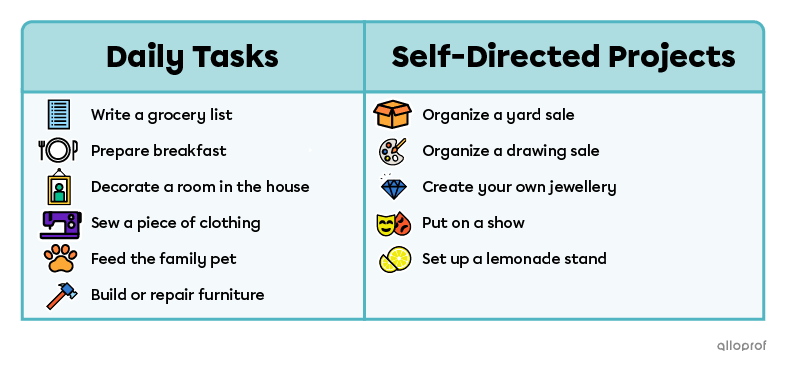
  • Writing out the family grocery list
  • Etc.

Encourage them to read

Reading adventure novels, funny stories, romantic tales, and any other kinds of books is an enjoyable pastime that’ll also help your child hang on to what they’ve learned in school. Diving into a good book can strengthen a number of skills while (hopefully) inspiring a love of reading.
Does your child claim they don’t have the time to read? Try reminding them that they can read in all kinds of places:

  • Under a tree
  • On long car rides
  • In the bath
  • By the pool
  • Etc.

Suggest tackling a project or two

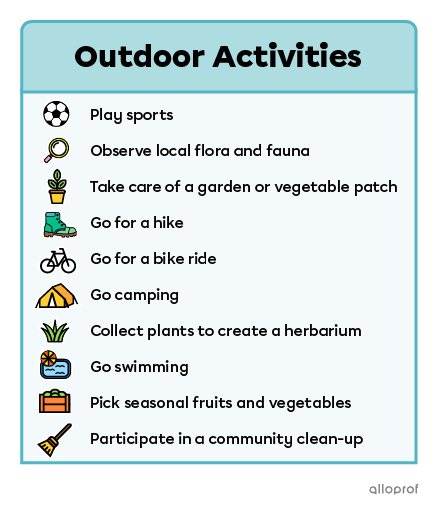
Give your child one or more summer projects, such as setting up a lemonade stand, holding a garage sale, or planning your next bike ride. By encouraging them to contribute to or take charge of a small project, you’ll help them learn to do the following:

  • Find solutions
  • Practise concepts like reading, writing, and mental math
  • Believe in themself
  • Interact with people they don’t know
  • Do online research
  • Etc.

Ask them thought-provoking questions

The brain is a beautiful machine that requires stimulation to thrive. Why not take advantage of family walks, camping trips, or visits to the park to get your child thinking? Asking them questions will help them do the following:

Wondering what kinds of questions to ask? Here are some ideas to get you started:

  • Which is smaller, a hare or a fish?
  • Can you think of how to get past this puddle without getting your feet wet?
  • What could we do with this piece of bark (e.g., write on it, light a fire)?
  • Do you remember the name of this park?
  • How many $2 ice cream cones could you buy with $6?
  • Can you think of a famous historical event that took place on today’s date?
  • Etc.

Point them toward educational games

There’s no doubt that unstructured play is important. It gives kids a chance to develop their independence and imagination, both of which are essential for academic success. However, on rainy days, you can use educational games to keep your child’s young mind sharp. In addition to board games, encourage your child to try some of our fun online games (available in French only):

Tips and tools

Want even more ideas on how to stave off the summer slide? Don’t miss our article Tips and tricks to prevent summer learning loss.

Collaborators

Writing : The Alloprof Parents' team

References