Subjects
Grades
 100%
100%
 100%
100% 100%
100%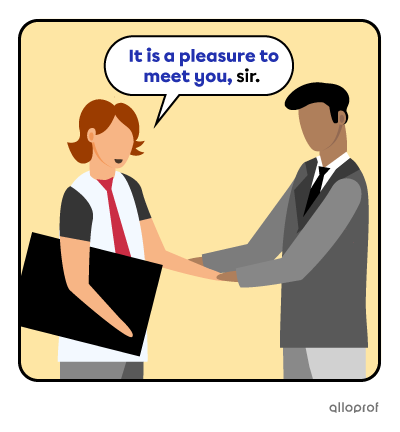 100%
100% 100%
100%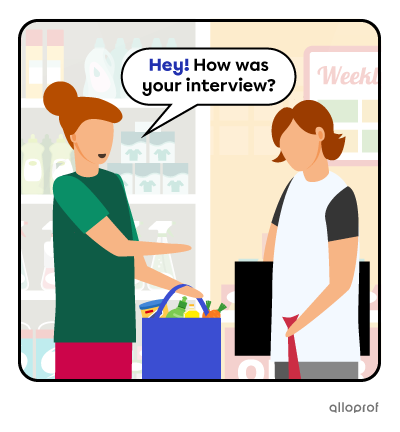 100%
100%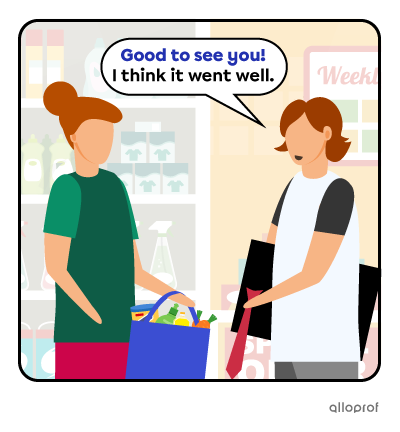 100%
100%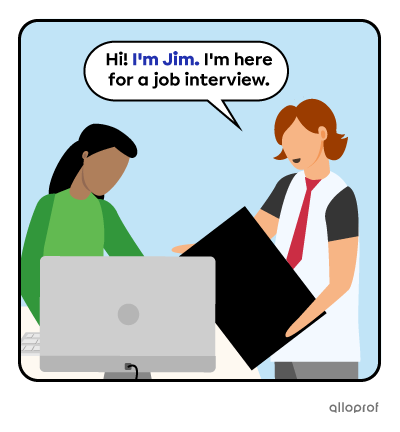 100%
100%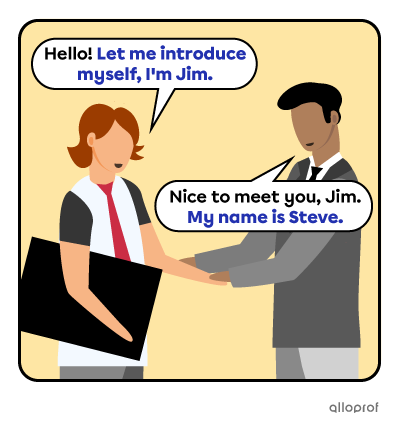 100%
100%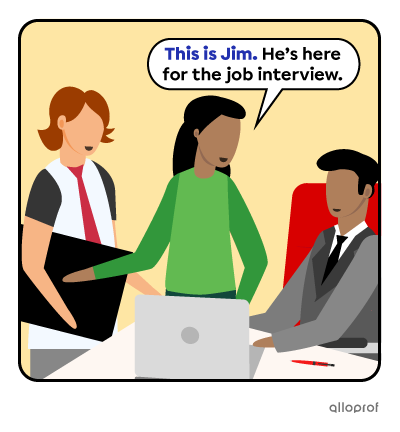 100%
100%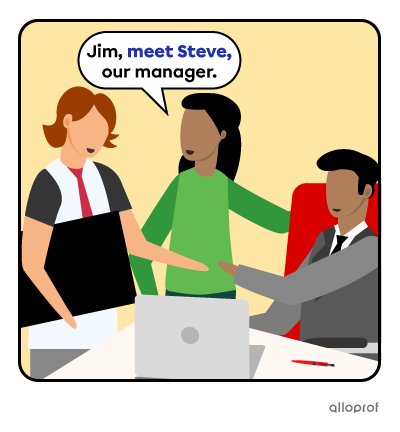 100%
100%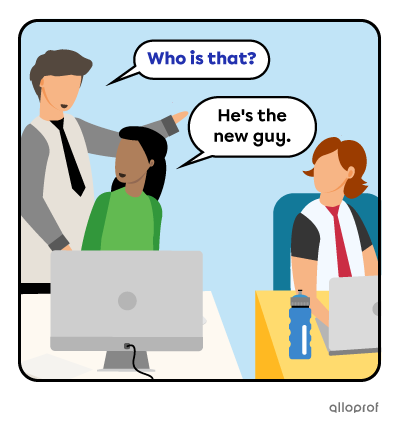 100%
100%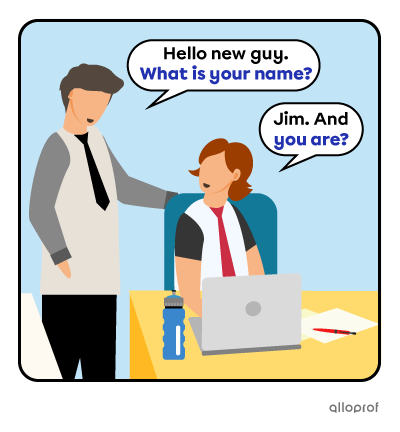 100%
100%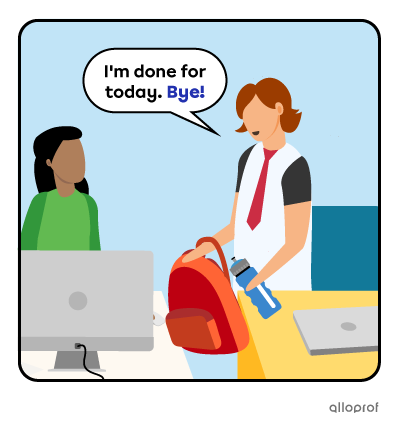 100%
100%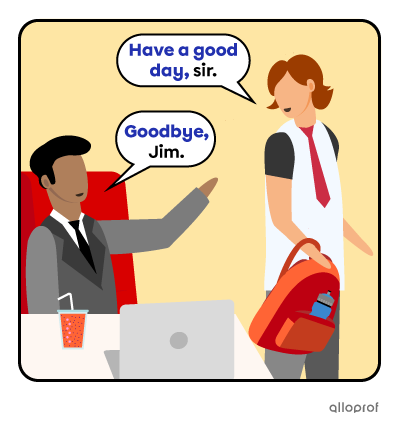 100%
100%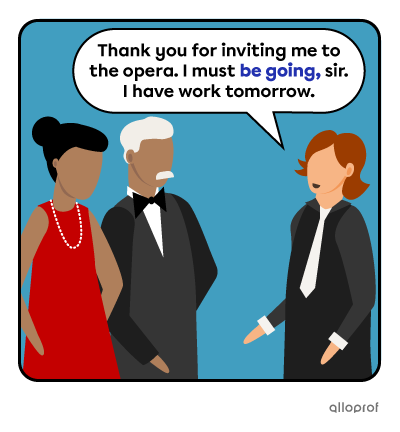 100%
100%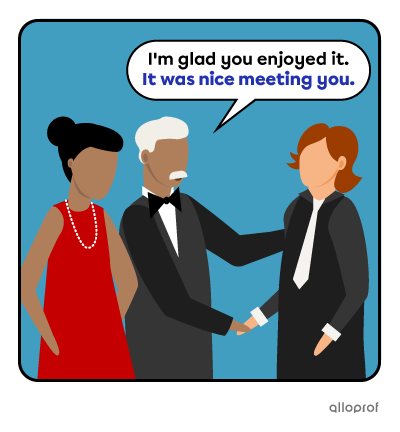 100%
100%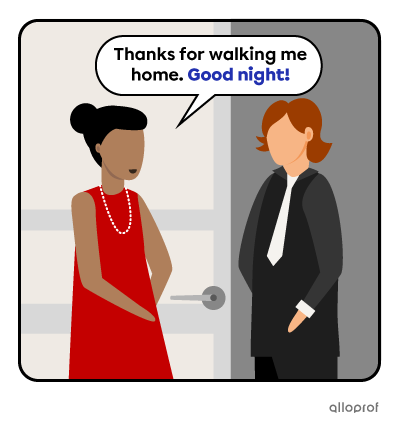 100%
100%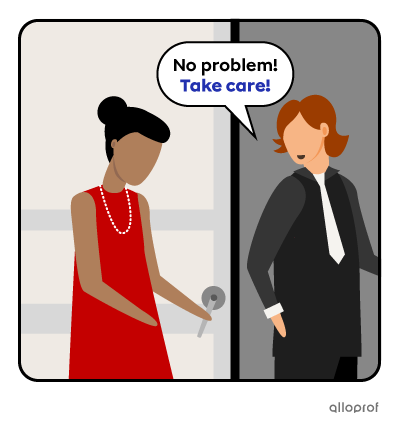 100%
100%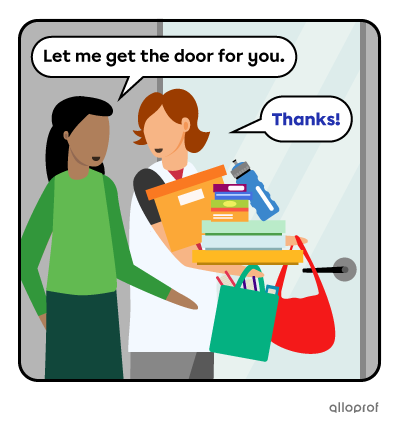 100%
100%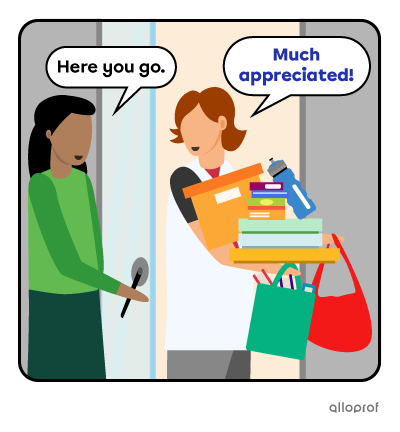 100%
100%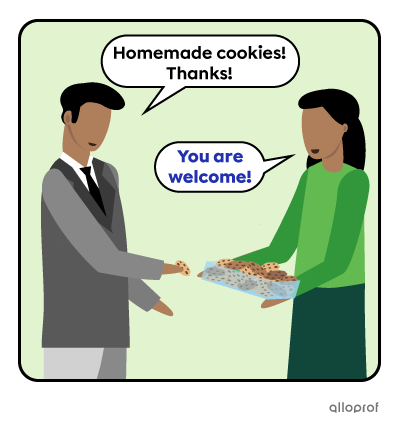 100%
100%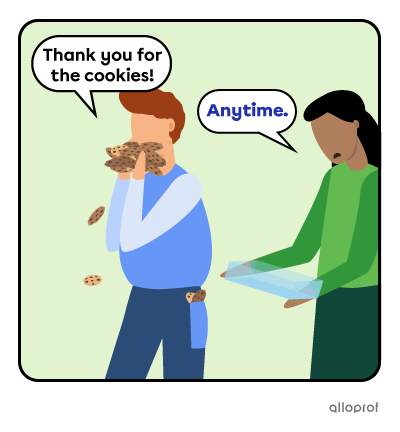 100%
100%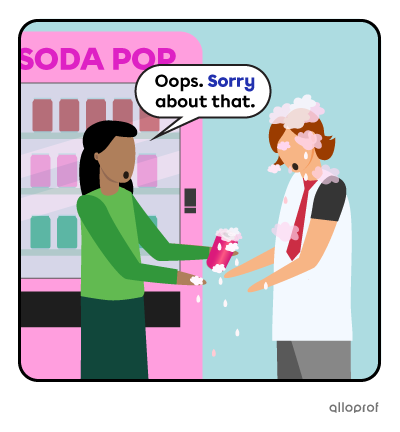 100%
100%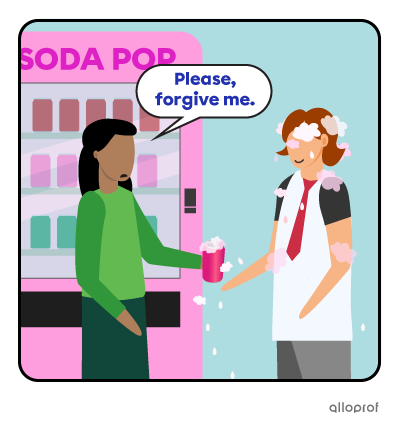 100%
100%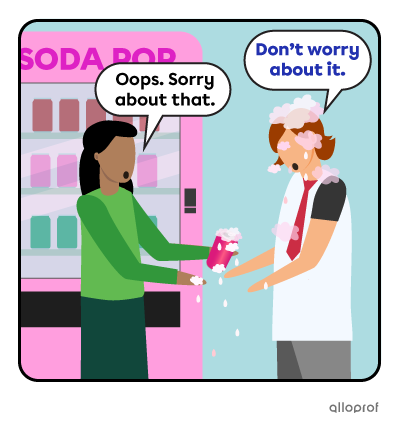 100%
100%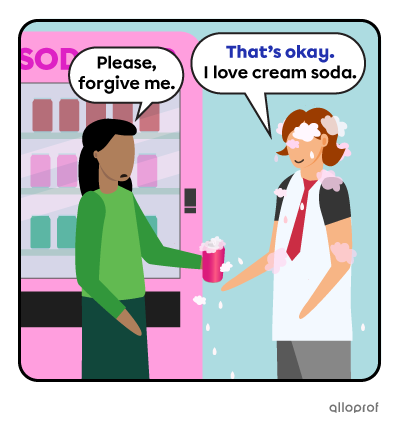 100%
100%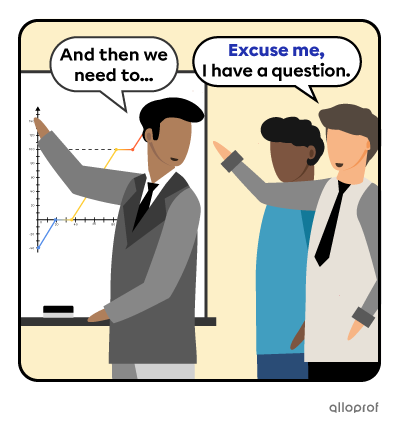 100%
100%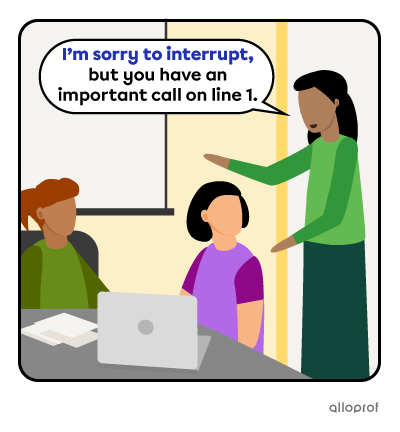 100%
100%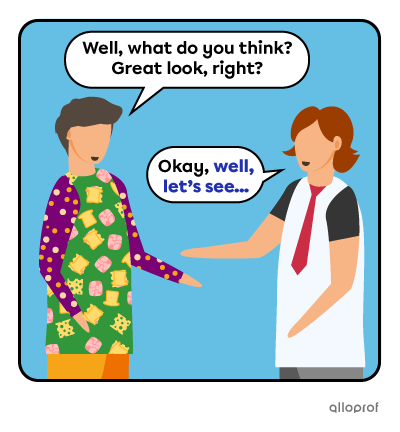 100%
100%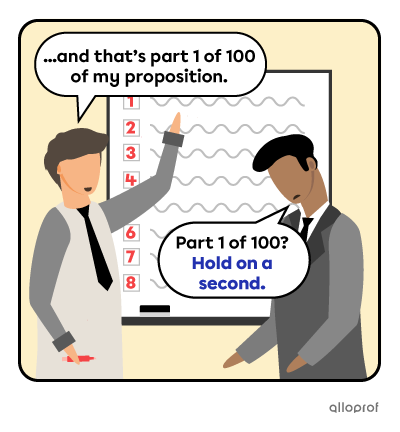 100%
100%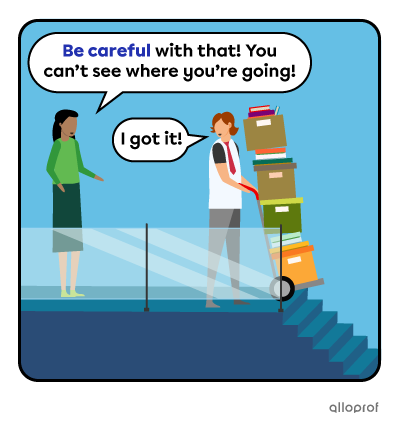 100%
100%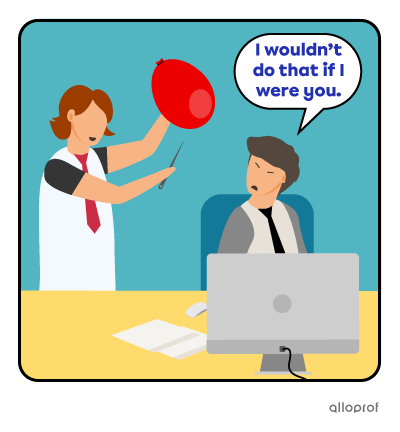 100%
100%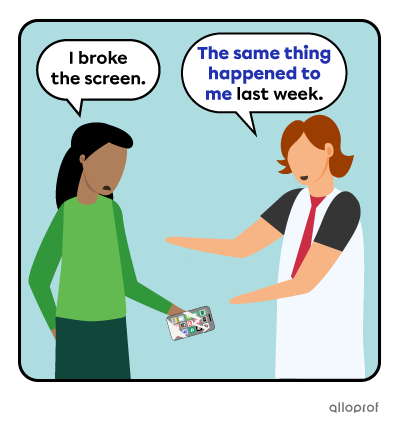 100%
100%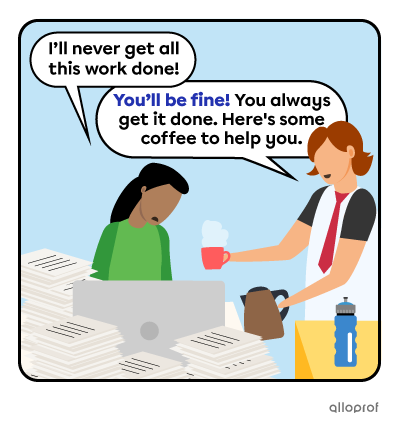 100%
100%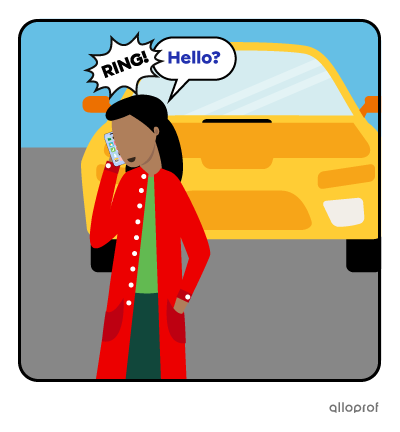 100%
100%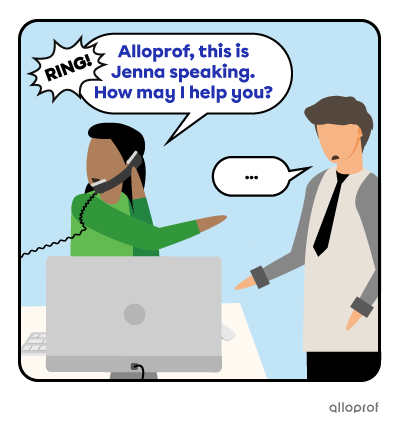 100%
100%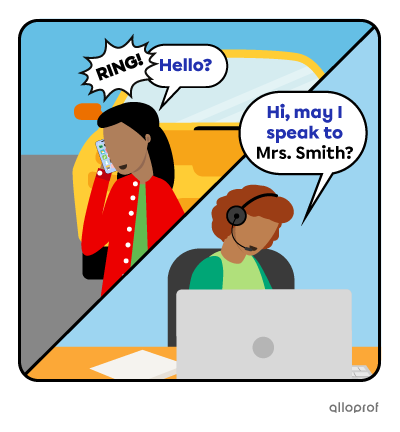 100%
100%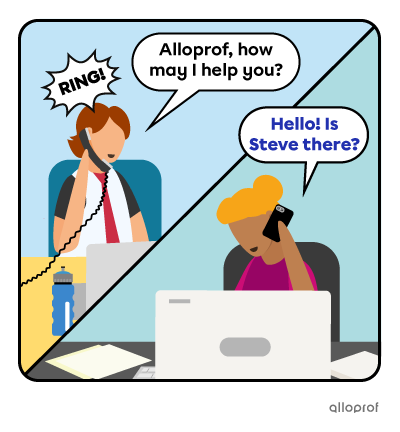 100%
100%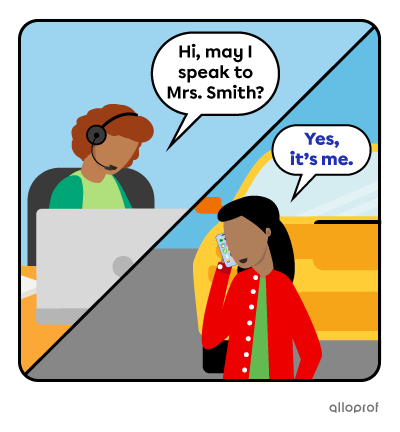 100%
100%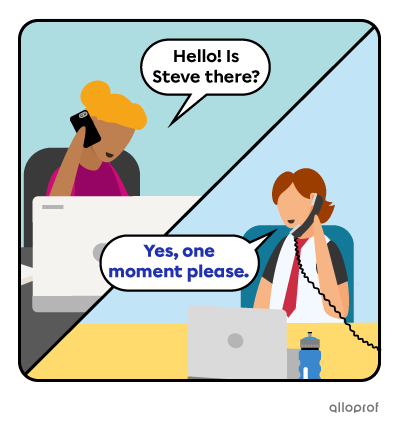 100%
100%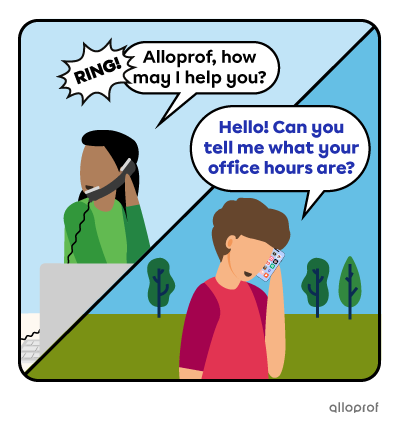 100%
100%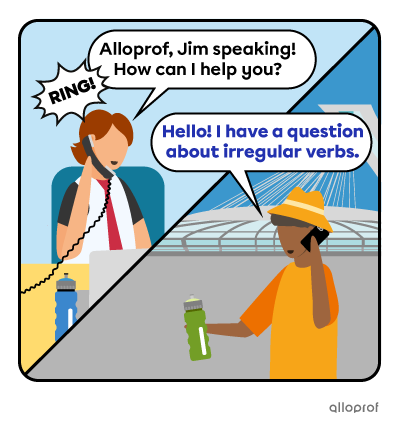 100%
100%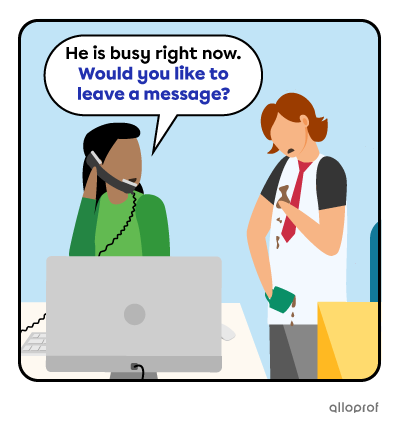 100%
100%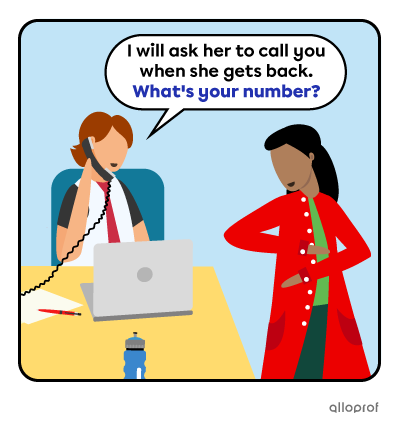 100%
100%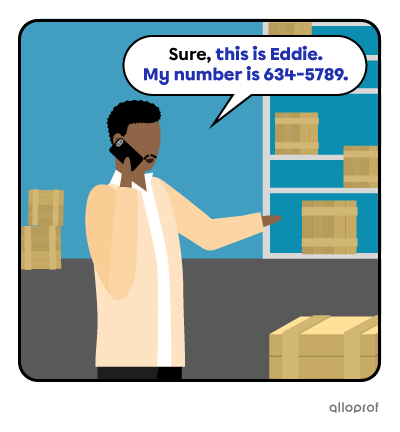 100%
100%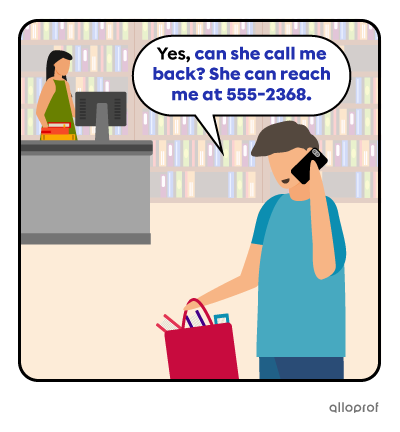
A conversation is 2 or more people talking together.
The context and the people involved in a conversation affect the language used. Generally speaking, conversations can be formal or informal.
Formal conversations are official and impersonal.
|
Formal Conversation Contexts |
|
Job interview |
|
Giving a speech |
|
First time meeting someone |
|
Official ceremonies |

Informal conversations are casual with people we know.
|
Informal Conversation Contexts |
|
Chat with friends/family |
|
Dinner parties |
|
Game night |
|
Talking with coworkers you know well |
Click the conversation type for more information.
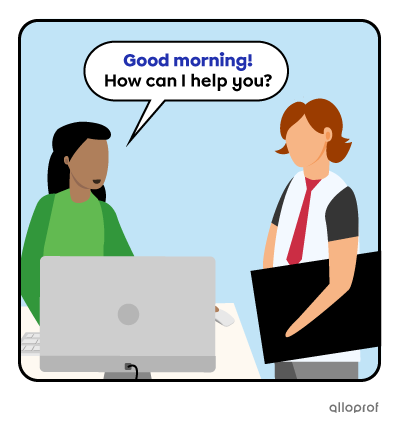
Greetings are used to begin a conversation.
Used both in formal and informal conversations.
Hello
Hi
Good morning
Good afternoon
Good evening
How are you?
Formal greetings are impersonal and keep a certain distance between the speakers.
It is a pleasure to meet you
How do you do?
Nice to meet you
Pleased to meet you
Informal greetings are casual and used with people we know very well.
Hey!
Yo!
What’s up?
Good to see you!
Long time no see!
What’s new?
Identifications are used to introduce and ask about another person or yourself. Identifications are often used with greetings.
My name is . . .
I’m . . .
Let me introduce myself, I’m . . .
I don’t think we’ve met. I’m . . .
This is . . .
Meet . . .
This is my friend . . .
Let me introduce you to . . .
I’d like you to meet . . .
Have you met . . .
What is your name?
Who is . . .?
And you are . . .?
Which group are you in?
Who’s your partner for the project?
Goodbyes are used at the end of conversations, to close it.
Goodbye
Bye
See you later
Have a good day
See you tomorrow
Formal goodbyes are used when ending a conversation with people you don’t know very well and in official settings.
Enjoy your evening
I must be going
I have got to go
It was nice meeting you
It was nice talking to you
It was a pleasure
it was a pleasure meeting you
The pleasure was mine
Informal goodbyes are used to end casual conversations with people you know very well.
Bye bye
Take care
Good night
Okay, thanks
Until next time
See you
Talk to you later
Have a good one
Gotta go
Take it easy
Catch you later
Goodbyes are often used in combination by using 2 expressions together. The most common combinations are done by adding a phrase to the words Goodbye or Bye. It can be added before or after.
|
Adding before: |
Adding after: |
|
See you later, goodbye! It was nice meeting you, goodbye! |
Goodbye, see you later! Goodbye, it was nice meeting you. |
|
See you tomorrow, bye! Have a good day, bye! |
Bye, see you tomorrow! Bye, have a good day! |
Thanks are used to express gratitude, appreciation and recognition. Thanks can be given or accepted.
Thank you
Thank you very much
Thank you so much
Thanks
Thanks a lot
Thanks for everything
I owe you
I owe you one
I’m so grateful
Much appreciated
You’re a lifesaver
You’re the best
You are welcome
You are most welcome
You’re welcome
Welcome
It’s my pleasure
My pleasure
The pleasure’s mine
That’s okay
Anytime
Glad to help
Not at all
Just doing my job
Don’t mention it
Apologies are used to express regret, to say you are sorry and to ask for forgiveness.
I’m sorry
Sorry
I apologize
My apologies
Please, accept my apologies
Please, forgive me
Forgive me
Excuse me
Pardon me
I didn’t mean to . . .
That's okay
It’s okay
That's alright
It’s alright
Don't worry about it
Don't mention it
Don't apologize
Forget about it
It doesn't matter
No harm done
No need to apologize
Never mind
You couldn't help it
I quite understand
Interruptions are used when you need to say something and someone is busy or already talking.
Excuse me
I’m sorry to interrupt
Pardon me
Pardon me for interrupting
Can I interrupt?
I’m sorry about this, but . . .
Before you continue . . .
Fillers are used to get more time to think or react to what was said.
I mean . . .
I think . . .
All right . . .
Well . . .
Let’s see . . .
I’ll think about it . . .
I’m thinking about it . . .
Let me think about it
Hold on a second
Can I have a minute?
Warnings are used to warn people of a situation or an upcoming situation.
Be careful!
Watch out!
Look out!
You’d better . . .
I wouldn’t do that if I were you
Reassurances are used to comfort, reduce worry and generally support people.
You’ll be fine
It will be alright
The same thing happened to me
It’s not important
It’s okay
No problem
Don’t worry about it
That’s all right
It doesn’t matter
Phone conversation phrases are used to call, answer, reply and take messages.
Answering a Personal Call
Hello?
Good morning!
Good afternoon!
Answering the Phone at Work
Hello, this is . .
Jenna speaking.
Alloprof, how may I help you?
Alloprof, Jenna speaking. How may I help you?
Thank you for calling Alloprof. How can I help you?
Hello, may I speak to Steve?
Hello, I would like to speak to Steve, please.
Hi, can I talk to Steve?
Hi, is Steve there?
Hi! Steve, please.
Replying to a personal call:
Yes, it’s me.
Speaking.
Sorry, you have the wrong number.
Replying to a call at work:
One moment please.
One minute please.
Yes, it’s me.
Please hold.
I’ll place you on hold.
I’ll transfer you.
I will connect you right away.
Hello, I’m calling about . . .
Hello, I’d like some information about…
Hello, could you tell me . . .?
Hello, I was wondering if you could . . .
Hi! Can you help with . . .?
Hi! Can you tell me . . .?
Hello! I have a question about…
May I take a message?
Would you like to leave a message?
He’s not available. Do you have a message?
Sorry, she’s not here. Can I give her a message?
May I ask who’s calling?
What is your number?
This is Ray. Can he call me back at 555-2368?
Yes, can he call me back?
Ask him to call me back.
My name is . . .
This is . . .
My number is . . .
You can reach me at . . .