Subjects
Grades
 100%
100%
 100%
100%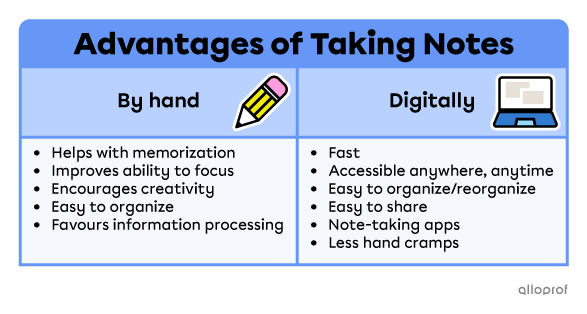 100%
100%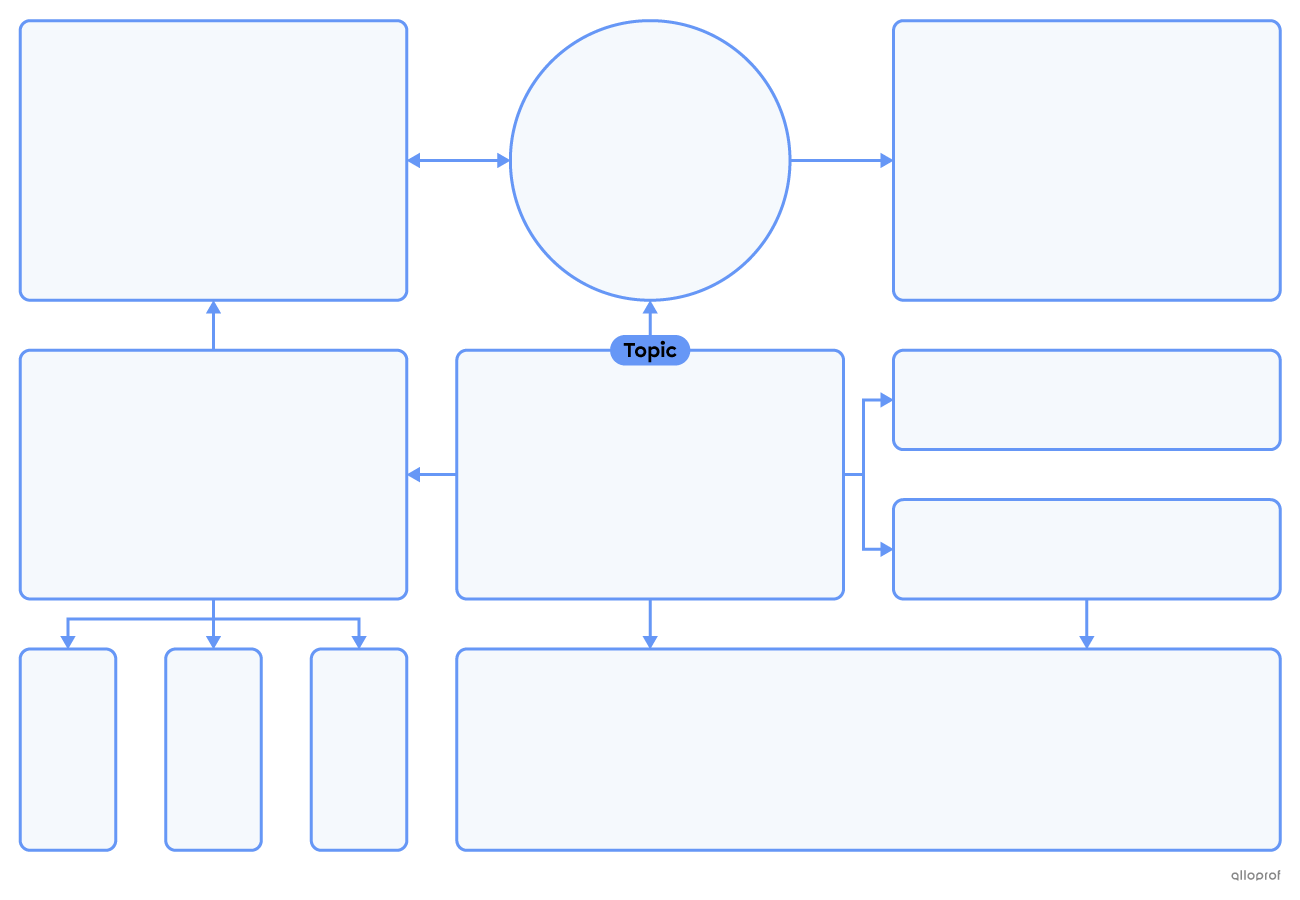 100%
100%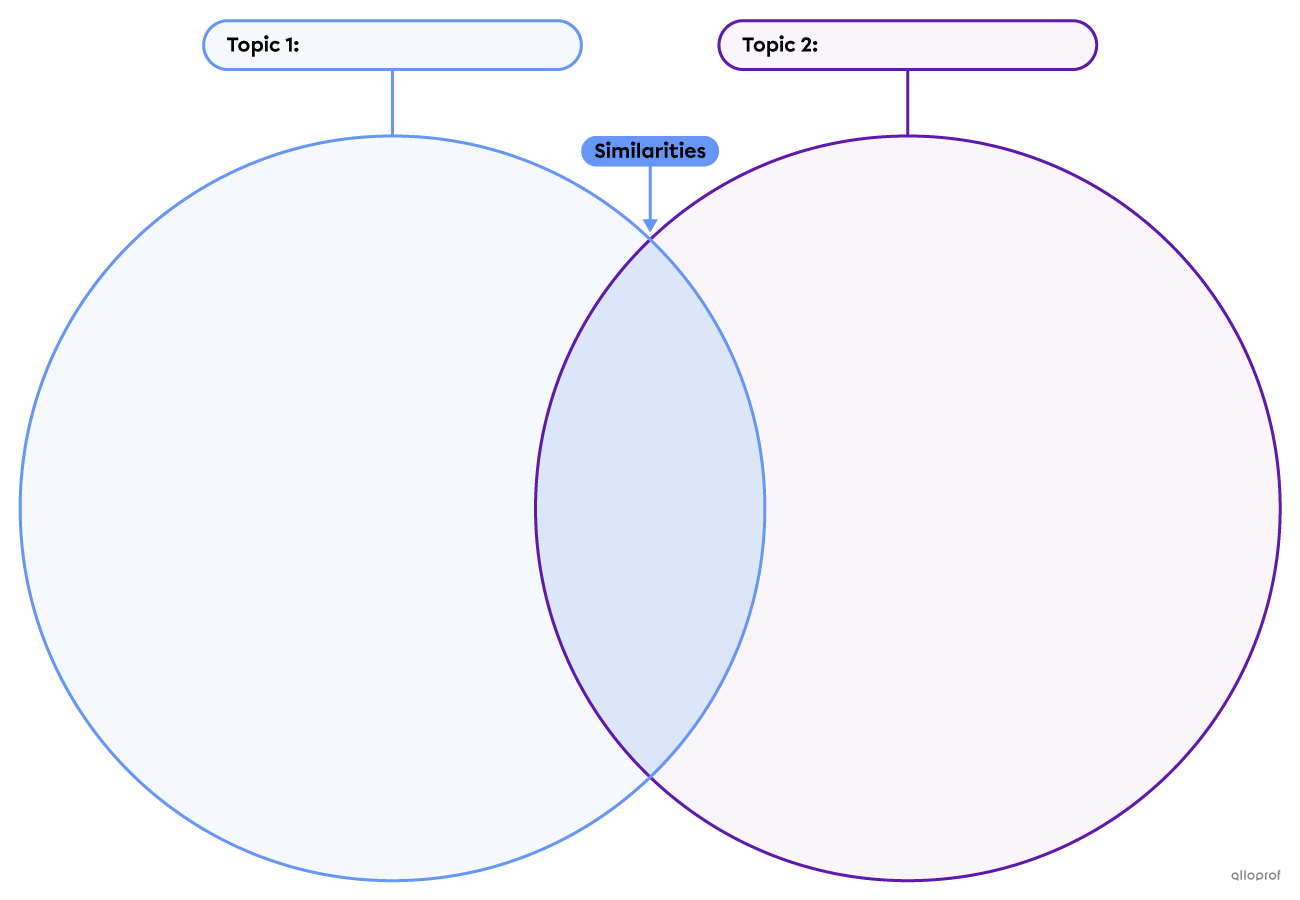 100%
100%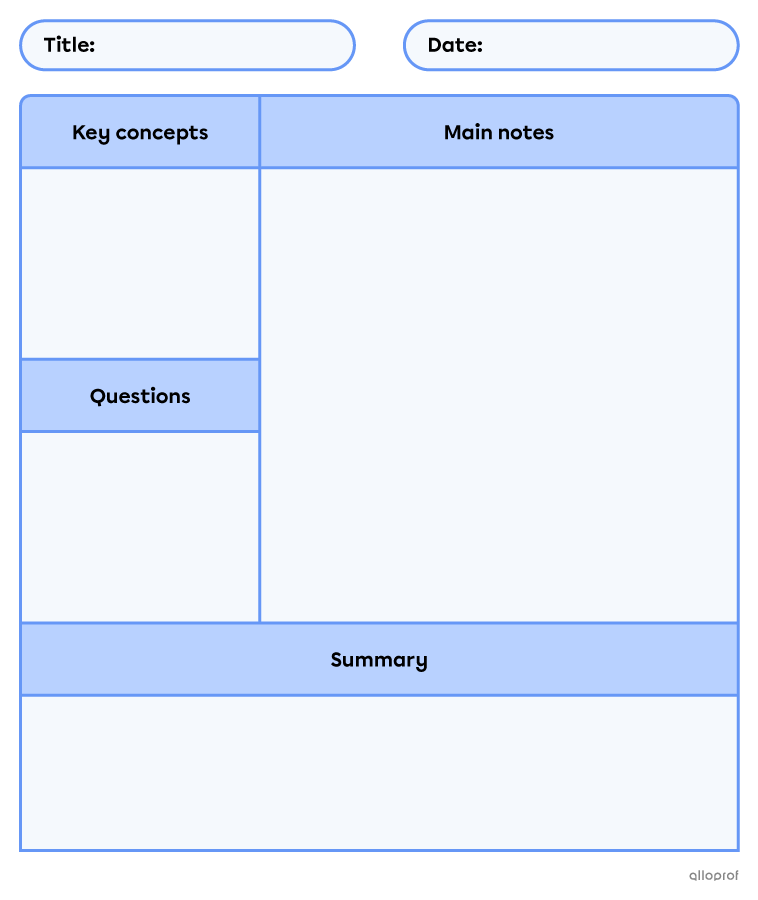 100%
100%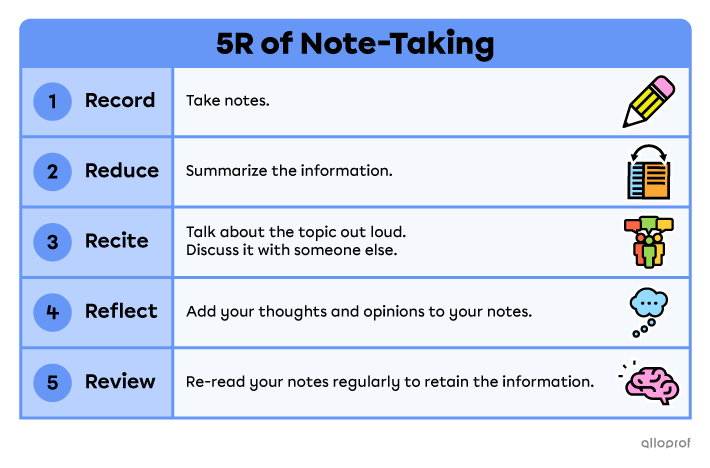 100%
100%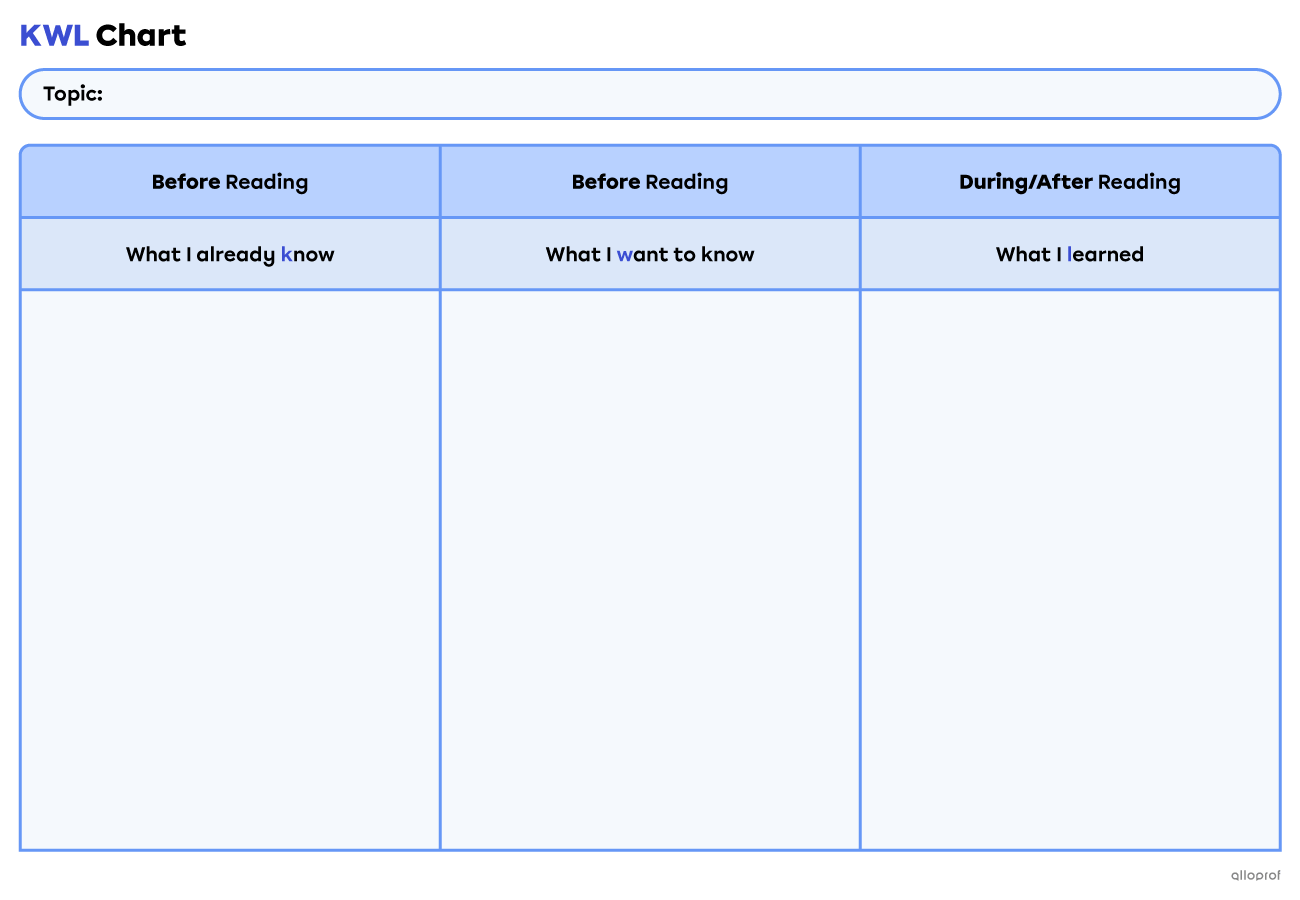 100%
100%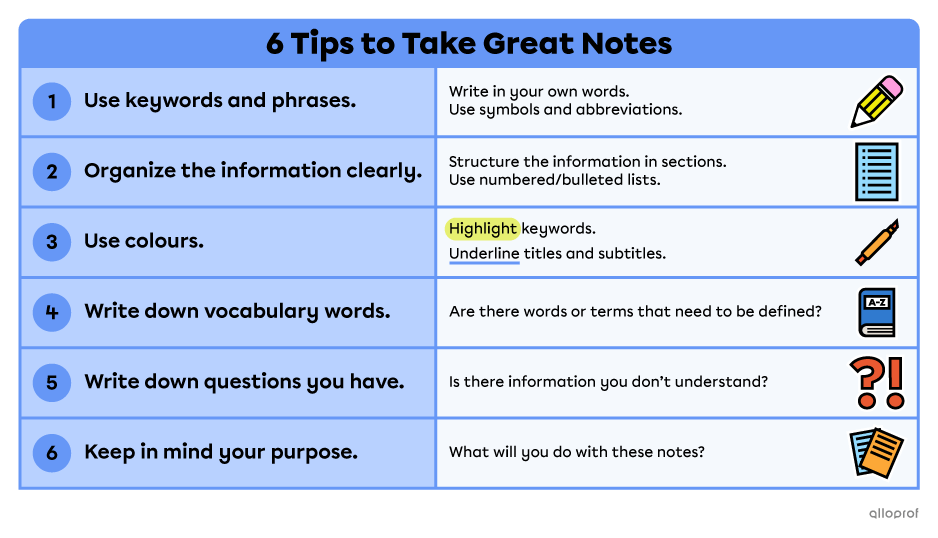 100%
100%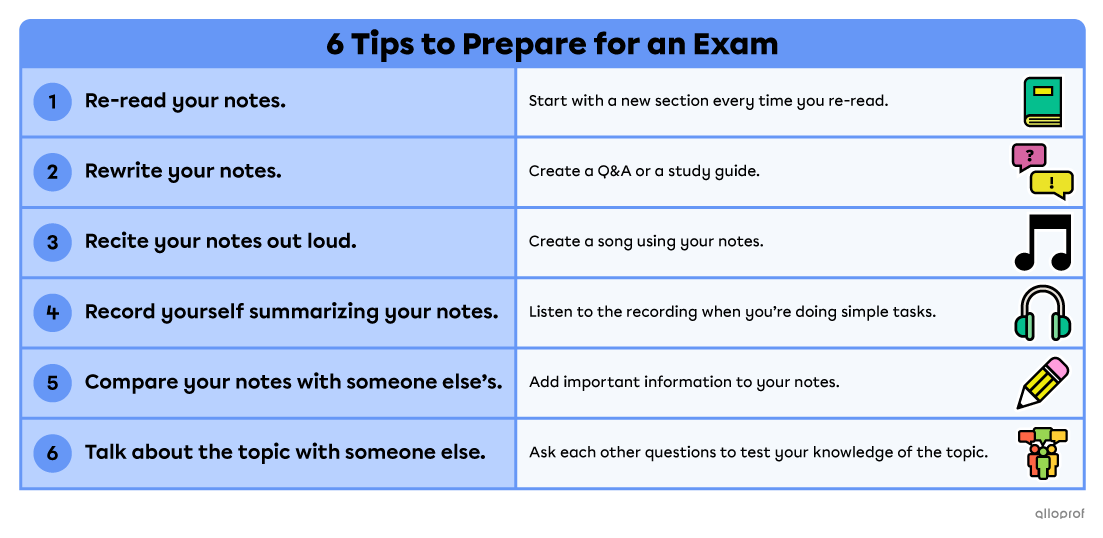 100%
100%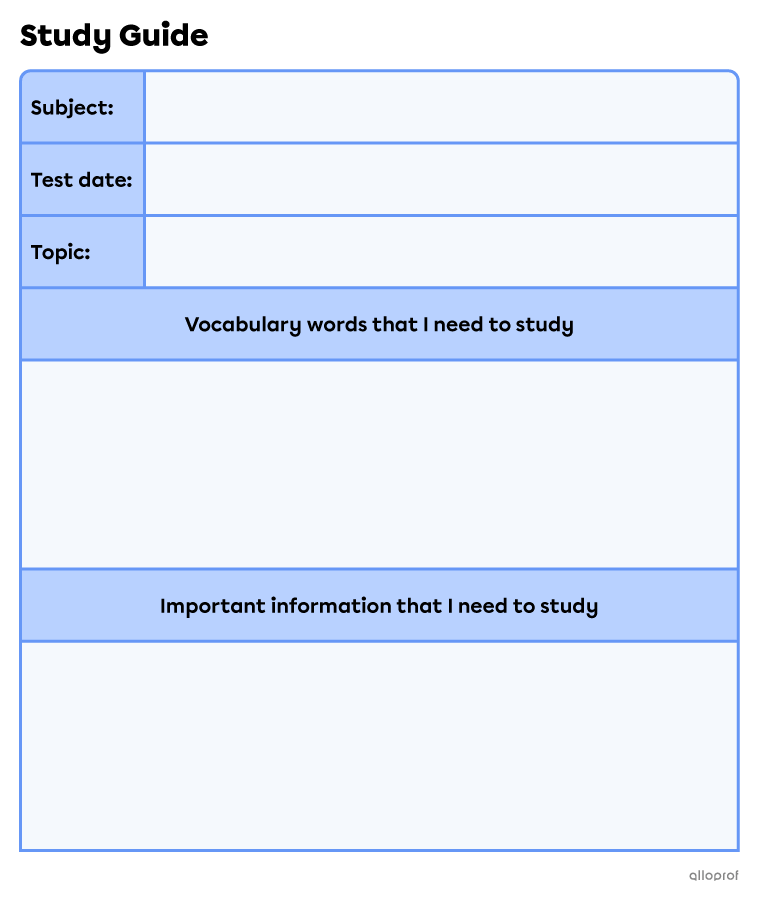
We take notes when we want to use, remember or study information taken from another source for:
|
Personal Purposes |
Educational Purposes |
Professional Purposes |
|
For entertainment |
For an assignment |
For a job interview |
|
To preserve a memory |
For an exam preparation |
For training |
|
To learn new skills |
For a presentation |
During meetings |
|
To plan something |
For a debate |
For a presentation |
Notes often contain important/useful information such as:
|
comparisons |
dates |
definitions |
descriptions |
|
examples |
facts |
key points |
names |
|
questions |
quotations |
references |
summaries |
|
statistics |
thoughts |
unfamiliar terms |
vocabulary |
We take notes when we want to use, remember or study information taken from another source for:
|
Personal Purposes |
Educational Purposes |
Professional Purposes |
|
For entertainment |
For an assignment |
For a job interview |
|
To preserve a memory |
For an exam preparation |
For training |
|
To learn new skills |
For a presentation |
During meetings |
|
To plan something |
For a debate |
For a presentation |

Notes often contain important/useful information such as:
|
comparisons |
dates |
definitions |
descriptions |
|
examples |
facts |
key points |
names |
|
questions |
quotations |
references |
summaries |
|
statistics |
thoughts |
unfamiliar terms |
vocabulary |
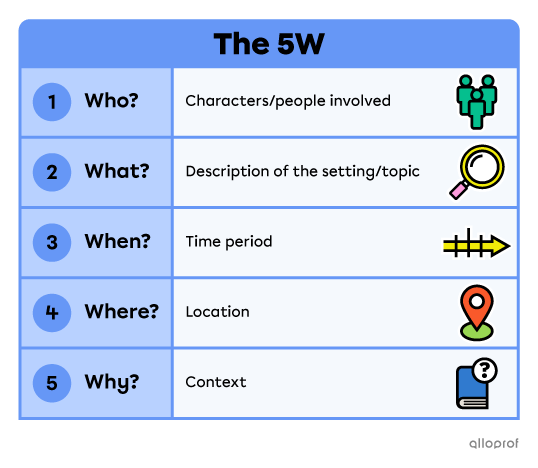
Notes often contain information answering the main 5W information questions: who, what, where, when, why.
Note-taking can be done before/while/after:
reading a text (fiction or nonfiction)
viewing a video or live show (movies, plays, documentaries, etc.)
listening to information in audio format (podcasts, interviews, radio shows, etc.)
You can take your time while reading. Here are a few note-taking tips:
|
Tips—Taking Reading Notes |
|
Use keywords & short phrases. |
|
Write-down definitions of unknown words. |
|
Note down repeated words. |
|
Note down titles and subtitles. Use them to structure your notes. |
|
Look for summaries at the end of chapters/sections* because they probably contain key elements worth noting down. |
*Mostly found in nonfiction.
When taking notes before/while/after reading fiction or nonfiction, using reading guides is an effective strategy.
Viewings go fast. Here are a few note-taking tips:
|
Tips—Taking Viewing Notes |
|
Use keywords, abbreviations and symbols. |
|
Look for visual cues such as graphs, tables, charts, arrows, etc. Note down important information. |
|
Leave space in between sections to add notes after the viewing. |
|
Note down titles and subtitles. Use them to structure your notes. |
|
Pay attention to non-verbal cues such as pointing and hand gestures because they might indicate important information. |
Listening does not provides any visual clues. Here are a few note-taking tips:
|
Tips—Taking Listening Notes |
|
Use keywords, abbreviations and symbols. |
|
Rephrase what you hear. |
|
Leave space in between sections to add notes after listening. |
|
Note down repeated words. |
|
Note down important information coming after signal words/phrases like: For example, or there are 3 reasons why, etc. |
|
Listen for cues like vocal emphasis on certain words as they might indicate important/useful information that you could note down. |
Note-taking can be done:
by hand
digitally
Both methods have advantages.
Notes can be taken on a blank sheet of paper, in the margins of a text, on a note-taking app; there are many possibilities and the choice is yours.
There are many tools to facilitate and organize note-taking.
Below are a few examples.
Concept maps are visual representations of information.
Concept maps often contain:
A main topic
Key concepts/ideas
Information connected to the key concepts/ideas
Here is an example of a concept map template:
Venn diagrams are illustrations of two overlapping circles.
They are used to visually represent the differences and similarities of two or more concepts.
Here is an example of a Venn diagram:
The Cornell note-taking system was developed to take effective notes during class.
Cornell notes are divided into 4 sections:
At the top of the page, identify the title or topic and the date.
In the middle, on the right side, leave a blank space to take notes during class.
At the bottom, leave space to summarize your notes after class.
In the middle, on the left side, after class, write down questions that you have and identify the key concepts.
Here is an example of a note-taking template using the Cornell method:
These are the 5 main steps to go through when taking notes:
KWL charts are used before/during and after reading to note down information we know, want to know and learned about a topic.
Effective note-taking can look different from one person to another.
Notes are made to be reviewed and studied, so they need to be clearly organized and information needs to be easy to find.
Here are a few tips to help you take effective notes:
Below is a list of suggested note-taking symbols, but you can always come up with your own. The important thing is that you remember what they mean when you review your notes.
|
Symbol |
Meaning |
|
@ |
at |
|
& |
and |
|
+ |
and |
|
- |
minus |
|
= |
equals |
|
≠ |
does not equal |
|
≈ |
is similar to |
|
< |
is less than |
|
> |
is greater than |
|
# |
number |
|
→ |
leads to |
|
↑ |
increase |
|
↓ |
decrease |
|
x |
no |
|
✓ |
yes |
|
? |
uncertain |
|
* |
important |
|
¶ |
paragraph |
|
∅ |
none |
Below is a list of suggested abbreviations that can be useful when taking notes,but you can always come up with your own. The important thing is that you remember what they mean when you review your notes.
|
Abbreviation |
Meaning |
|
approx. |
approximately |
|
b/4 |
before |
|
cp. |
compared to |
|
dept. |
department |
|
def. |
definition |
|
diff. |
different |
|
ed |
education |
|
ea. |
each |
|
etc. |
and so on |
|
ex |
for example |
|
expl. |
explanation |
|
excl. |
excluding |
|
fr. |
from |
|
k |
a thousand (30k = 30 000) |
|
No. |
number |
|
NB |
important |
|
p. |
page |
|
ppl |
people |
|
ref. |
reference |
|
sim. |
similar |
|
vs. |
versus |
|
w/ |
with |
|
w/o |
without |
Here are a few tips to help you prepare with your notes before an exam:
Study guides can be helpful when preparing for an exam.
Below is an example.