Subjects
Grades
To access the other concept sheets in the Tourism unit, consult the See Also section.
The characteristics of a tourist region vary from region to region, depending on the area's attractions and the type of tourism practised.
There are many reasons to travel, and therefore many different types of tourism. The following are some of the main types.

Moments in the video :
Beach tourism, also known as seaside tourism, is generally practised on the shores of a sea or ocean. It offers activities such as scuba diving, surfing and sailing. People choose this form of tourism to enjoy a warm climate, sun and relaxation.
This form of tourism is widespread throughout the world. Several countries are renowned for their beaches, and therefore attract many tourists. Countries around the Mediterranean Sea, the Caribbean or Southeast Asia are some examples.
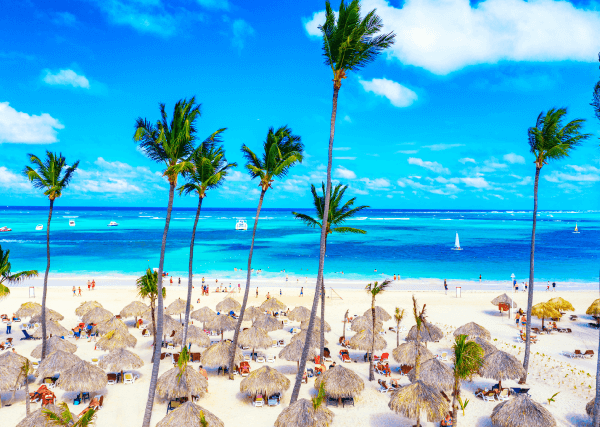
A Beach in the Caribbean
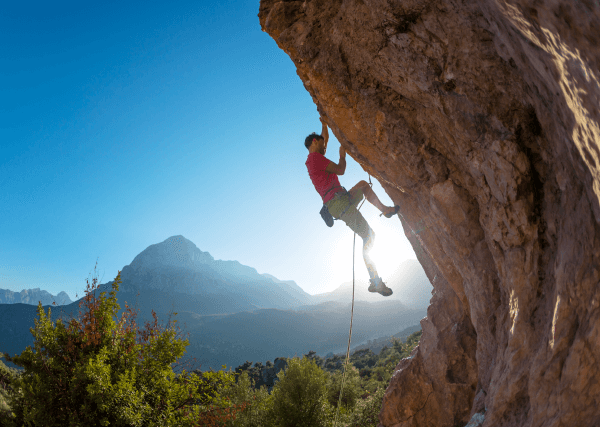
Adventure tourism is based on thrill-seeking activities and seeks to create unique experiences. Examples of these are rock climbing, rafting and skydiving.
Cultural tourism encompasses activities based on the cultural attractions of a place, such as the traces of an ancient civilization, monuments, museums, festivals, concerts or other cultural events.
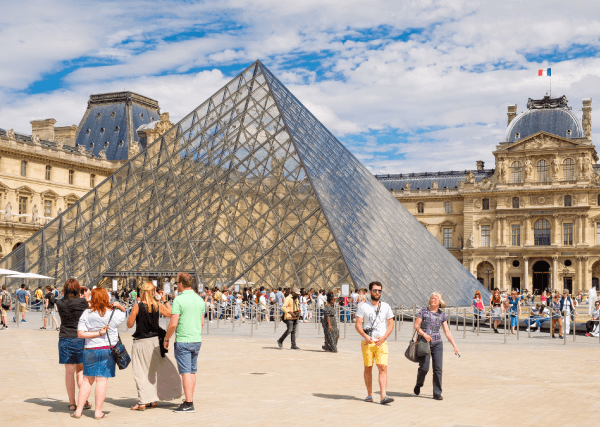
The Musée du Louvre
Located in Paris, it is the most visited museum in the world.
Entertainment tourism, also known as recreational tourism, aims to provide entertainment. It usually takes place in locations created for this purpose, such as amusement parks, water parks or casinos.

Attractions at La Ronde in Montreal
This theme park attracts many visitors every year.
Sports tourism can take 2 forms. The first involves activities related to the practice of a sport, such as skiing or mountain biking. The other is related to sporting events such as the Olympic Games.
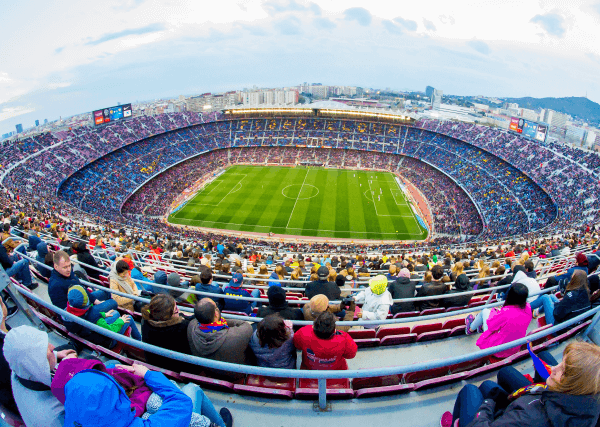
Camp Nou stadium
This stadium, located in Barcelona, is one of the largest soccer stadiums in Europe.
Nature tourism, also known as outdoor tourism, refers to activities related to the discovery of nature, such as wilderness camping. National parks and other protected areas are places where nature tourism is practised.
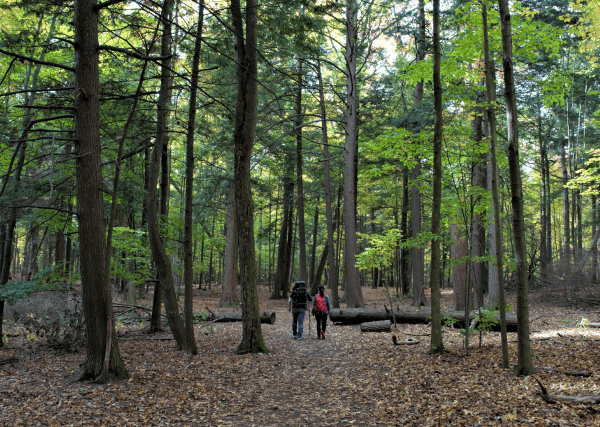
Hiking is one of the most popular activities of nature tourism.
Planning and development is the modification or transformation of a territory with the goal of making it accessible, functional and usable.
No matter what form of tourism is practised within a tourist region, extensive infrastructures are needed to prepare the area for the thousands, and sometimes millions, of tourists who visit every year.
There are 2 main types of development: those that meet the needs of tourists, and those that enhance tourist attractions.
All tourist areas must provide amenities to meet the basic needs of tourists.
|
Getting around |
In order to facilitate tourist travel, various transportation infrastructure must be available:
|
|
Food |
To meet the nutritional needs of tourists, restaurants and grocery stores must be built in various locations throughout the tourist region. |
|
Accommodation |
Tourists need a place to stay that is not too far from the sites they are visiting. That's why a tourist area needs accommodation options, such as hotels, inns, campsites, etc. |
In order to highlight the attractions found in the tourist region, site organization is required. These allow tourists to enjoy tourist attractions.
Tourist facilities (tourist circuit, observatory, information centre, etc.)
Tourist services (guided tours, information guides, equipment rental, etc.)
Souvenir stores
Facilities at historic sites (ticket-sales, toilets, checkrooms, etc.)
Some tourist areas organize special events and festivals (gastronomic events, sports, etc.). Infrastructure is also required to welcome visitors, such as entrances, bleachers, kiosks, etc.
Certain amenities may also be set up in order to protect the attraction in question, as is the case with marked trails in a national park or fences in a historical site.
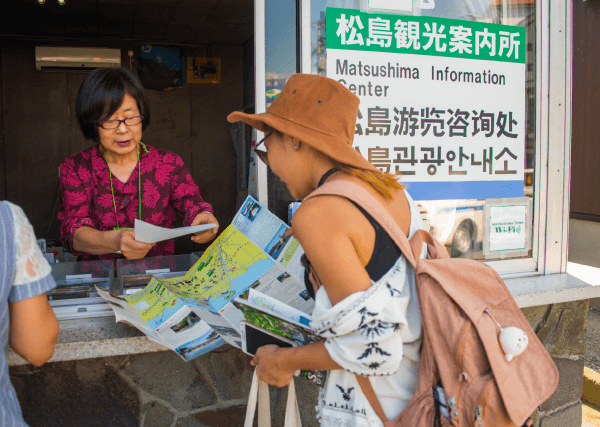
A tourist information centre in Matsushima, Japan
Information centres help direct tourists to attractions and provide information on activities.
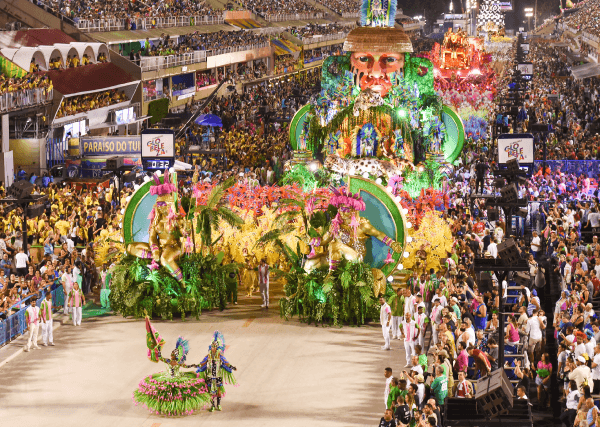
The Rio Carnival in Rio De Janeiro in Brazil
Every year, this event attracts thousands of tourists from all over the world. A number of infrastructures must be built to accommodate visitors, such as bleachers, barriers, etc.