Subjects
Grades
To access the other sheets in the Tourism unit, consult the See Also section.
 100%
100%
 100%
100%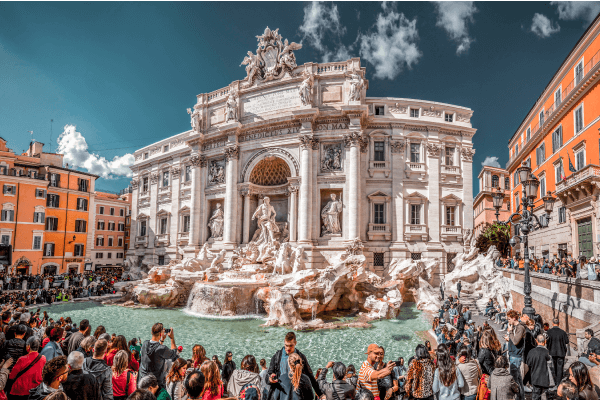 100%
100%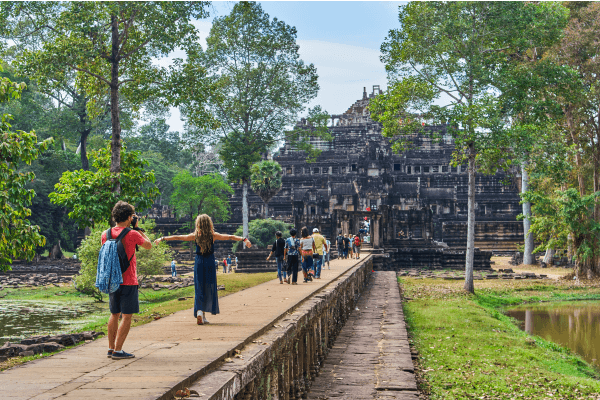 100%
100%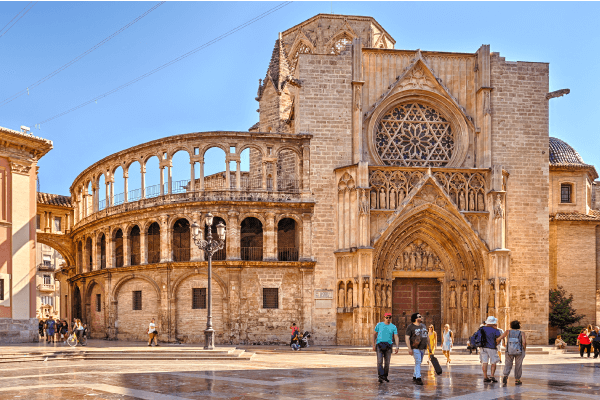 100%
100%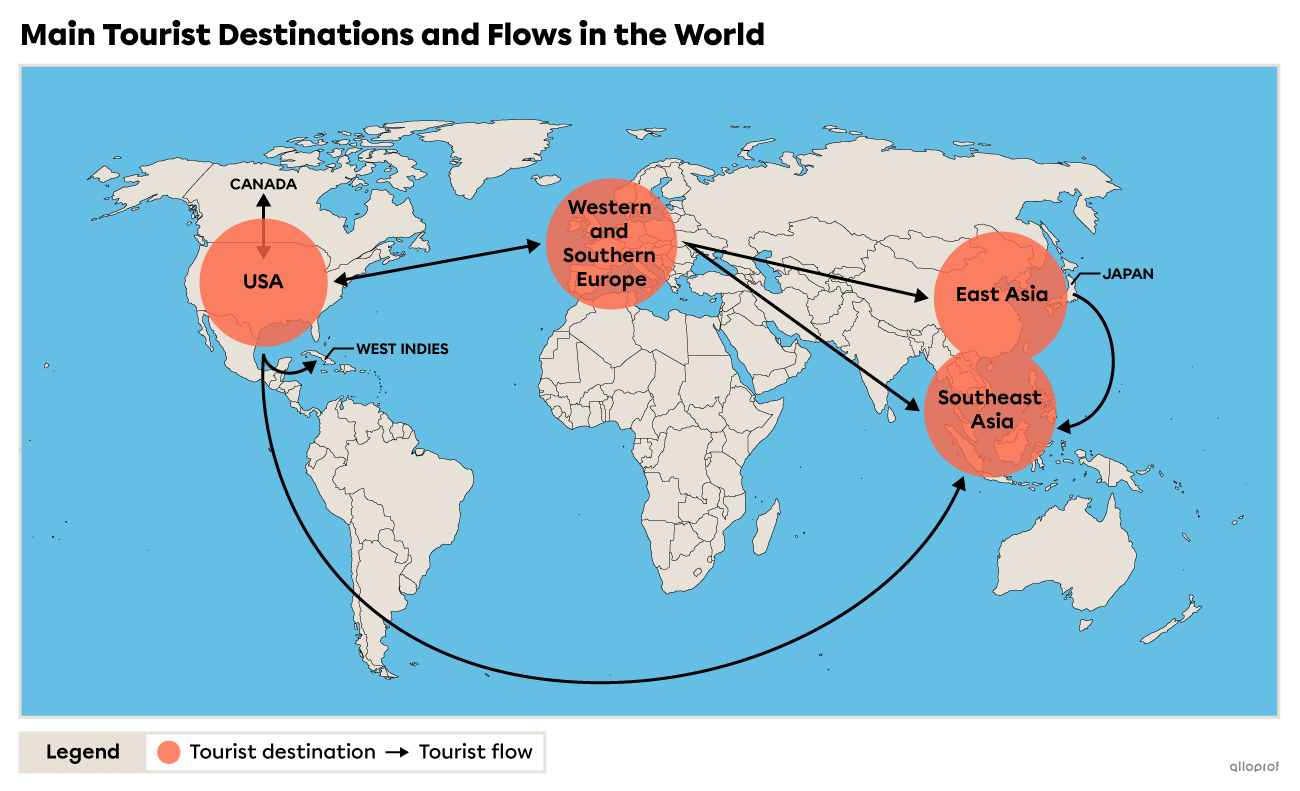
Tourism is the act of travelling to visit a place where you don’t live.
Today, the cost and time involved in travel have decreased due to our modern means of transportation. As a result, more people are travelling and sightseeing. The majority of people who travel are from developed countries, because they have more time and money to devote to travel. Many of these tourists come from countries such as France, Germany, Japan, the USA, China, the UK and Canada.
People are considered to be tourists if they generally travel more than 80 km from their place of residence for more than one day, but less than one year. Tourism can therefore take place:
within the same region (regional tourism)
within one country (national tourism)
between two countries (international tourism)
A tourist region is an area that is organized to showcase different attractions that could be of interest to a large number of tourists. Attractions can be:
natural (such as an exceptional natural landscape or a national park)
cultural (such as a historic district in a city or a monument)
For a region to be considered a tourist region, its principal economic activity must be tourism. The tourist area therefore aims to:
promote the region's tourist attractions
welcome tourists with adapted infrastructures
organize recreational, sporting and cultural activities
Tourism-related revenues help develop the region's economy and ensure the maintenance and preservation of its attractions.

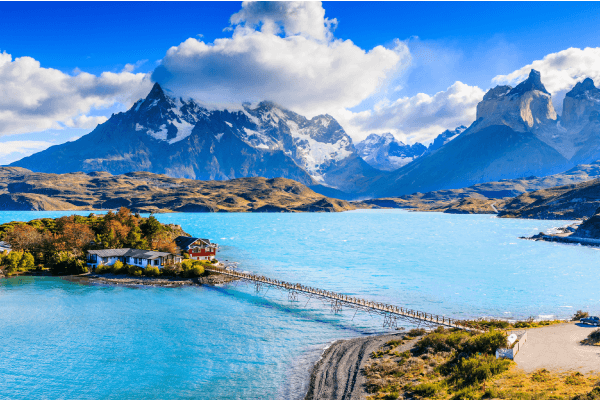
The Torres del Paine National Park in Chile
Thousands of people come every year to visit this natural park with its mountains, lakes, flora and fauna.
Trevi Fountain
Many people visit Rome's cultural attractions, such as this fountain.
A tourist destination is a place (city, region, country) that attracts a large number of tourists.
There are tourist destinations all over the world. A tourist destination can include several countries.
The countries in the Southeast Asian region and the countries around the Mediterranean Sea are two examples of tourist destinations.
Cambodia, a country in Southeast Asia, receives many tourists every year.
Spain, a country on the Mediterranean Sea, is visited by many tourists every year.
Tourist flow is the movement of tourists from one place to another on a national or international scale.
The number of people who visit major tourist destinations increases every year. Tourist flows are therefore also increasing every year.
Most tourist travel takes place between two neighboring countries. Thus, a large proportion of international tourist flows are within the same continent. Most travel between two continents happens between Europe and North America.
A tourist region is characterized by the type(s) of tourism it offers.
The various forms of tourism include:
beach tourism
cultural tourism
adventure tourism
outdoor (nature) tourism or ecotourism
recreational or entertainment tourism
sports tourism
culinary tourism
Organization and planning differs based on the type of tourism in a given region. A natural attraction, such as a national park, and a cultural attraction, such as a cathedral, do not require the same infrastructure.
Infrastructure designed to meet the needs of tourists is similar from one tourist region to another. This may include hotels, inns, restaurants, picnic areas and so on.
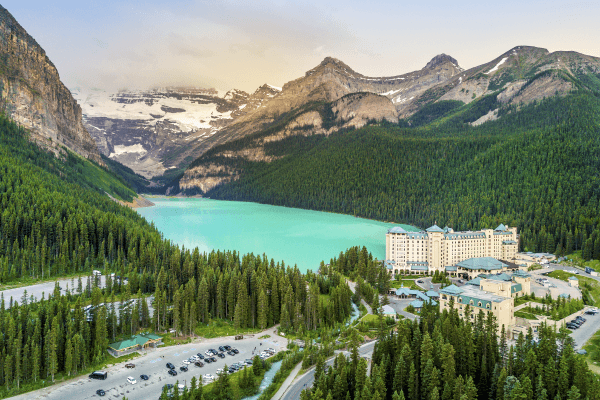
The Fairmont Château Lake Louise
This is a hotel built next to Lake Louise, a natural attraction located in Banff National Park in Alberta.
To find out more on this subject, consult the concept sheet The Characteristics and Development of a Tourist Region.
Tourism is an economic sector that is often highly profitable and creates many jobs for a region. As a result, countries and cities seek to promote their attractions in order to attract more and more tourists.
However, as the number of tourists increases, so do the challenges facing tourist areas. Indeed, tourism has many negative consequences for the environment and local populations.
To find out more on this subject, consult the concept sheet Issues Affecting Tourist Regions.
To access the rest of the unit, please consult the following concept sheets.