Subjects
Grades
 100%
100%
 100%
100%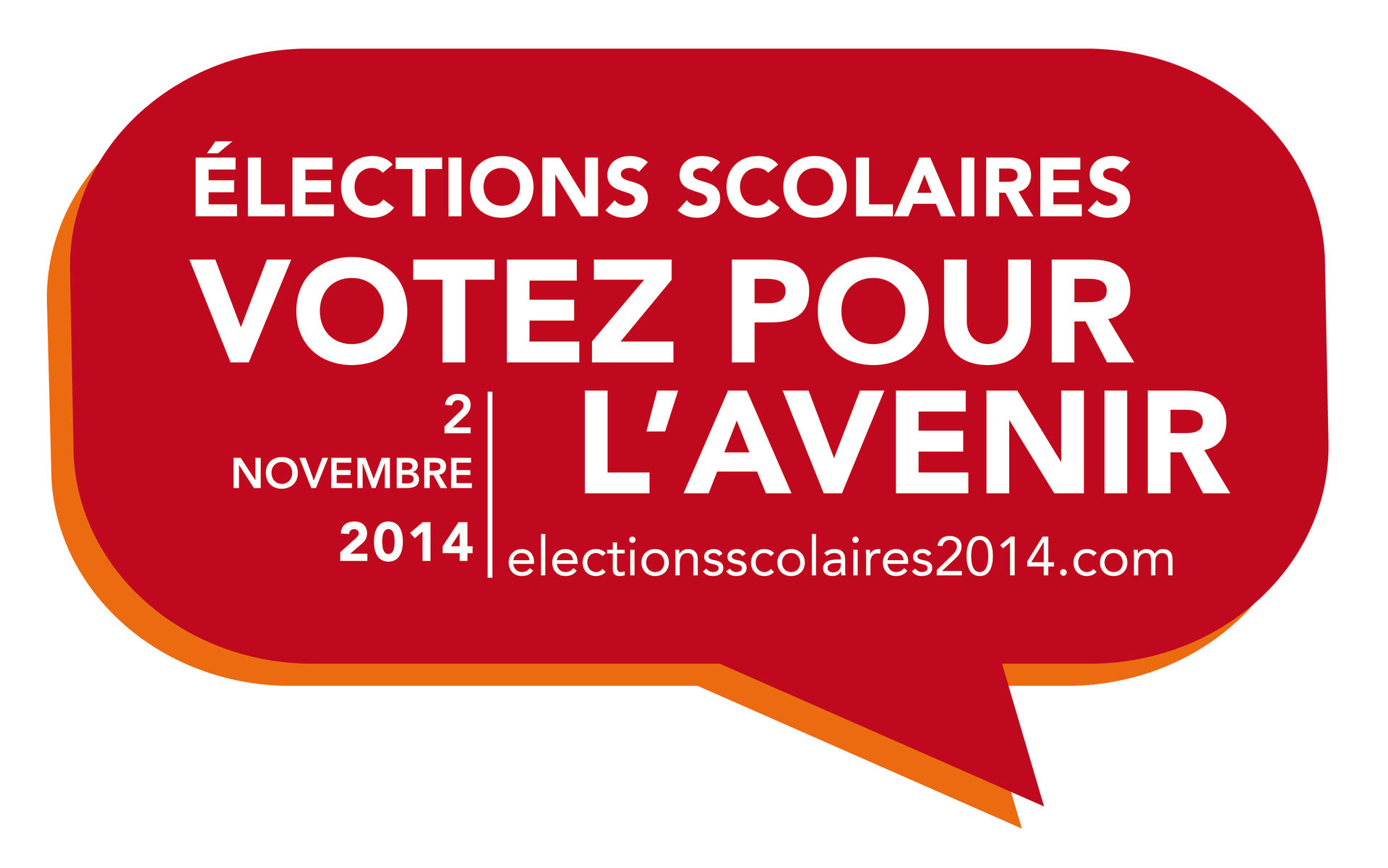 100%
100%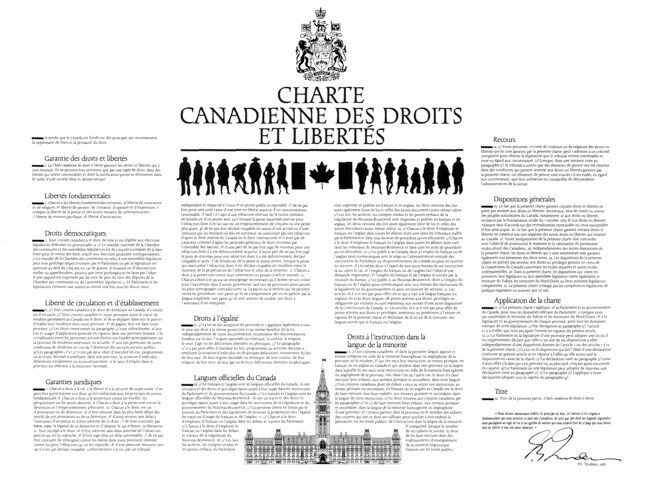
The concepts covered in this factsheet go beyond those seen in secondary school. It is intended as a supplement for those who are curious to find out more.
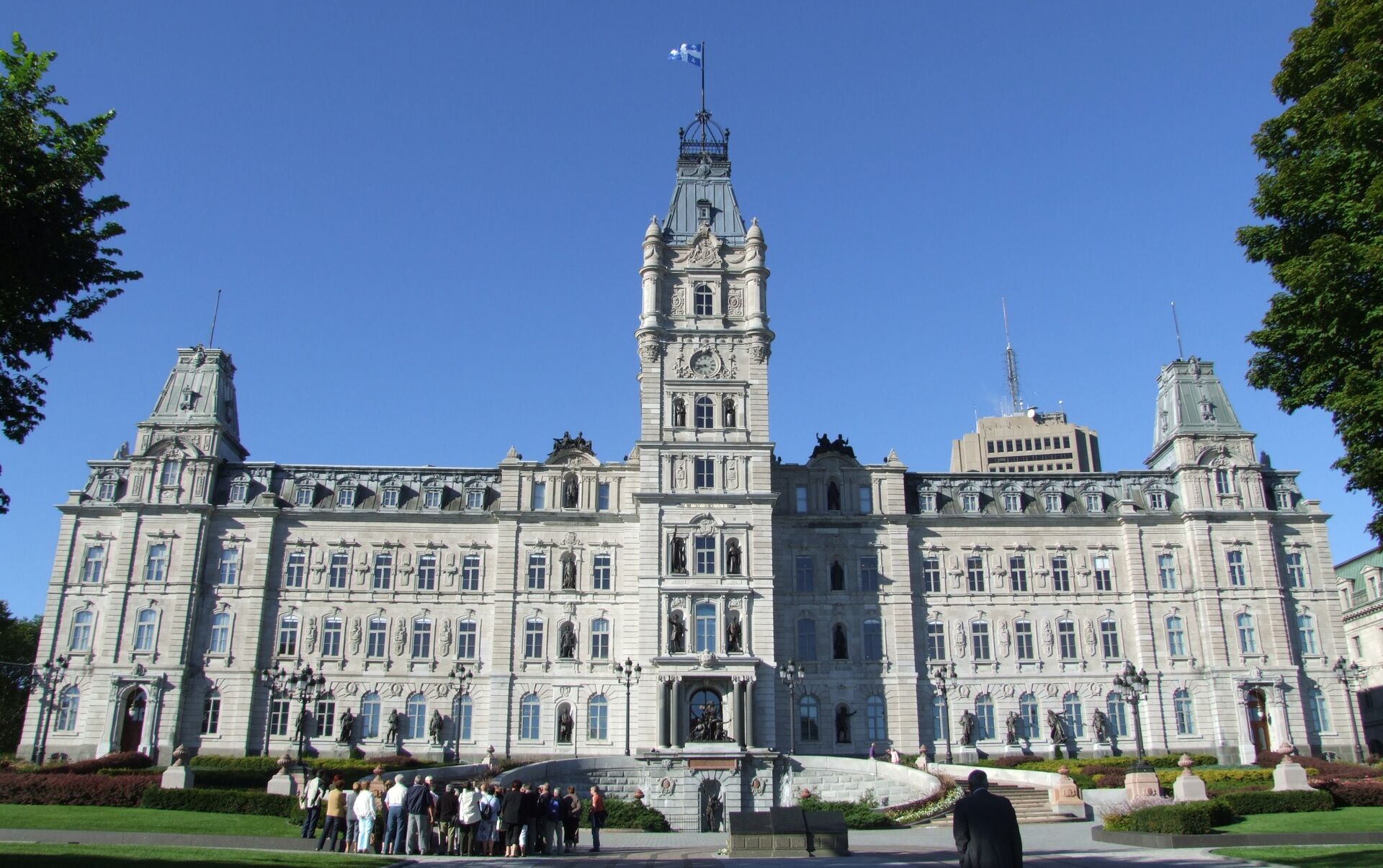
Today, the role of the State has diversified even further. New France became (in part) the Quebec of today, with a democratic system based on the English system known as the parliamentary system. Founded in 1791, Quebec is one of the oldest parliamentary systems in the world. Quebec has what is known as a democratic political system, based on citizens' participation in political life through the election of representatives.
The State is therefore made up of an administration:
It collects taxes, carries out censuses, manages the collection and distribution of currency, etc.
The State has political institutions:
These are organised groups of men and women whose purpose is to ensure that government action runs smoothly, and to plan and coordinate the tasks that the State sets itself. Examples include the National Assembly, the Executive Council (the prime minister and his cabinet of ministers) and the various commissions.

The State also has a legal institution:
It is an organisation that settles conflicts within society and opposes abuses that a citizen or the government itself might provoke.
Quebec is considered an autonomous province with its own state. This means that Quebec has real powers over its population (such as governance, land management, health, education for its citizens, energy such as hydroelectricity, etc.) but other powers are the responsibility of another level, the Canadian federal government. The Canadian government has jurisdiction over the army, international relations, criminal law, etc. Finally, certain powers are shared between the two governments, such as immigration, agriculture, transport and communications. In other words, Quebecers have two levels of government. Quebec is a province in the Canadian federation (ten provinces and three territories).
The state (in North America) is also made up of school boards:
The school board is an elected local government responsible for administering the human and material resources in schools and training centres. It has taxing powers, legal powers (to make its own regulations) and must hold elections every four years because it is a democratic institution.
Every four years, the population must elect, by universal suffrage, representatives for their district, known as commissioners. These commissioners are responsible for administering the school boards. Among the commissioners, the members will vote to choose a chair and a vice-chair, who will preside over the Council of Commissioners and communicate regularly with the Ministry of Education. In Quebec, school boards have been in existence since 1845. In 2007, there were 72 school boards providing education to one million Quebec students.
Note: English image coming soon
The school board must ensure that students and learners receive appropriate educational services. It must distribute resources equitably among its schools, taking into account the specific needs of each school. Finally, it has a responsibility to help its community and region by implementing various activities or services (such as workforce training, daycare services, etc.).
In a democracy like Quebec's, political action is legitimised by the citizens' vote. Our political leaders must decide on future laws and regulations in accordance with the will of the majority of citizens. In return, each citizen has rights and responsibilities towards himself and towards others. These rights and responsibilities were defined in the 1982 Canadian Charter of Rights and Freedoms.
Note: English image coming soon
The main points of the Charter are as follows
The rights and freedoms of the citizens of Canada :
The responsibilities of Canadian citizens :
The purpose of the Quebec Charter of Human Rights and Freedoms is to affirm and protect the rights and freedoms of every person living in Quebec. The Charter establishes a new and more harmonious relationship between citizens and institutions. The Quebec Charter was adopted in 1975 by the National Assembly and has the force of law. No other law may be contrary to the rights set out in it.
The Charter is made up of more than 130 articles of law and appendices. Here are some of the fundamental elements of its constitution:
Obviously, the rights and freedoms of Quebec citizens must take account of the rights and freedoms of others. Everyone has a duty to live in a spirit of respect for themselves and others.