Subjects
Grades
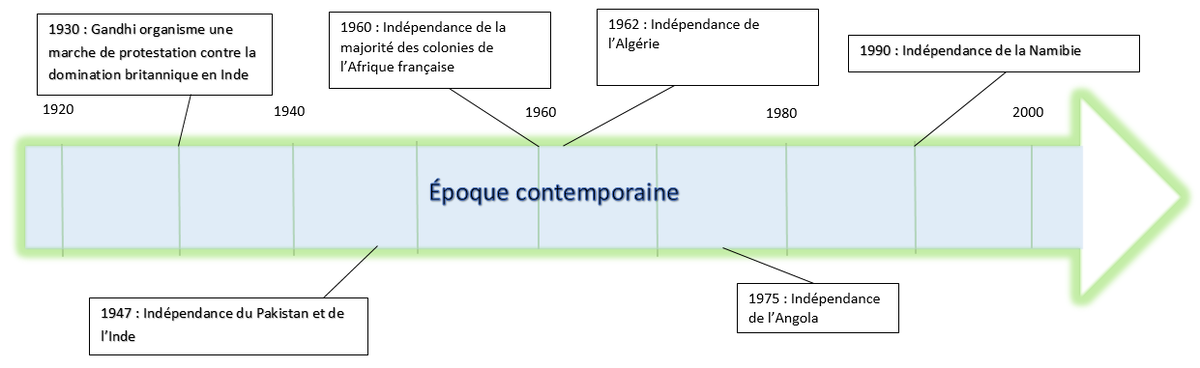
Note : English image coming soon!
Whereas in Early Modern times the colonial empires seized as many territorial possessions as possible in order to assert their superiority, the contemporary era has seen the emancipation of the colonised peoples. A number of colonies demanded greater autonomy following their participation in the First World War alongside their mother countries. However, not all these peoples gained their independence at the same time. India and Pakistan were the first to assert their self-determination in 1947. This long process towards independence for colonised countries ended in 1990 with the independence of Namibia, the last African colony to gain sovereignty.
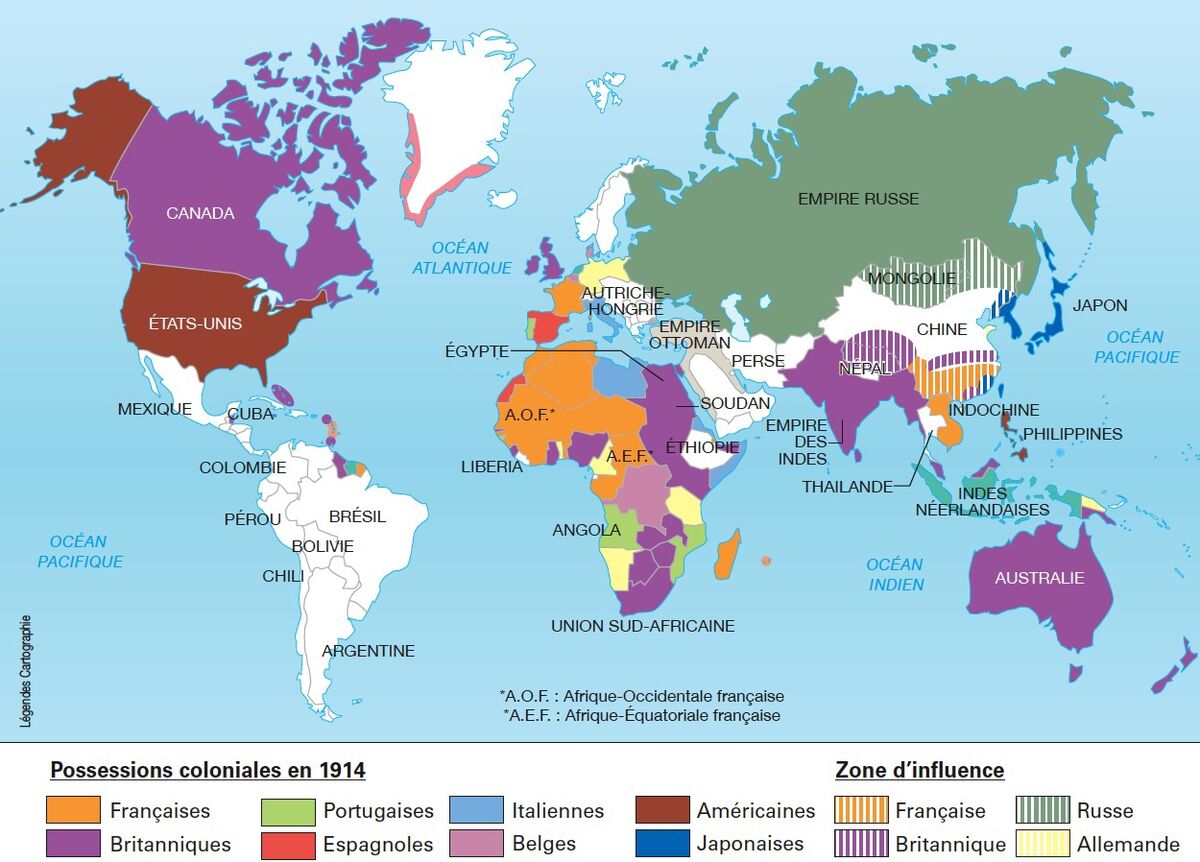
Map of the colonial empires and their territorial possessions in 1914
Note : English image coming soon!
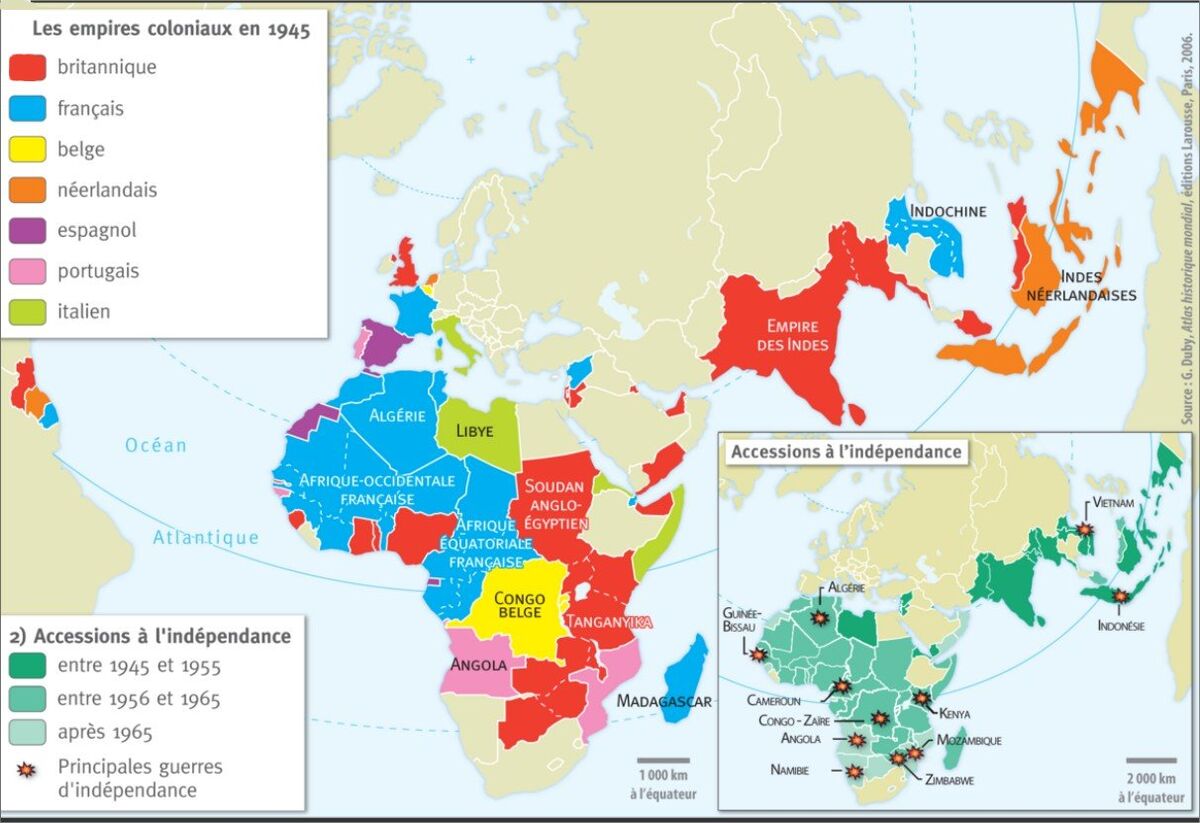
Map showing the decolonised States, the year of their decolonisation and the mother country to which they belonged.
Note : English image coming soon!
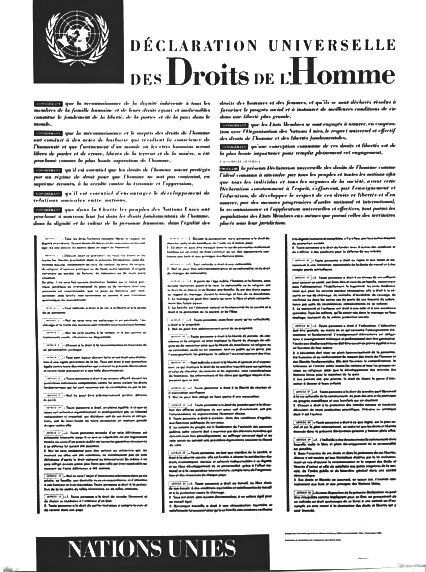
After the Second World War, while many colonial territories remained the property of their mother countries, several colonies demanded independence. They demanded the right to self-determination and sovereignty. In short, they wanted to become autonomous countries. Based on the principles of freedom and equality enshrined in the Universal Declaration of Human Rights, the peoples of the colonies are making this legitimate demand.
Self-determination is the act whereby a people decides its own political status. A colony can then become sovereign. It then becomes a country in its own right.
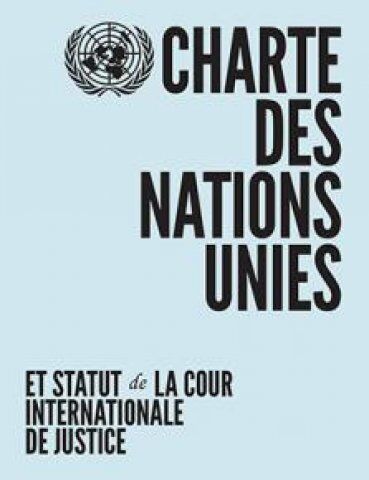
In fact, in the Charter of the United Nations, a text of the UN (United Nations Organisation), written in 1945, the right to self-determination is mentioned verbatim:
‘ One of the purposes of the United Nations is to develop friendly relations among nations based on respect for the principle of equal rights of peoples and their right to self-government.’
It was on the basis of this assertion, among others, that the colonies set out on the road to independence and that decolonization began.
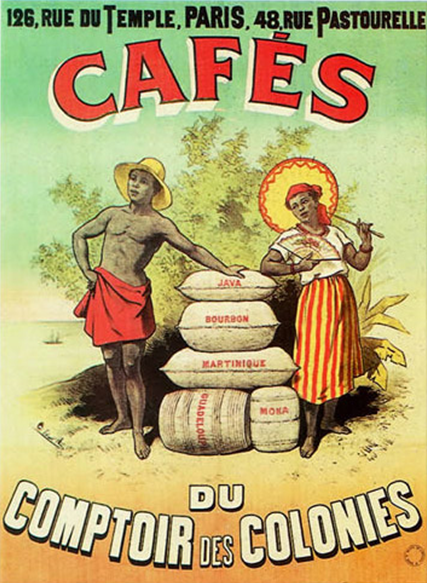
Despite their participation in the First World War alongside their mother country, the colonised peoples still had no access to their own sovereignty. They were recognised as second-class, inferior people compared to the inhabitants of their mother country. In addition to this prejudice, the colonised see the natural resources of their territory exploited by the people of their mother country. This made it difficult for the colonies to improve their economies.
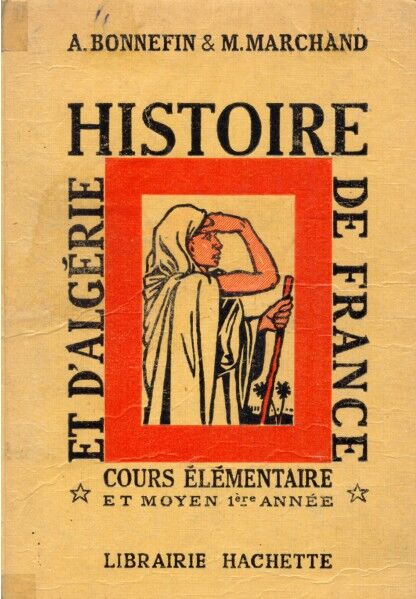
The inhabitants of the colonies also suffered the effects of segregation. Only people from the mother country had access to the most important administrative positions in the colony. The colonised peoples were also victims of acculturation, as the mother countries made it their duty to teach their culture, history and language to the people they had conquered.
Acculturation is the process by which one culture disappears and is replaced by another.