Subjects
Grades
 100%
100%
 100%
100%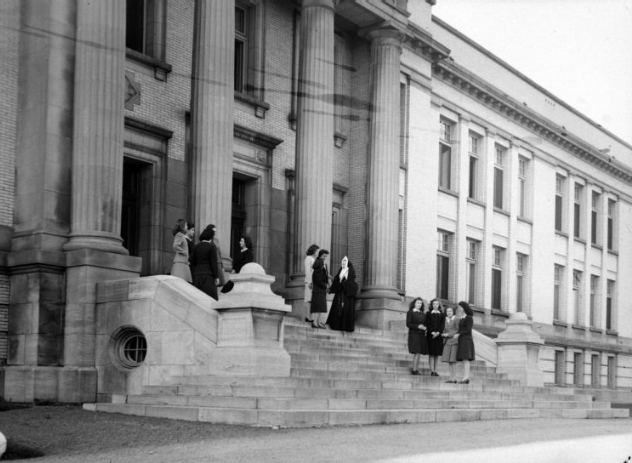 100%
100%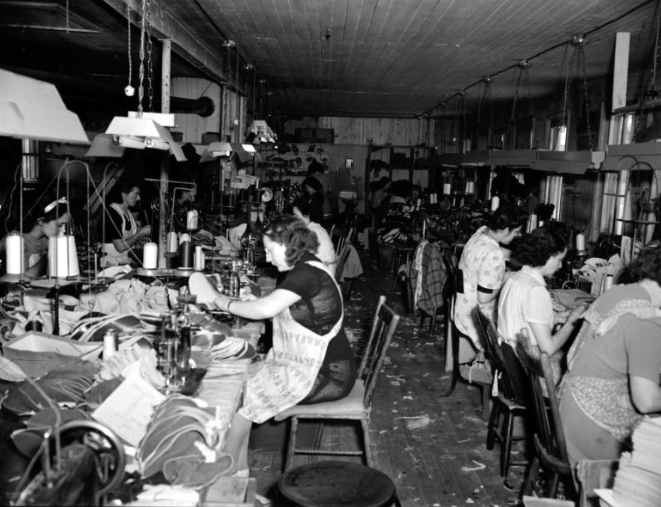 100%
100%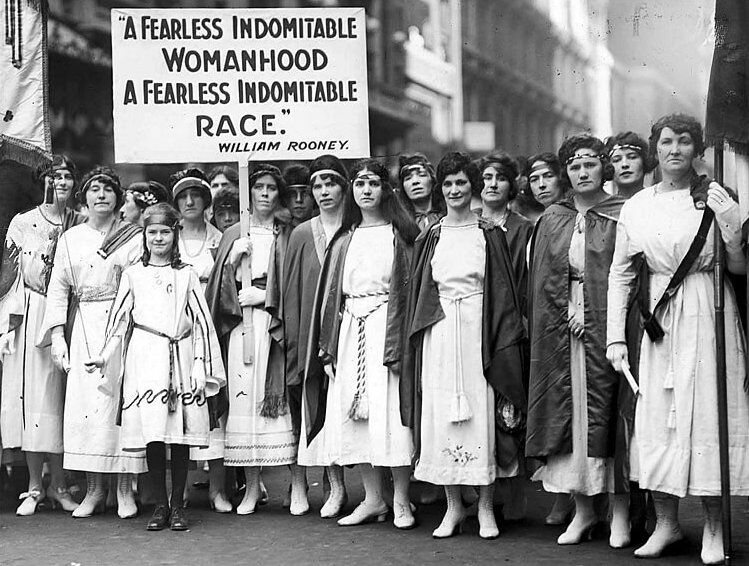 100%
100%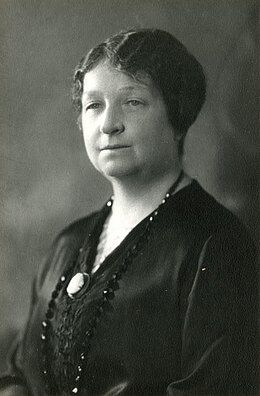
In the early 20th century, feminism became more popular as more women joined the movement. Women were making waves in society and trying to change people’s way of thinking by going against the traditional image of femininity, whether through work or fashion.
Organized feminist groups demanded several measures from the government, such as reforms to the Civil Code, since it granted men more rights than women. They also demanded better access to education and the right to vote.

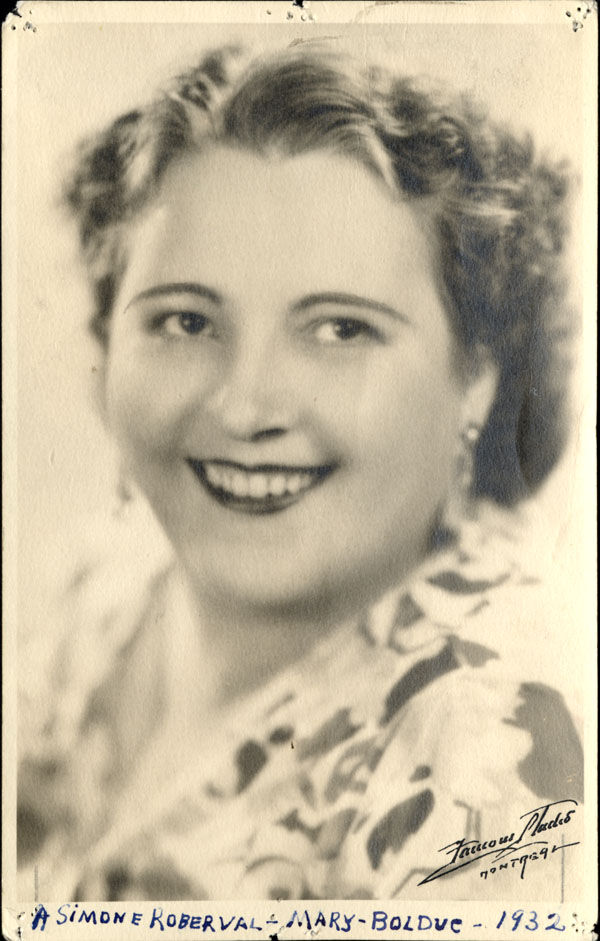
Although not defining herself as a feminist La Bolduc did help to change the traditional image of women by leaving her life as a housewife to pursue a singing career.
Since education was very limited for women, they were unable to pursue an education past primary school. Between 1908 and 1925, two classical colleges opened their doors to female students. However, their accessibility was limited since they mainly offered education to young girls of the bourgeoisie and future nuns. Girls from less fortunate families attended home economics schools where they learned how to run a home.
Collège Marguerite-Bourgeoys in Montreal was founded in 1908 and was the first school to offer higher education to girls.
Some Quebec universities began accepting women in 1910, at which point many women enrolled in law school or medical school. Although these women were very marginalized at first, more and more women chose to pursue a university education.
As with education, the job market was limited for women. Even though many of them had been working in factories since the first industrialization phase, they earned much lower wages than men doing the same job.
Female factory workers earned much less money than men in the early 20th century.
In addition to working in factories, women also worked in hair salons and restaurants. Some women dedicated their lives to religious congregations in order to work in health and education.
At the turn of the century, women were considered minors, meaning that they were always under the guardianship of a man. They belonged to their father until they got married, after which they belonged to their husband.
This meant that, in the eyes of the law, women had fewer rights than men since they were practically forbidden from owning property, signing contracts or even voting. A group of feminist activists called the suffragettes wanted legal equality between men and women.
The suffragette feminist movement that was sweeping across Quebec was also spreading in the rest of the Western world.
At the start of the 20th century, women’s rights in Quebec were lagging behind Canada and the other provinces. As of 1918, women had the right to vote in federal elections, but were still not allowed to vote in provincial elections.
To change this, feminist and suffragette Marie Lacoste Gérin-Lajoie led the fight for the right to vote. She created the Comité provincial pour le suffrage féminin (CPSF) in 1922. Idola Saint-Jean was also a key figure for women’s rights because she introduced a concrete women’s suffrage bill. In 1929, Idola Saint-Jean was the first woman of Quebec to run for office in the federal elections.
Marie Lacoste Gérin-Lajoie was a pioneer of the Quebec feminist movement.
With the right to vote as their primary goal, suffragettes challenged the social order, denounced their role in society and fought to redefine it. This caused the Catholic Church and many politicians to strongly oppose their demands along with many women who accepted the traditionalist values of the Church. Around 10 000 women formed the Catholic Women’s League to oppose feminism.
Despite all this resistance, women in Quebec finally won the right to vote in provincial elections in 1940.