Subjects
Grades
In the second half of the 19th century, French-Canadian society underwent major transformations. The emergence of the first Francophone universities contributed to the education of a new elite, while the development of literature and the arts fostered the creation of a distinct cultural identity. This period was also marked by tensions, particularly surrounding the rights of Francophone minorities in Canada.
 100%
100%
 100%
100%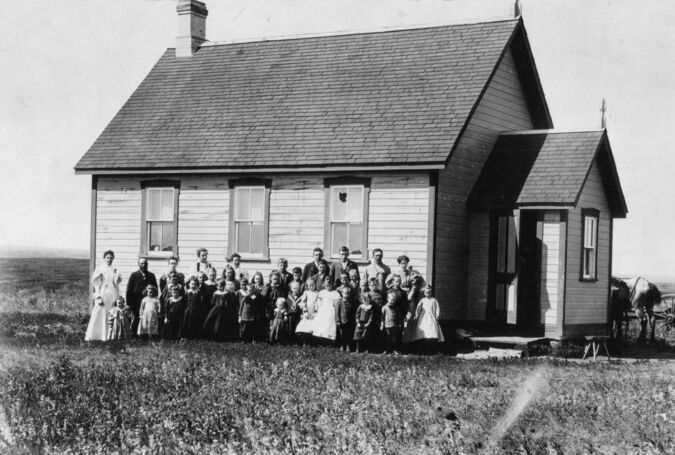 100%
100%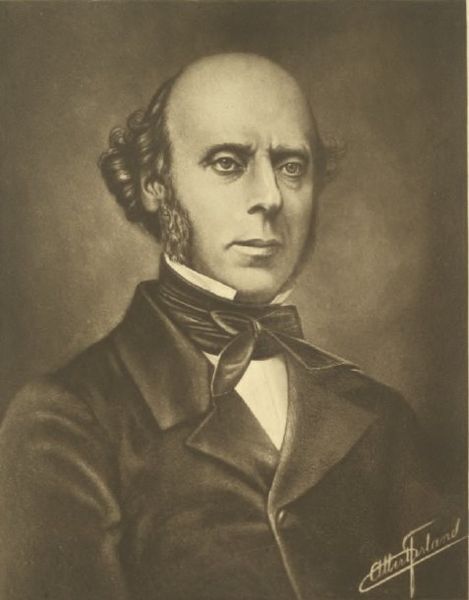 100%
100%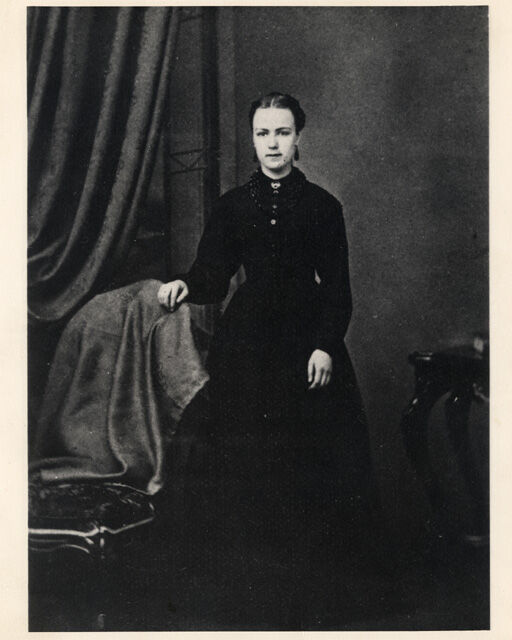 100%
100%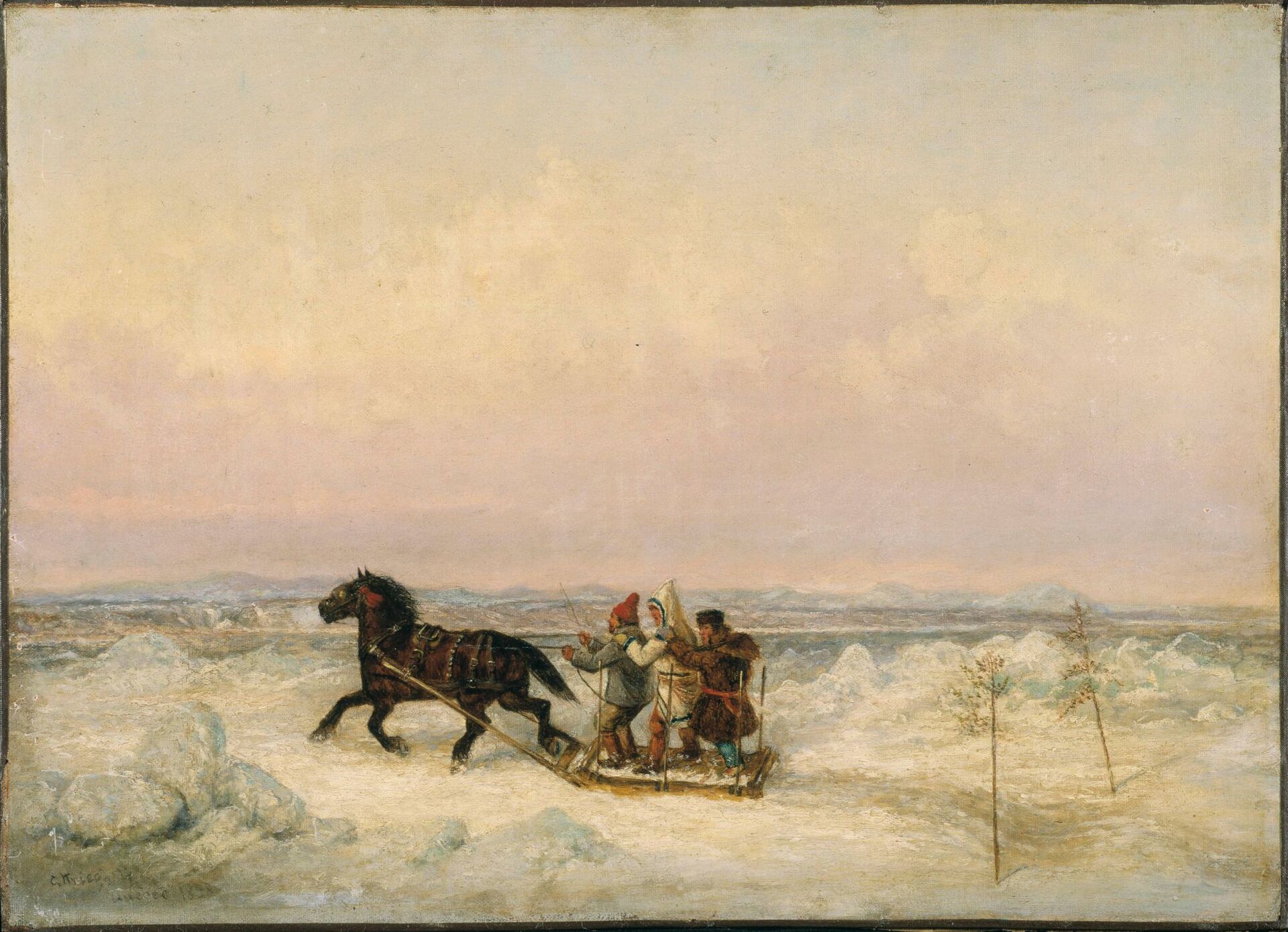
In the second half of the 19th century (after the 1850s), several changes took place in higher education and the culture as a whole:
During the first half of the 19th century, only Anglophones had access to universities in Canada. Two major institutions were opened:
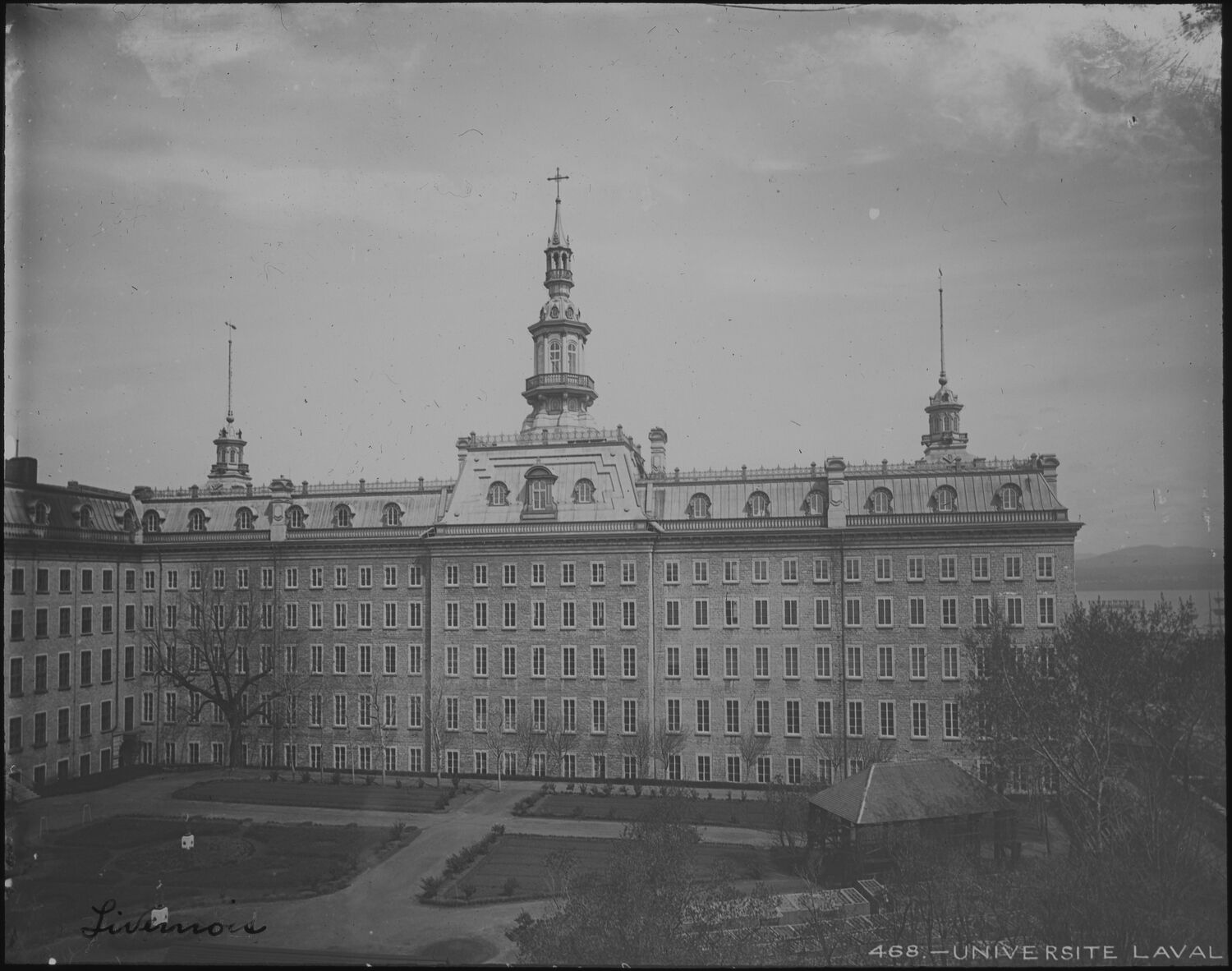
Université Laval was Canada’s very first Francophone university. It was founded in Quebec City in 1852, when the Séminaire de Québec received permission to convert into a university.
Unlike McGill, Université Laval focused on liberal professions. In its early days, it was made up of four faculties:
The founding of Université Laval contributed to the education of a new French-Canadian elite.

Université Laval’s first campus, in Old Québec, now known as Séminaire de Québec
There was also a need for Francophone higher education in Montreal. In 1878, a campus of Université Laval was opened in the city. In 1920, this satellite campus became an independent institution: Université de Montréal.
From the very beginnings of Confederation, the rights of Francophones living outside Quebec were a source of great tension. At the time, many federal politicians held anti-French and anti-Catholic views.
This hostility was only reinforced by the Orange movement. This group rallied around two overarching goals:
Under this influence, some provinces passed laws restricting access to French-language education or Catholic teaching. Francophone minorities had their rights restricted in various regions of the country:
In Quebec, these measures were met with a deep sense of injustice and caused heightened friction with the federal government.
The situation in Manitoba serves as a striking example, as it caused significant tensions in Quebec. In 1870, after negotiations led by Louis Riel, protections for Francophone and Catholic rights were enshrined in the Manitoba Act. However, the situation changed rapidly with the arrival of large numbers of Anglophone settlers and the exile of the Métis population. The proportion of Francophones in the population dropped significantly as a result.
In 1890, the provincial government took advantage of this change to pass a law abolishing the Francophone school system. A single public Anglophone school system was created in its place. Since they no longer received government funding, Catholic and Francophone schools found themselves in financial difficulty. In Quebec, the Clergy and politicians opposed this decision. They asked the federal government to use its right of disallowance to overturn the law, but Ottawa refused to intervene. This crisis deepened French Canadians’ dissatisfaction with the federal government.
A school in Manitoba in 1896
In the mid-19th century, a French-Canadian literature began to develop. This movement was a response to Lord Durham, who stated in his report that French Canadians were a people “without history and without literature.”
Historian François-Xavier Garneau published his Histoire du Canada to demonstrate the richness of French Canadian heritage. By 1860, this book had inspired a new literary trend in Quebec: patriotic literature. A group of authors, including Octave Crémazie, formed around Abbé Henri-Raymond Casgrain. Their works, influenced by romanticism, praise the heroes of New France, the Catholic religion, and rural life. This movement rejected urbanization and promoted the values of nationalism of survival and agriculturalism.
François-Xavier Garneau is the author of Histoire du Canada, the first volume of which was published in 1845. This was the first time that an author had compiled such a detailed account of French-Canadian history in one book.
Canadien nationalism emerged as a movement after 1770. With the massive influx of Anglophone immigrants, this movement evolved into French-Canadian nationalism in order to clearly distinguish the identity of Francophones in Canada. These two terms refer to the same people at different times in history.
For more information, see the video Nationalism in Canada.
The Montreal Literary School was founded in 1895 with a focus on modernism and poetry. Its member authors defied established conventions to explore new horizons. In doing so, they turned away from traditional values—a drastic departure from the patriotic literature of the era
These authors held meetings and talks, as well as readings where members shared their works, mainly poems. By championing free expression with no prescribed themes, the Montreal School gave creatives like renowned poet Émile Nelligan the freedom to explore universal themes such as love, the human condition, and death. The Montreal Literary School had a major influence on the development of Quebec literature in the early 20th century.
The 19th century also saw the emergence of women’s literature in the form of poetry, tales, short stories, and novels, which developed in parallel with patriotic literature. These authors also explored their French-Canadian and Catholic cultural identity in their works. Most of their writings were published in newspapers and magazines. Print media supported the emergence of women’s literature by asking women to contribute columns or articles. Print media also created demand for literary works, which were often published in serial form—that is, in several parts in different issues of a newspaper or magazine.
Many female authors used pseudonyms when they wrote. They either wrote under a male name or a different female name, since it was still frowned upon for women to write and share their opinions.
Félicité Angers was an author born in La Malbaie. She was better known by her pen name: Laure Conan. She is considered the first French-Canadian female novelist.
She published her first short story in 1878 and gained prominence in 1881 when the first segment of Angéline de Montbrun was published. This is her most famous work.
Portrait of Félicité Angers (Laure Conan)
For a long time, painting in Canada was largely confined to portraits of people. Near the end of the 19th century, an increasing number of painters produced landscapes. Gradually, landscapes came to dominate Canadian painting.
By painting snow-covered landscapes and distinctly Canadian settings, these artists contributed to the creation of a uniquely Canadian identity.
Painting titled Les garçons vont à la ville
This work was painted in 1858 by Cornelius Krieghoff. He produced many paintings of Canadian landscapes.