Subjects
Grades
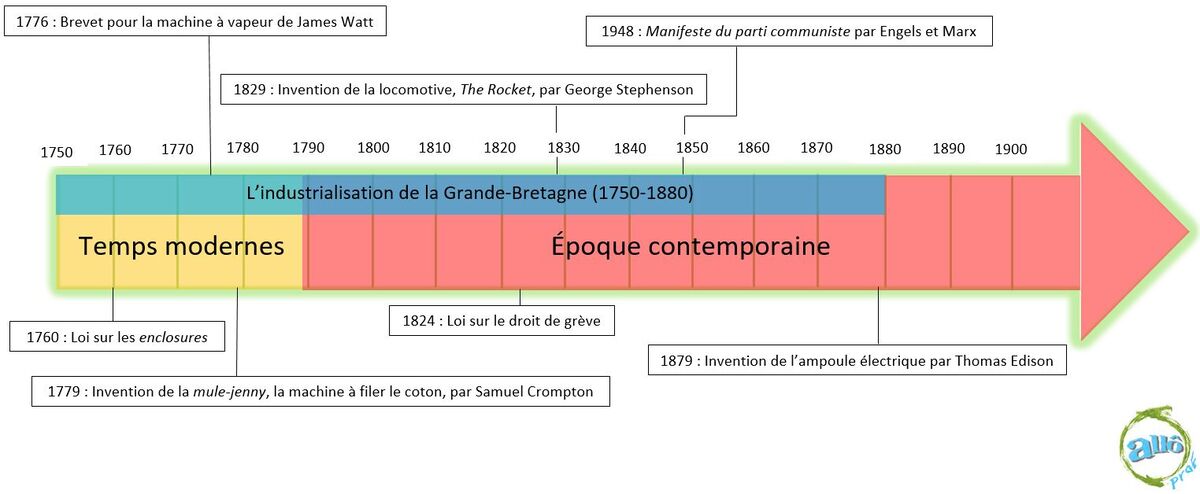
Note: English image coming soon
The period preceding industrialisation is known as proto-industrialisation. This period, which marked the transition from a society of craftsmen to an industrial society, took place in several European countries, including Great Britain.
The United Kingdom
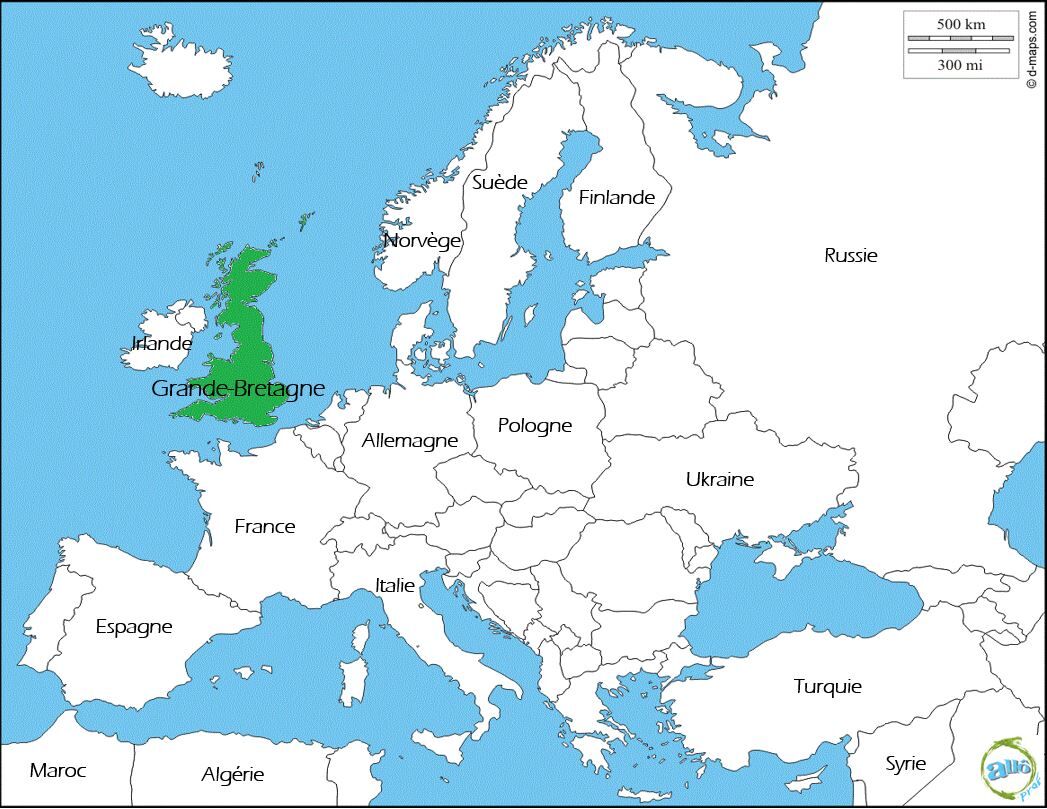
Note: English image coming soon
During the 18th century, demand for textiles and metallurgy increased considerably. This increase in demand had three causes: the rise in population due to the agricultural revolution, the fact that the metropolises had to supply the products manufactured for all their colonies, and the professionalisation of the army. With a standing army, Great Britain was now obliged to clothe and arm its soldiers.
A shoe factory before the arrival of machinery
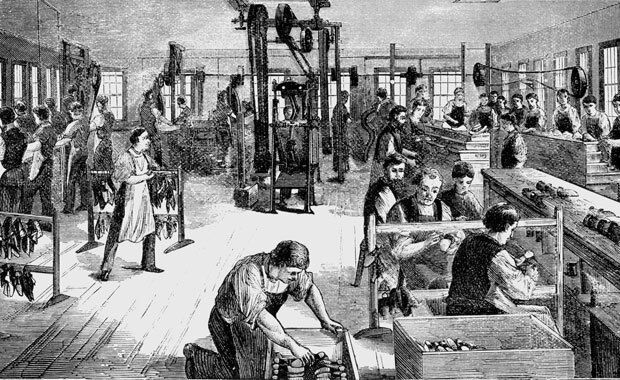
It was at this point that a new role appeared in society: that of the merchant-manufacturer. Merchants offered a range of goods and called on a number of craftsmen to manufacture them as quickly as possible. Later, to ensure more uniform production, merchant-manufacturers began to use the factory system. By grouping all the craftsmen together in the same building, merchant-manufacturers could now ensure better control: quality, uniformity and discipline. From the merchant-manufacturer's point of view, this system had nothing but advantages, as it made them more competitive and enabled them to offer their customers better lead times.
In this context, British businessmen, who had accumulated fortunes through mercantilism (trade with the colonies), wanted to make ever more profit. So they invested massively to find new, more productive and profitable ways of manufacturing goods. A number of factors came together to ensure that industrialisation took root in Great Britain and, later, in the rest of the world.