Honoré de Balzac

Concept sheet | History

Honoré de Balzac is a major writer of the 19th century. A master of the French novel and a leading figure in rigorous writing, he is credited with a realistic, visionary style that provokes philosophical reflection. In addition to his prolific literary output, he wrote newspaper articles and edited two magazines.

He took a keen interest in the human species, and this passion for man gave rise to one of the most imposing works of fiction of all time: La Comédie humaine, a collection of over 90 works (novels, short stories, tales and essays) that paints an immense fresco of the society of the novelist's time.

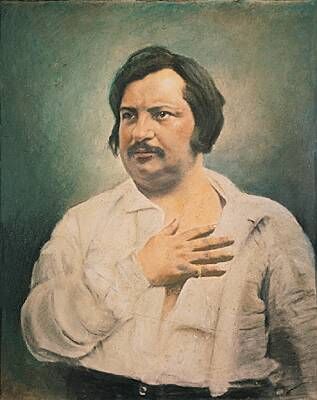
Portrait of Balzac in 1842.

Portrait of Balzac in 1842

Biography in a few points

  • 1799: Honoré de Balzac is born in Tours on May 20.
  • 1820 to 1825: He writes several early novels under various pseudonyms, including Lord R'Hoone and Horace de Saint-Aubin.
  • 1825: Balzac enters the publishing business, but the two magazines he runs go bankrupt, ruining him.
  • 1829: With The Chouans and The Physiology of Marriage, Balzac begins to make a name for himself as an author, and develops important contacts in the literary world.
  • 1831: The publication of The Magic Skin, a fantasy novel, brings Balzac fame.
  • 1833: He conceives the ambitious project of La Comédie humaine (which Balzac describes as a painting of society), a great cycle of novels (over 90) recounting the adventures of a series of characters linked by blood or friendship, written over several years (until 1850).
  • 1834: The novel Eugénie Grandet, a study of the evolution of different characters over time, is published.
  • 1835: The novel Old Goriot, first published in the Revue de Paris, appears.
  • 1842: A first edition of La Comédie humaine is published; from then on, the work is constantly enriched.
  • 1850: On August 18, at the age of 51, Honoré de Balzac died in Paris.

References