Subjects
Grades
The Quiet Revolution was a period of intense change and reform in Quebec. The Quiet Revolution took place during the 1960s. Jean Lesage and his government led this revolution from 1960 to 1966. After years marked by social conservatism, particularly under the Duplessis government, Quebec aspired to greater modernity.
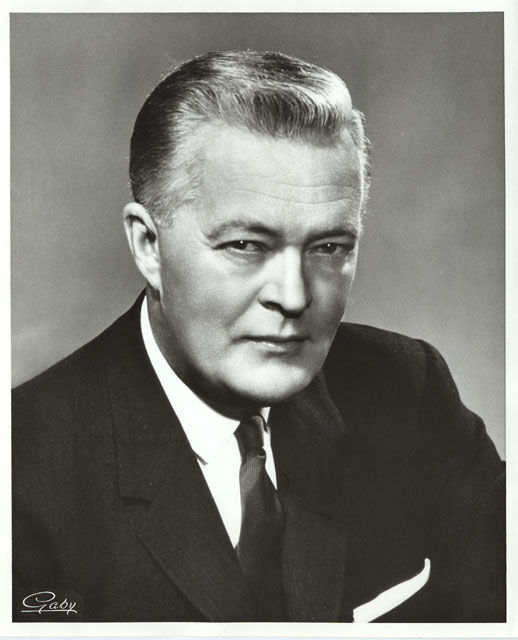
Jean Lesage, Premier of Quebec between 1960 and 1966
The Quiet Revolution addressed urgent issues of the time, but it was above all born out of a new way of thinking. After years of conservatism, a new generation wanted to modernize Quebec and break with a past dominated by the Church and English-speaking elites. People believed that a strong and efficient state could transform society and the economy. A strong sense of Quebec nationalism also drove them to want French Canadians to take control of their destiny. State intervention was therefore a way of building a more autonomous society and asserting a modern Quebec identity.
The term Quiet Revolution was reportedly first used by an anonymous Globe and Mail reporter to refer to the rapid changes happening in Quebec after Jean Lesage was elected.
Social struggles in the United States and France influenced people’s attitudes in Quebec in the 1960s. The social movements of the time championed the importance of equality and solidarity. At that time, Jean Lesage wanted to modernize Quebec and promoted these values. With these values in mind, the Quebec government encouraged several social measures and took control of the economy.
During the Quiet Revolution, Quebecers redefined their identity and started a movement to have this identity recognized across the country. At this time, women also fought for greater equality so that their rights would be recognized.
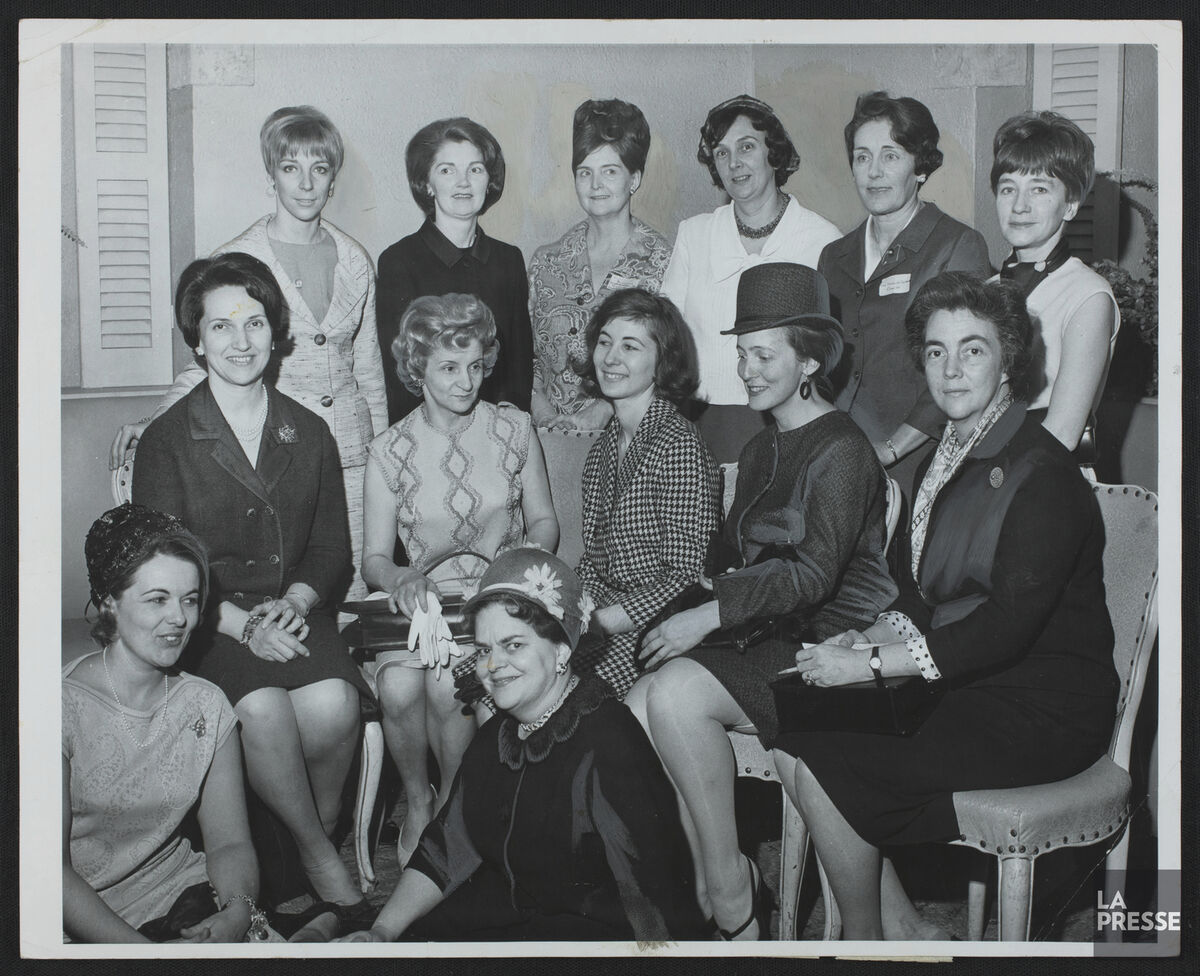
Newly elected administrators of the Fédération des femmes du Québec
This federation was created in 1966. It campaigns for gender equality and the defence of women's rights in Quebec.
These major social changes were also reflected in a remarkable sociocultural exuberance. The Québécois developed a strong sense of social and political national identity. This led to a desire for an independent Quebec, because its citizens felt that they were very different from the rest of Canada.
To find out more about the Quiet Revolution and Quebec nationalism, see the following concept sheets:
Gaby. (circa 1960). Jean Lesage [Photograph]. Bibliothèque et archives nationales du Québec. (URL).*
Paul Henri Talbot. (1966). Fédération des femmes du Québec (FFQ) [Photograph]. Bibliothèque et archives nationales du Québec. (URL).*
*Content used by Alloprof in compliance with the Copyright Act in the context of fair use for educational purposes. [https://laws-lois.justice.gc.ca/eng/acts/c-42/page-9.html].