Subjects
Grades
 100%
100%
 100%
100%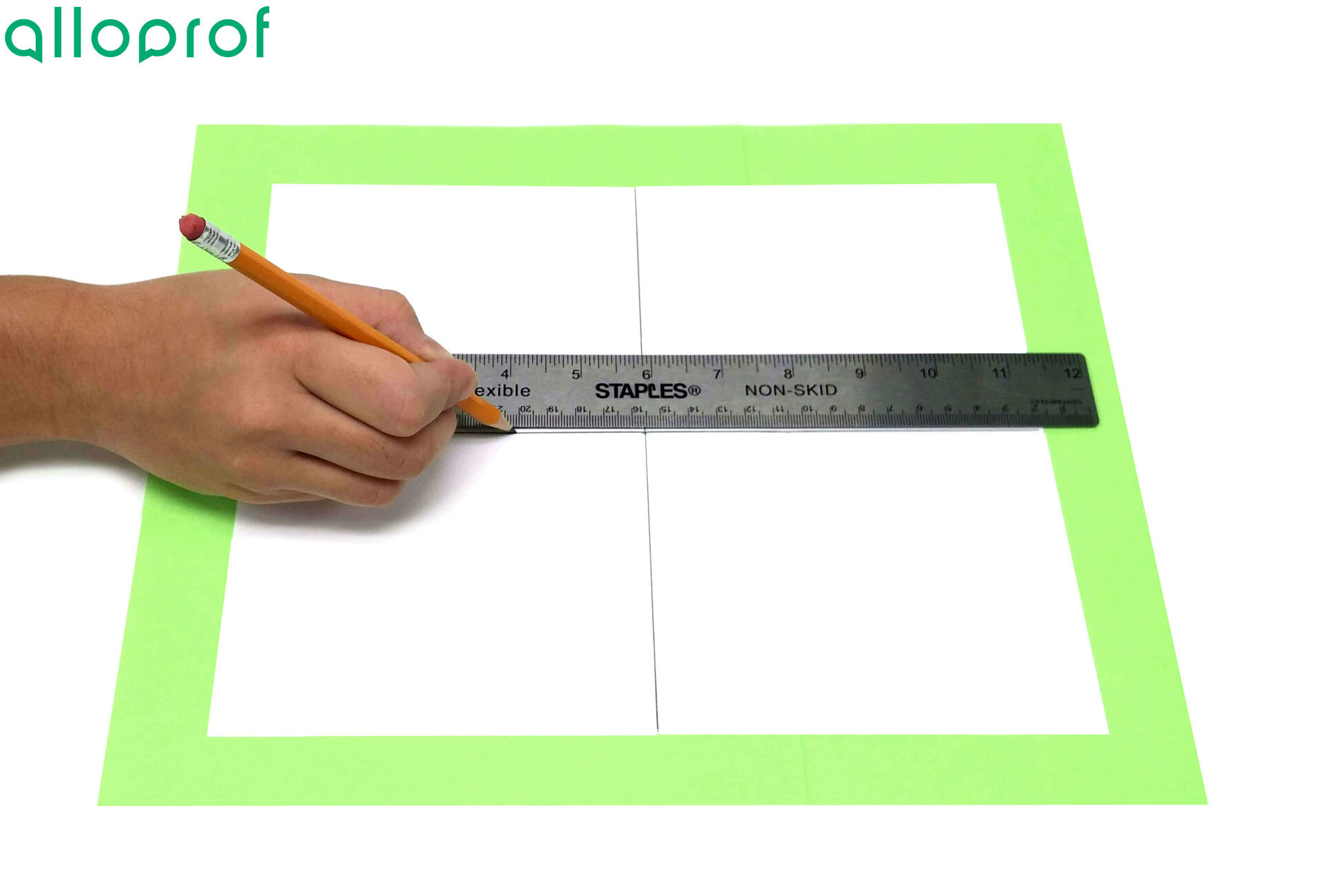 100%
100%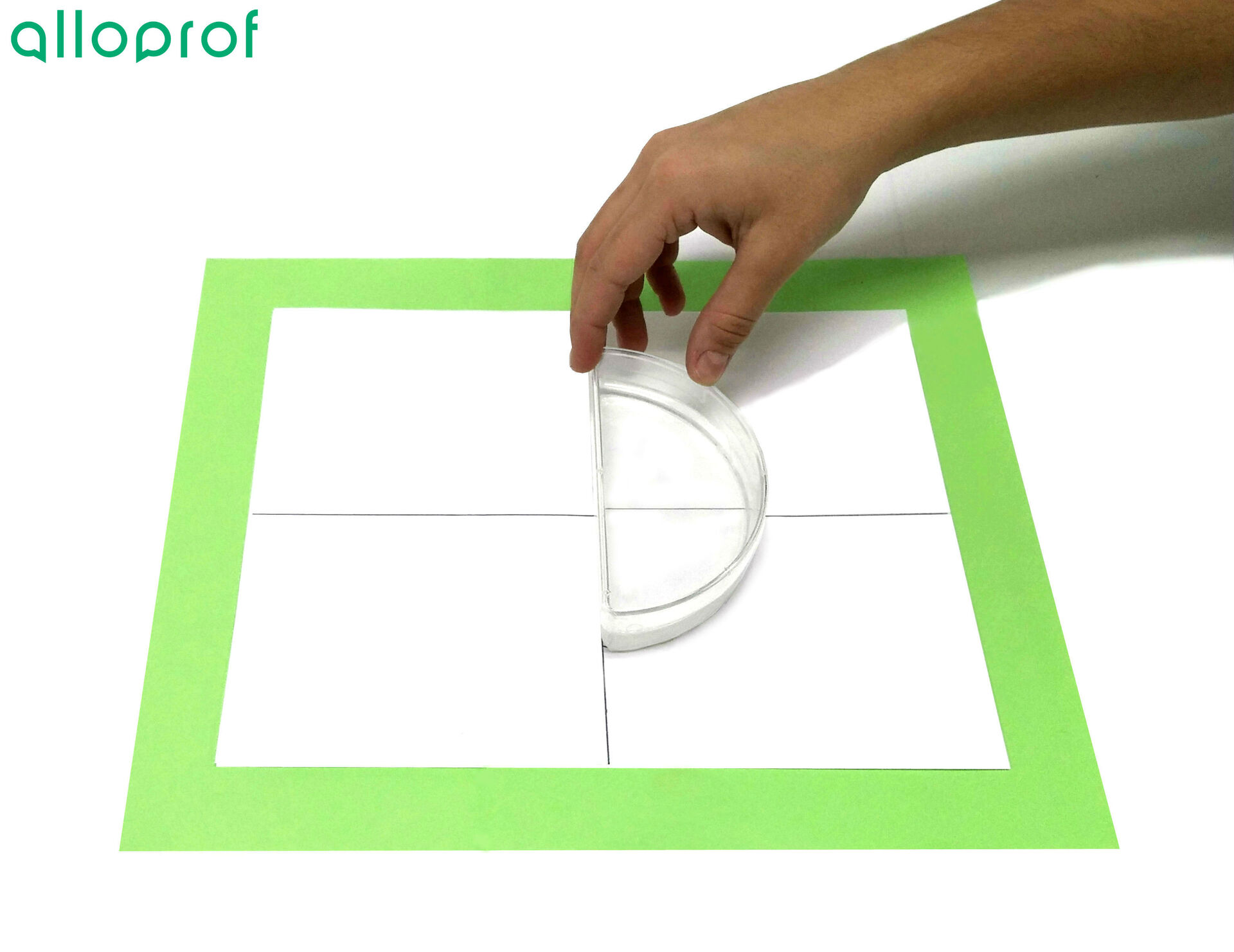 100%
100%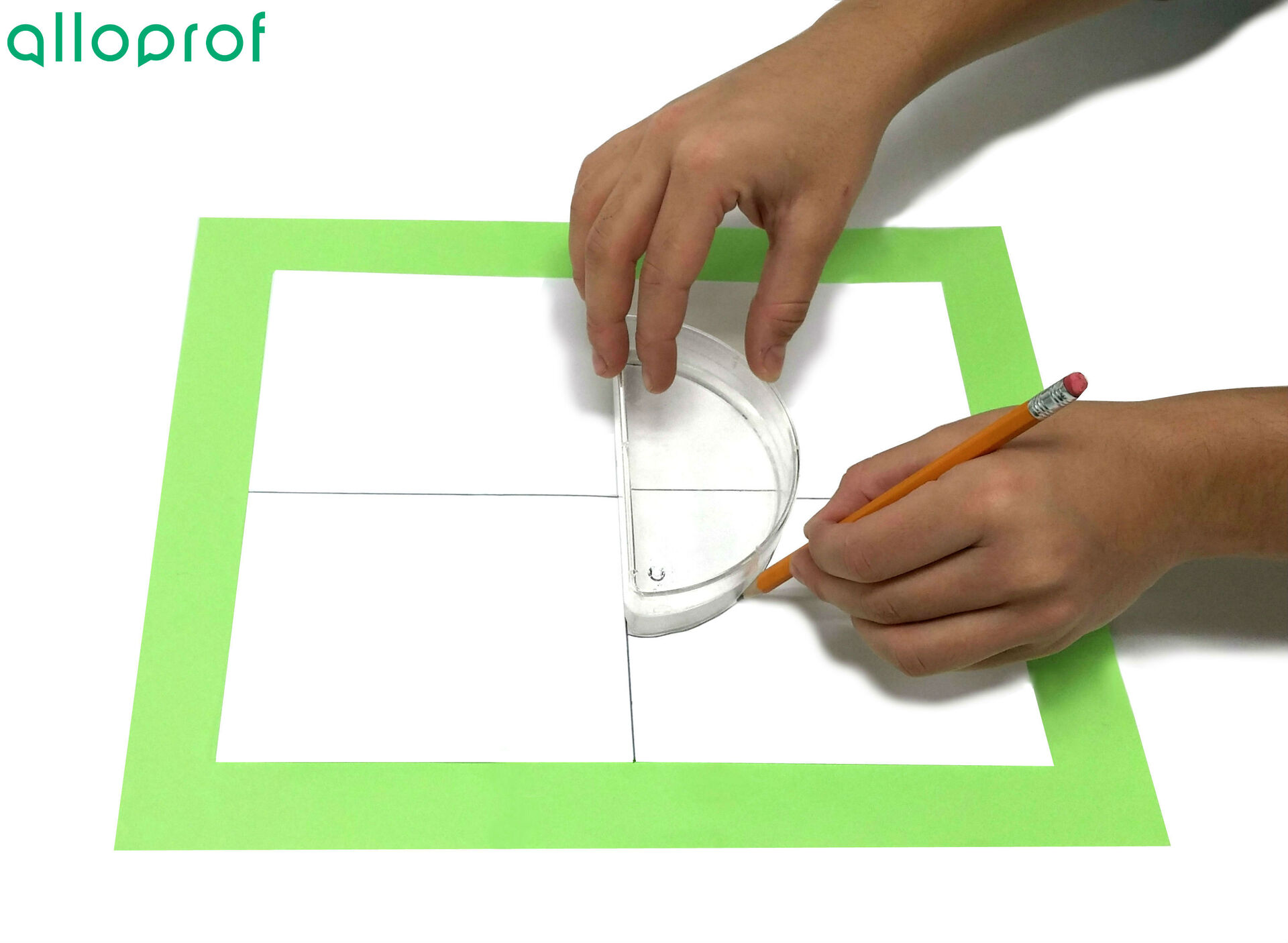 100%
100%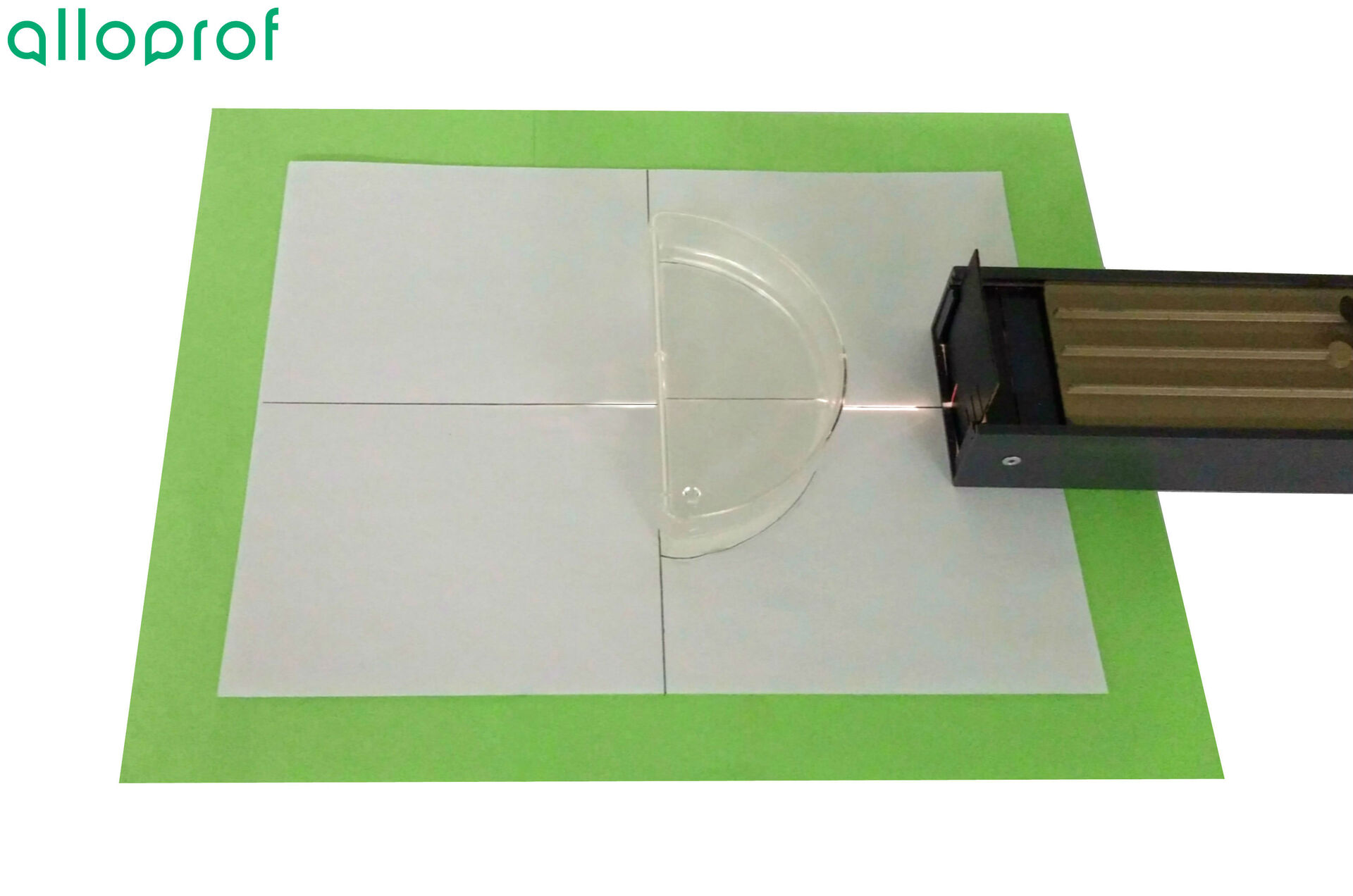 100%
100%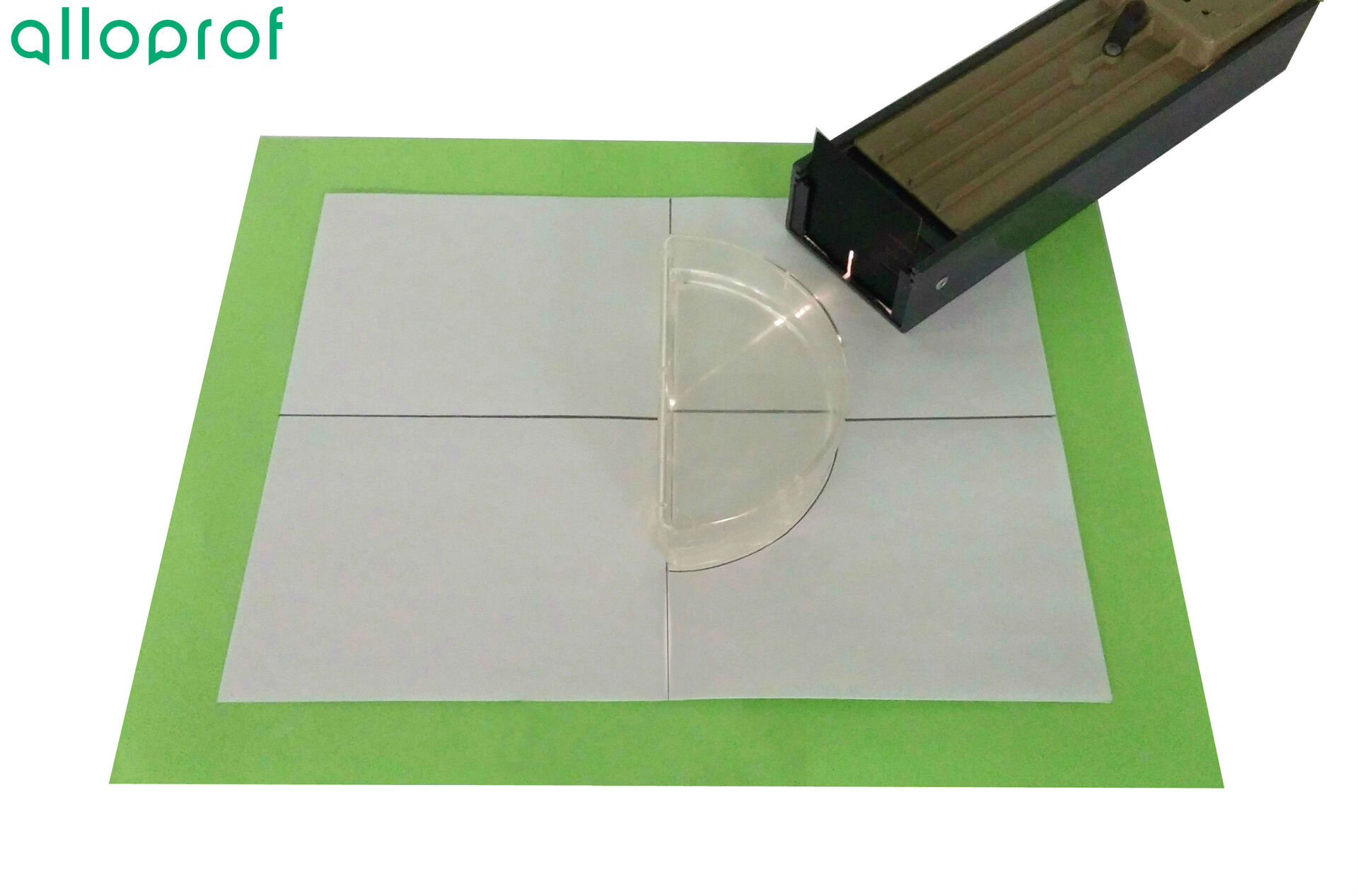 100%
100%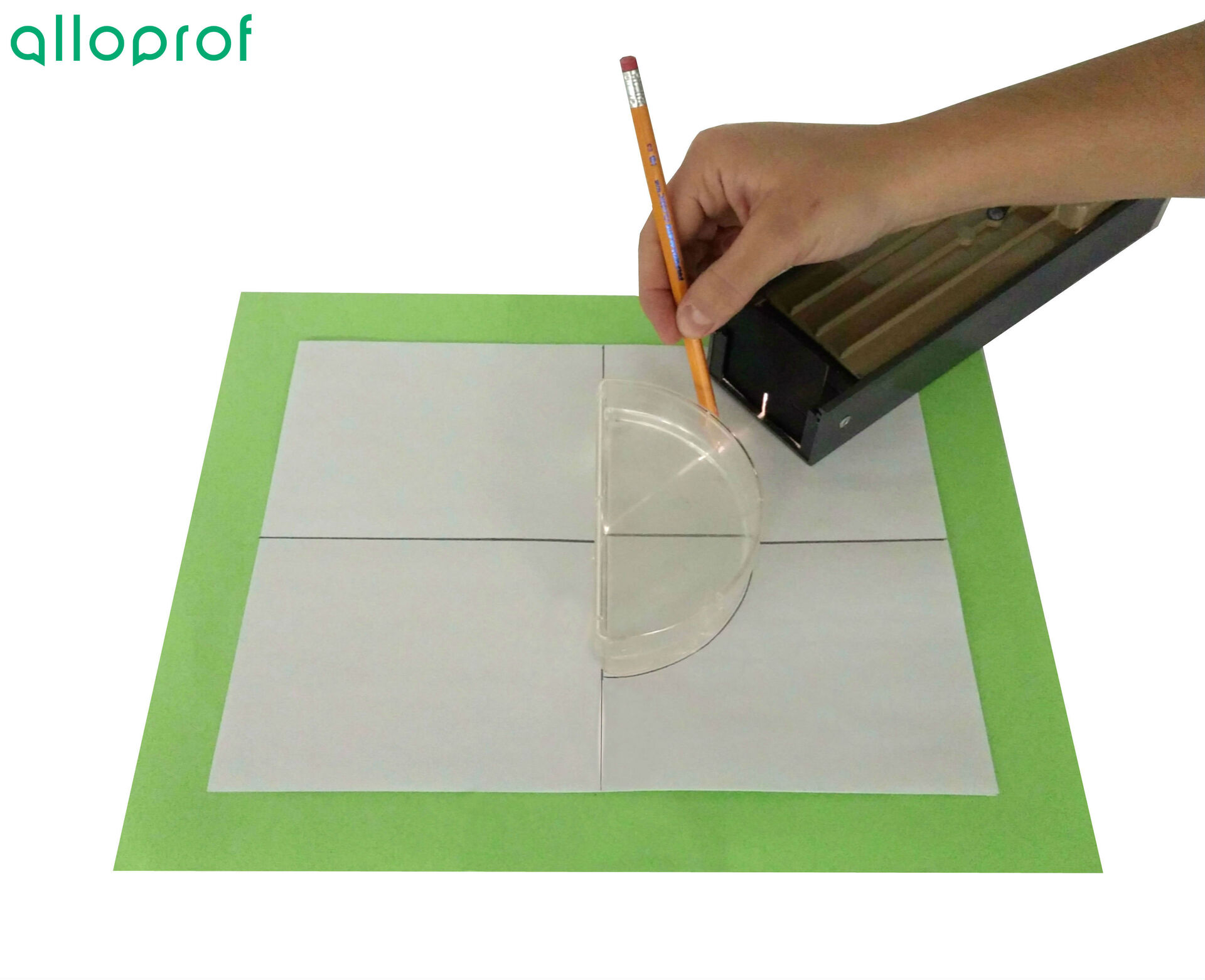 100%
100%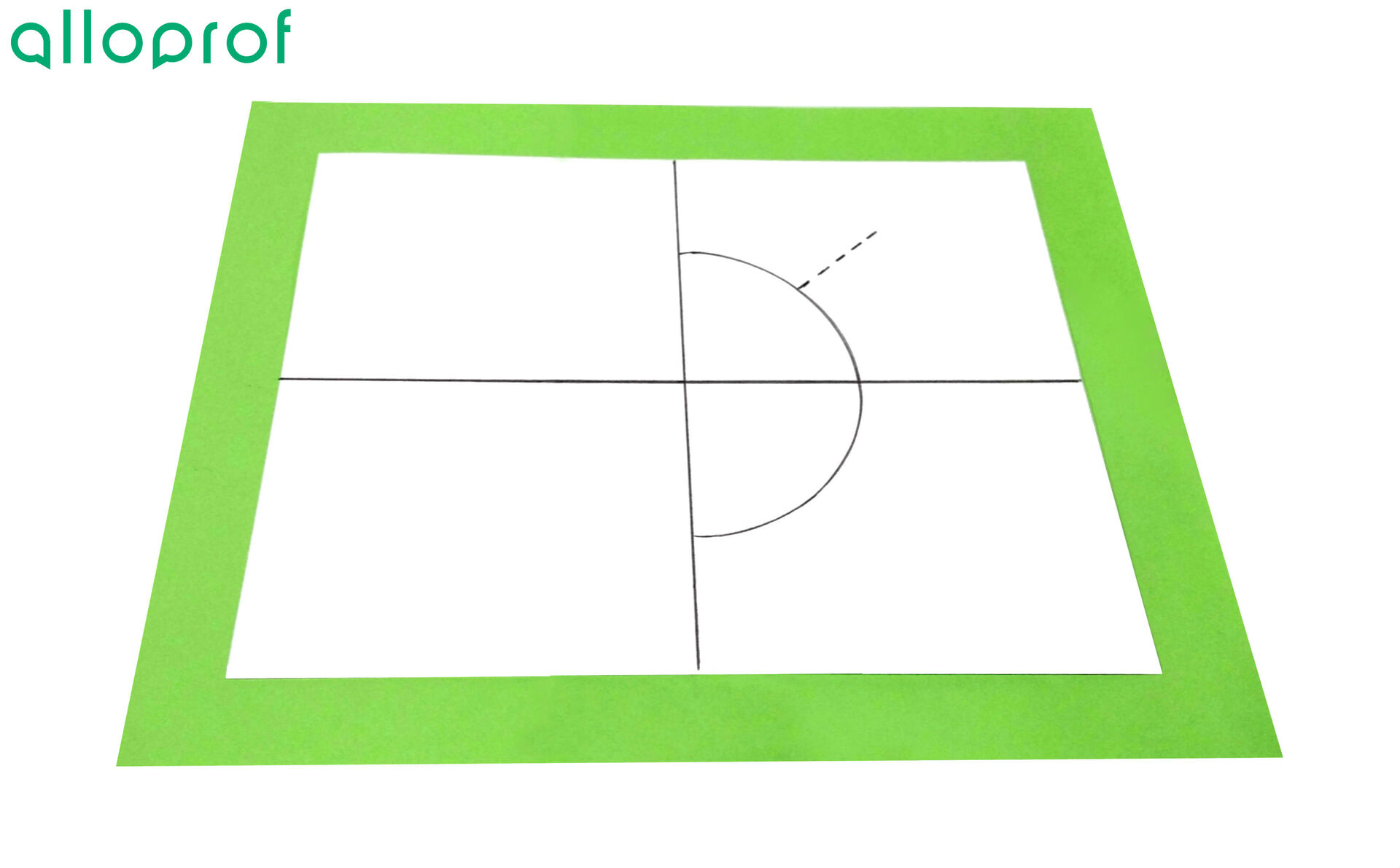 100%
100%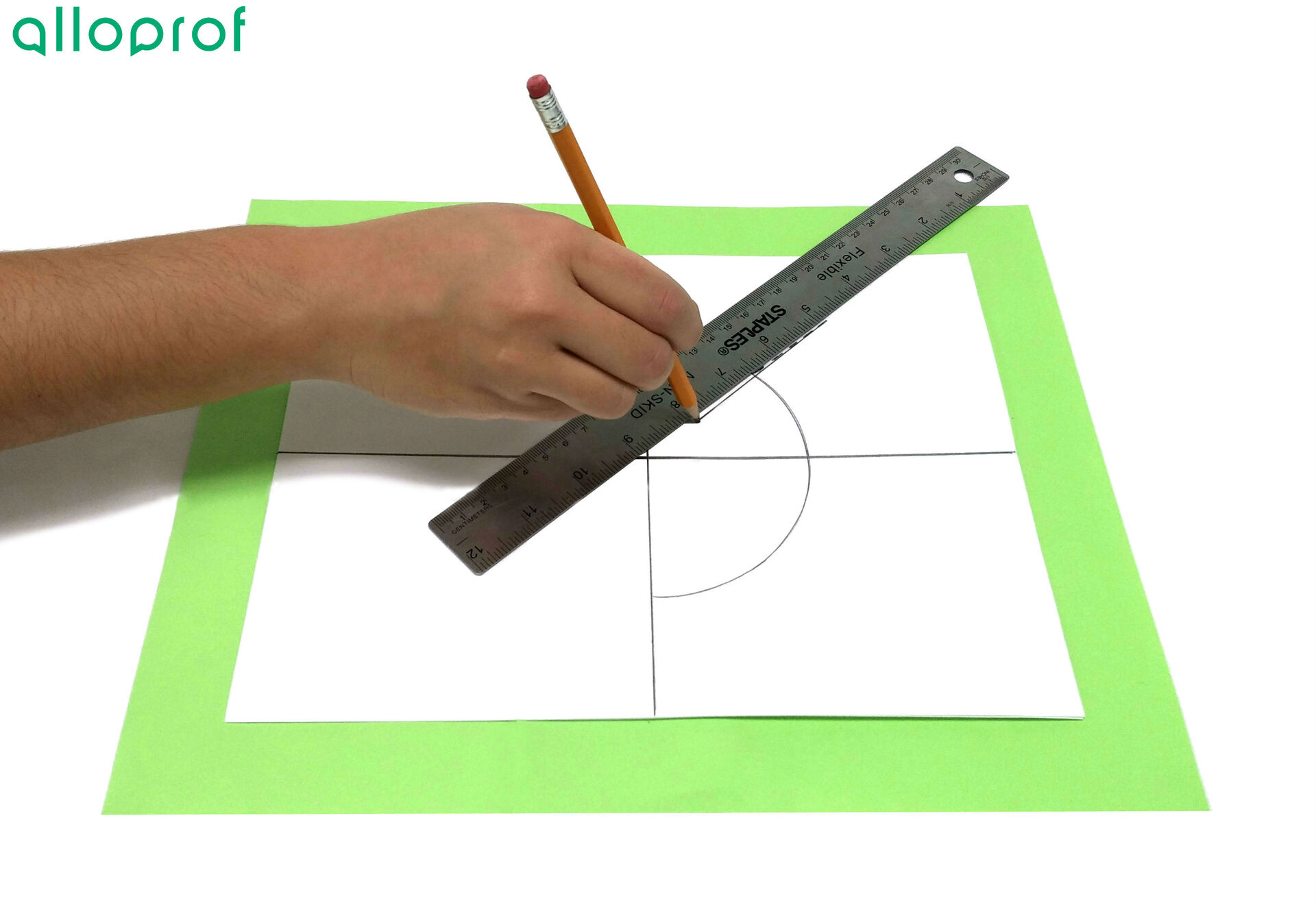 100%
100%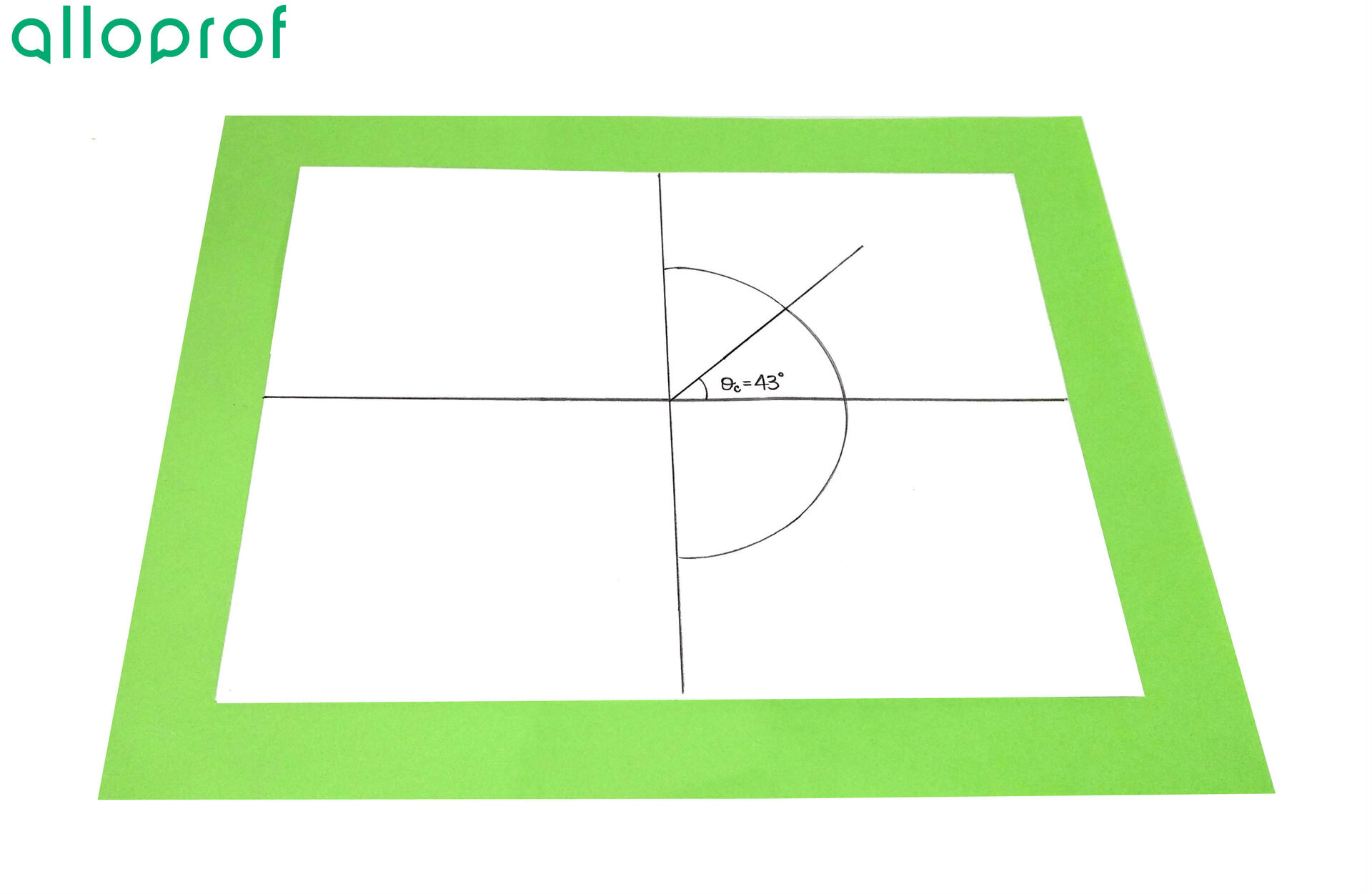
This concept sheet explains the steps to follow to find the critical angle of a substance.
The critical angle is the incident angle at which the ray is refracted at |90 ^{\circ}| in the refractive medium. For a critical angle to exist, the refractive index of the incident medium must be greater than that of the refracted medium. |(n_{1} > n_{2}),| and the angle of incidence must be greater than the critical angle |(\theta_{i} > \theta_{c}).|
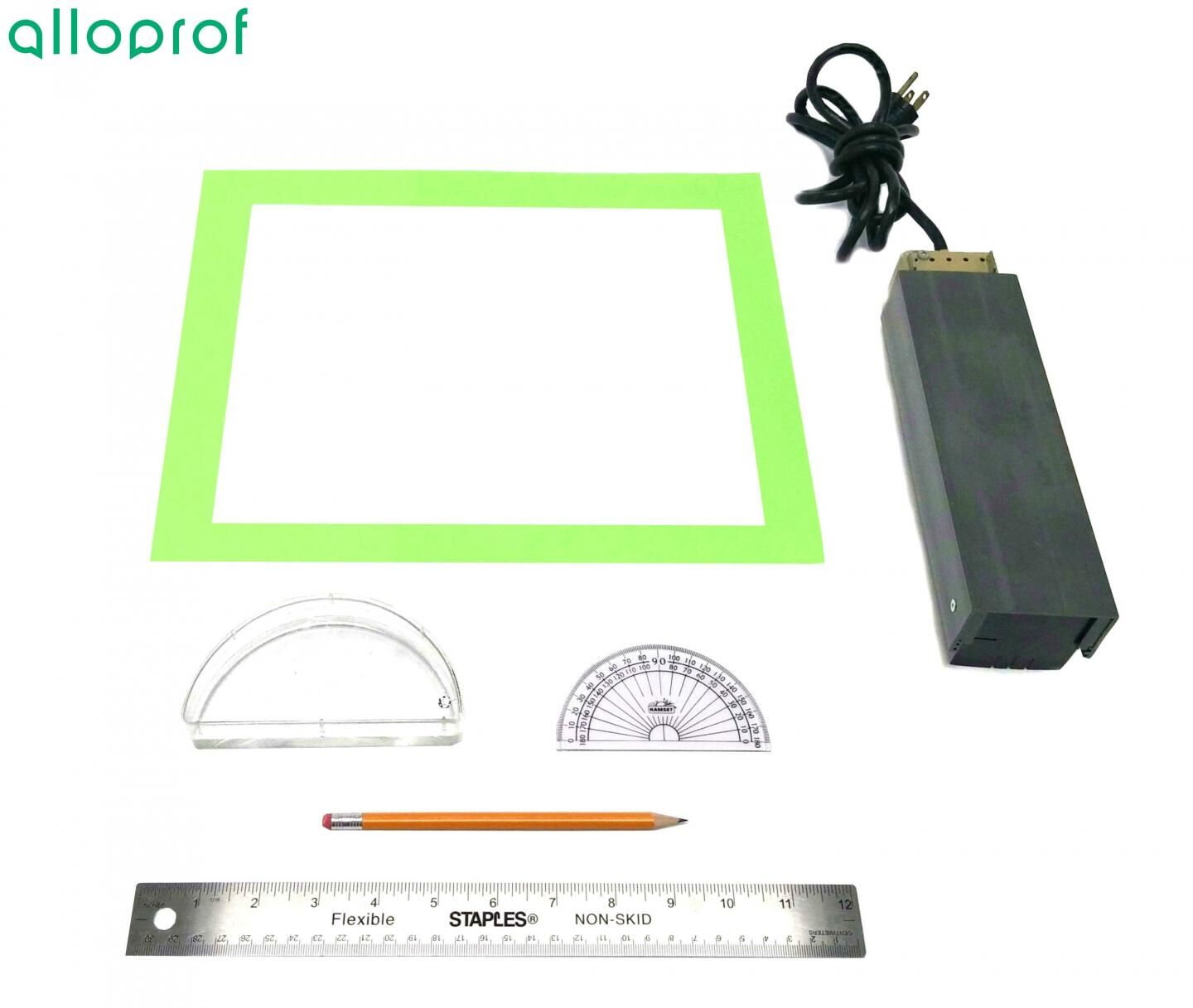
Ray box
Semi-circular basin
Substance to be identified
Sheet of paper
Protractor
Ruler
Pencil

1. Draw two perpendicular lines crossing each other in the centre of the sheet of paper.
2. Position the semi-circular basin containing the substance to be identified, making sure that the centre of the basin is centred with the normal.
3. Draw the outline of the basin on your sheet of paper.
4. Project the ray of the ray box onto the semi-circular surface of the basin along the normal. Make sure that the ray is directed towards the centre of the semi-circular basin.
5. Move the ray box until the refracted ray is parallel to the outside face of the basin.
6. Using a dotted line, draw the incident ray going towards the semi-circular side of the basin.
7. Remove the ray box and semi-circular basin from the paper.
8. Draw the incident ray which will join the centre of the semi-circular basin.
9. Using a protractor, determine the critical angle of incidence from the normal.
In this example, the critical angle is |43 ^{\circ}|.
10. Clean and put away the equipment.