Atmosphere - Secondary 1 and 2

Concept sheet | Science and Technology
Definition

The atmosphere refers to the gaseous envelope surrounding a celestial body (star, planet, natural satellite).

Almost all the stars in the solar system have an atmosphere, although this varies according to the gases that compose it. The Earth's atmosphere is essential for sustaining life on Earth.

Composition of the Atmosphere

The atmosphere is made up of several gases distributed in different proportions.
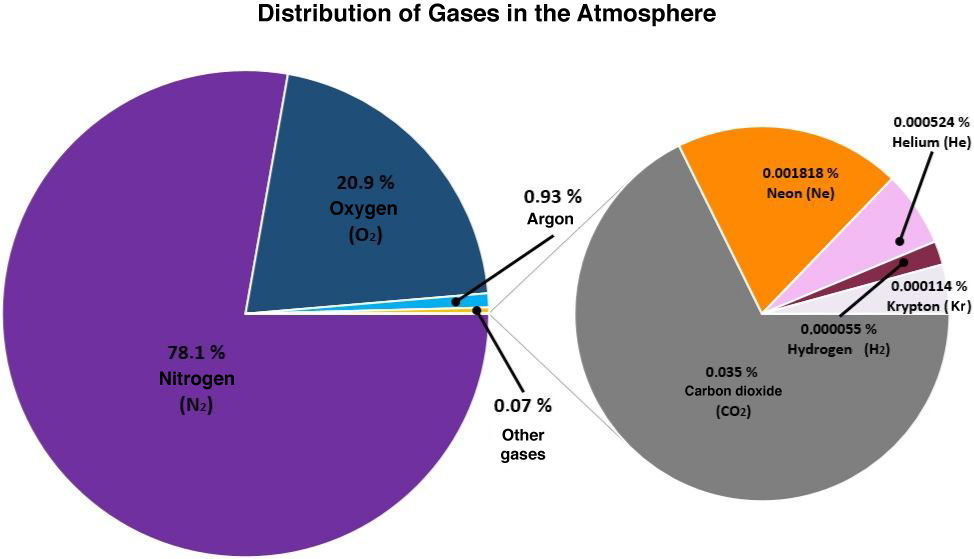
  • The most abundant component is nitrogen. This chemical element is essential to life since it is part of the composition of cellular membranes.
  • Oxygen is the second most important gas in the Earth's atmosphere. It is essential for life since it is part of the cellular respiration process. Its content in the atmosphere is maintained through the continuous supply of photosynthesis.
  • The remaining portion of the atmosphere is composed of a mixture of several gases including argon, carbon dioxide, helium, methane, and hydrogen.
Distribution of gases in the atmosphere

Atmospheric Layers of Planet Earth

The composition of gases in the Earth's atmosphere varies with altitude. In fact, due to the effect of gravity, the concentration of the air is higher in the lower parts of the atmosphere, and it becomes thinner further up. The exact thickness of the atmosphere is difficult to assess, since at high altitudes the presence of gases is so rare that it is impossible to determine where their presence ends. However, over the years, a lot of information has been collected about the different layers of the atmosphere. Here is a summary.

Image

Source

Altitude (thickness)

Layer

Characteristics

|500| km to ...
(over |9\ \500| km)

Exosphere

  • Space shuttles travel in this layer, which is at the edge of the Earth's atmosphere.

|85| to |500| km
(|415| km)

Thermosphere

  • Air is scarce.

  • The temperature increases with altitude, going from |-85| ºC to several hundred degrees Celsius.

  • Satellites are put into orbit here.

  • Northern (polar) lights occur here.

|50| to |85| km
(|35| km)

Mesosphere

  • Temperature decreases with altitude. It can drop to |-85| °C.

  • The phenomenon of shooting stars occurs in this layer: meteors from space ignite and burn up upon reaching the mesosphere.

|12| to |50| km
(|38| km)

Stratosphere

  • The temperature increases higher up in the stratosphere.

  • The ozone layer is found in the stratosphere.

  • About |9%| of the air is here.

  • Jet planes fly here, since there is less friction in the air.

|0| to |12| km
(|12| km)

Troposphere

  • This layer is closest to the ground. It is slightly thicker above the equator.

  • Almost |90%| of all the air in the atmosphere is found here.

  • Weather phenomena occur here (rain, snow, clouds, rainbows, etc.).

  • The temperature drops by about |10| °C per kilometre of altitude.

  • Airplanes fly at the top of the troposphere since the air is less dense here (fuel economy): it is the jet stream.

Relationship Between the Atmosphere and Human Activities

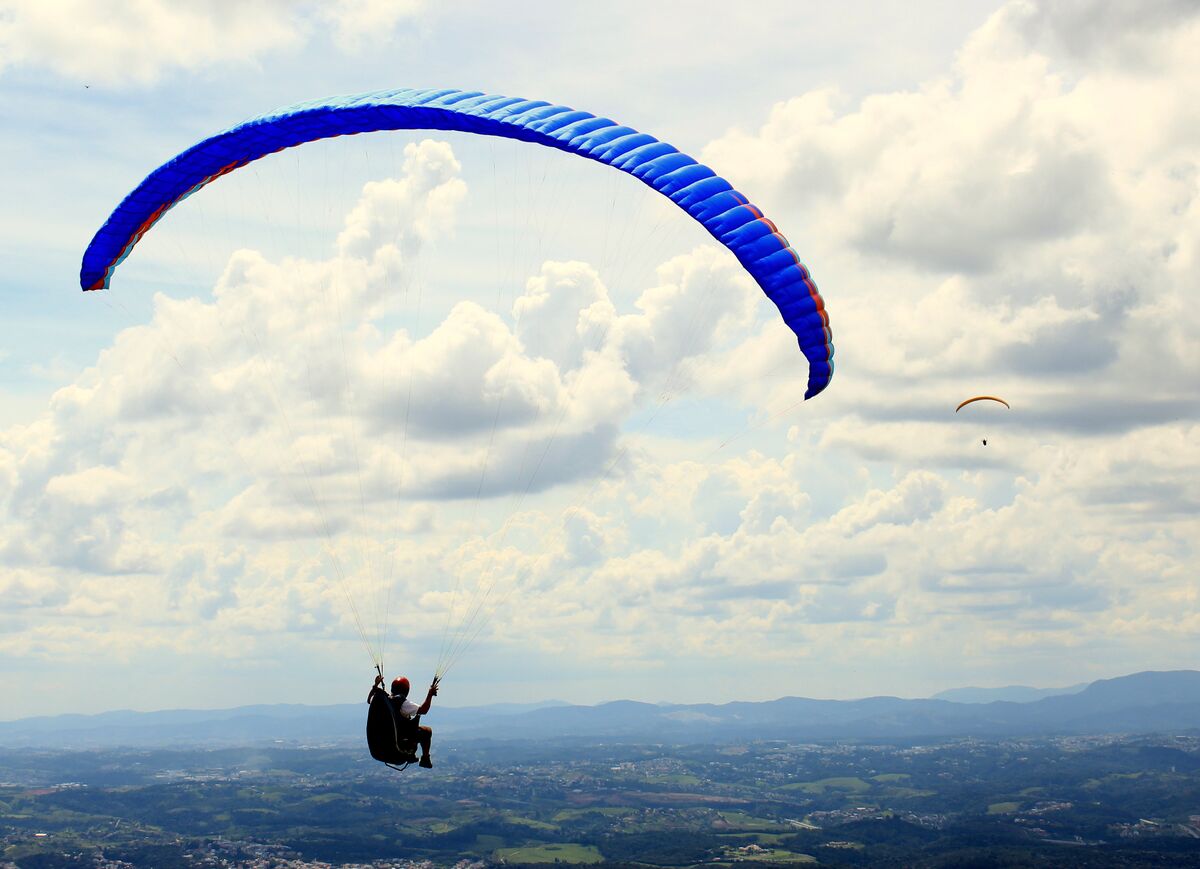
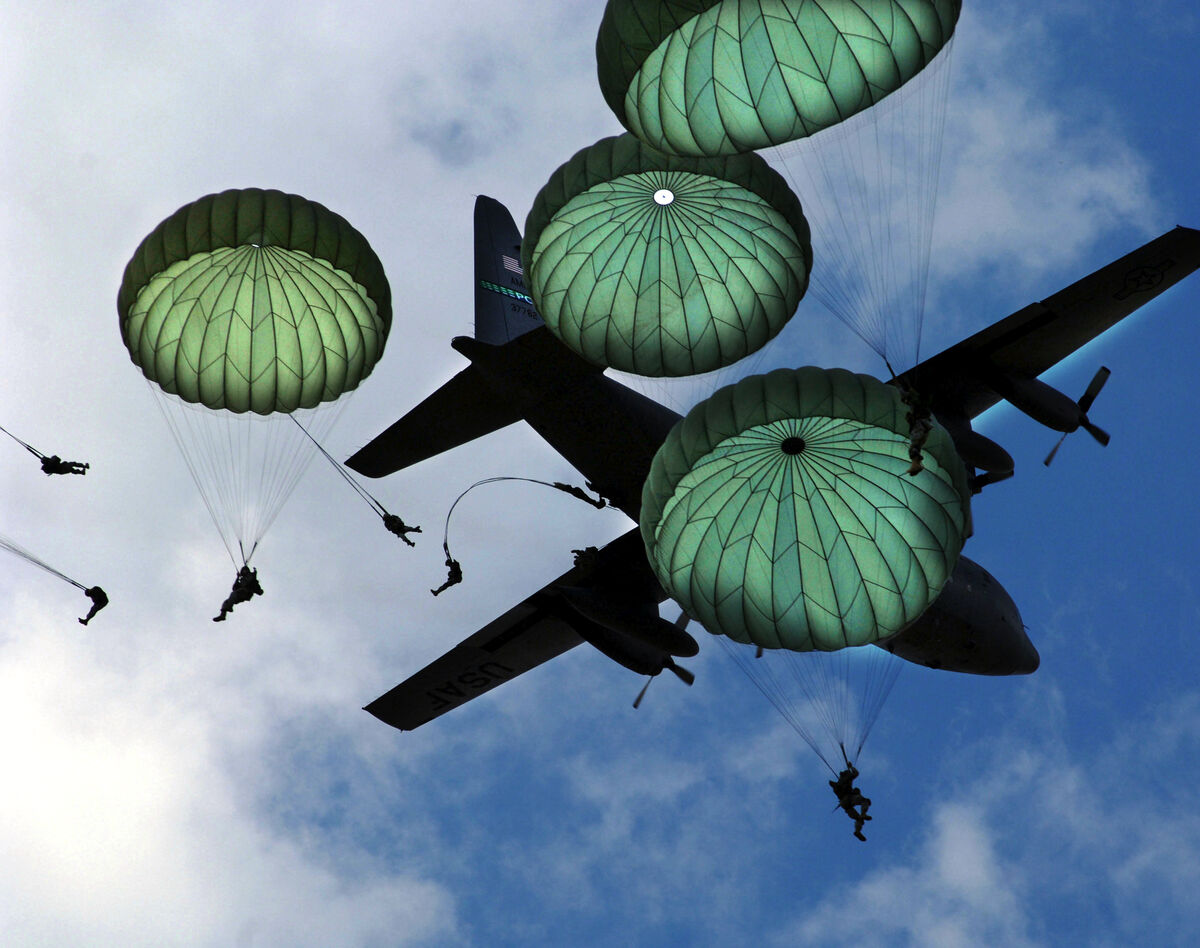
Humans make full use of the atmosphere to their advantage, especially the troposphere. They use it for leisure activities, such as paragliding or skydiving.

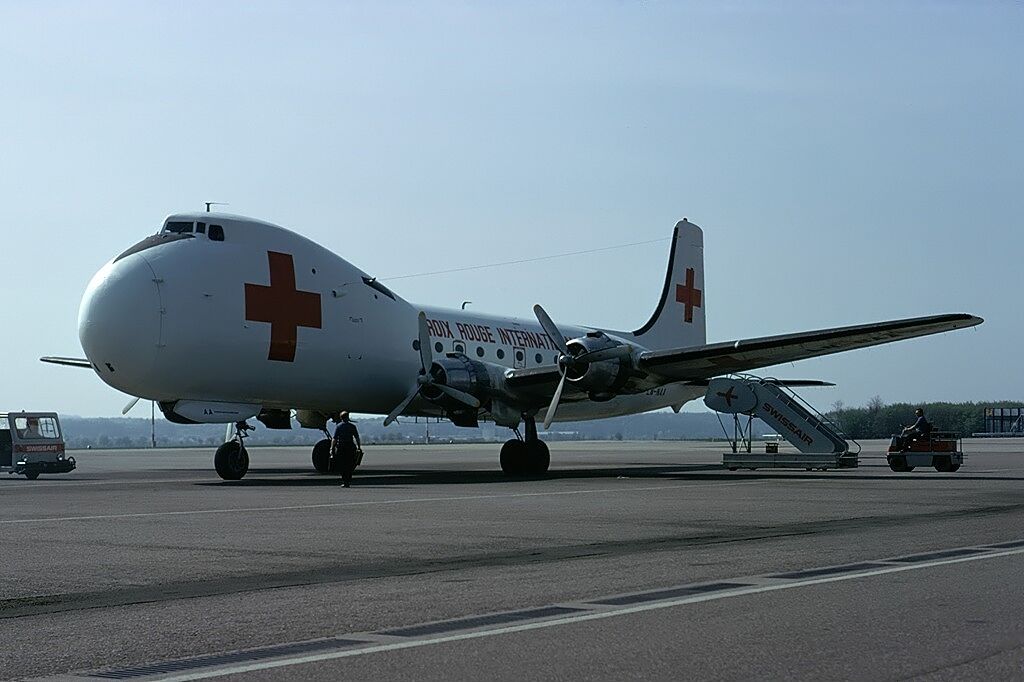
Humans also use the atmosphere for air transport.

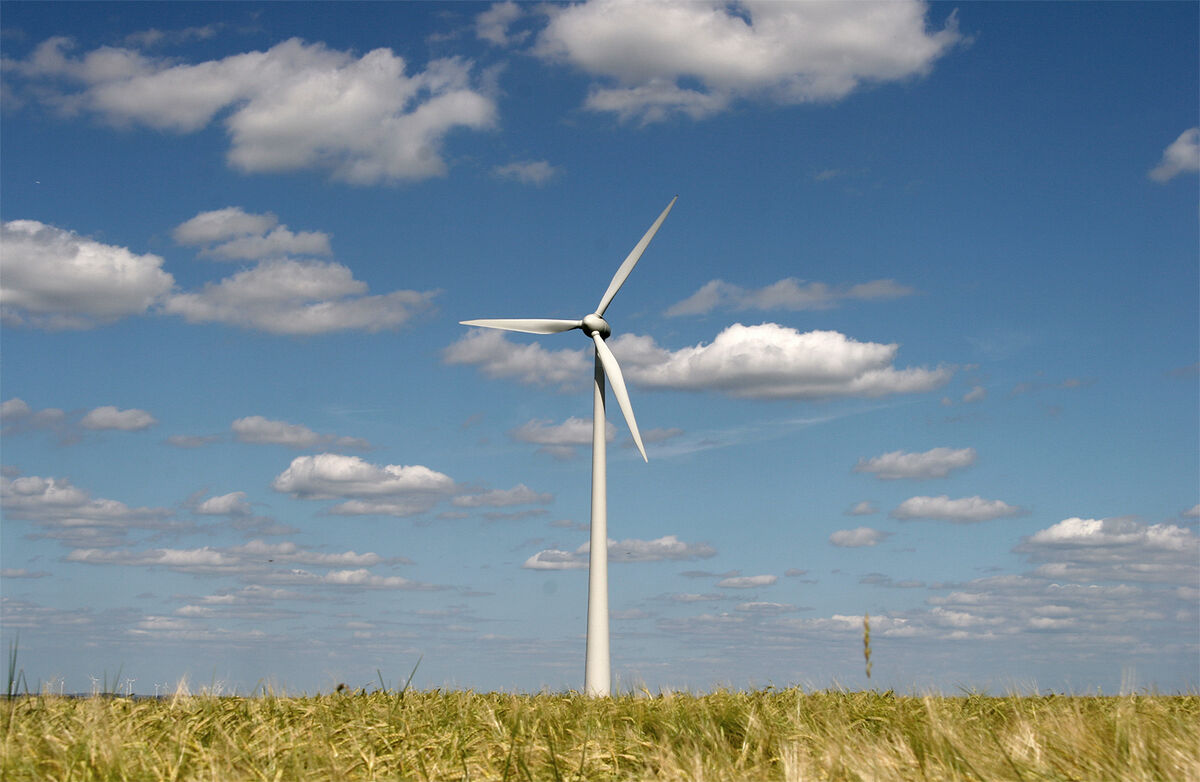
Finally, humans can produce electricity from natural resources in the atmosphere. For example, wind turbines convert the mechanical energy of the wind into electrical energy.