Subjects
Grades
 100%
100%
 100%
100% 100%
100% 100%
100% 100%
100% 100%
100% 100%
100% 100%
100% 100%
100% 100%
100% 100%
100% 100%
100% 100%
100% 100%
100% 100%
100% 100%
100% 100%
100%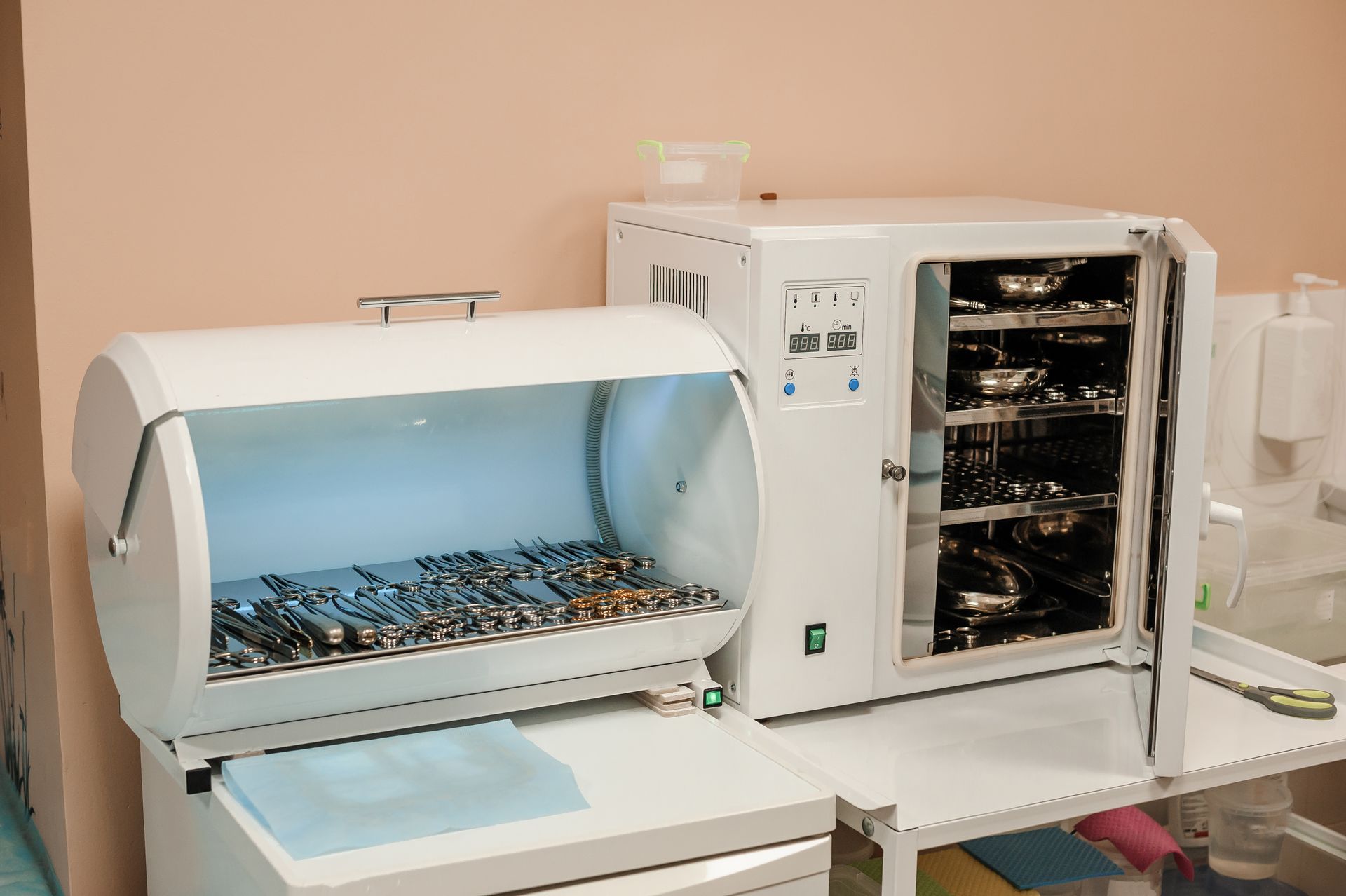 100%
100% 100%
100% 100%
100% 100%
100% 100%
100%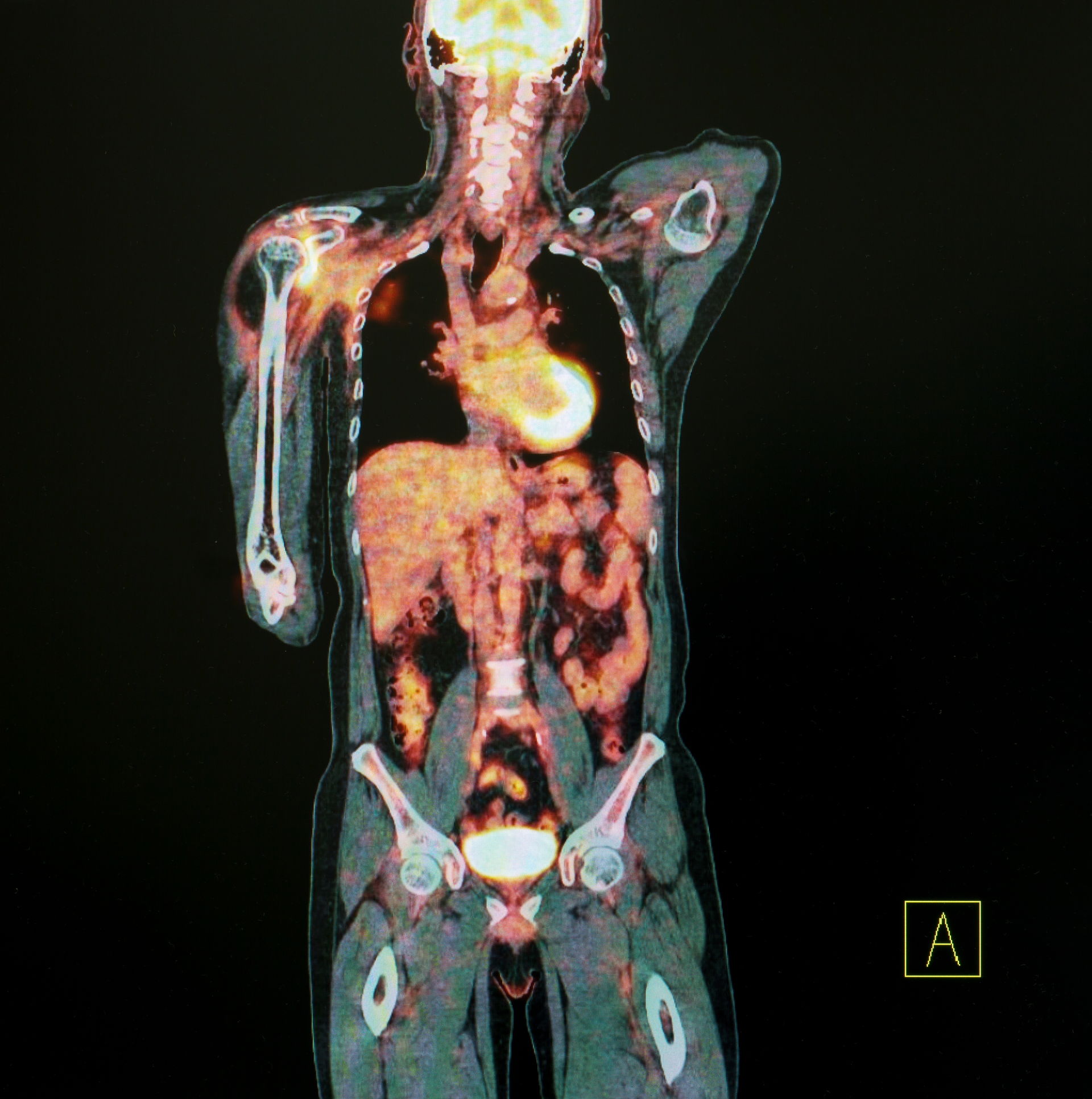
Sound waves, radio waves, and infrared rays are examples of waves that can be emitted even in our homes. They are part of our daily life.
Some disturbances are mechanical waves and others are electromagnetic waves.
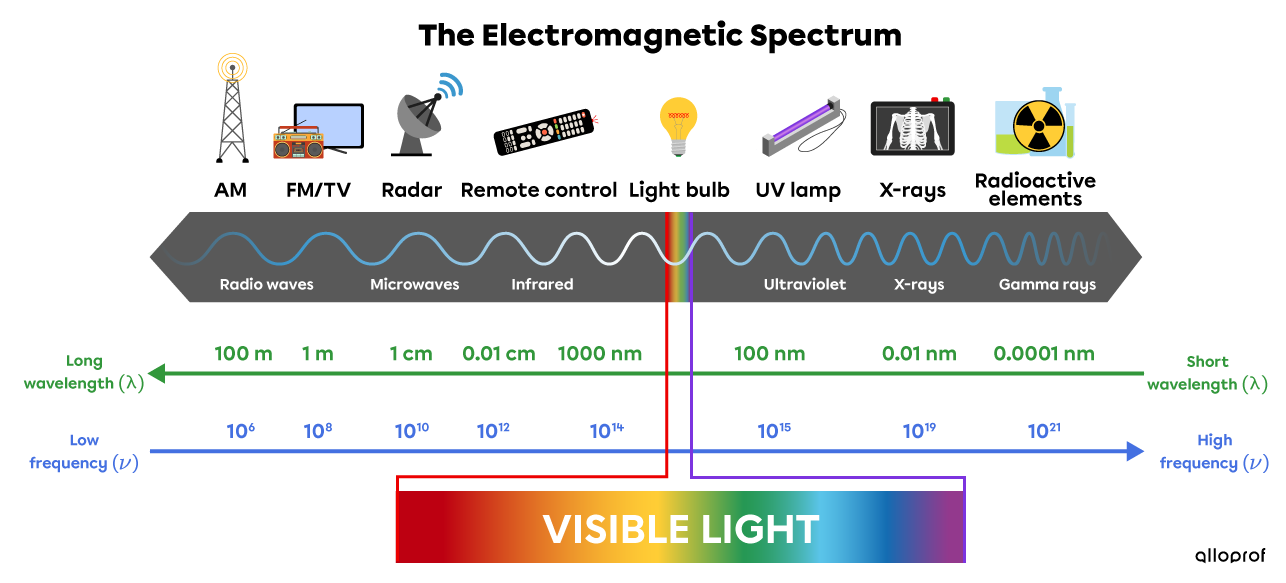
To better explain their characteristics, electromagnetic waves are listed and shown in the electromagnetic spectrum.

Sources of electromagnetic waves in a home
The electromagnetic spectrum classifies all the electromagnetic waves according to their wavelength and frequency.

The electromagnetic spectrum classifies electromagnetic waves according to wavelength and frequency. The longest wavelength is greater than |100\ \text{m},| while the shortest may be less than |0{.}000\,1\ \text{nm}.| This corresponds to frequencies ranging from approximately |10^6\ \text{Hz}| to |10^{21}\ \text{Hz}.|
The types of electromagnetic waves are the following.
The electromagnetic waves are subdivided according to their scope and correspond to a specific wavelength range.
Sound is not part of the electromagnetic spectrum, as it is a mechanical wave.
Radiofrequency waves, or radio waves, have the following properties:
low frequency ranging between approximately |10^6\ \text{Hz}| and |10^{11}\ \text{Hz};|
long wavelength ranging from several metres to |1\ \text{mm};|
transport very little energy.
The following examples show the different uses of radio waves.
A radio
Communication via walkie-talkies
Contactless payment (RFID technology)
Satellites
Microwaves are radio waves. They have the following properties:
low frequency ranging between approximately |10^{9}\ \text{Hz}| and |10^{11}\ \text{Hz};|
long wavelength ranging between approximately |30\ \text{cm}| and |1\ \text{mm};|
transport very little energy.
The following examples show different uses of microwaves.
Mobile telephones
Bluetooth technology in portable speakers
WiFi technology
A microwave oven
Infrared rays (or IR waves) wavelength is just below (infra) red-coloured light, which is how they got their name.
Infrared rays have the following properties:
low frequency ranging between approximately |10^{11}\ \text{Hz}| and |10^{14}\ \text{Hz};|
long wavelength ranging between approximately |5\ \text{mm}| and |1\ \text{μm}| (This margin changes depending on grading standards.);
transport more energy than radio waves.
Living organisms and inanimate objects spontaneously emit infrared waves in the form of heat.
The following examples show different uses of infrared waves.
Night vision goggles
Glass-ceramic cooking plate
Television remote control
Motion sensor doors
Visible light is radiation visible to the human eye. The wavelength of visible radiation corresponds to the colours red, orange, yellow, green, blue, and violet.
Spectrum of visible light
Visible rays have the following properties:
low frequency ranging between approximately |10^{14}\ \text{Hz}| and |10^{15}\ \text{Hz};|
long wavelength ranging between approximately |700| and |400\ \text{nm};|
transport more energy than infrared rays.
Vision is a sense that differs greatly from one animal species to another. Some animals are able to perceive more types of wavelengths than humans, while others perceive less.

Bees’ vision
Bees are able to see UV rays, so they can better distinguish between different flowers.

Mosquitoes’ vision
Female mosquitoes can see infrared radiation and use it to choose their prey.

Dogs’ vision
A dog’s colour vision is limited. They can only distinguish between shades of yellow and blue, and the images they see are less saturated.

Parrots’ vision
Parrots can also see ultraviolet rays. It allows them to move better in their environment.
Here are some uses of visible light.
A camera
Traffic lights and the lighting on streets and buildings
Ultraviolet rays (or UV waves) wavelength is just above (ultra) the colour violet, which is how they got their name.
UV rays have the following properties:
high frequency of approximately |10^{15}\ \text{Hz};|
short wavelength ranging between approximately |400\ \text{nm} | and |100\ \text{nm};|
transport a lot of energy.
Ultraviolet waves are essential for life and allow plants to carry out photosynthesis. In addition, UV rays enable the human body to synthesize vitamin D, an essential nutrient for the proper functioning of the nervous, musculoskeletal, and immune systems.
However, excessive exposure to UV rays can be dangerous for your health. In fact, in the long term, it can cause genetic mutations, skin burns, and even cancer (due to radiation). It is important to protect ourselves by limiting our exposure (by wearing long clothing, sunglasses, sunscreen, etc.).
The following examples illustrate different uses of UV rays.
Sterilization of surgical instruments
UV lamp for drying nail polish
X-rays have the following properties:
high frequency ranging between approximately |10^{16}| and |10^{19}\ \text{Hz};|
short wavelength ranging between approximately |10^{-8}\ \text{m}| and |10^{-11}\ \text{m};|
transport a lot of energy.
Since X-rays can penetrate low density matter, they are commonly used in medical imaging. X-rays easily pass through the soft tissues of the body, while the bone tissues absorb most of the radiation. Since the bones are placed between the radiation source and the photographic film, they expose areas where the film is less defined, enabling bone structures to be viewed.
Since X-rays carry a lot of energy, they can be dangerous for our health. In fact, long term, they can cause skin burns, even cancer. It is why professionals who handle X-ray emitting devices protect themselves with a lead vest.
X-ray of a patient's skull
Luggage scanner
Gamma rays |(\gamma)| have the following properties:
high frequency usually higher than |10^{17}\ \text{Hz};|
short wavelength often less than |10^{-9}\ \text{m};|
transport a lot of energy.
Like X-rays, gamma rays have the ability to penetrate low density matter, so they are used in the field of medical imaging.
They are usually produced by the degradation of radioactive substances. The Sun and many other massive stars naturally emit gamma rays, but the rays are largely filtered by the Earth's atmosphere.
A gamma-ray telescope used to the study of black holes and other stars emitting gamma rays
Positron emission tomography (PET)