Subjects
Grades
Matter can be in the form of a pure substance or in the form of a mixture.
Mixtures are obtained when two or more substances are combined. They can be homogeneous or heterogeneous.
A heterogeneous mixture is a mixture in which several components can be identified with the naked eye or under a microscope.
Heterogeneous mixtures have the following characteristics:
They have more than one visible phase. These phases are generally gaseous, liquid, or solid.
The substances in these mixtures are not uniformly distributed.
The properties are not identical at any point.
This heterogeneous mixture comprises two visible phases: water and oil. The phase comprising water (aqueous phase) does not have the same properties as the oily phase. For example, oil has a lower density than water, which explains why it floats on water.
In addition, the particles of this mixture are distributed non-uniformly.
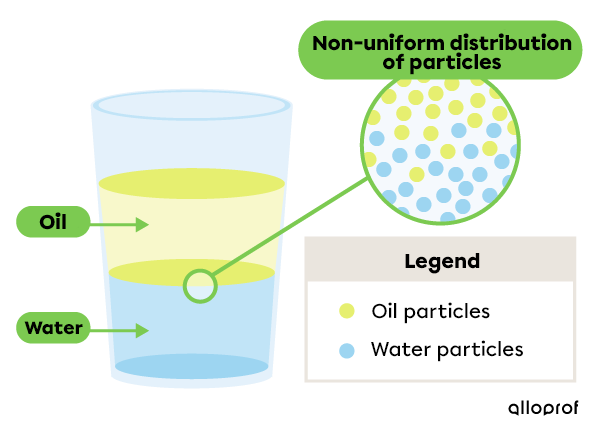
A heterogeneous mixture of water and oil
When two substances cannot mix at all, they are said to be immiscible. Thus, water and oil are immiscible, which means that oil is not soluble in water.
Ramen soup is a heterogeneous mixture. It has several visible phases. For example, the soup base is in a liquid state, while the meat is in a solid state.

Ramen soup
Carbonated water is a heterogeneous mixture that includes water, minerals, carbon dioxide (gas bubbles), and other ingredients.
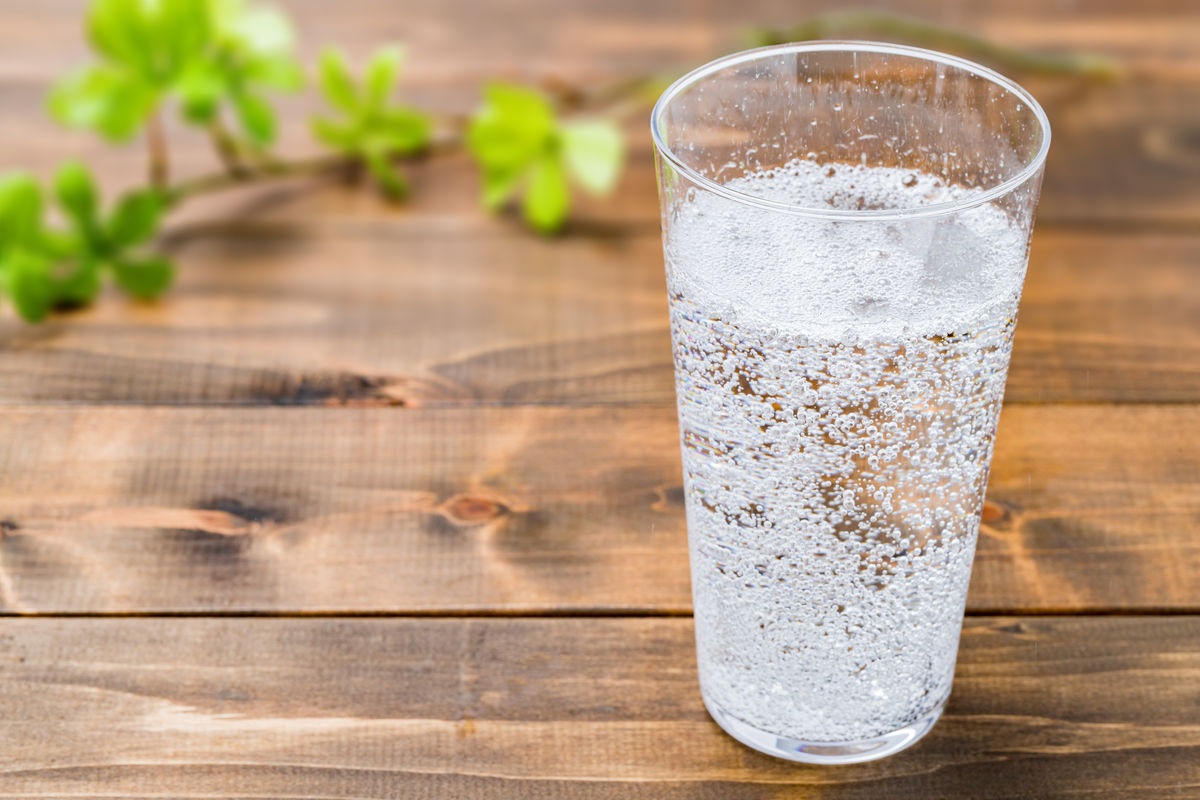
Sparkling water
In this mixture of nuts, we can easily identify almonds, pistachios, cashews, and pecans. Since we can identify four solid phases, this is a heterogeneous mixture.
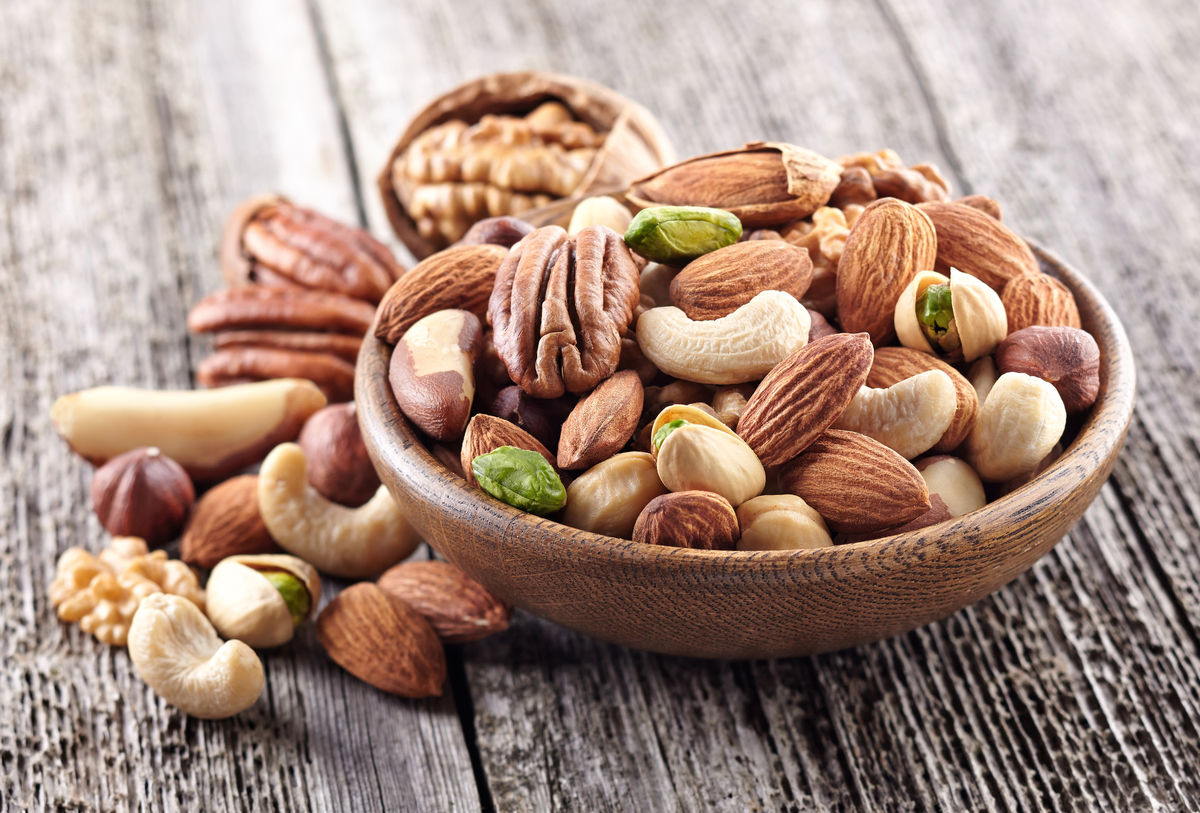
Mixture of nuts
A humic soil is a heterogeneous mixture comprising several solid phases. Indeed, it contains a variety of organic and mineral matter. Certain components of the soil can be identified by observing it closely.

Humic soil
A homogeneous mixture is a mixture in which the constituent substances cannot be identified.
Homogeneous mixtures have the following characteristics:
They have a single visible phase. This phase is generally in the gaseous, liquid, or solid state.
The substances are evenly distributed in these mixtures.
The properties of the mixture are identical at all points of the mixture since the particles are distributed uniformly.
Sugar water is made up of water and sugar. When these two substances are mixed together, the sugar cannot be identified. Only one phase is visible.
The sugar particles are evenly distributed in the water. Therefore, the properties of sugar water are the same in the middle of the glass and in the bottom of the glass. For example, sugar water has a uniform density throughout the mixture.
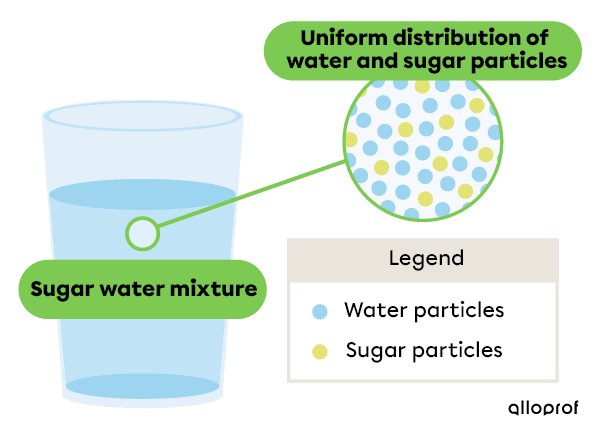
Homogeneous mixture of water and sugar
Since substances mix uniformly in a homogeneous mixture, these substances are said to be miscible. Thus, sugar and water are miscible, which means that sugar is soluble in water.
Sulphuric acid and water mix to form a homogeneous liquid mixture.
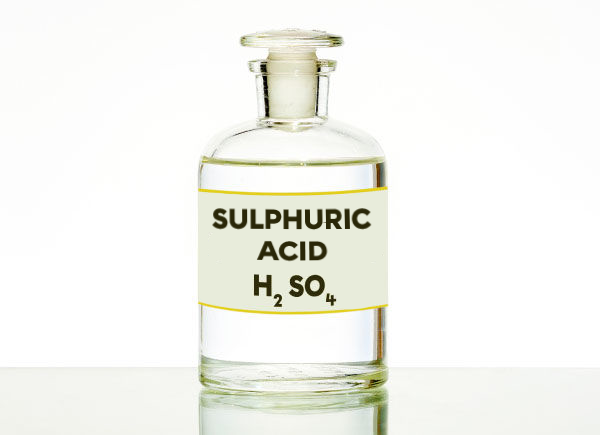
An aqueous solution of sulphuric acid
Essential oils are oils extracted from various plants. They are a homogeneous mixture comprising different substances found in plants.

Essential oils
Diamonds are pure, colourless substances. When they contain impurities, they can be coloured.
For example, blue diamonds are solid homogeneous mixtures composed mainly of carbon, but also of boron.

Blue diamonds
Steel is an alloy of iron, carbon, and sometimes other metals. This mixture is homogeneous since there is only one visible phase.

Steel pans
In scuba diving, divers are equipped with compressed air cylinders. Air is a homogeneous gaseous mixture composed of nitrogen, oxygen, and other substances. We can also say that it is a gaseous solution.

Compressed air cylinders
A solution is a homogeneous mixture. However, a saturated solution is a heterogeneous mixture. For example, salt is soluble in water. However, when we add too much salt to the water, it ends up no longer dissolving. The mixture is, therefore, salt water with a deposit of salt at the bottom. This saturated solution has two visible phases: the mixture is, therefore, heterogeneous.