The Properties of Matter

Concept sheet | Science and Technology
Definition

A property of matter is a characteristic specific to a substance or group of substances.

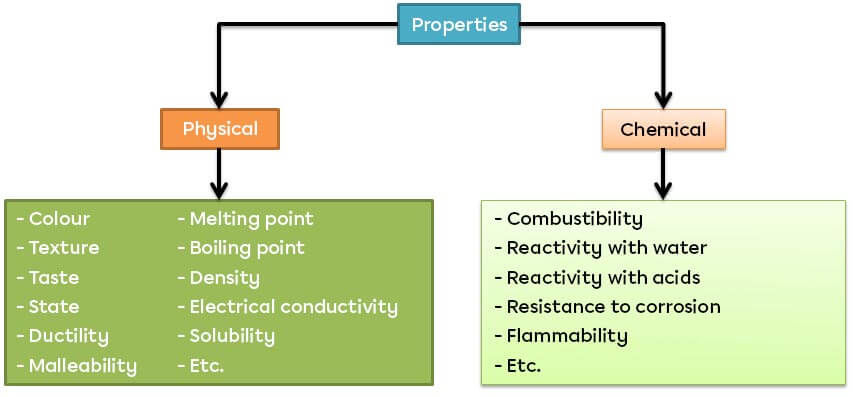
A property is either a physical or a chemical characteristic. A physical property occurs or is observed without changing the nature of the substance. A chemical property describes the behaviour of a substance when it undergoes a chemical reaction.

Properties of matter can be categorized as physical or chemical properties.

A property can be characteristic or non-characteristic. Non-characteristic properties can describe several substances while characteristic properties are specific to one substance.

The human body contains numerous mixtures, many of which are solutions. Their properties are very interesting to study.

Video

The Properties of Matter

The Properties of Matter

Moments in the video:

  • 00:00-Properties
  • 00:31-Non-characteristic properties
  • 01:44-Characteristic properties

Non-Characteristic properties

Definition

Non-characteristic properties are not specific to a substance.

This type of property cannot be used to identify a substance, determine its use or predict its effect on the environment.

There are many non-characteristic properties:

Only characteristic properties can be used to identify a substance.

Characteristic Properties

Definition

A characteristic property can be used to differentiate a substance or a group of substances.

In everyday life, a substance can be described by its mass, volume or temperature. For example, when someone is thirsty, they might buy 1 L of liquid to drink. However, without specifying if the liquid is water, milk or a soft drink, the volume is not helpful in determining what type of beverage it is.

To accurately identify a substance, it is important to know the specific properties that do not change. For example, water always boils at 100°C no matter the amount. Using characteristic properties, it is possible to:

  • Identify a substance or an object.

  • Determine how to use a substance or an object.

  • Predict the effect of a substance or an object on the environment.

There are two categories of characteristic properties. Physical characteristic properties can be qualitative (observable using the senses) or quantitative (accurately measured using instruments). Chemical characteristic properties refer to the reaction of a substance when it comes into contact with another substance.

Many reference books and specialized websites contain data identifying the characteristic properties of various substances. This allows for an unknown substance to be identified by comparing its measured values with its theoretical values. Substances can be very similar, sometimes with only one characteristic that differs. 

Substances Examples of characteristic properties
 
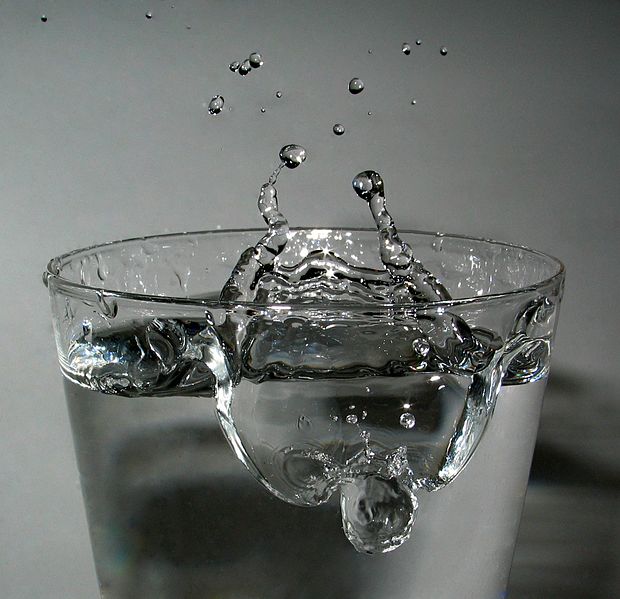
Water (Source)
  • Melting point: 0°C
  • Boiling point: 100°C
  • Density: 1.0 g/cm3
  • Thermal conductivity: medium to low
  • Electrical conductivity: low
  • Acidity/alkalinity: neutral (pH = 7)
 
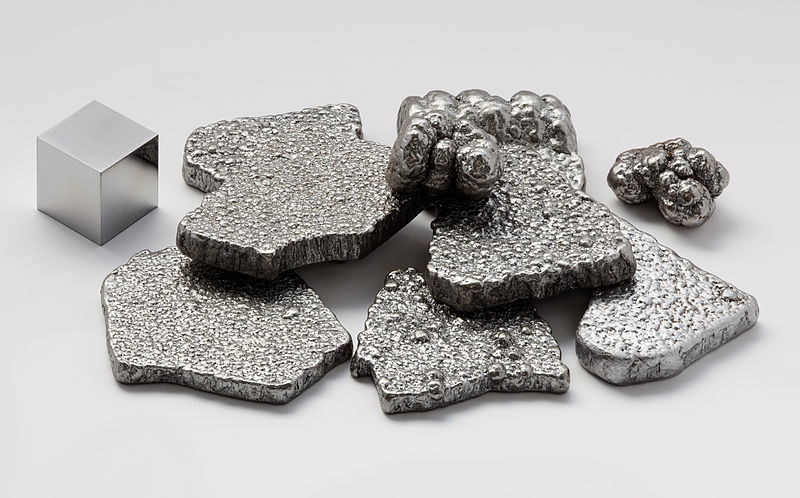
Iron (Source)
  • Melting point: 1 538°C
  • Boiling point: 2 861°C
  • Density: 7.9 g/cm3
  • Thermal conductivity: high
  • Electrical conductivity: high
  • Soluble in acidic solutions
Example

A substance is a transparent solid. Transparency is a non-characteristic property of this substance, because it cannot be used to determine whether the substance is ice, glass or plastic. However, if it is known that the substance has a melting point of 0°C and a boiling point of 100°C, it can be concluded with certainty that the substance is ice (water). Therefore, the melting point and boiling point are characteristic properties.

Example

To identify a criminal from a composite sketch and fingerprints taken at a crime scene, the clues in the composite sketch must be identified first. There are physical properties to identify, such as hair colour, facial features, presence or absence of scars, jewelry or tattoos.

However, identifying a criminal by whether or not they were wearing jewelry is an unreliable method. It is important to use reliable methods, such as DNA sample analysis and fingerprints from the crime scene, and compare them with databases. These reliable methods are characteristic properties because they are unique to one person.

Find out more!

Characteristic properties are used both in science and technology. When selecting a material to use in the manufacturing of a technical object, it is important to consider the material’s properties to make sure it is suitable for the constraints it will face. These are a material’s mechanical properties. To find out more, refer to the following concept sheet: 

Mechanical Properties of Materials


Some Properties for Elementary Students to Know

Shape

Definition

Shape is how matter appears or the way a substance occupies space (cube, pyramid, sphere, etc.).

Example

Water is a liquid that takes the shape of a glass.

This rock is shaped like a cube.

A cube.

Size

Definition

Size is the height, width and length of a living being or object.

Example

The Eiffel Tower is 324 metres high and 124.90 metres wide.

Absorption

Definition

Absorption is the act of absorbing. In other words, it is a substance’s ability to retain another substance.

Example

A sponge absorbs water.

Permeability and Impermeability

Definition

If a substance is permeable, it can be penetrated by another substance.

Example

Concrete is permeable because it allows water to pass through it.

Definition

If a substance is impermeable, it will not let other substances through.

Example

A raincoat keeps water out and keeps a person dry.

Transparency

Definition

If a substance is transparent, it allows light to pass through so a person can see clearly through that substance.

The opposite of transparency is opacity.

Example

The glass in a window is transparent; it is possible to see through it. A window frame is opaque and does not let light through.

The window is made of transparent glass to let light in.

This glass is partially transparent, or translucent; it is impossible to see clearly through it.

Buoyancy

Definition

Buoyancy is the ability to float on the surface of a liquid, and it depends on the density of the substances in question.

Example

A boat floats on water.

A boat floats in a body of water.

Oil has a lower density than water, so it floats on the water’s surface.