Subjects
Grades
 100%
100%
 100%
100% 100%
100%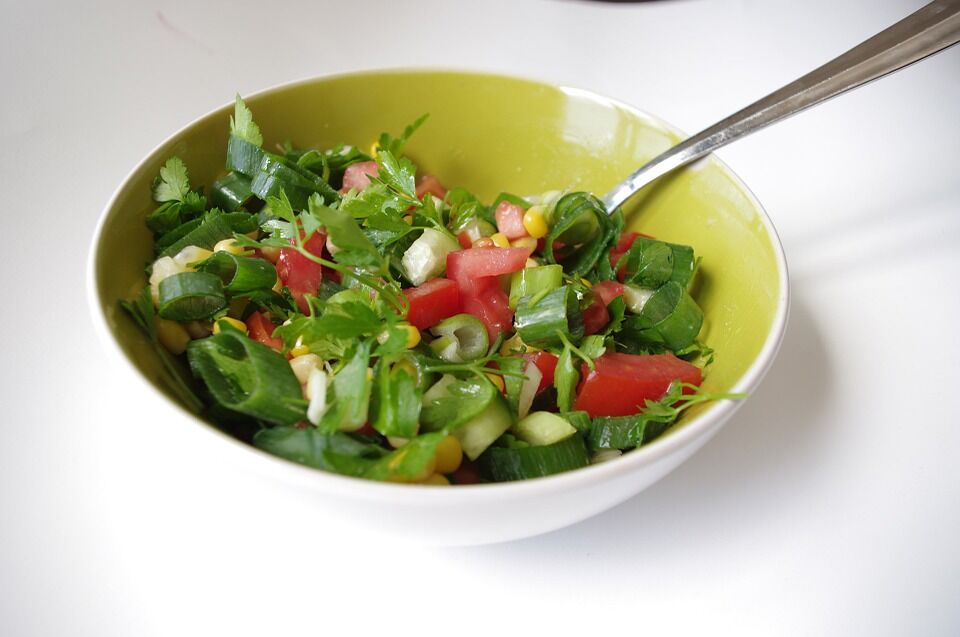 100%
100%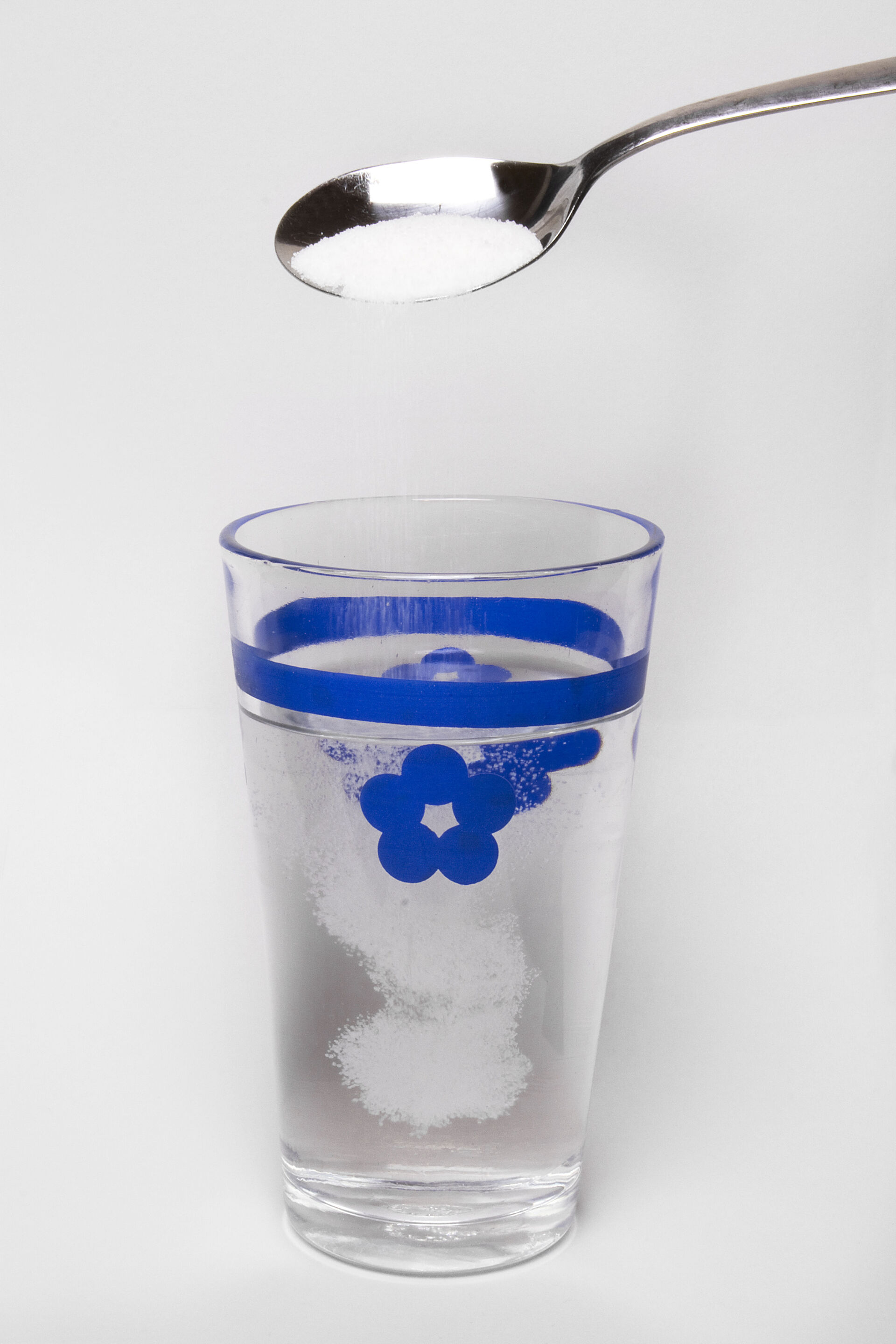 100%
100%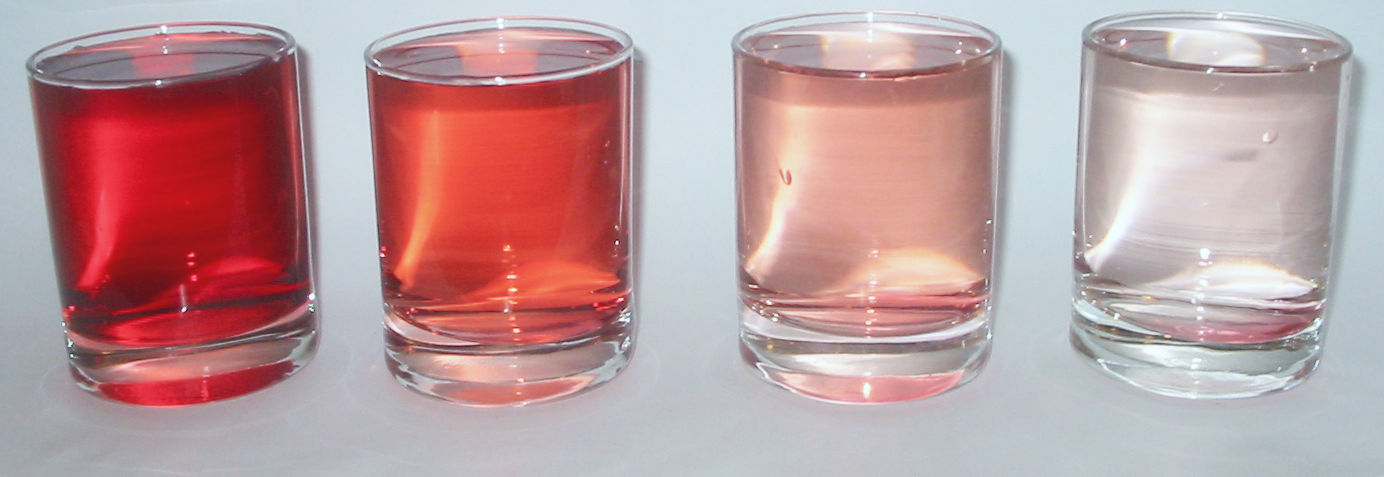
Physical changes do not alter the nature or characteristic properties of matter. The properties of matter are the same before and after the change.
When a physical change occurs, the substance retains the properties it had at the beginning. The molecules involved in the change remain intact.
Physical changes fall into three categories: Changes of Shape, Changes of State, and Preparing and Separating Mixtures.
When applying a force or a constraint to a substance, a change of shape occurs. The change of shape can cause the object to deform (when the object is folded, laminated, or placed into a mold) or to break (when the object is torn, sawed, or shredded). However, regardless of the constraint applied, the properties of the object remain the same.
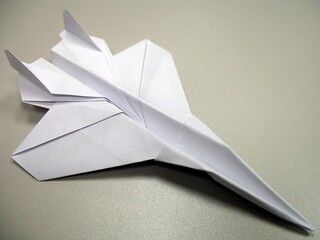
A sheet of paper is folded to make an airplane. The paper retains the same properties as before it was folded.
When a substance undergoes a change in temperature or pressure, it can undergo a change of state (phase). This means that it can pass from an initial physical state (solid, liquid, gas) to another state. The substance, although having undergone a change of state, retains the same properties it had before the change.
During spring, water changes from a solid state to a liquid state due to the rise in temperature.
When several substances are mixed together, each substance retains its initial properties.
Lettuce, tomatoes, and vinaigrette form a salad that is a heterogeneous mixture.
The same applies to dissolution or dilution. When a solid is dissolved in water, the molecules of the solid will position themselves between the water molecules. Therefore, no change in the molecules of either the solid or the water takes place.
Dissolving sugar in water results in the production of a mixture.
When diluting a substance, water is added to decrease its concentration. There is no modification of the molecules.
By adding water to the original solution, the final solution is less concentrated than the one prepared initially.
