Subjects
Grades
 100%
100%
 100%
100%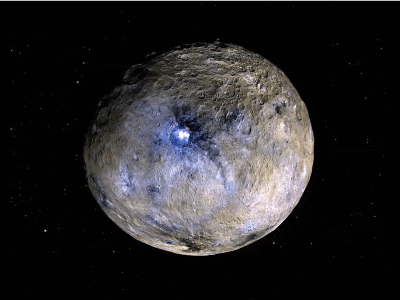 100%
100%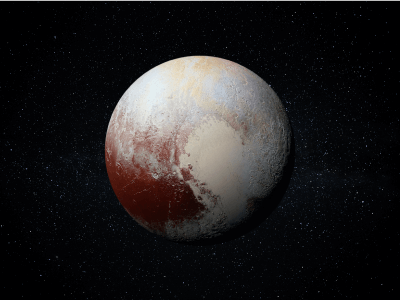 100%
100%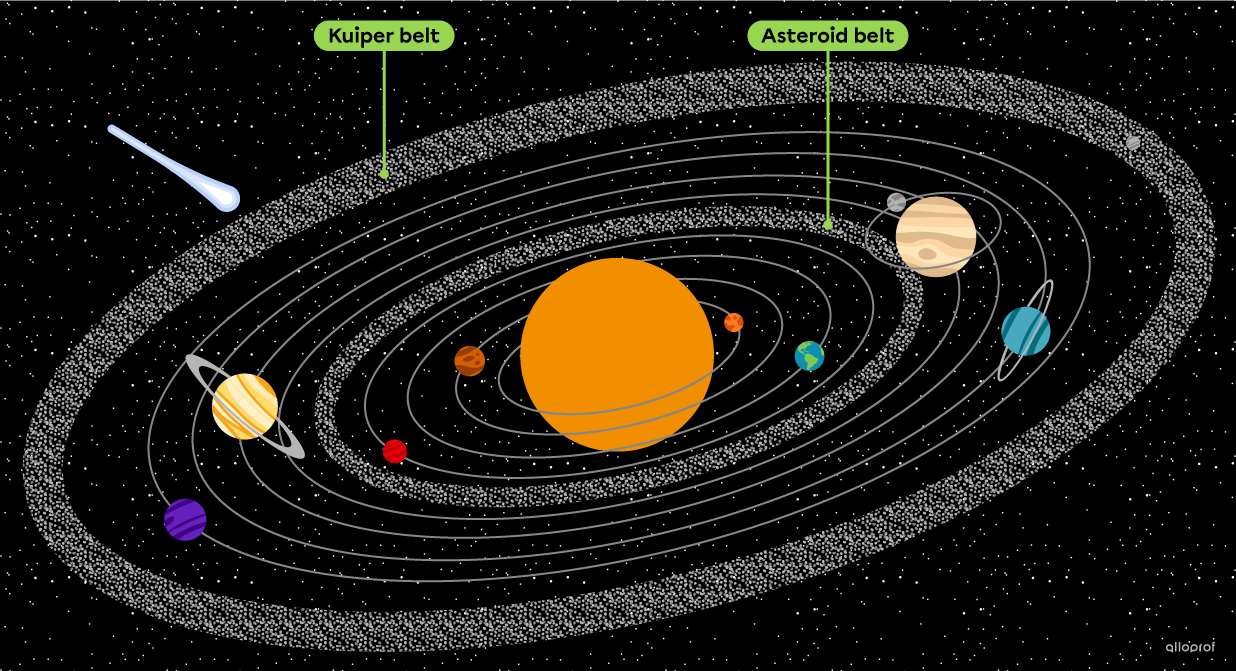 100%
100%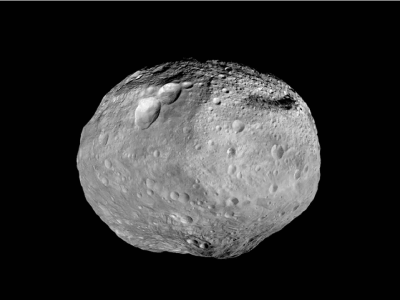 100%
100%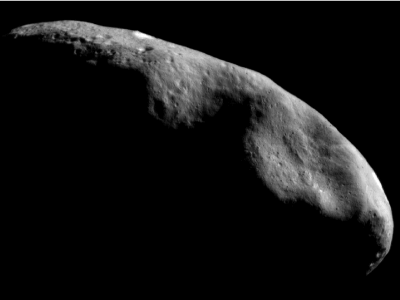 100%
100%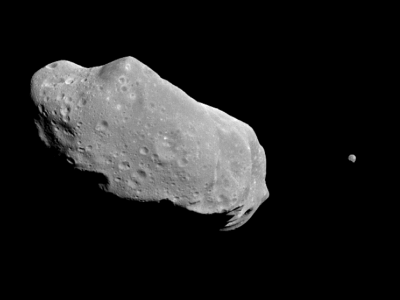
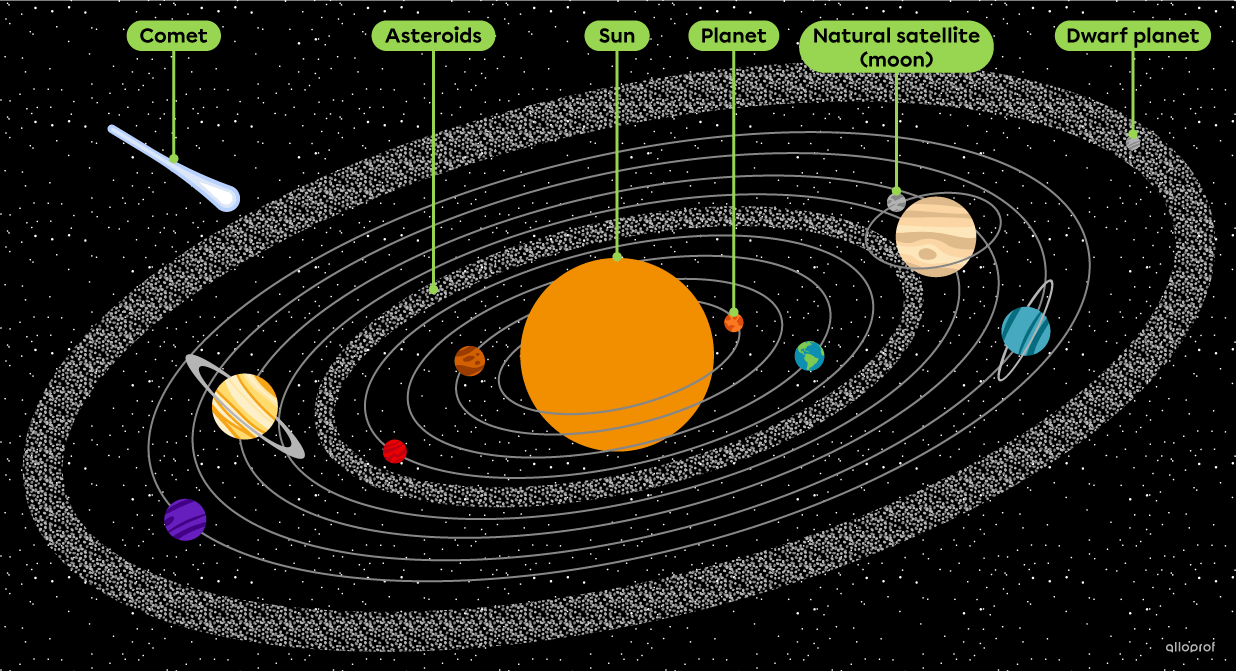
The solar system is a system composed of the Sun and all the celestial bodies orbiting it.
A celestial body is a natural object located in space. The celestial bodies in the solar system are the Sun, the eight planets and their natural satellites, several dwarf planets and millions of asteroids, meteoroids and comets.

The solar system
Notes: The dimensions of the stars and distances are not to scale. Meteoroids are rocks and dust that are too small to be seen in this image.
All the celestial bodies in the solar system are held together by gravity. This force allows planets, asteroids and comets, among others, to remain in orbit around the Sun. It also allows natural satellites to remain in orbit around their planet.
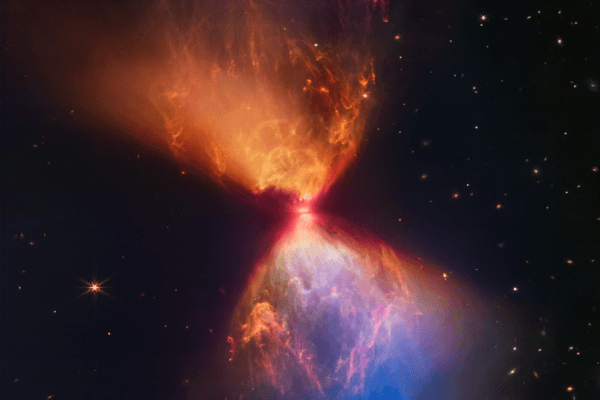
The formation of the solar system started about 4.6 billion years ago. It started as a massive cloud of gas and dust that flattened out to form a giant disc. Due to gravity, most of the gas and dust gathered to form a huge ball in the centre of the disc. This ball became our star, the Sun. The remaining gas and dust also gathered into smaller balls around the Sun to form the eight planets and the dwarf planets. In the same way, smaller balls of matter formed around some planets and became their natural satellites.
When the solar system was formed, only rocky matter was able to tolerate the heat near the Sun. This is why the planets closest to the Sun – Mercury, Venus, Earth and Mars – are telluric, while the furthest planets – Jupiter, Saturn, Uranus and Neptune – are gas giants.
A protostar
The young star L1527, located approximately 430 light years from Earth, shows what our solar system might have looked like when it formed.
| Type of celestial body | Star |
| Diameter at the equator | 110 times longer than Earth’s diameter |
| Mass | 333 000 times bigger than Earth's mass |
| Gravity | 28 times stronger than Earth’s gravity |
| Rotation period (around its axis) | Approximately 25 Earth days |
| Surface temperature | Approximately 5 500°C |
| Core temperature | Approximately 15 000 000°C |
| Planets in orbit | 8 |
Source: Canadian Space Agency, 2020[2] | |
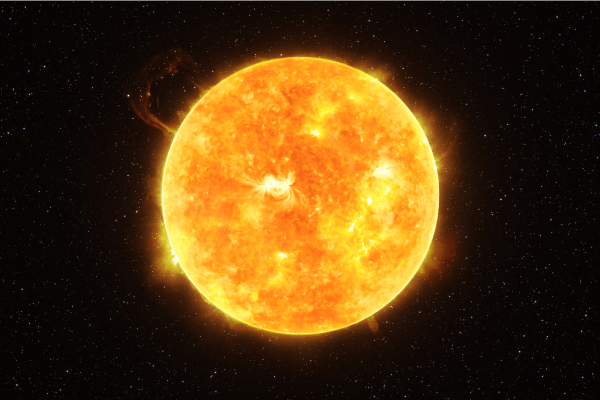
The Sun
The Sun is the star at the centre of our solar system. A star is a giant ball of very hot gases: hydrogen and helium. At the centre of the Sun, these gases undergo nuclear reactions that release a lot of energy in the form of radiation (light, heat, etc.).
The mass of the Sun is responsible for about 99.9% of the total mass of the solar system.
A celestial body has to respect certain conditions to be considered a planet:
It has a mostly spherical, or round, shape.
It orbits, or revolves, around a star.
It does not emit light.
It has cleared its orbit and nearby orbits of any other celestial bodies of comparable size, except its natural satellites, or moons.
The eight planets of the solar system are Mercury, Venus, Earth, Mars, Jupiter, Saturn, Uranus and Neptune. They revolve around the Sun.
A dwarf planet is a more or less spherical celestial body that orbits a star and is often in close proximity to celestial bodies of comparable size.
Ceres and Pluto are dwarf planets in the solar system. They are located in asteroid belts. Unlike planets, they are not alone in their orbit. They are surrounded by millions of asteroids.
Ceres lies in the main asteroid belt of the solar system, between Mars and Jupiter. It is the largest object in this belt. It is the only dwarf planet that lies between the Sun and Neptune. The other known dwarf planets lie beyond Neptune, such as Pluto.
Pluto lies in the Kuiper Belt, beyond the orbit of Neptune. It is smaller than the Moon and has five known natural satellites[3].
Ceres
Pluto
A natural satellite, often called a moon, is a naturally occurring celestial body that orbits a larger celestial body.
Natural satellites in the solar system may revolve around a planet, a dwarf planet or even an asteroid.
To date, more than 200 natural satellites orbiting planets have been discovered in the solar system. Some planets have none, while others have dozens. The Earth has only one natural satellite, called the Moon.
|
Type of celestial body |
Earth’s natural satellite |
|---|---|
|
Average distance from Earth |
384 400 km |
|
Diameter at the equator |
25% of Earth's diameter |
|
Mass |
1% of Earth's mass |
|
Gravity |
6 times weaker than Earth’s gravity |
|
Revolution period (around Earth) |
27.3 Earth days |
|
Rotation period (around its axis) |
27.3 Earth days |
|
Surface temperature |
-248 to 123°C |
Source: Canadian Space Agency, 2022[5] |
|
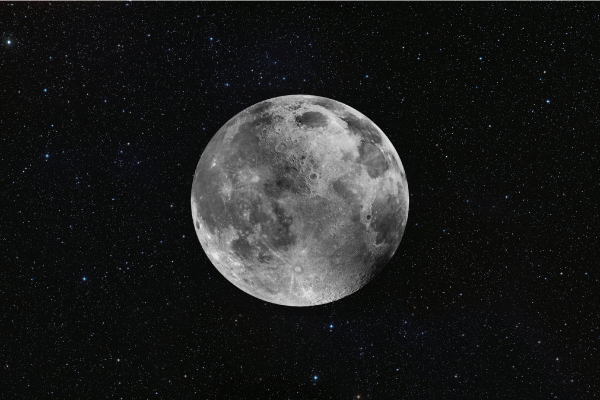
The Moon
An asteroid is a small, irregularly shaped celestial body composed of rock, metal and ice, orbiting a star.
Asteroids are spread out throughout the solar system, but they are particularly concentrated in two areas: the asteroid belt, sometimes referred to as the main belt, and the Kuiper belt. The asteroid belt is located between Mars and Jupiter, and the Kuiper belt is located beyond Neptune.
The asteroid belt and Kuiper belt
Note: The dimensions of the stars and distances are not to scale.
An asteroid can range in size from less than 1 cm to hundreds of km. The largest known asteroid, Vesta, is 530 km wide[6], but most asteroids are less than 10 m wide.
Vesta, Eros and Ida are three rather large asteroids in the solar system. Vesta is a few hundred km wide, while Eros and Ida are about 30 km wide. Ida even has a natural satellite.
Vesta
Eros
Ida and its natural satellite