Mind Maps: A Learning Tool

Article

As a teacher, it is important to provide students with useful tools to structure their ideas and streamline their studying process. A mind map, also known as a concept map, is a practical visual strategy for organizing information and developing essential skills, such as reflective thinking. Explore the potential of this tool with your students to help them better understand, visualize, and retain knowledge.
Core Principles

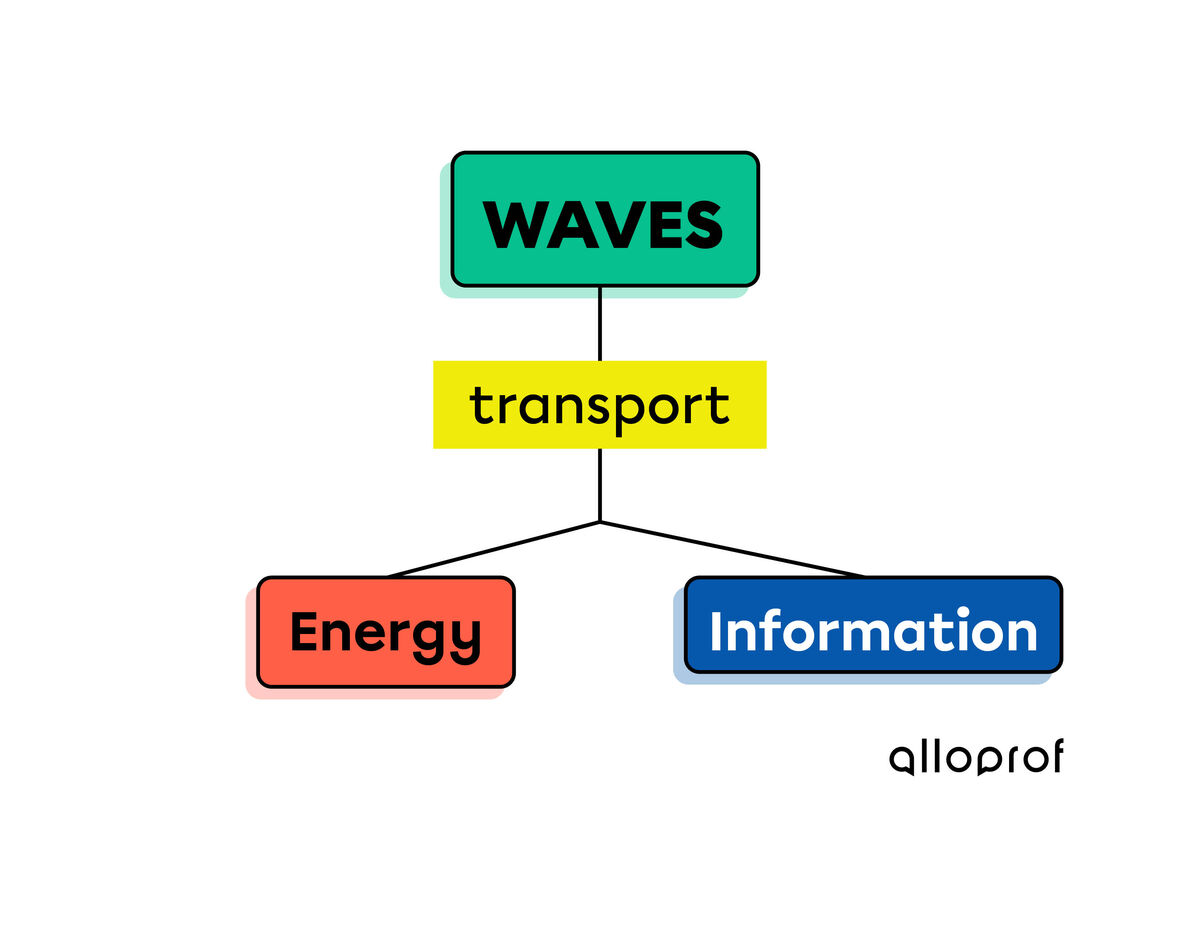
Similar to a road map, a mind map illustrates the connections between different ideas and provides a broad view of the information to be represented or remembered. In order to be effective, a mind map must provide a clear hierarchical structure that enables the user to visualize the core ideas of a topic and their interrelationships. Here are the main elements of a mind map:

  • A title
  • A central topic (symbolized by a term, image or illustration placed in the middle of the page)
  • The main ideas (arranged around the topic)
  • The secondary ideas (also called branches)
  • Visuals (images, drawings, pictograms, etc.) and keywords (these are not essential, but they do help reinforce the important concepts)
  • Etc. 
Tips and tools

Every mind map is unique: it is a reflection of how the student thinks. If you have students who prefer to work from a model, download our printable template to help them get started. Other students may prefer to start their mind map from a blank page.

How to Create a Mind Map

The process of building a mind map can be broken down into a few steps, which you can explain and model to your students:

  1. If you haven’t already done so, start by asking a research question. Your students can help come up with a question by brainstorming the topic together to identify the most useful keywords as well as the main and secondary ideas. 
  2. Place the research question or central idea in the middle of the mind map network to help guide the reflection process.
  3. Spark discussion by asking questions on different aspects of the topic: Who? What? Where? When? Why? How? How many?
  4. Place the main ideas around the central idea, forming the branches of the network. Two or more ideas can be connected by adding linking words, such as verbs.
  5. Add keywords, images, or short sentences to these branches during the reflection process.
  6. Add secondary ideas (branches) for nuance or to flesh out an idea.
  7. Draw or insert an image in the centre of the map to illustrate the theme. 
  8. Generate and link new ideas together as needed, organizing the network structure as you go along.
Example of mindmap

Here are a few more tips for your students:

  • Adapt the complexity of the mind map to your needs while avoiding unneeded information.
  • If the branches of the mind map represent steps to be followed, you must be able to read them in the right order. They can flow in a clockwise direction or be organized as a two-part structure: first on the right, then on the left.
  • Make sure the network is clear and evident, and avoid overloading the map. Furthermore, choose colours that are easy to interpret, relevant images, and a design that is aesthetically appealing.

Learning Benefits

Using mind maps in the classroom or as a tool to structure the studying process can help with the following:

  • Activation of prior subject knowledge
  • Hierarchical representation of ideas and reflective thinking 
  • Memorization, thanks to its visual and heuristic elements
  • Development of intellectual operations:
    • Establishing facts
    • Situating an element in space and time
    • Establishing connections between facts
    • Identifying differences and similarities between elements
    • Determining cause and effect
    • Establishing causal connections
    • Determining changes and continuities
  • Motivation, by placing the student at the centre of the learning process 
  • Reinvestment of the applied skills in other contexts: note taking, memorization methods, summarizing, etc. 
  • Class discussion and cooperation, by sharing a point of view on a subject in the form of a graphic analysis
  • Etc.

Mind Maps in Context

Here are a few ideas for using mind maps in the classroom in combination with Alloprof resources:

References

Access our most relevant tools!

To make your life a little easier and receive some of our best Alloprof tools by email, subscribe to our teacher newsletter. You could even win a gift card for your favourite bookstore!