One Year of Environmental Education
Lab22 – Laboratoire d'innovations sociales et environnementales is a non-profit organization that provides structured, democratic, educational, and personalized support to high schools making an ecological transition. This initiative is based on our Pacte de l’école québécoise, a call-to-action and roadmap for developing more eco-responsible schools in Quebec. One of our main objectives is to encourage teachers to address environmental issues and the reality of climate change in their courses, giving students the knowledge and power they need to meet the challenges of our century. To ensure the consistency and success of our work, this roadmap also includes a section on transmitting information and collaborating with families.
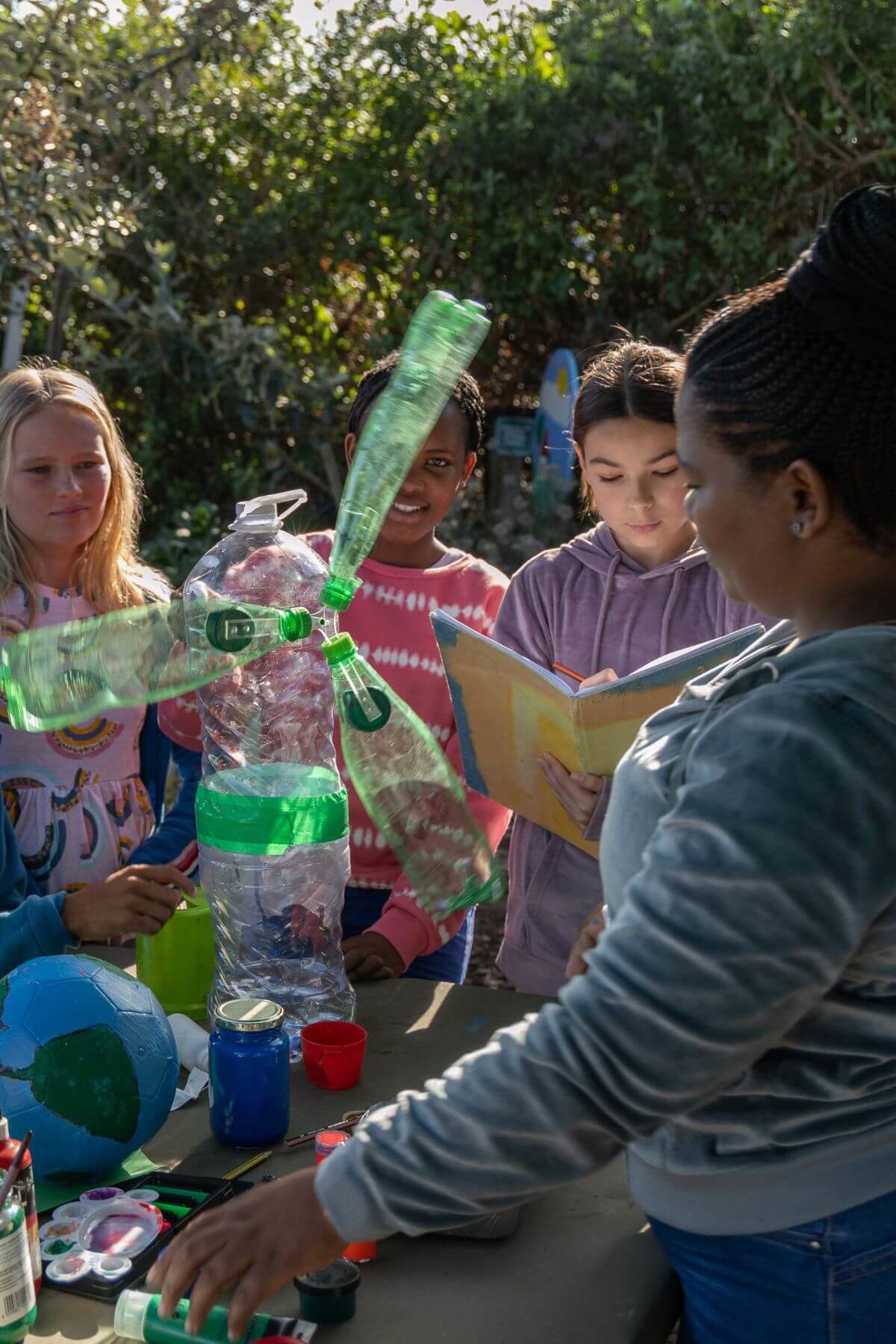
In an effort to extend the scope of this initiative, the members of Lab22 have partnered with Alloprof to present a year focused on the environment. This year is divided into 10 monthly themes related to the ecological transition, communicated through short articles aimed at the following audiences:
High school teachers looking to integrate environmental and ecological transition themes into their lectures and educational activities.
Parents of teenagers who want to develop good eco-responsible and eco-citizen practices within the family.
The aim of this project is to provide teachers with concrete tools, inspiring examples, engaging experiences, and simple yet effective ideas to help them address these issues in the classroom, and to equip anyone wishing to take action and make a positive contribution to the ecological transition of our society. Although each month is associated with a specific theme, we encourage you to think outside the box, get creative, and adopt healthy eco-friendly habits all year long!
You can read and formally support the Pacte de l’école québécoise here.
Happy transition year!
September : Sustainable Mobility
For the back-to-school month, Lab22 offers you five tips and tricks for tackling transportation issues, whether in the classroom with your students or to encourage sustainable mobility initiatives in your school.
October : Waste Management
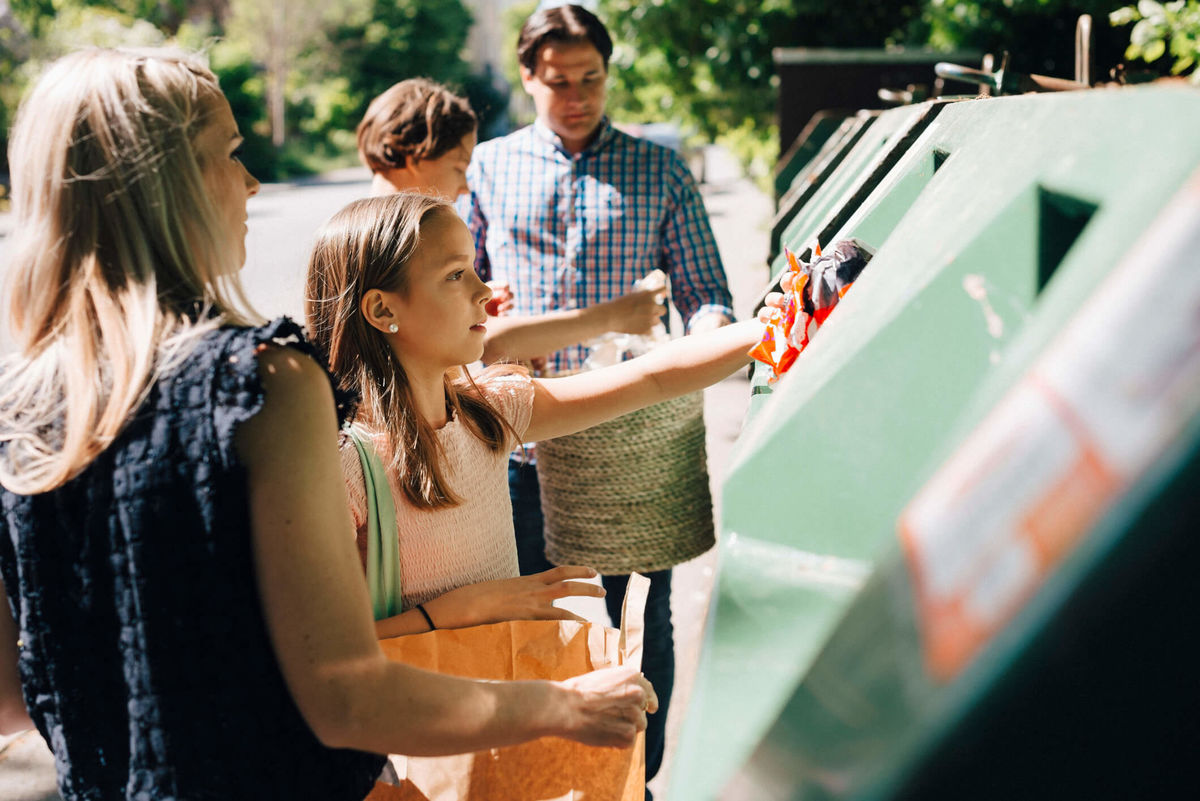
Putting waste sorting stations in schools is a good idea in theory, but they only work if they are used properly. You have probably heard of the 3Rs, a framework that helps us be more conscious about our daily consumption habits. At Lab22, we take it a step further with the 6Rs: refuse, reduce, reuse, repair, recycle, and reinforce!
Here are 6 original ways to integrate these concepts into your classroom.
November : Ecohope
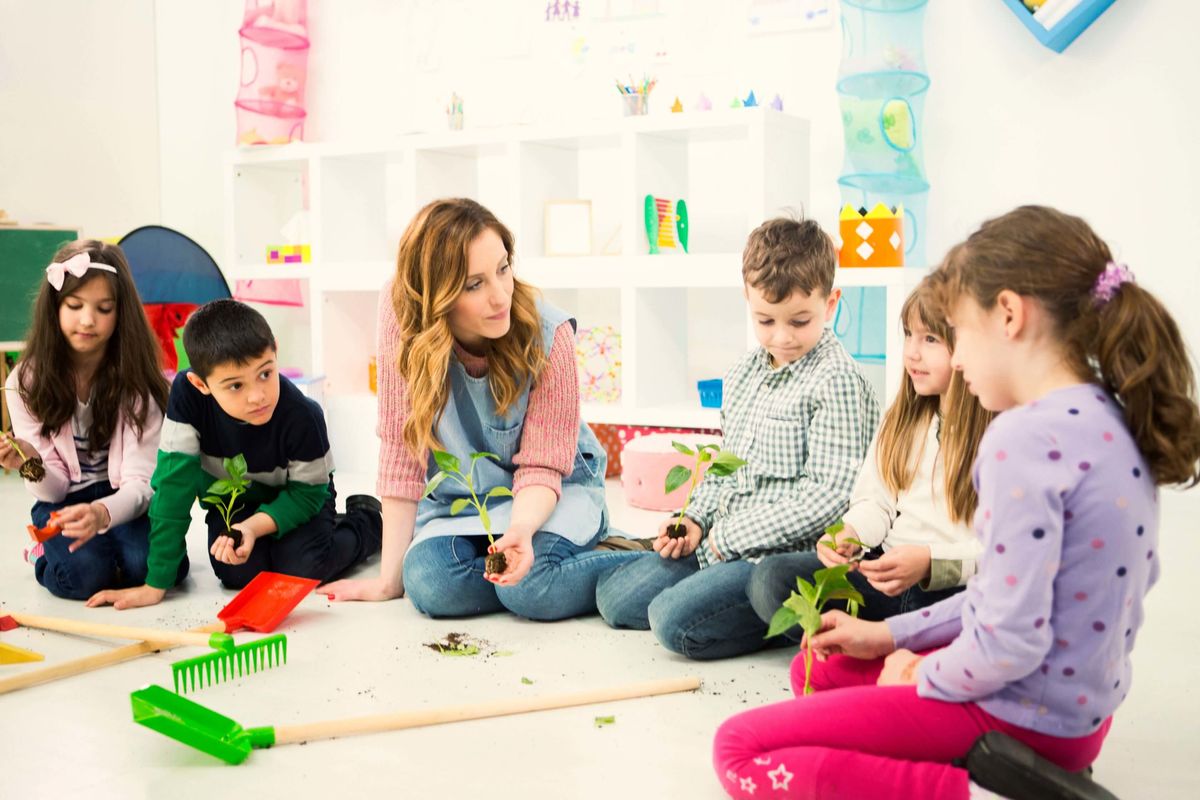
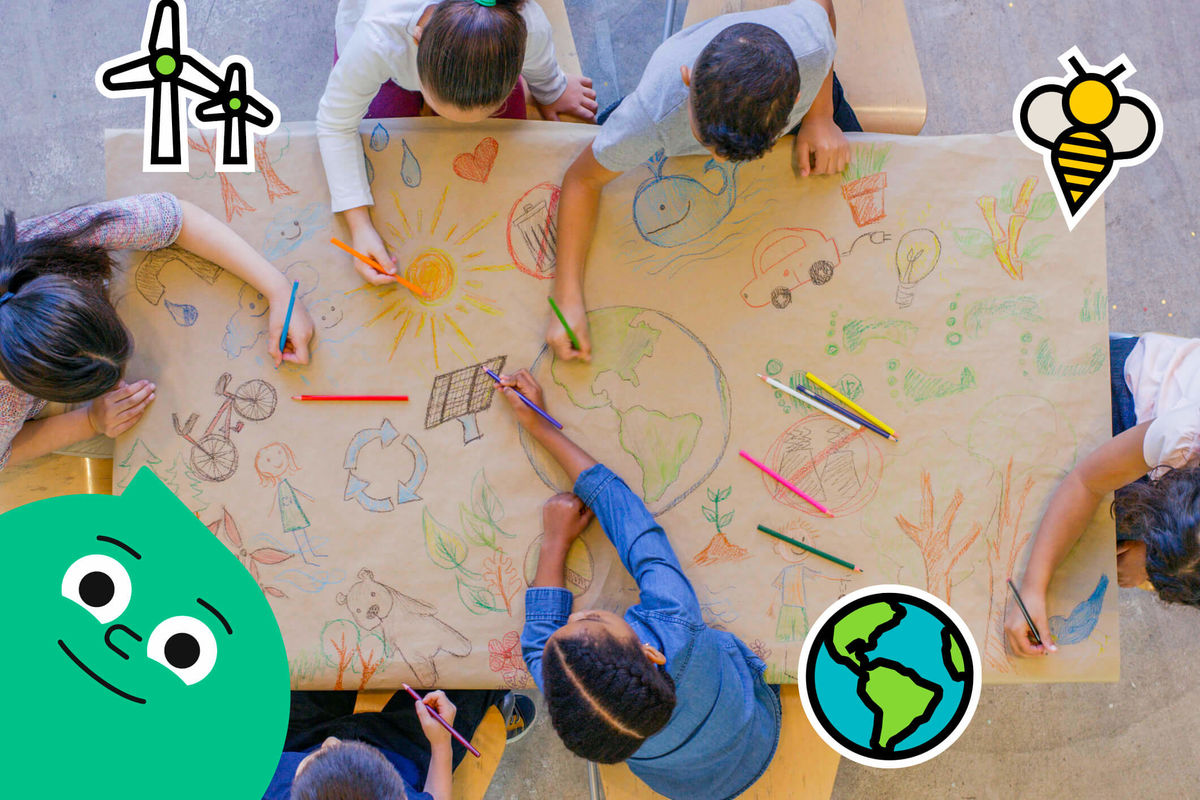
There are a number of ways you can help your students deal with the weight of socio-ecological issues and transform their eco-anxiety into eco-hope.
December: Degrowth Month
Reducing consumption, sharing, and slowing down are the foundations of degrowth and sufficiency. During this time of frenzied (over)consumption, Lab22 would like to share three resources to help your students discover that it’s possible to do things differently.
January: Digital Sobriety Month
With digital tools becoming more common in the classroom as well as everywhere else, it is crucial to consider the inherent environmental effects of this technological shift. Due to manufacturing processes and our ever-growing use of digital devices, which requires energy-intensive data centres, the digital sector recently overtook aviation in terms of global greenhouse gas emissions. The good news is, there are ways we can reduce the environmental impact of our digital consumption thanks to digital sobriety.
February: Environmental Education
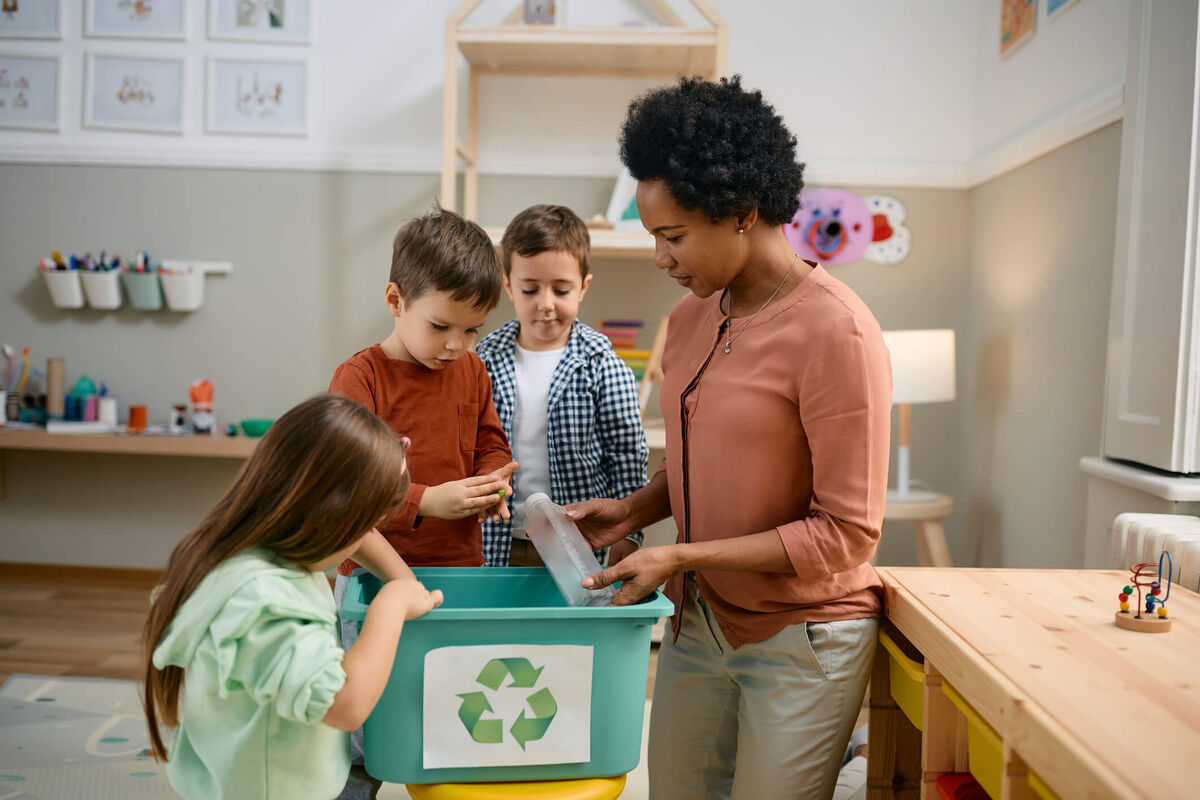
According to the UN, education is the best way to combat climate change. (UN, 2023) Despite increasing recognition of the importance of EE, the education sector faces many challenges, and there are numerous obstacles preventing teachers from investing time and effort in EE. To help you overcome these obstacles, we address five common concerns about environmental education below. We hope this will encourage you and inspire you to totally rethink the way you approach EE in the classroom.
March: Nutrition Month
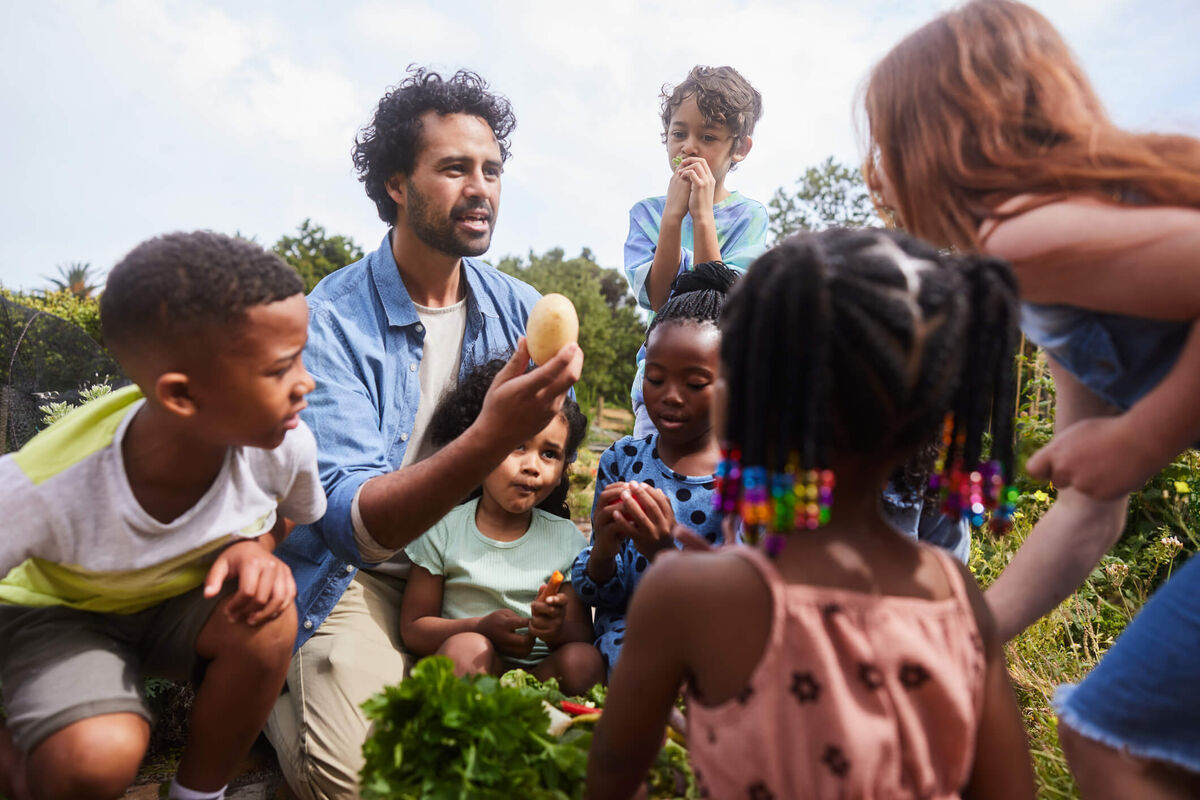
The food industry produces more than just the food we eat. It is also a major source of greenhouse gases, accounting for over one-third of total emissions. From our food choices to our eating habits, every bite we consume has a colossal impact on the carbon footprint of our diets. The classroom is a great place to dig into the environmental impact of what we eat.
Here are some tips on teaching your students about this important issue.
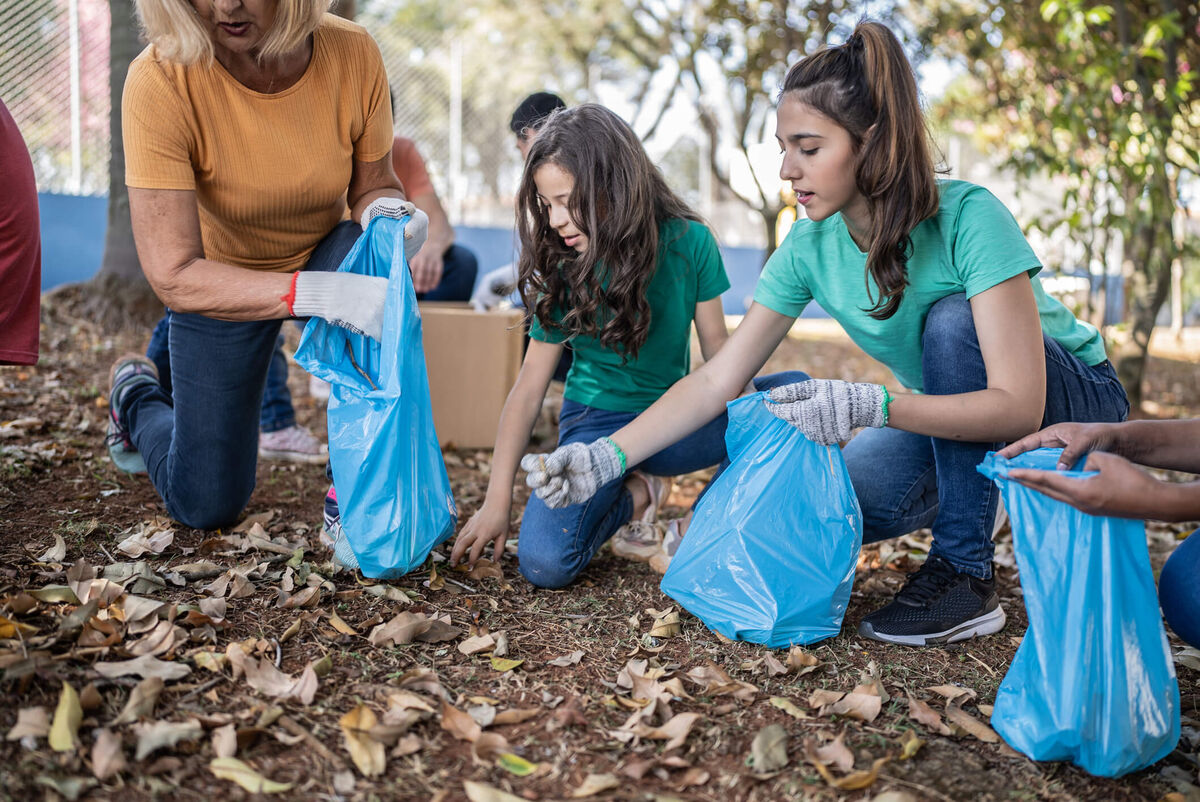
April: Fostering Eco-citizenship
Eco-citizenship is about more than making environmentally conscious choices every day. It is about striving to make environmental issues part of your civic responsibility. An eco-citizen sees the environment as a precious ecosystem, one they share with all living things. This perspective compels them to actively participate in society to preserve that ecosystem.
Certain teaching strategies are particularly well suited to cultivating eco-citizenship. Here are five learning activities designed to promote it.
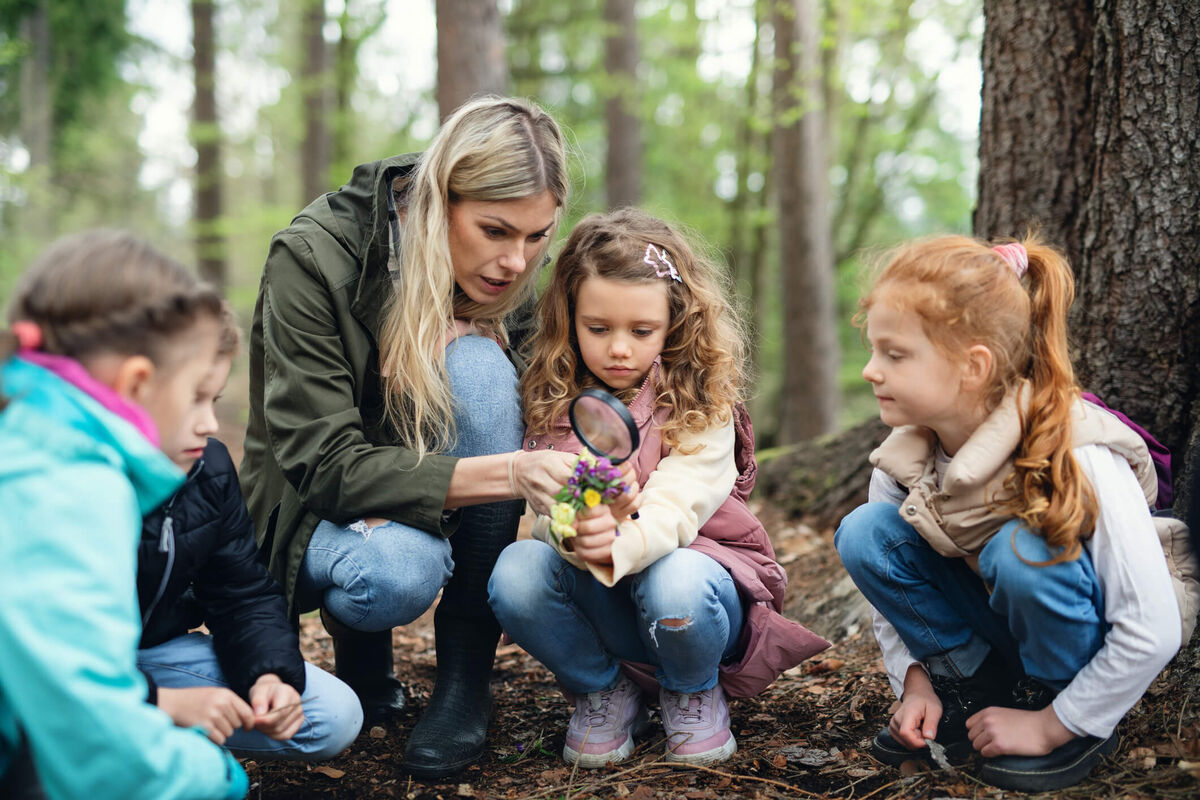
May: Raising Student Awareness for Biodiversity through Educational Experiences
Between 20% and 50% of all living species on Earth could disappear by the end of the 21st century. To raise awareness of the importance of preserving biodiversity with your class, try including educational content that examines the topic of ecosystem balance.
Here are a few recommendations to get you started.
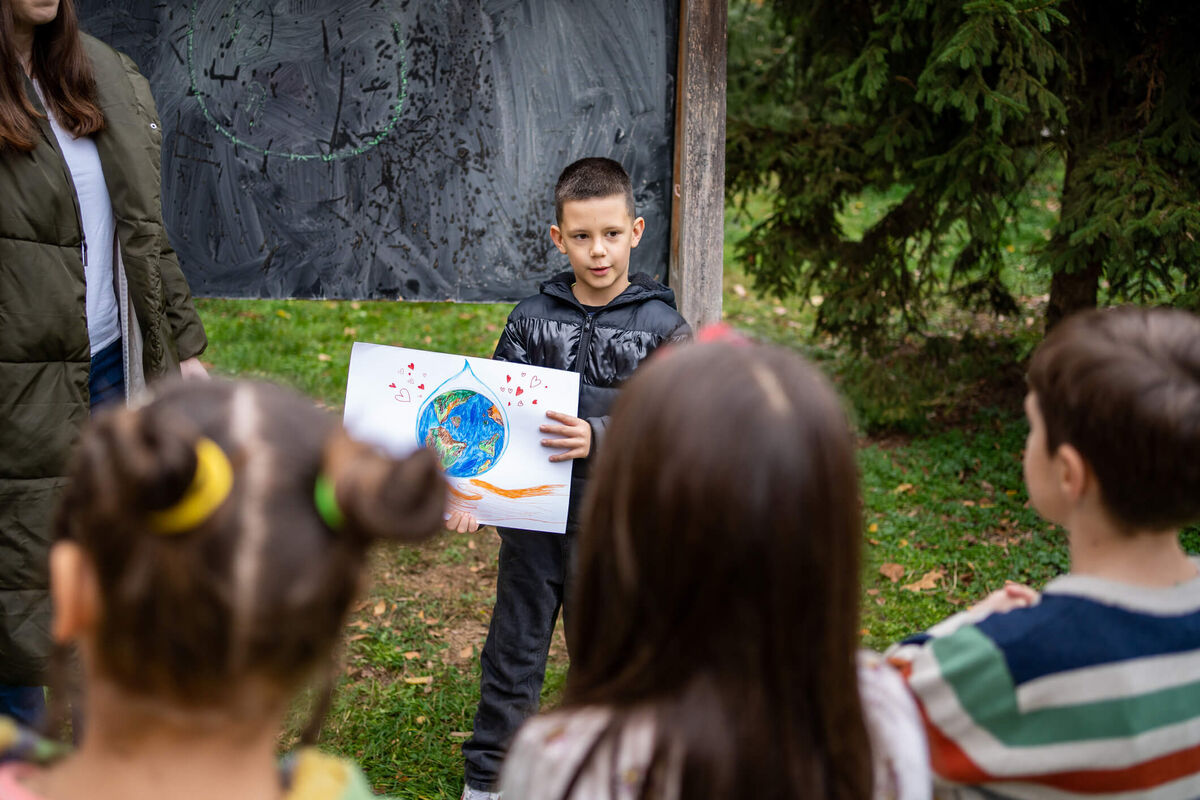
June: How to Teach Your Students about Climate Justice
The climate crisis is manifesting very differently from country to country. Climate justice is a concept that highlights inequalities in how climate change is affecting different populations. Groups that are more vulnerable or marginalized—such as women, Indigenous peoples, low-income and homeless individuals, the elderly and the young—are often more exposed to environmental risks and damage, yet lack sufficient decision-making power to act on the issue.
Here are three organizations with resources to help you discuss climate justice with your students.
Discover ways to add variety to your teaching methods, simplify lesson prep, and better support your students and their parents by subscribing to our newsletter!