Subjects
Grades
Your best friend, Mary-Louise, seems to love Ms. Greene’s history class. She participates and always completes her homework well before it’s due. Yet, you feel that Ms. Greene doesn’t like you: she never calls on you when you raise your hand, and you disagree with the mark she gave you on your last assignment. So, every history class, you sit at the back of the room, counting the minutes until the bell rings. Sound familiar? This article will provide you with some practical tips on how to handle this type of situation and improve your student-teacher relationship.
 100%
100%
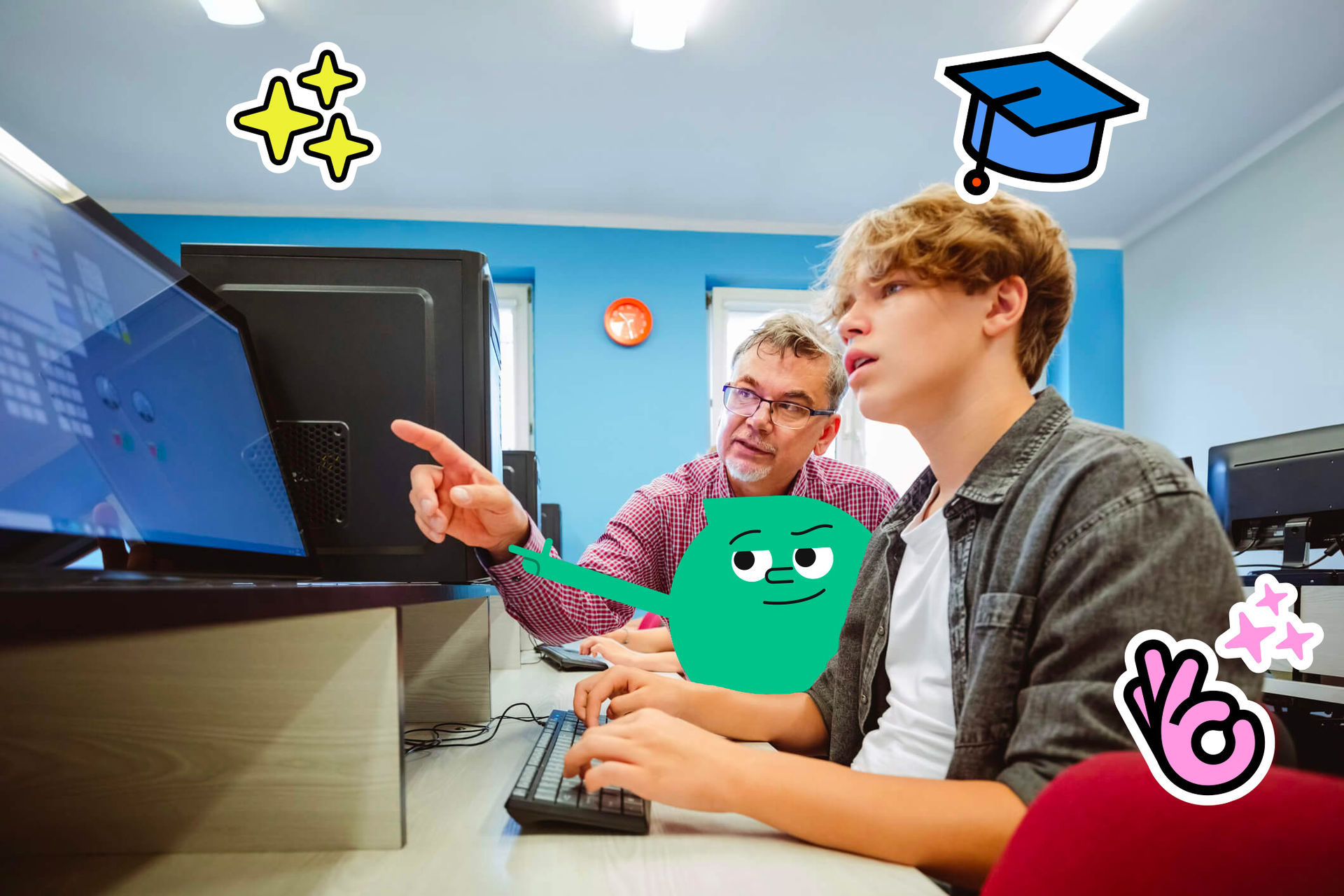

Research shows that having a good working relationship with your teacher is important. It can help you:
Become more resilient
Persevere towards academic success
Develop a sense of belonging and trust
Teachers also possess a wealth of information about the subjects they teach. Asking them questions and discussing topics is much easier if you get along. Additionally, they can write letters of recommendation and alert you to relevant academic contests and scholarships.
Finally, teachers are there to look out for you, offer help, and provide advice. They may not know that you’re feeling sad, neglected, or even angry. Remember: most teachers will want to have a better relationship with you as well.
If you’d like to build a better rapport with your teacher, there are a few things you should avoid doing. Here are some examples:
Don’t try to be the teacher’s pet. Teachers can sense when a student isn’t being sincere—and so can your classmates. This tactic won’t go over well with them either!
Don’t give the teacher lavish presents. This sends the wrong message.
Don’t confuse a subject you dislike with the teacher teaching it. For the most part, teachers are passionate about what they teach. Just because you don’t share a teacher’s enthusiasm for a subject doesn't mean they’re awful or out to get you.
Don't lay all the blame on the teacher. They may be the authority figure in the classroom, but effective communication is a two-way street. Acknowledge the role you play in your strained relationship.
Don’t always second-guess what your teacher says or does. It’s okay to ask for clarification about a mark you received, but always challenging your grades will work against you; the teacher will simply become more annoyed, and maybe even offended.
Don’t expect one-on-one attention all the time. Teachers have many students in their classes, some with very different needs from you. Be patient and understanding.
In the end, resolving conflicts with your teacher and building a better relationship will help you do well in school, both academically and emotionally. Here are some things to try:
Be on time. This demonstrates both that you respect your teacher and that you take their class seriously.
Come prepared. Have all the required books and material. Make sure that you’ve completed any homework assignments to the best of your ability. Avoid falling into a cycle of procrastination. Study for your tests.
Participate. Ask and answer questions. This will demonstrate your willingness to learn and improve.
Change where you sit in class. Sitting closer to your teacher may help to indicate that you are prepared to learn, stay focused, and improve your performance.
Always be polite and respectful. Teachers are people too. Choose your battles and understand that your teacher can have bad days too.
Look for strategies that others may be using. Talk to students who enjoy the class and like the teacher. You may learn some effective ways to see the subject and the teacher differently.
Show up to lunchtime or after-school tutorials. This is when your teacher makes themself available to help and guide students. Participating in these tutorials will show them that you are willing to learn and get help.
Make an appointment to talk with your teacher in private. Here are some examples for when to do this:
If you disagree with a grade, explain why and listen to what your teacher has to say. Understanding their reasoning will help you do better next time.
If you’re going through a tough time for personal reasons, let your teacher know. They’re not mind readers and may interpret your negative attitude in class as simply an attempt to distract the other students. You’ll find that most teachers are very understanding and appreciate honesty. They could also offer you advice or direct you to another resource to help you.
When meeting with your teacher, it’s best to show up with a plan. This should include what changes you’re willing to make, such as sitting at the front of the class or studying more for the next test. Having a plan will also demonstrate your desire to resolve any conflict with the teacher. In addition, it’s important to use “I” statements, like “I feel embarrassed when you call on me to read out loud” or “I want to participate, but I feel like I’m never picked to answer questions.”
It’s important to remember that you won’t always get along with everyone. Conflict is a part of life. When you enter the workforce, you'll discover that you won’t necessarily like everyone you work with. Being able to resolve conflicts, however, is an essential skill. It starts with the following:
Showing respect
Being open to communicating how you’re feeling
Listening to other people’s points of view
You can always talk to your parents, too. Write down how you’re feeling, and then have an open discussion. They may have great insights on how to improve relationships.
Finally, if you’ve tried your best to improve your relationship with your teacher and nothing seems to be working, it may be time to speak to your guidance counsellor. Make an appointment with them. They’ll be able to offer you advice and maybe even meet with you and your teacher to come up with solutions.