Subjects
Grades
 100%
100%
 100%
100%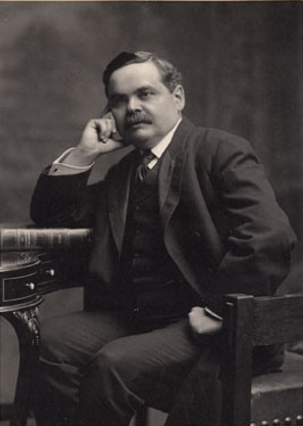 100%
100%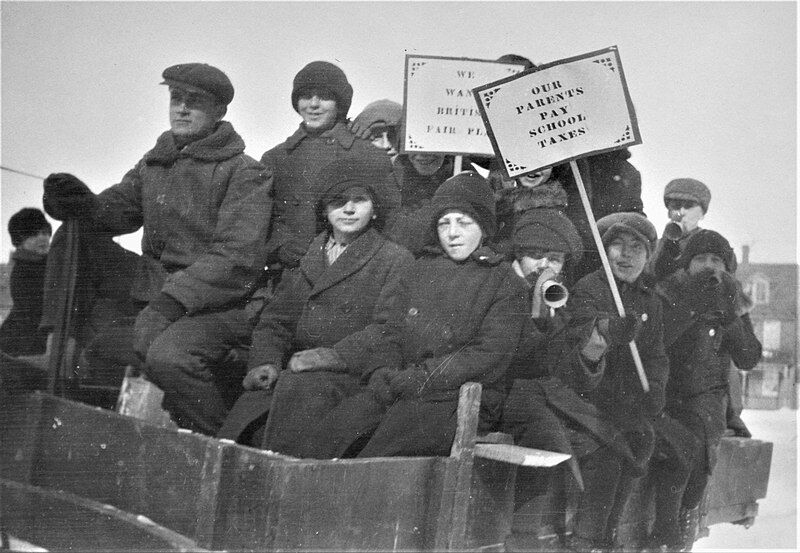 100%
100%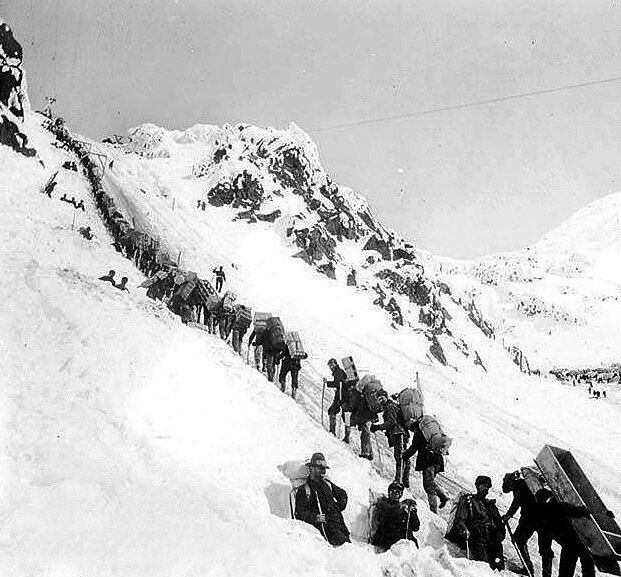 100%
100%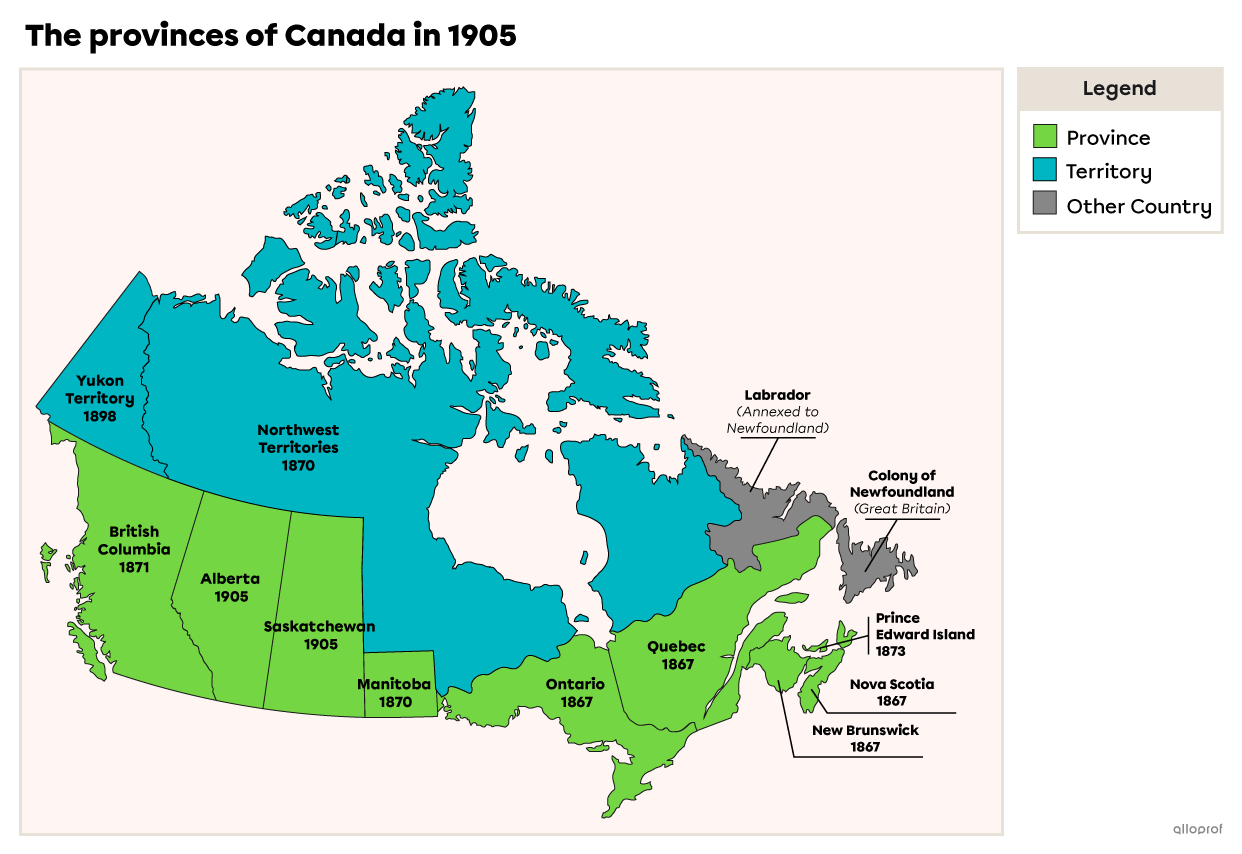 100%
100%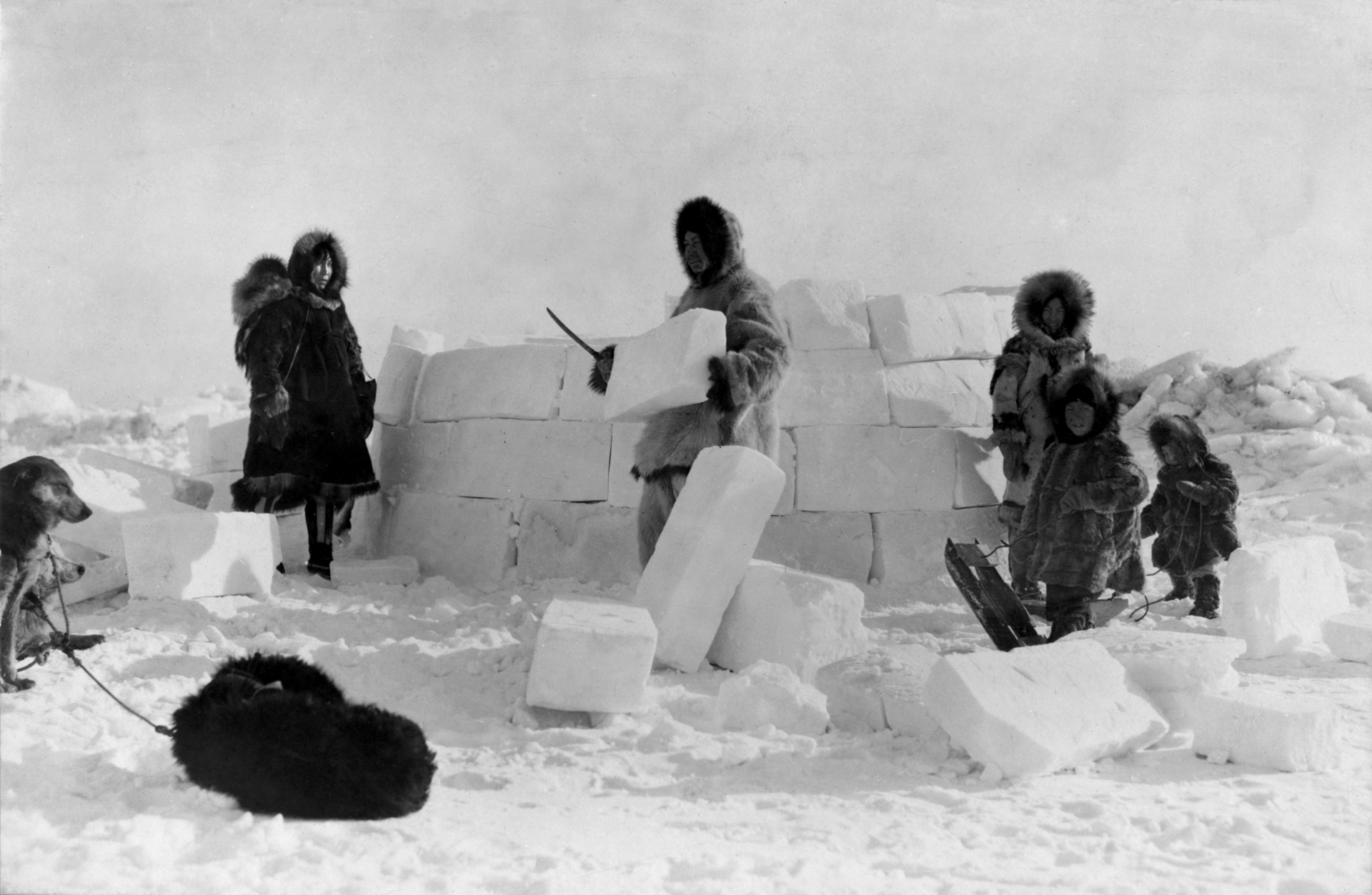
At the beginning of the 20th century, Canada was heavily involved in the global movement of liberalism, which attracted many supporters.
Liberalism promotes the importance of individual, political and economic freedom. It is strongly supported by wealthy industrialists since the government has little involvement in the various aspects of society. As a result, fewer laws are put in place to restrict their business activities.
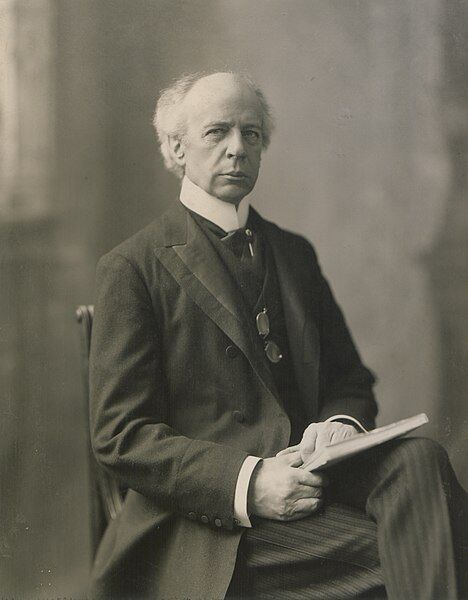
This ideology was also defended by some politicians and heavily influenced the federal government of Wilfrid Laurier, who respected the provinces’ independence.

Wilfrid Laurier's federal government adopted political liberalism while respecting provincial autonomy.
With very little revenue, provincial governments were asking for more money from the federal government. One reason for this was their weak taxing power, meaning their ability to collect taxes and income tax. This need for money stemmed from the numerous public works the provinces wanted to carry out to modernize their cities to reflect the industrial age.
Lomer Gouin's provincial government, which wanted to modernize and develop Quebec, was in favour of provincial autonomy.
Since Wilfrid Laurier advocated for provincial independence, he agreed to pay more money to the provinces so that they could finance their own public works.
Present in several regions of Canada, the Francophone communities outside of Quebec experienced numerous difficulties in the early 20th century. Several provincial governments passed laws to restrict their language rights.
For example, the Ontario government passed Regulation 17 in 1912, which only allowed French to be taught during the first two years of elementary school. This government wanted English to become the primary language of instruction for the whole of the population.
Many Franco-Ontarians participated in demonstrations opposing Regulation 17. The sign reads "Our parents pay school taxes."
Francophone Catholic minorities did not have a much better situation in Western Canada. In 1916, it became forbidden to teach French in Manitoba schools, even though this right had been guaranteed when the province was founded.
The Canadian territory changed a lot in the late 19th century and the early 20th century. In 1898, a territory was added to the Canadian federation when the Yukon was created, since a large population settled in the region at that time. This new population was largely made up of gold prospectors who were drawn in by the gold deposits found around the Klondike River in the Yukon.
The Klondike Gold Rush.
In 1905, two new provinces, Alberta and Saskatchewan, joined the BNA Act. These provinces were created due to the influx of immigrants to the vast lands of the West as part of John A. Macdonald’s National Policy, which was then continued under Wilfrid Laurier.
In 1905, the Canadian territory expanded with the addition of two new provinces: Alberta and Saskatchewan.
The federal government continued its policy of assimilating Indigenous peoples in the early 20th century. First Nations children were sent to residential schools. The goal was to completely rid Indigenous peoples of their own culture and force their integration into Canadian culture. Living conditions in these residential schools were very poor and Indigenous children suffered daily violence and neglect.
Located further north in the Canadian territory, Inuit communities came into contact with Canadian society later on. In 1939, the Supreme Court of Canada ruled that the Inuit were considered "Indians" under the Constitution, which meant they fell under the responsibility of the federal government. However, unlike First Nations, the Inuit were never subject to the Indian Act. They were nevertheless subjected to assimilation and guardianship policies by the federal government.
The Inuit lived in the northern regions of Canada, and their governance remained unclear until 1939.